Why FHI 360 Invests in Sustainable Leadership Inspired by Wangari Maathai
Across Africa and the world, the conversation around sustainability has shifted from simply protecting the environment to empowering communities, building resilient economies, and nurturing future leaders. Few individuals embodied this vision more powerfully than Wangari Maathai — the Kenyan environmentalist, founder of the Green Belt Movement, and the first African woman to receive the Nobel Peace Prize.
Today, organizations such as FHI 360 continue to draw inspiration from Wangari Maathai’s leadership philosophy. Her belief that communities thrive when they are empowered to care for their environment aligns perfectly with modern sustainable development goals focused on climate resilience, economic empowerment, food security, and community leadership.
Wangari Maathai taught the world that planting trees was never just about trees. It was about restoring dignity, empowering women, conserving biodiversity, and creating sustainable livelihoods. This same philosophy continues to shape how development organizations invest in leadership, climate action, and grassroots transformation.
Wangari Maathai’s Leadership Philosophy Still Matters Today
When Wangari Maathai founded the Green Belt Movement in Kenya in 1977, she understood something many policymakers ignored at the time — environmental degradation and poverty are deeply connected.
Communities suffering from deforestation also experienced:
- Reduced agricultural productivity
- Water scarcity
- Soil erosion
- Increased poverty
- Food insecurity
- Loss of indigenous biodiversity
Her solution was remarkably practical:
Empower local communities, especially women, to plant trees and protect ecosystems.
What started as a tree-planting movement evolved into a continental model for sustainable leadership. Today, climate organizations, NGOs, and development agencies continue to use this grassroots model because it works.
Organizations like FHI 360 recognize that sustainable change cannot simply be imported from outside. It must be nurtured locally through:
- Community participation
- Environmental stewardship
- Youth leadership
- Economic empowerment
- Knowledge sharing
- Climate-smart initiatives
🌱 Seedlink Community Nursery Marketplace Initiative
Connect Local Nurseries to Ready Markets
Across Kenya and Africa, thousands of community nurseries are growing:
- Indigenous trees
- Exotic ornamental trees
- Fruit tree seedlings
- Bamboo
- Agroforestry species
- Medicinal plants
However, many struggle to access buyers.
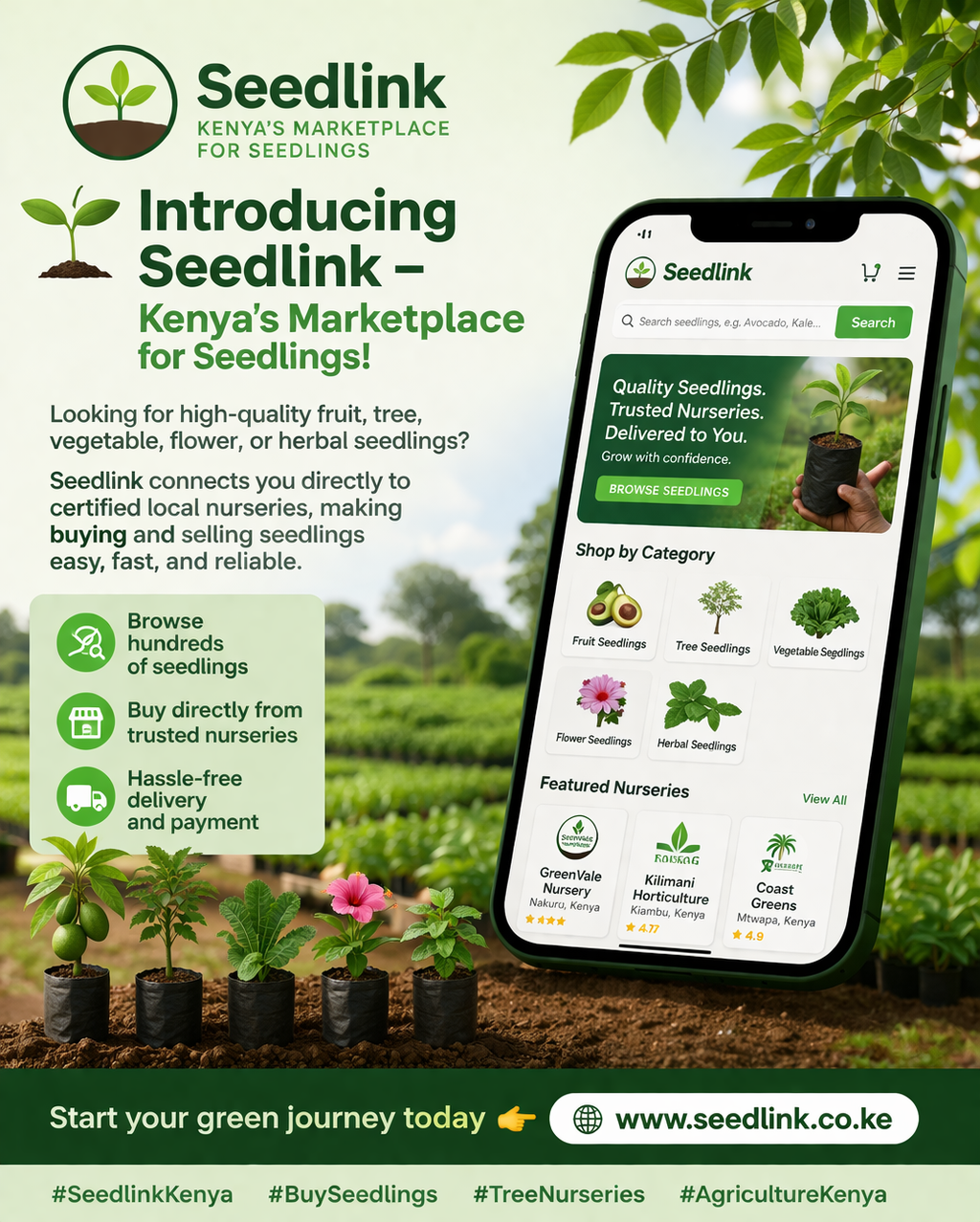
That is where Seedlink comes in.
Seedlink Helps Connect:
✅ Community tree nurseries
✅ Youth groups
✅ Women groups
✅ Schools
✅ Environmental organizations
✅ Farmers
✅ Landscaping companies
✅ Real estate developers
✅ Reforestation projects
with verified buyers looking for quality seedlings.
Popular Trees in Demand
- Avocado seedlings
- Mango seedlings
- Macadamia
- Bamboo
- Croton trees
- Indigenous cedar
- Meru oak
- Neem trees
- Terminalia
- Jacaranda
- Cypress
- Grevillea
Contact Seedlink
📞 0740712579
🌐
www.seedlink.co.ke
Why Sustainable Leadership Matters in Africa
Africa is among the regions most vulnerable to climate change despite contributing the least to global emissions.
Communities across the continent face:
- Erratic rainfall
- Flooding
- Prolonged drought
- Deforestation
- Land degradation
- Youth unemployment
- Food insecurity
Sustainable leadership focuses on solving these challenges while protecting future generations.
Organizations like FHI 360 increasingly support programs that combine:
- Environmental conservation
- Entrepreneurship
- Climate adaptation
- Women empowerment
- Youth innovation
- Agricultural resilience
This mirrors Wangari Maathai’s belief that development should never happen at the expense of nature.
Instead, sustainable development should create harmony between:
- People
- Planet
- Prosperity
The Importance of Grassroots Climate Leadership
One of Wangari Maathai’s greatest lessons was that local communities are not victims of climate change — they are solutions providers.
Many global organizations now prioritize:
- Community-led reforestation
- Farmer-managed regeneration
- Indigenous knowledge systems
- Youth climate activism
- Nature-based enterprises
This shift reflects growing recognition that sustainable solutions emerge from communities themselves.
FHI 360’s investments in leadership development often focus on:
- Capacity building
- Community governance
- Local innovation
- Environmental education
- Climate resilience training
These investments help communities become self-reliant while protecting ecosystems.
🌳 Build Your Nursery Business With Seedlink
Community nurseries are becoming one of the fastest-growing green economy opportunities in East Africa.
Demand for tree seedlings is growing rapidly due to:
- County greening programs
- Carbon offset projects
- Real estate landscaping
- Highway beautification
- School tree planting initiatives
- Agroforestry adoption
- Climate restoration projects
Yet many nursery owners struggle with:
- Visibility
- Marketing
- Distribution
- Buyer trust
Seedlink Bridges This Gap
Seedlink.co.ke provides a growing platform where nursery operators can connect with:
- NGOs
- Corporate buyers
- Farmers
- Schools
- Conservation projects
- Hotels
- Institutions
Are You Growing?
🌿 Indigenous Trees
🌿 Fruit Trees
🌿 Ornamental Trees
🌿 Medicinal Plants
🌿 Bamboo Seedlings
Seedlink can help you reach more buyers.
📞 Call/WhatsApp: 0740712579
Women Leadership and Environmental Sustainability
Wangari Maathai believed women were central to environmental transformation. Through the Green Belt Movement, thousands of women gained:
- Income opportunities
- Leadership skills
- Environmental knowledge
- Community influence
Today, organizations focused on sustainable leadership continue investing heavily in women-led environmental programs.
This is important because women often play major roles in:
- Agriculture
- Water collection
- Household food security
- Natural resource management
Supporting women-led climate solutions creates long-term impact for entire communities.
FHI 360 and similar organizations understand that empowering women creates multiplier effects:
- Better family nutrition
- Improved education outcomes
- Increased environmental stewardship
- Stronger local economies
Youth Leadership in Climate Action
Africa has one of the youngest populations in the world. This creates both opportunities and risks.
Without sustainable opportunities, many young people face:
- Unemployment
- Poverty
- Migration pressures
- Economic exclusion
However, the green economy presents enormous potential.
Tree nurseries, agroforestry, landscaping, fruit farming, and ecosystem restoration are creating new income streams for young entrepreneurs.
Organizations inspired by Wangari Maathai’s work increasingly support:
- Youth climate innovators
- Green entrepreneurship
- Eco-businesses
- Community conservation projects
- Urban greening initiatives
Young people are becoming:
- Climate educators
- Nursery owners
- Landscape designers
- Restoration experts
- Environmental advocates
🍊 Fruit Trees Are Transforming Rural Economies
Fruit trees do more than provide nutrition — they create income, restore ecosystems, and improve food security.
Today, demand for quality fruit seedlings continues to rise across Kenya.
Popular fruit tree seedlings include:
- Hass avocado
- Apple seedlings
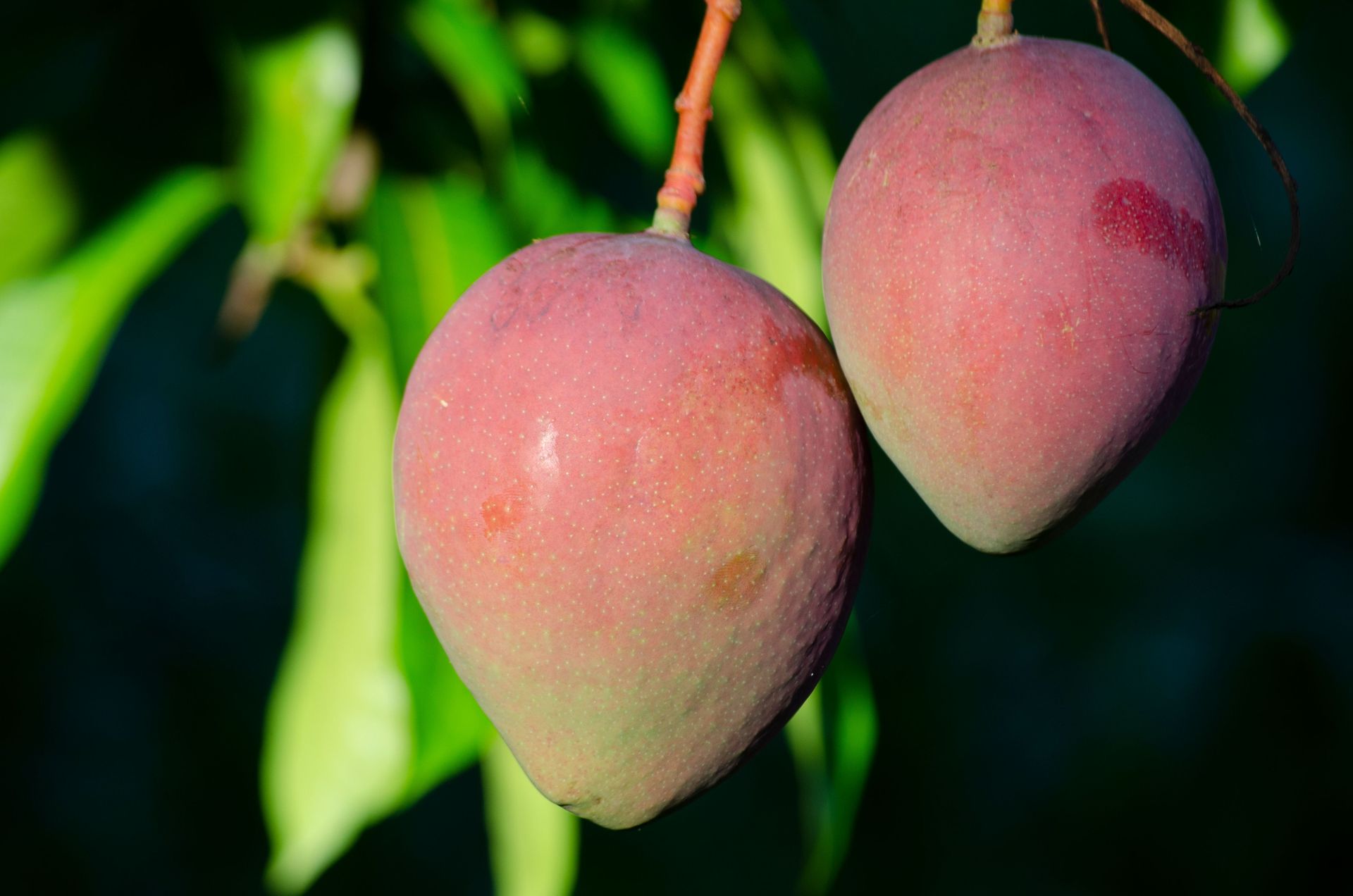
- Mango grafted seedlings
- Tree tomato
- Passion fruit
- Lemon and orange trees
- Macadamia
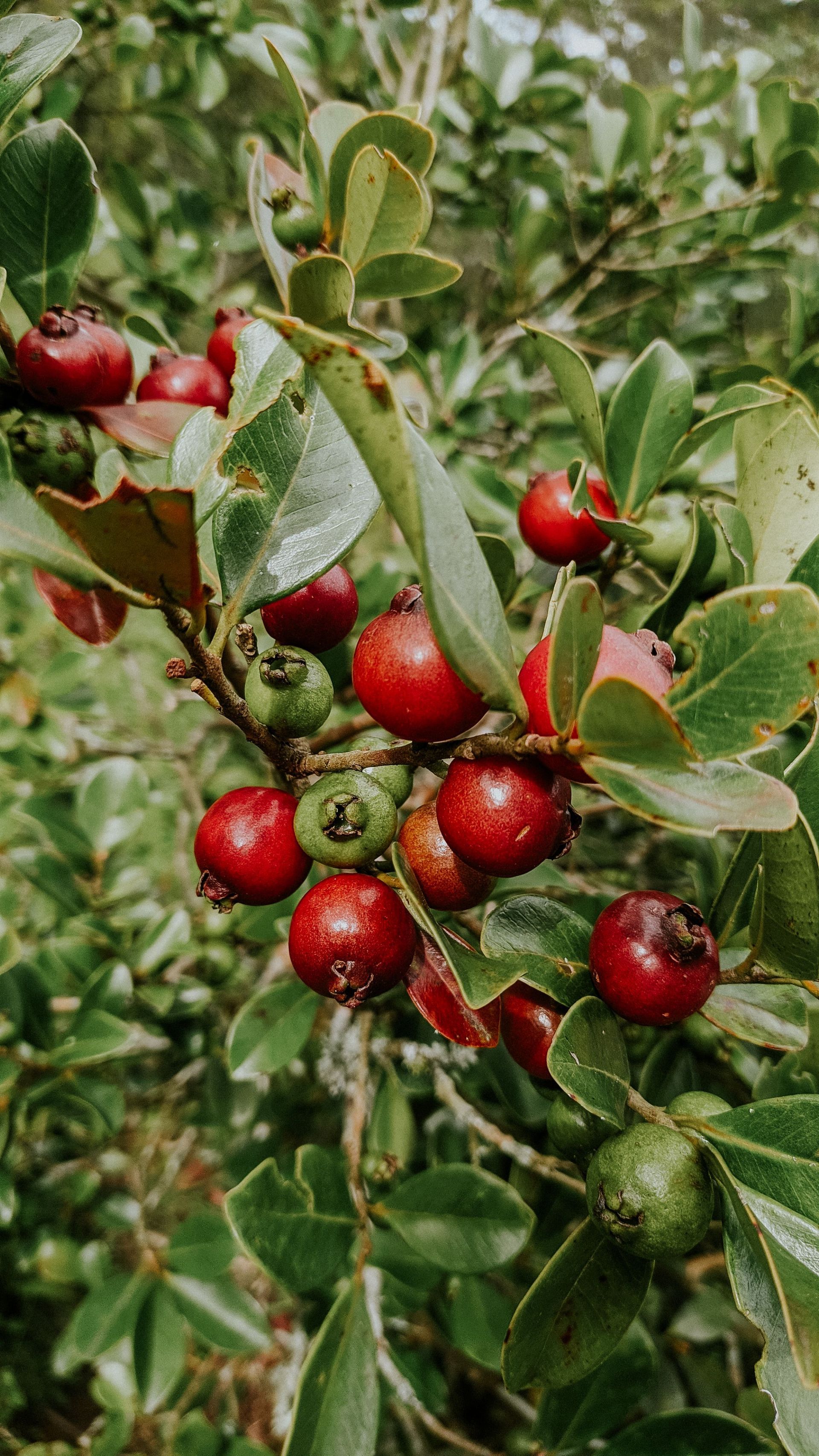
- Guava
Community nurseries have a huge opportunity to supply this growing market.
Seedlink Supports Nursery Entrepreneurs
Through
Seedlink.co.ke, local nursery operators can market:
✅ Indigenous trees
✅ Fruit trees
✅ Ornamental plants
✅ Landscaping trees
✅ Agroforestry seedlings
to buyers across Kenya.
📞 Contact: 0740712579
Environmental Conservation Is Economic Development
One misconception Wangari Maathai challenged was the idea that environmental conservation slows economic growth.
In reality:
Healthy ecosystems support economies.
Forests provide:
- Water catchment protection
- Rainfall regulation
- Carbon storage
- Biodiversity conservation
- Tourism opportunities
- Agricultural productivity
Tree planting also supports:
- Beekeeping
- Fruit farming
- Timber production
- Herbal medicine
- Eco-tourism
- Landscaping businesses
This is why sustainable leadership increasingly prioritizes nature-based economic models.
Organizations investing in sustainability understand that long-term prosperity depends on environmental resilience.
Indigenous Trees and Climate Resilience
Indigenous trees are gaining renewed importance because of their role in:
- Water conservation
- Biodiversity restoration
- Soil stabilization
- Climate adaptation
Examples include:
- Croton
- African olive
- Meru oak
- Elgon teak
- Podo
- Mukima
- Acacia species
These trees often:
- Require less maintenance
- Adapt better to local conditions
- Support local ecosystems
- Improve wildlife habitats
Many restoration programs now prioritize indigenous species over exotic monocultures.
Community nurseries growing indigenous seedlings therefore play a critical role in Africa’s climate future.
🌍 Why Tree Nurseries Matter for Sustainable Leadership
Every successful environmental movement starts at the grassroots.
Community nurseries:
- Create local jobs
- Support restoration efforts
- Improve food security
- Increase tree cover
- Build climate awareness
- Strengthen local economies
They also help communities transition toward green economies.
This aligns directly with Wangari Maathai’s philosophy:
“Little things citizens do matter.”
Organizations investing in sustainability increasingly recognize nurseries as:
- Climate enterprises
- Conservation hubs
- Youth empowerment centers
- Community resilience projects
Technology Is Supporting Environmental Transformation
Modern environmental movements are increasingly powered by technology.
Digital platforms now help:
- Farmers access markets
- Nurseries reach buyers
- Conservation groups coordinate projects
- Communities share climate knowledge
Platforms like Seedlink are helping modernize the nursery sector by increasing visibility and improving market access for local growers.
This creates:
- Better incomes
- Reduced wastage
- Larger tree planting capacity
- Stronger nursery networks
Technology is becoming a major driver of sustainable environmental leadership.
🌱 Grow Your Nursery Business With Seedlink Today
Whether you are:
- A women group
- Youth group
- School nursery
- Community organization
- Small nursery operator
- Agroforestry farmer
you can now connect your seedlings to wider markets.
Sell:
✅ Indigenous trees
✅ Fruit seedlings
✅ Exotic ornamental trees
✅ Bamboo
✅ Medicinal plants
✅ Landscaping plants
through Seedlink.co.ke
Contact Seedlink
📞 0740712579
Together, communities can grow greener economies while restoring the environment.
Conclusion
The legacy of Wangari Maathai continues to influence how organizations approach sustainability, leadership, and community empowerment.
For organizations like FHI 360, investing in sustainable leadership means:
- Empowering communities
- Supporting environmental restoration
- Promoting climate resilience
- Creating economic opportunities
- Building future leaders
At the heart of this vision is a simple but powerful truth:
Communities thrive when nature thrives.
Tree nurseries, indigenous forests, fruit tree farming, and grassroots climate leadership are no longer small local projects — they are central to Africa’s sustainable future.
As climate challenges continue to grow, local communities will remain at the center of environmental transformation.
And just as Wangari Maathai taught the world decades ago, lasting change often begins with planting a single tree.