The Relationship Between African Union ECOSOCC and Wangari Maathai’s Pan-African Vision
Africa’s future will largely depend on how well the continent protects its environment, empowers its local communities, and creates sustainable economic opportunities for future generations. Few individuals embodied this vision more powerfully than Wangari Maathai — the Kenyan environmentalist, democracy advocate, founder of the Green Belt Movement, and the first African woman to win the Nobel Peace Prize.
Her work extended far beyond tree planting. Wangari Maathai believed in a united Africa where communities, governments, youth, women, civil society organizations, and institutions worked together to restore degraded landscapes, protect indigenous knowledge, and create economic dignity through environmental stewardship.
Today, many continental institutions continue advancing these ideals, including the African Union’s Economic, Social and Cultural Council (ECOSOCC). ECOSOCC serves as a bridge between African citizens, civil society organizations, and the African Union, making it one of the most important participatory organs in Africa’s development agenda.
The relationship between ECOSOCC and Wangari Maathai’s Pan-African vision lies in shared values: environmental sustainability, community empowerment, grassroots participation, social justice, and long-term development driven by African people themselves.
Understanding Wangari Maathai’s Pan-African Vision
Wangari Maathai’s philosophy was deeply Pan-African. While she is globally known for founding the Green Belt Movement in Kenya, her ideas spoke to challenges faced across the entire continent.
She believed Africa’s problems could not be solved through top-down systems alone. Instead, communities needed to become active participants in governance, environmental protection, and economic transformation.
Her vision focused on:
- Restoring degraded forests and ecosystems
- Empowering women economically
- Promoting democratic participation
- Preserving indigenous knowledge
- Encouraging climate resilience
- Building sustainable local economies
- Inspiring African youth leadership
- Strengthening community ownership of natural resources
Wangari Maathai repeatedly emphasized that environmental degradation, poverty, corruption, and conflict were interconnected. According to her, sustainable peace in Africa depended on restoring ecological balance and empowering communities.
These same ideals are increasingly reflected within African Union frameworks and ECOSOCC’s engagement strategies.
What is ECOSOCC?
The African Union Economic, Social and Cultural Council (ECOSOCC) is an advisory organ of the African Union established to give civil society organizations a voice in continental development.
ECOSOCC works with:
- Community organizations
- Youth groups
- Women-led organizations
- Environmental groups
- Cultural institutions
- Farmers’ associations
- NGOs
- Professional bodies
- Indigenous community organizations
Its mission aligns strongly with Wangari Maathai’s belief that ordinary Africans must shape Africa’s future.
Rather than development being dictated solely by governments or external actors, ECOSOCC encourages participatory governance where grassroots voices influence continental policy.
This is one of the clearest links between ECOSOCC and Wangari Maathai’s Pan-African ideals.
Seedlink Community Nursery Initiative
Connect Local Tree Nurseries to Bigger Markets
Across Kenya and Africa, thousands of local community nurseries grow:
- Indigenous trees
- Exotic trees
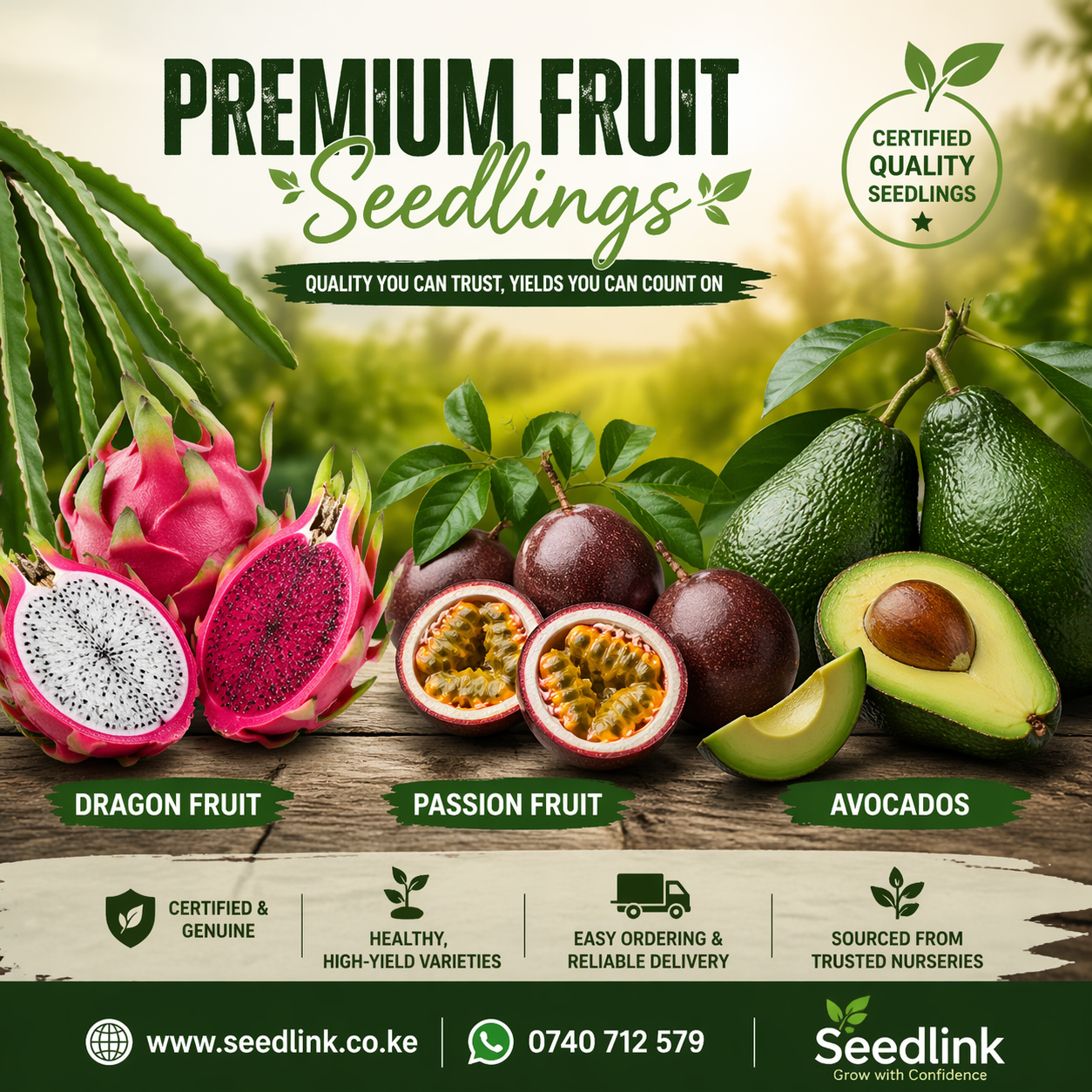
- Fruit seedlings
- Medicinal plants
- Ornamental trees
However, many struggle to access consistent markets despite increasing demand for reforestation and climate restoration projects.
This is where Seedlink comes in.
Seedlink is helping connect local nurseries, farmers, institutions, landscapers, schools, county governments, and environmental projects with quality tree seedlings from trusted community growers.
Seedlink Supports:
- Indigenous tree nurseries
- Fruit tree suppliers
- Women-led nursery groups
- Youth environmental enterprises
- Schools and church nurseries
- Climate restoration projects
Looking to Sell Your Tree Seedlings?
Partner with Seedlink today.
📞 0740712579
🌐
www.seedlink.co.ke
“Grow communities. Restore ecosystems. Create sustainable livelihoods.”
Wangari Maathai’s Environmental Philosophy and Citizen Participation
One of Wangari Maathai’s most revolutionary ideas was simple: ordinary people matter.
She empowered rural women to plant trees, conserve water sources, and protect forests long before climate change became a global political issue.
Her movement demonstrated that environmental restoration could become:
- A source of income
- A form of political empowerment
- A tool for peacebuilding
- A mechanism for food security
- A foundation for climate resilience
Similarly, ECOSOCC recognizes the importance of involving communities in policy implementation.
This alignment is especially important today as Africa faces:
- Deforestation
- Desertification
- Climate migration
- Food insecurity
- Water shortages
- Youth unemployment
Continental institutions increasingly understand that grassroots participation is not optional — it is essential.
Environmental Governance in Africa
Wangari Maathai believed that poor environmental governance contributed directly to poverty and instability.
She criticized:
- Illegal logging
- Land grabbing
- Forest destruction
- Poor urban planning
- Political corruption
- Resource exploitation
Many African Union environmental frameworks now reflect these concerns.
ECOSOCC has increasingly supported initiatives around:
- Climate adaptation
- Sustainable land management
- Community resilience
- Forest restoration
- Green entrepreneurship
- Youth-led environmental innovation
This demonstrates how Wangari Maathai’s ideas continue influencing modern African governance conversations.
Why Indigenous Trees Matter in Africa’s Future
One of Wangari Maathai’s greatest contributions was encouraging the restoration of indigenous ecosystems rather than relying entirely on imported species.
Indigenous trees:
- Improve biodiversity
- Support native wildlife
- Restore water systems
- Adapt better to local climates
- Improve soil fertility
- Strengthen ecological resilience
Today, many African governments, NGOs, and restoration programs are returning to indigenous tree planting initiatives inspired by this philosophy.
Community nurseries now play a central role in climate restoration projects across East Africa.
Seedlink Advertisement
Are You Running a Community Nursery?
Seedlink helps local nurseries access:
- Bulk buyers
- Schools
- Hotels
- Landscapers
- Reforestation projects
- County governments
- Corporate CSR tree planting initiatives
Whether you grow:
- Croton
- Meru Oak
- Mukima
- Neem
- Avocado seedlings
- Mango seedlings
- Macadamia
- Grevillea
- Bamboo
- Indigenous forest trees
Seedlink can help connect you with buyers.
Contact Seedlink
📞 0740712579
🌐
www.seedlink.co.ke
Supporting local nurseries. Supporting Africa’s green future.
Women Empowerment and Environmental Sustainability
Wangari Maathai understood that environmental conservation and women empowerment were deeply connected.
The Green Belt Movement created income opportunities for thousands of women while restoring degraded land.
This model remains highly relevant today.
Across Africa:
- Women manage many agricultural systems
- Women collect water and firewood
- Women often preserve indigenous agricultural knowledge
- Women are disproportionately affected by climate change
ECOSOCC’s inclusive participation structure aligns with Wangari Maathai’s commitment to ensuring women are represented in environmental and development conversations.
Women-led climate enterprises are increasingly shaping Africa’s sustainability economy.
Youth and the Future of Pan-African Environmentalism
Africa has one of the youngest populations in the world.
Wangari Maathai consistently challenged African youth to become:
- Environmental stewards
- Ethical leaders
- Innovators
- Community mobilizers
ECOSOCC similarly promotes youth engagement in policy, governance, and sustainability initiatives.
Today, young Africans are leading:
- Tree planting campaigns
- Climate tech startups
- Green agribusiness
- Waste recycling ventures
- Sustainable landscaping enterprises
- Urban greening projects
This emerging green economy reflects the long-term vision Wangari Maathai advocated decades ago.
Climate Change and Africa’s Responsibility
Although Africa contributes relatively little to global carbon emissions, the continent faces severe climate impacts.
These include:
- Droughts
- Flooding
- Crop failures
- Desertification
- Water shortages
- Displacement
Wangari Maathai warned early about the consequences of environmental neglect.
She argued that Africa must not simply wait for external intervention but should develop homegrown environmental solutions rooted in community participation.
ECOSOCC’s advocacy for local engagement supports this philosophy by encouraging civil society-led climate action.
Seedlink Environmental Marketplace
Building Africa’s Largest Indigenous Tree Marketplace
As governments, NGOs, corporates, and institutions invest heavily in tree planting, there is growing demand for reliable tree seedling suppliers.
Seedlink is helping bridge this gap by connecting:
- Community nurseries
- Indigenous tree growers
- Fruit tree propagators
- Environmental restoration projects
- Buyers seeking quality seedlings
Perfect for:
- Schools
- Churches
- CSR tree planting
- Agroforestry projects
- Landscaping firms
- Climate NGOs
- County greening projects
If you run a nursery and want market access, Seedlink can help you grow your business.
📞 0740712579
🌐
Seedlink Kenya
Together we can restore Africa — one tree at a time.
Pan-Africanism Beyond Politics
Wangari Maathai’s Pan-Africanism was not limited to political unity.
She envisioned:
- Ecological unity
- Shared environmental responsibility
- Cross-border conservation
- Community solidarity
- Indigenous knowledge exchange
This is increasingly important as African countries collaborate on:
- The Great Green Wall Initiative
- Congo Basin protection
- Regional climate adaptation
- Water resource management
- Biodiversity conservation
ECOSOCC provides an important platform for civil society organizations across Africa to collaborate on these issues.
Sustainable Development Through Local Economies
Wangari Maathai believed sustainability must improve people’s lives economically.
Environmental restoration cannot succeed if communities remain trapped in poverty.
This is why:
- Community nurseries
- Agroforestry enterprises
- Fruit tree farming
- Indigenous seed banks
- Sustainable landscaping
- Green entrepreneurship
are becoming central to Africa’s green transition.
Organizations like Seedlink help operationalize this vision by turning environmental restoration into economic opportunity.
This creates a sustainable model where conservation and livelihoods support each other.
Lessons Africa Can Learn from Wangari Maathai Today
Even years after her passing, Wangari Maathai’s ideas remain profoundly relevant.
Africa still faces:
- Rapid urbanization
- Deforestation
- Climate shocks
- Governance challenges
- Youth unemployment
Her legacy teaches several important lessons:
1. Communities Matter
Lasting environmental solutions begin at grassroots level.
2. Trees Are Economic Assets
Tree planting creates jobs, restores ecosystems, and strengthens food systems.
3. Women Are Critical to Sustainability
Women-led environmental initiatives often create lasting impact.
4. Youth Must Lead the Future
Africa’s environmental future depends heavily on young innovators.
5. African Solutions Must Be Homegrown
Sustainability models must align with local realities and indigenous knowledge.
The Future of ECOSOCC and Africa’s Green Transformation
As climate change accelerates, ECOSOCC will likely play an even more important role in:
- Citizen engagement
- Environmental advocacy
- Youth mobilization
- Civil society collaboration
- Climate governance
- Sustainable economic development
Its work reflects many of Wangari Maathai’s long-standing ideals around participatory leadership and environmental justice.
The growing emphasis on local solutions, grassroots engagement, and sustainability across Africa suggests that her Pan-African environmental vision continues to shape the continent’s future.
Final Thoughts
The relationship between ECOSOCC and Wangari Maathai’s Pan-African vision is rooted in a shared understanding that Africa’s future depends on empowered communities, environmental stewardship, and participatory governance.
Wangari Maathai demonstrated that ordinary citizens could transform landscapes, influence policy, and inspire global change.
Today, institutions like ECOSOCC continue creating platforms where African communities, youth, women, and civil society organizations contribute actively to shaping the continent’s development agenda.
At the same time, innovative platforms like Seedlink are helping turn environmental restoration into economic opportunity by connecting local tree nurseries with growing market demand for indigenous, exotic, and fruit tree seedlings.
Africa’s green future will not be built by governments alone. It will be built by communities planting trees, restoring ecosystems, protecting indigenous knowledge, and creating sustainable livelihoods for generations to come.