How Comic Relief Supports Grassroots Environmental Change in Africa

Africa is at the center of the global climate conversation. From prolonged droughts in East Africa to deforestation in the Congo Basin and flooding in Southern Africa, communities across the continent are experiencing the direct effects of environmental degradation. Yet amid these challenges, local communities continue to develop innovative, practical, and people-driven solutions to restore ecosystems and secure livelihoods.
One organization that has consistently supported grassroots environmental action across Africa is Comic Relief. Known globally for funding social justice and poverty reduction initiatives, Comic Relief has increasingly invested in climate resilience, sustainable agriculture, women-led conservation initiatives, and community-centered environmental restoration projects.
The organization’s approach aligns closely with the philosophy championed by Wangari Maathai — that environmental conservation works best when local communities are empowered economically and socially.
Across Africa, grassroots environmental initiatives are helping restore forests, improve food security, protect biodiversity, and create green jobs for youth and women. One of the most important emerging sectors within this movement is community tree nurseries.
These nurseries are becoming powerful tools for environmental restoration and income generation.
The Rise of Community Tree Nurseries in Africa
Community tree nurseries have become essential in addressing climate change and environmental degradation. Local groups, women’s associations, schools, churches, and youth organizations are increasingly propagating:
- Indigenous trees
- Fruit trees
- Medicinal trees
- Ornamental plants
- Agroforestry seedlings
- Exotic timber trees
These nurseries help communities restore degraded landscapes while generating income from seedling sales.
However, one major challenge continues to limit their growth: market access.
Many community nurseries produce thousands of quality seedlings but struggle to connect with buyers such as:
- Real estate developers
- Schools
- County governments
- NGOs
- Hotels and resorts
- Landscaping companies
- Farmers
- Conservation organizations
This is where digital platforms and market-linkage initiatives become critical.
Seedlink: Connecting Local Nurseries to Ready Markets
🌱 Seedlink — Empowering Green Entrepreneurs Across Kenya
If Africa is to achieve meaningful environmental restoration, local nurseries must become sustainable businesses.
That is why platforms like Seedlink are becoming important players in the green economy.
Seedlink helps connect:
- Community nurseries
- Indigenous tree growers
- Fruit tree propagators
- Agroforestry seedling suppliers
- Exotic tree nurseries
with verified buyers across Kenya and beyond.
Why This Matters
Most grassroots nursery operators have:
- Limited online visibility
- No structured marketing channels
- Poor access to institutional buyers
- Difficulty scaling operations
Seedlink bridges this gap by helping communities access wider markets for their seedlings.
Popular Seedlings in Demand
Some of the most sought-after trees include:
Indigenous Trees
- Croton
- Meru Oak
- Mukima
- Elgon Teak
- Podo
- African Olive
- Prunus Africana
Fruit Trees
- Hass Avocado
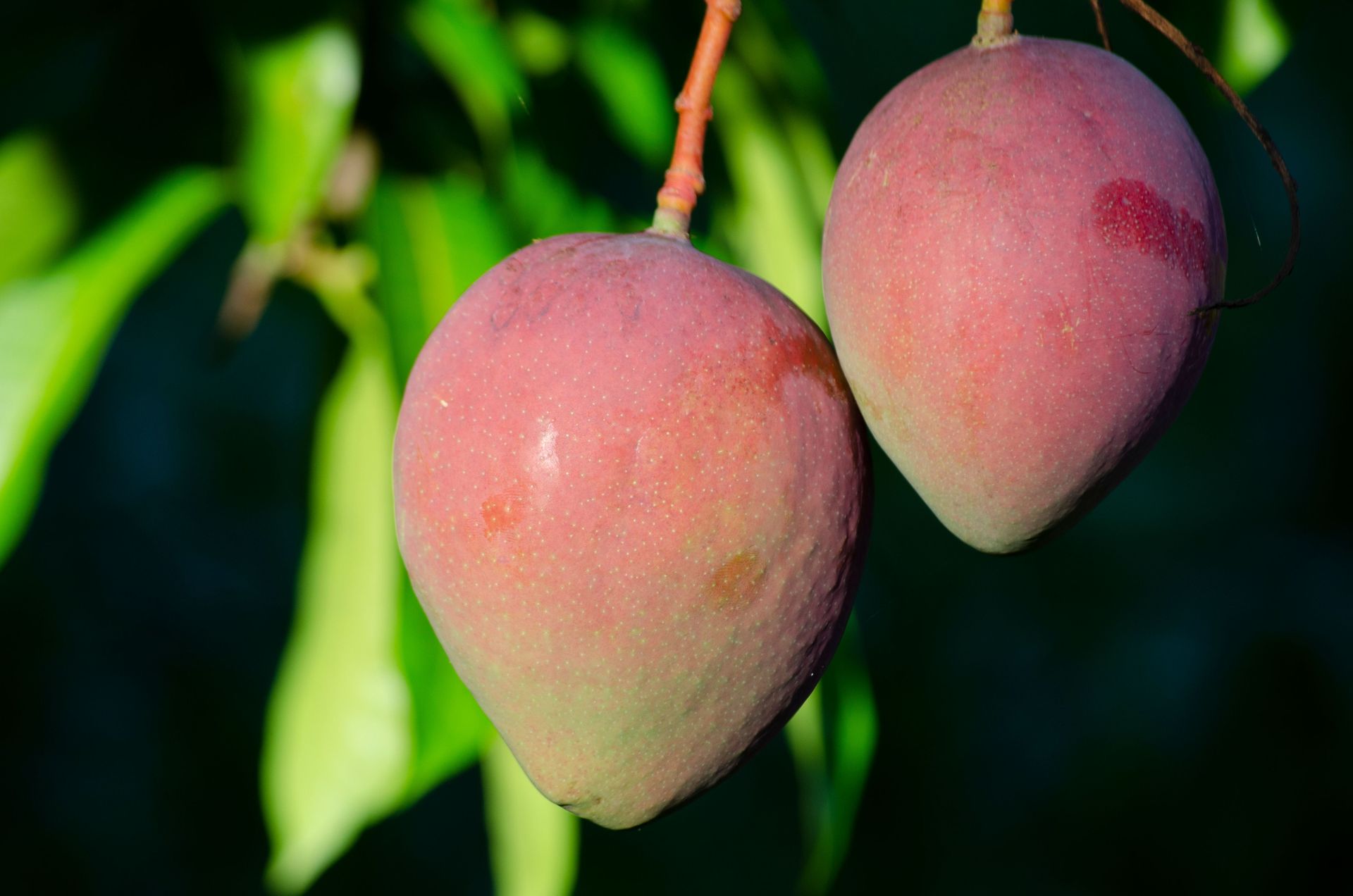
- Mango
- Tree Tomato
- Lemon
- Passion Fruit
- Loquat
- Macadamia
Exotic Trees
- Cypress
- Grevillea
- Eucalyptus
- Pine
📞 Contact Seedlink:
0740712579
🌐 Website:
www.seedlink.co.ke
Comic Relief and Grassroots Climate Action
Comic Relief’s support for environmental programs focuses heavily on vulnerable communities.
Rather than imposing external solutions, the organization often supports:
- Community-led restoration
- Women-led environmental enterprises
- Youth climate innovation
- Agroecology projects
- Climate-smart agriculture
- Indigenous conservation knowledge
This model recognizes that communities living closest to forests, rivers, and ecosystems are often the best custodians of the environment.
Across Africa, several organizations supported through grants and partnerships have implemented projects involving:
- Tree planting campaigns
- Wetland restoration
- Community forestry
- Sustainable livelihoods
- Environmental education
These initiatives not only restore ecosystems but also reduce poverty.
Women at the Center of Environmental Restoration
One of the most powerful lessons from Wangari Maathai’s work was the connection between women’s empowerment and environmental sustainability.
Many grassroots environmental projects supported by development partners today continue to prioritize women.
Why?
Because women are often responsible for:
- Water collection
- Firewood gathering
- Household food production
- Family nutrition
Environmental degradation affects them directly.
Community nurseries provide women with:
- Income opportunities
- Financial independence
- Leadership roles
- Climate resilience
- Agricultural diversification
In Kenya, Uganda, Tanzania, Rwanda, and Ethiopia, women-led nursery groups are producing thousands of seedlings annually.
These groups often require:
- Better access to buyers
- Technical training
- Seed supply networks
- Irrigation support
- Marketing platforms
Seedlink and the Future of Green Entrepreneurship
Africa’s green economy cannot thrive without efficient market systems.
Platforms like Seedlink are helping transform small nursery operators into scalable green enterprises.
Benefits of Digital Nursery Marketplaces
1. Expanded Market Reach
Nurseries can access clients beyond their immediate location.
2. Better Pricing
Direct market access reduces exploitation by middlemen.
3. Increased Tree Survival Rates
Professional buyers often demand higher quality seedlings, encouraging better nursery management.
4. Youth Employment
Young people can participate in:
- Tree propagation
- Delivery logistics
- Landscaping
- Agroforestry consulting
- Digital marketing
5. Climate Restoration
More tree planting means:
- Improved soil conservation
- Carbon sequestration
- Biodiversity restoration
- Watershed protection
The Role of Indigenous Trees in Climate Resilience
One of the biggest shifts happening in environmental restoration is the renewed interest in indigenous trees.
Unlike some fast-growing exotic species, indigenous trees:
- Support local biodiversity
- Require less maintenance
- Improve water retention
- Support pollinators
- Restore natural ecosystems
Communities across Kenya are increasingly planting species such as:
- Mugumo
- Mukinduri
- Croton
- African Olive
- Muringa
- Meru Oak
These trees are becoming important in:
- Riparian restoration
- Agroforestry systems
- Urban greening
- School greening programs
🌳 Looking for Indigenous or Fruit Trees?
Buy Quality Seedlings Through Seedlink
Whether you are:
- A farmer
- School
- Hotel
- County government
- NGO
- Real estate developer
- Church
- Landscape architect
You can source quality seedlings from trusted local nurseries through Seedlink.
Available categories include:
- Indigenous trees
- Fruit trees
- Ornamental plants
- Bamboo seedlings
- Agroforestry trees
- Medicinal trees
📞 Call/WhatsApp:
0740712579
🌐 Visit:
Seedlink Kenya
Support local communities while restoring the environment.
Youth and the Green Economy
Africa has one of the youngest populations in the world.
Environmental restoration presents a major opportunity for youth employment through:
- Tree nursery businesses
- Landscaping
- Climate-smart farming
- Carbon projects
- Eco-tourism
- Organic farming
- Urban greening
Comic Relief-supported programs and similar grassroots initiatives often prioritize youth engagement because climate change disproportionately affects younger generations.
Tree nursery enterprises can be started with relatively low capital yet have significant economic potential.
Young entrepreneurs are now combining:
- Technology
- Agriculture
- Environmental conservation
- E-commerce
to create sustainable green businesses.
Challenges Facing Grassroots Environmental Projects
Despite growing momentum, several challenges remain.
1. Limited Funding
Many community projects lack consistent financing.
2. Climate Variability
Droughts and floods affect seedling survival.
3. Weak Market Systems
Many nursery operators struggle to find buyers.
4. Limited Technical Knowledge
Proper nursery management requires training.
5. Land Degradation
Communities often work in severely degraded landscapes.
This is why partnerships between:
- NGOs
- Governments
- Private sector platforms
- Development agencies
- Community groups
remain essential.
Technology as a Tool for Environmental Restoration
Technology is increasingly transforming grassroots conservation efforts.
Today, communities can:
- Sell seedlings online
- Access digital training
- Receive mobile payments
- Monitor tree growth
- Connect with buyers through social media
Digital platforms like Seedlink are making environmental entrepreneurship more scalable and efficient.
The future of climate action in Africa will likely depend on:
- Community participation
- Technology adoption
- Youth innovation
- Sustainable financing
Why Local Communities Matter Most
One of the greatest mistakes in environmental conservation has been excluding local communities from decision-making.
Grassroots restoration works because communities:
- Understand local ecosystems
- Have traditional environmental knowledge
- Depend directly on natural resources
- Can maintain projects long-term
Organizations like Comic Relief continue supporting initiatives that place communities at the center of environmental action.
This community-first approach creates:
- Ownership
- Accountability
- Sustainability
- Long-term environmental impact
🌿 Grow Trees. Restore Ecosystems. Build Communities.
Partner With Seedlink Today
Seedlink is helping build stronger environmental supply chains by connecting local tree nurseries with buyers across Kenya.
Whether you operate:
- A women-led nursery
- A youth environmental group
- A school nursery
- A church-based conservation project
- A commercial tree nursery
Seedlink can help you access wider markets.
Seedlings in High Demand:
✅ Indigenous trees
✅ Fruit trees
✅ Ornamental flowers
✅ Bamboo
✅ Shade trees
✅ Medicinal plants
✅ Exotic timber trees
📞 Mobile:
0740712579
🌐 Website:
www.seedlink.co.ke
Support grassroots conservation while empowering local communities economically.
The Future of Grassroots Environmental Change in Africa
The future of Africa’s environmental restoration movement lies in empowering local people.
Large-scale climate solutions will only succeed when communities are:
- Included
- Supported
- Funded
- Connected to markets
Grassroots environmental action is no longer just about conservation.
It is about:
- Jobs
- Food security
- Climate resilience
- Women empowerment
- Youth entrepreneurship
- Sustainable livelihoods
Organizations like Comic Relief continue playing a valuable role in supporting community-centered environmental initiatives across Africa.
At the same time, innovative platforms like Seedlink are helping bridge the gap between conservation and economic opportunity by creating sustainable markets for indigenous, exotic, and fruit tree seedlings.
When local communities can earn income from environmental restoration, conservation becomes sustainable.
And when sustainability becomes profitable, entire ecosystems — and economies — begin to thrive