The Contribution of Clinton Climate Initiative to Wangari Maathai-Inspired Climate Action

Climate action in Africa has increasingly become a conversation about people, trees, sustainability, and community resilience. Few individuals symbolize this intersection more powerfully than Wangari Maathai, whose environmental activism transformed global discussions around conservation, women empowerment, and sustainable development. Her vision inspired organizations, governments, and global initiatives to rethink how communities engage with the environment.
One of the global institutions whose climate-focused work aligns closely with Wangari Maathai’s environmental philosophy is the Clinton Climate Initiative. Through sustainable urban development, clean energy advocacy, forest restoration support, and climate resilience programs, the initiative has contributed significantly to the broader movement that Wangari Maathai championed for decades.
Today, as climate change intensifies across Africa, there is growing recognition that restoring ecosystems, empowering local communities, and investing in indigenous tree planting are not optional—they are necessary. Kenya, in particular, has emerged as a leader in tree restoration and climate-smart development, largely because of the foundation laid by Wangari Maathai and institutions inspired by her legacy.
Wangari Maathai’s Environmental Legacy
Before exploring the role of the Clinton Climate Initiative, it is important to understand the environmental philosophy that Wangari Maathai championed.
Wangari Maathai founded the Green Belt Movement in 1977 with a simple but revolutionary idea: communities could fight poverty and environmental degradation simultaneously by planting trees.
At the time, Kenya was facing:
- Rapid deforestation
- Soil erosion
- Water scarcity
- Loss of biodiversity
- Rural poverty
- Food insecurity
Her solution focused on empowering ordinary citizens—especially women—to become environmental custodians through tree planting initiatives.
Over the decades, the movement:
- Planted millions of trees
- Restored degraded ecosystems
- Empowered rural women economically
- Encouraged civic participation
- Promoted indigenous biodiversity
Today, Wangari Maathai’s model remains one of the most successful examples of community-led climate action globally.
Understanding the Clinton Climate Initiative
The Clinton Climate Initiative works globally to help governments, communities, and institutions implement practical climate solutions.
The initiative focuses on:
- Renewable energy
- Sustainable cities
- Climate resilience
- Forest restoration
- Sustainable agriculture
- Green infrastructure
- Reducing greenhouse gas emissions
Although operating on a global scale, many of its principles align strongly with Wangari Maathai’s grassroots approach to climate resilience.
The organization recognizes that climate change is not merely an environmental issue—it is also a social and economic challenge affecting livelihoods, health, water systems, and food production.
This mirrors Wangari Maathai’s long-standing belief that:
“The environment and the economy are really both two sides of the same coin.”
Seedlink Community Nursery Spotlight
Connecting Local Tree Nurseries to Ready Markets
Across Kenya, thousands of community nurseries grow:
- Indigenous trees
- Exotic trees
- Fruit seedlings
- Ornamental plants
- Agroforestry seedlings
However, many struggle to find consistent buyers.
This is where Seedlink comes in.
Seedlink helps connect:
- Community tree nurseries
- Farmers
- Schools
- NGOs
- County governments
- Landscaping companies
- Environmental restoration projects
Whether you are growing:
- Croton
- Mukima
- Meru Oak
- Bamboo
- Avocado seedlings
- Mango grafts
- Grevillea
- Cypress
- Terminalia
- Indigenous medicinal trees
Seedlink helps create visibility and market access for your nursery.
Contact Seedlink
- Website: www.seedlink.co.ke
- Mobile: 0740712579
Climate Action Through Community Empowerment
One of the strongest connections between Wangari Maathai’s work and the Clinton Climate Initiative is their shared emphasis on community participation.
Top-down environmental programs often fail because they exclude local communities from:
- Decision-making
- Ownership
- Economic benefits
Wangari Maathai understood that successful climate action begins at the grassroots.
Similarly, the Clinton Climate Initiative promotes:
- Inclusive sustainability planning
- Community-centered adaptation
- Local economic empowerment
- Climate-smart livelihoods
This approach has become increasingly important in Kenya where:
- Rural communities face prolonged droughts
- Forest cover remains under pressure
- Urban expansion threatens biodiversity
- Climate variability affects agriculture
Community tree nurseries now play a critical role in:
- Carbon sequestration
- Watershed restoration
- Agroforestry
- Urban greening
- Biodiversity conservation
Why Indigenous Trees Matter in Climate Restoration
One of Wangari Maathai’s key environmental teachings was the importance of indigenous biodiversity.
Indigenous trees:
- Adapt better to local climates
- Support native wildlife
- Improve soil health
- Require less maintenance
- Enhance water retention
- Strengthen ecosystem resilience
Organizations aligned with climate restoration goals increasingly prioritize indigenous species for reforestation projects.
Examples include:
- African Olive
- Croton megalocarpus
- Prunus africana
- East African Yellowwood
- Markhamia lutea
- Elgon teak
The growing demand for indigenous seedlings presents a major economic opportunity for local nurseries across Kenya.
Seedlink Advertisement Feature
Grow Trees. Restore Ecosystems. Build Community Wealth.
Are you running a local nursery?
Do you grow:
- Indigenous tree seedlings?
- Fruit trees?
- Bamboo?
- Ornamental plants?
- Agroforestry seedlings?
Seedlink helps local nurseries access:
- New customers
- Institutional buyers
- Schools
- Corporate tree planting projects
- NGOs
- Government restoration programs
Why List Your Nursery With Seedlink?
✔ Increased visibility
✔ Direct buyer connections
✔ Support for community-based nurseries
✔ Promotion of indigenous tree conservation
✔ Access to climate restoration markets
Contact Seedlink Today
📞 0740712579
🌐
www.seedlink.co.ke
Urban Climate Solutions and Green Cities
The Clinton Climate Initiative has also contributed significantly to sustainable urban planning.
Cities across Africa face:
- Rising temperatures
- Air pollution
- Flooding
- Heat islands
- Loss of green spaces
Urban tree planting programs inspired by Wangari Maathai’s legacy now play a major role in:
- Cooling cities
- Improving air quality
- Reducing flooding
- Beautifying urban environments
- Increasing mental wellness
Kenyan counties increasingly invest in:
- Urban parks
- Riparian restoration
- Green corridors
- Public tree planting campaigns
Community nurseries have become key suppliers for these projects.
This creates a direct economic opportunity for:
- Youth groups
- Women groups
- Farmer cooperatives
- Community environmental organizations
Climate Change and Food Security
Another major connection between Wangari Maathai-inspired climate action and the Clinton Climate Initiative lies in food security.
Climate change continues to disrupt:
- Rainfall patterns
- Crop yields
- Water availability
- Livestock production
Agroforestry has emerged as one of the most effective climate adaptation strategies.
Planting fruit trees alongside crops helps:
- Improve nutrition
- Increase household income
- Reduce soil erosion
- Improve microclimates
- Diversify farm production
Fruit trees such as:
- Avocado
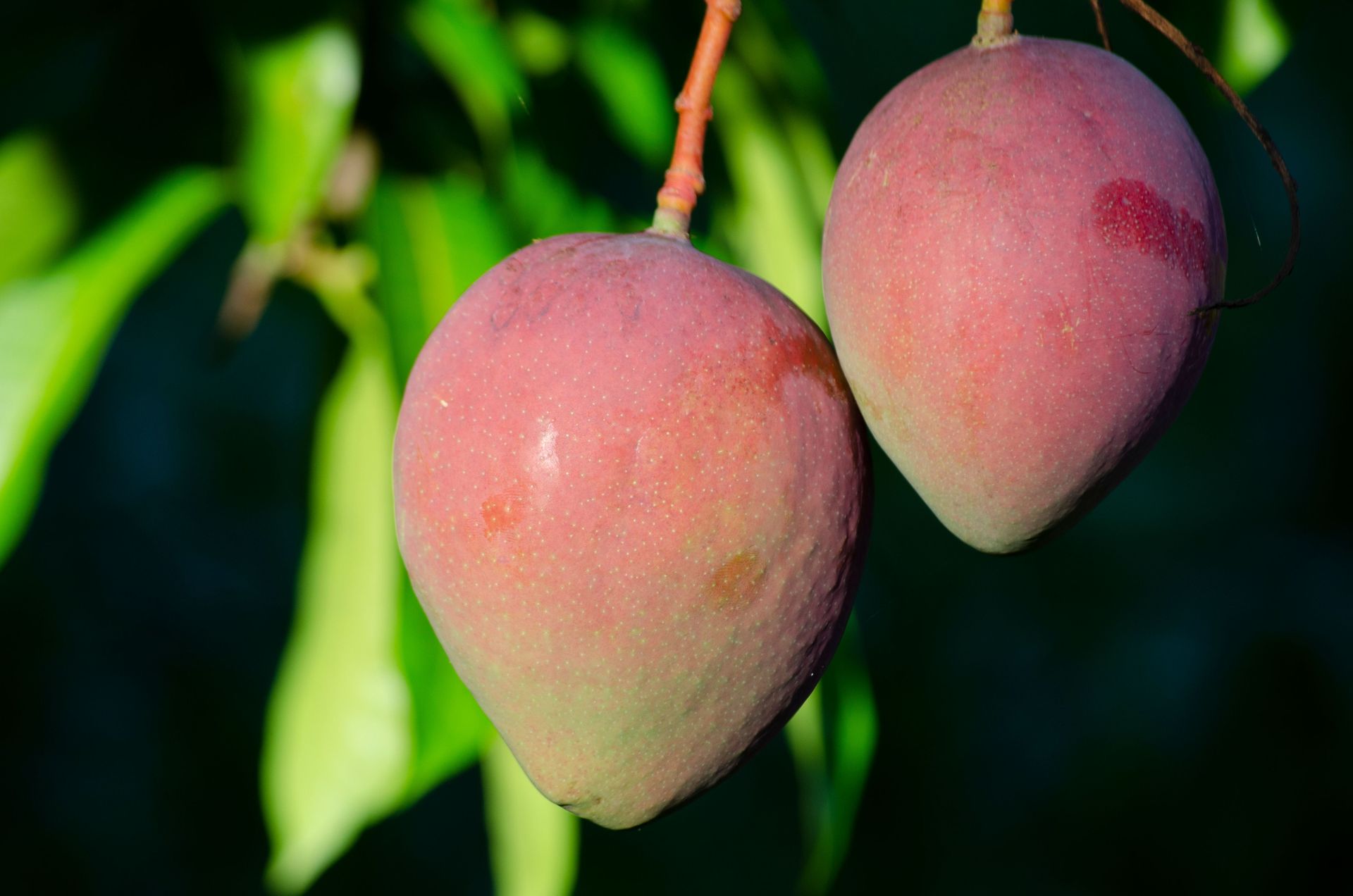
- Mango
- Citrus
- Macadamia
- Tree tomato
- Passion fruit
are increasingly becoming part of climate-smart agricultural systems.
Seedlink Farmers & Nurseries Promotion
Market Your Fruit Tree Seedlings With Seedlink
The demand for fruit tree seedlings in Kenya continues to rise due to:
- Climate-smart farming
- Commercial orchards
- School greening programs
- Urban gardening
- NGO restoration projects
Seedlink supports nurseries growing:
- Avocado seedlings
- Mango grafts
- Citrus trees
- Macadamia seedlings
- Tree tomato seedlings
- Passion fruit vines
By connecting growers directly to buyers.
Seedlink Helps Local Nurseries:
✔ Reach institutional buyers
✔ Market online
✔ Increase sales
✔ Expand distribution networks
✔ Participate in restoration programs
Get Started
📞 0740712579
🌐
Seedlink Kenya
Women and Youth in Climate Action
Wangari Maathai consistently emphasized the role of women in environmental stewardship.
Today:
- Women-led nurseries
- Youth climate groups
- Community forest associations
- Local conservation startups
are driving climate resilience across Kenya.
The Clinton Climate Initiative’s broader sustainability philosophy also recognizes that:
- Climate resilience requires social inclusion
- Economic empowerment strengthens adaptation
- Local innovation matters
This has encouraged more partnerships with:
- Grassroots organizations
- Youth-led environmental enterprises
- Community conservation programs
Many young Kenyans now see tree nurseries not just as conservation projects—but also as viable businesses.
Carbon Markets and Tree Planting Opportunities
The global rise of carbon markets presents another major opportunity for African communities.
Governments and corporations are increasingly investing in:
- Carbon offsets
- Tree restoration
- Regenerative agriculture
- Biodiversity protection
This has increased demand for:
- Indigenous tree seedlings
- Large-scale nursery production
- Community restoration partnerships
Kenya’s ambitious national tree planting goals are also creating substantial demand for quality seedlings.
This creates opportunities for:
- Local nurseries
- Farmer groups
- County governments
- Climate startups
to participate in large-scale restoration economies.
Seedlink Climate Restoration Feature
Seedlink Supports Kenya’s Tree Growing Movement
Kenya’s environmental future depends on:
- Strong community nurseries
- Indigenous biodiversity
- Sustainable seedling production
- Market access for growers
Seedlink is helping bridge the gap between:
🌱 Tree growers
🌱 Restoration projects
🌱 Institutional buyers
🌱 Environmental NGOs
🌱 Schools and counties
Whether you grow:
- Indigenous seedlings
- Bamboo
- Fruit trees
- Ornamental trees
- Medicinal trees
Seedlink helps your nursery connect with real buyers.
Join the Growing Network
📞 0740712579
🌐
www.seedlink.co.ke
Lessons From Wangari Maathai for Modern Climate Action
As climate discussions become more globalized and technology-driven, Wangari Maathai’s teachings remain remarkably relevant.
Her legacy reminds us that:
- Climate action must involve communities
- Environmental restoration creates livelihoods
- Trees are economic assets
- Women are central to sustainability
- Biodiversity matters
- Grassroots participation is essential
The Clinton Climate Initiative’s global sustainability programs reinforce many of these principles through practical climate partnerships and ecosystem-focused development strategies.
Together, these ideas continue to influence:
- Conservation policy
- Urban sustainability
- Climate-smart agriculture
- Reforestation programs
- Community resilience initiatives
The Future of Community-Led Climate Restoration in Kenya
Kenya is increasingly becoming a continental leader in:
- Tree restoration
- Climate innovation
- Community conservation
- Green entrepreneurship
This momentum presents enormous opportunities for:
- Local nurseries
- Youth-led agribusinesses
- Women groups
- Indigenous seed banks
- Agroforestry enterprises
The future of climate action will depend heavily on localized solutions rooted in:
- Community ownership
- Ecological restoration
- Sustainable livelihoods
Organizations inspired by Wangari Maathai’s vision—and supported by global climate actors such as the Clinton Climate Initiative—continue to show that environmental restoration is not only possible, but economically transformative.
Conclusion
The environmental philosophy pioneered by Wangari Maathai continues to shape global climate action decades later. Through grassroots empowerment, tree planting, biodiversity conservation, and sustainable development, her legacy has become a blueprint for climate resilience across Africa.
The Clinton Climate Initiative contributes to this broader movement by supporting climate-smart systems, sustainable infrastructure, and ecosystem restoration efforts that align with Maathai’s community-driven environmental principles.
At the center of this movement are local communities and nurseries producing the trees needed to restore ecosystems and build climate resilience.
Platforms like Seedlink are now helping bridge the gap between local growers and restoration markets—ensuring that indigenous trees, fruit seedlings, and community nurseries become part of Africa’s growing green economy.
Seedlink Contacts
📞 0740712579
🌐
www.seedlink.co.ke