How University of Copenhagen Partners in Environmental Research Linked to Wangari Maathai’s Vision
Environmental conservation in Africa has evolved from a grassroots movement into a globally recognized development priority. Across the continent, institutions, researchers, climate experts, and environmental organizations are increasingly collaborating to restore degraded landscapes, protect biodiversity, and empower local communities through sustainable environmental practices. At the heart of this transformation lies the enduring vision of the late Wangari Maathai — a woman who demonstrated that environmental restoration, women empowerment, and community development are deeply interconnected.
Today, global academic institutions such as University of Copenhagen continue advancing research that aligns closely with Wangari Maathai’s ideals. Through climate research, forestry innovation, biodiversity conservation, agroforestry studies, and sustainable land restoration initiatives, the University of Copenhagen has become an important contributor to global environmental sustainability conversations affecting Africa and beyond.
As climate change intensifies and urbanization expands rapidly across Africa, partnerships between universities, local communities, environmental foundations, and indigenous tree nurseries are becoming more essential than ever.
Wangari Maathai’s Vision: Trees, Communities, and Sustainability
When Wangari Maathai founded the Green Belt Movement in 1977, her mission extended beyond planting trees. She understood that environmental degradation directly contributed to poverty, food insecurity, and social instability.
Her vision centered around:
- Restoring indigenous forests
- Protecting watersheds
- Empowering women economically
- Encouraging community-led conservation
- Promoting sustainable agriculture
- Building climate resilience
Today, these same pillars form the foundation of many environmental research programs across universities globally, including the University of Copenhagen.
The institution has become known for its research in:
- Climate adaptation
- Forest ecology
- Sustainable food systems
- Agroforestry
- Urban greening
- Biodiversity conservation
- Ecosystem restoration
Many of these research themes directly mirror Wangari Maathai’s long-term environmental vision for Africa.
Seedlink: Connecting Community Tree Nurseries to a Wider Market
Across Kenya and Africa, thousands of local nurseries are growing indigenous trees, ornamental plants, fruit trees, medicinal plants, and exotic seedlings that are essential for environmental restoration.
However, one major challenge remains:
Market access.
Many local nursery owners struggle to connect with:
- Schools
- Real estate developers
- Hotels
- County governments
- NGOs
- Landscape companies
- Environmental organizations
- Homeowners
- Climate restoration projects
This is where Seedlink comes in.
Seedlink is helping bridge the gap between local community nurseries and customers seeking quality seedlings for:
- Indigenous tree planting
- Fruit farming
- Landscaping
- Agroforestry
- Reforestation projects
- Urban greening
- Commercial horticulture
Why Seedlink Matters
Seedlink empowers local communities by:
- Providing visibility to nursery operators
- Creating digital market access
- Supporting environmental restoration
- Promoting indigenous biodiversity
- Encouraging fruit tree adoption
- Supporting climate-smart agriculture
Popular Seedlings Available Through Seedlink
- Croton trees
- Meru oak
- African olive
- Bamboo
- Terminalia mantaly
- Jacaranda
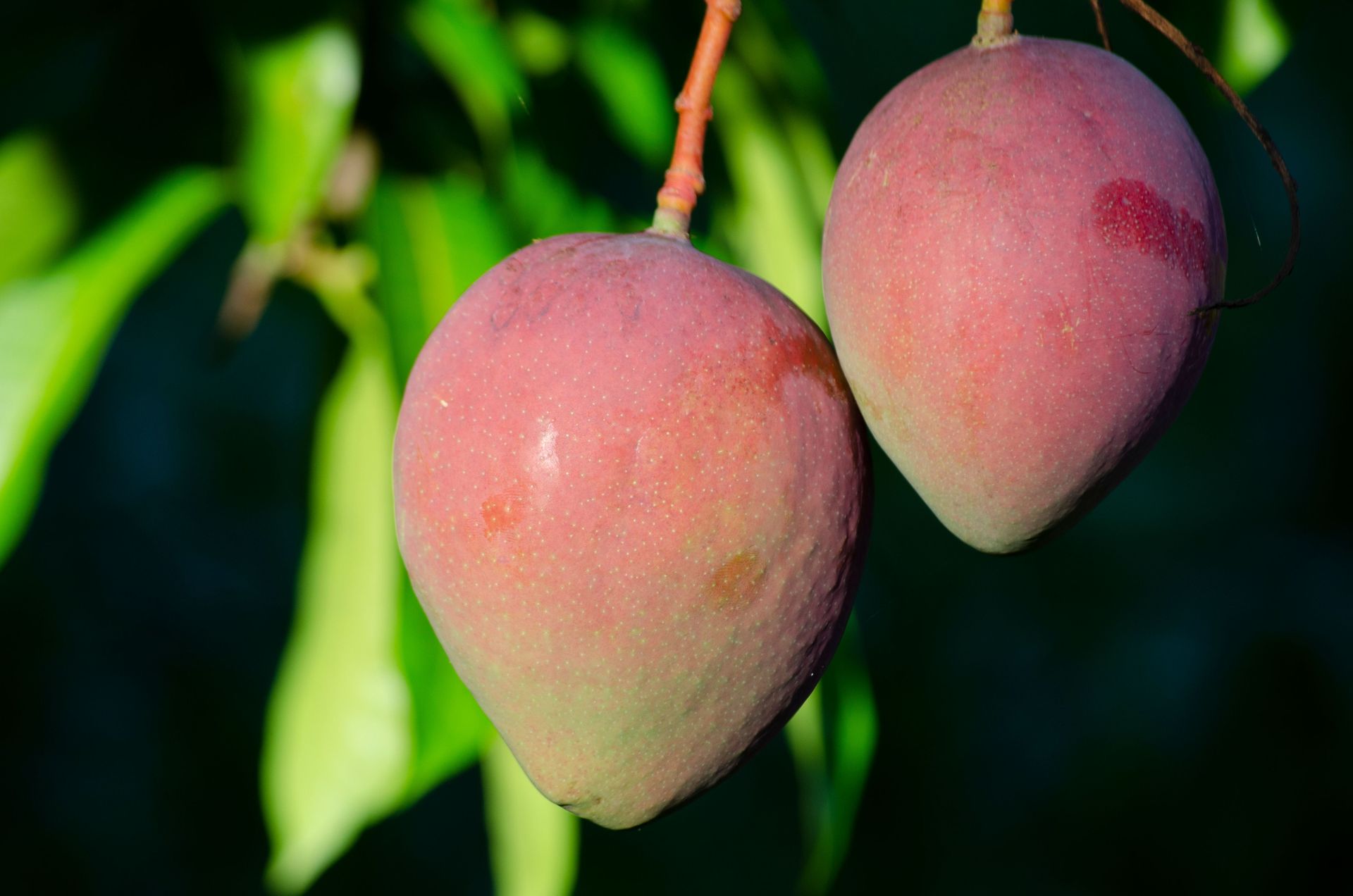
- Mango trees
- Avocado seedlings
- Macadamia trees
- Tree tomatoes
- Lemon seedlings
- Cypress
- Gravellia
- Neem trees
- Indigenous medicinal trees
Contact Seedlink
📞 0740712579
🌐
www.seedlink.co.ke
The Role of Academic Research in Environmental Restoration
Environmental restoration today requires scientific data, policy guidance, and grassroots implementation.
This is where universities like the University of Copenhagen become important.
Their research supports:
- Sustainable forestry
- Climate adaptation policies
- Carbon sequestration
- Regenerative agriculture
- Indigenous biodiversity preservation
- Community resilience
Researchers increasingly recognize that indigenous ecological knowledge — the same knowledge championed by Wangari Maathai — plays a vital role in climate adaptation.
The University of Copenhagen has collaborated with African institutions, environmental scientists, and conservation organizations to understand how ecosystems can recover through:
- Native tree planting
- Agroforestry
- Sustainable land use
- Soil conservation
- Community participation
This mirrors the Green Belt Movement’s original strategy:
community-driven environmental stewardship.
Why Indigenous Trees Matter More Than Ever
One of Wangari Maathai’s strongest messages was the importance of protecting indigenous ecosystems.
Today, many researchers agree that indigenous trees:
- Require less maintenance
- Adapt better to local climates
- Support biodiversity
- Improve soil fertility
- Enhance water retention
- Support pollinators
- Reduce erosion
Environmental studies conducted globally now emphasize restoring native ecosystems rather than relying solely on exotic monoculture forests.
In Kenya and East Africa, indigenous trees are critical for:
- Water catchment restoration
- River protection
- Climate resilience
- Wildlife habitats
- Sustainable farming
Seedlink Supports Indigenous Tree Restoration
Seedlink is actively helping communities access indigenous seedlings for environmental restoration initiatives.
Whether you are:
- A school launching a tree planting initiative
- A county government restoring riparian zones
- A church creating green spaces
- A real estate developer landscaping sustainably
- A climate NGO supporting reforestation
- A farmer adopting agroforestry
Seedlink connects you directly with trusted nurseries.
Featured Indigenous Trees Available
Croton Megalocarpus
Excellent for agroforestry and soil restoration.
African Olive
Ideal for biodiversity restoration and long-term resilience.
Meru Oak
A premium indigenous hardwood tree.
Bamboo
Perfect for erosion control and commercial sustainability projects.
Neem Tree
Known for medicinal and environmental benefits.
Fruit Trees for Climate-Smart Farming
- Mango
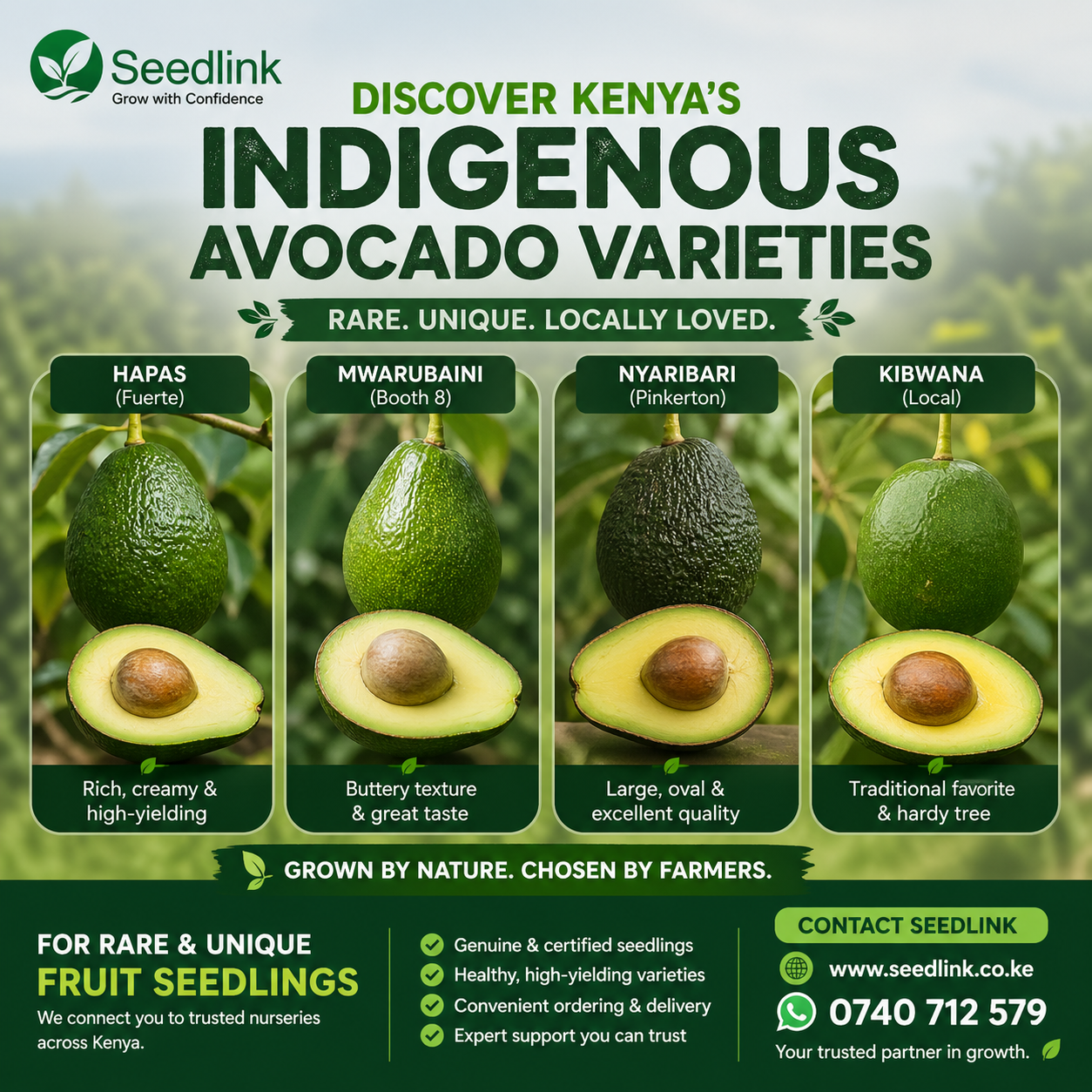
- Hass avocado
- Passion fruit
- Tree tomato
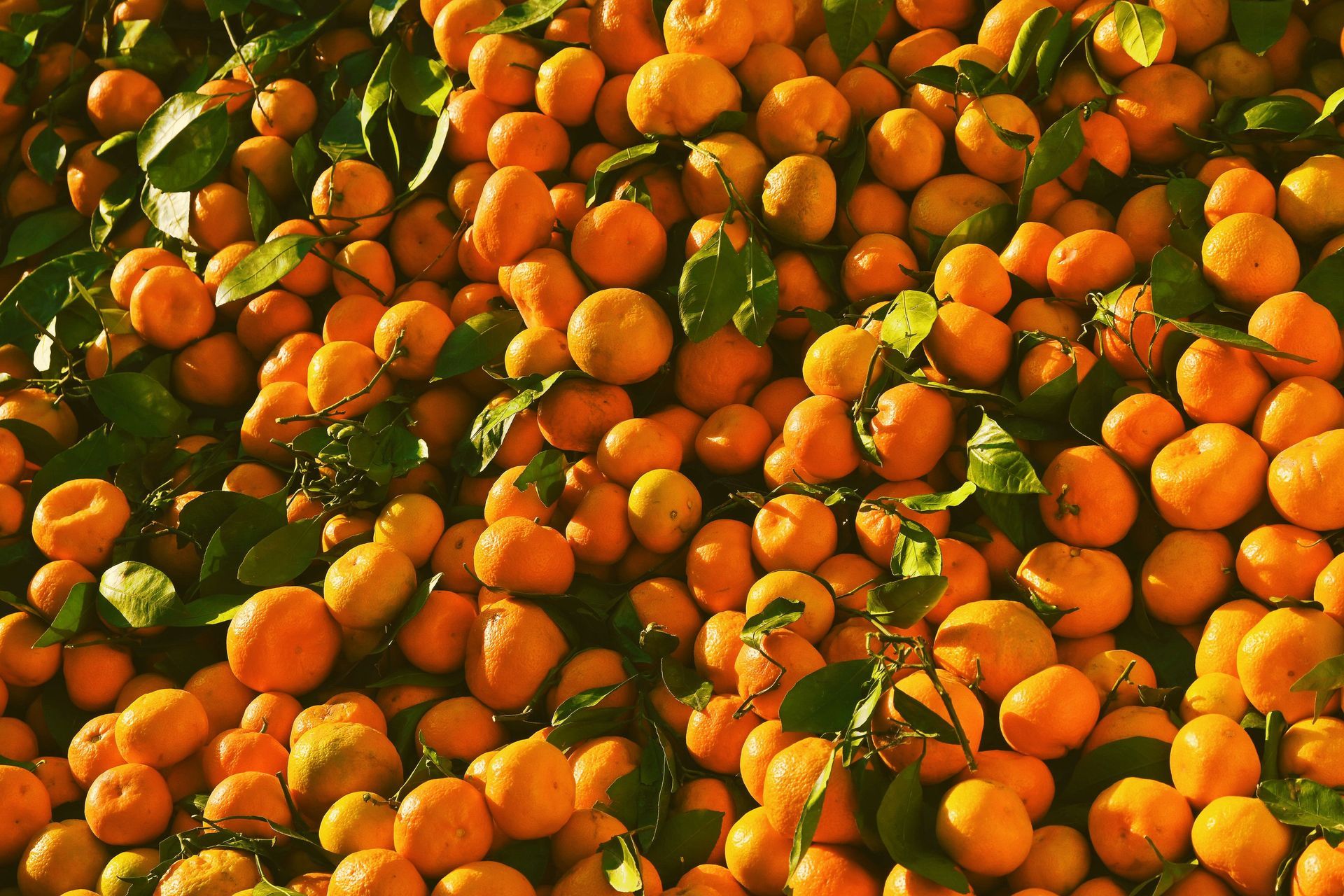
- Citrus
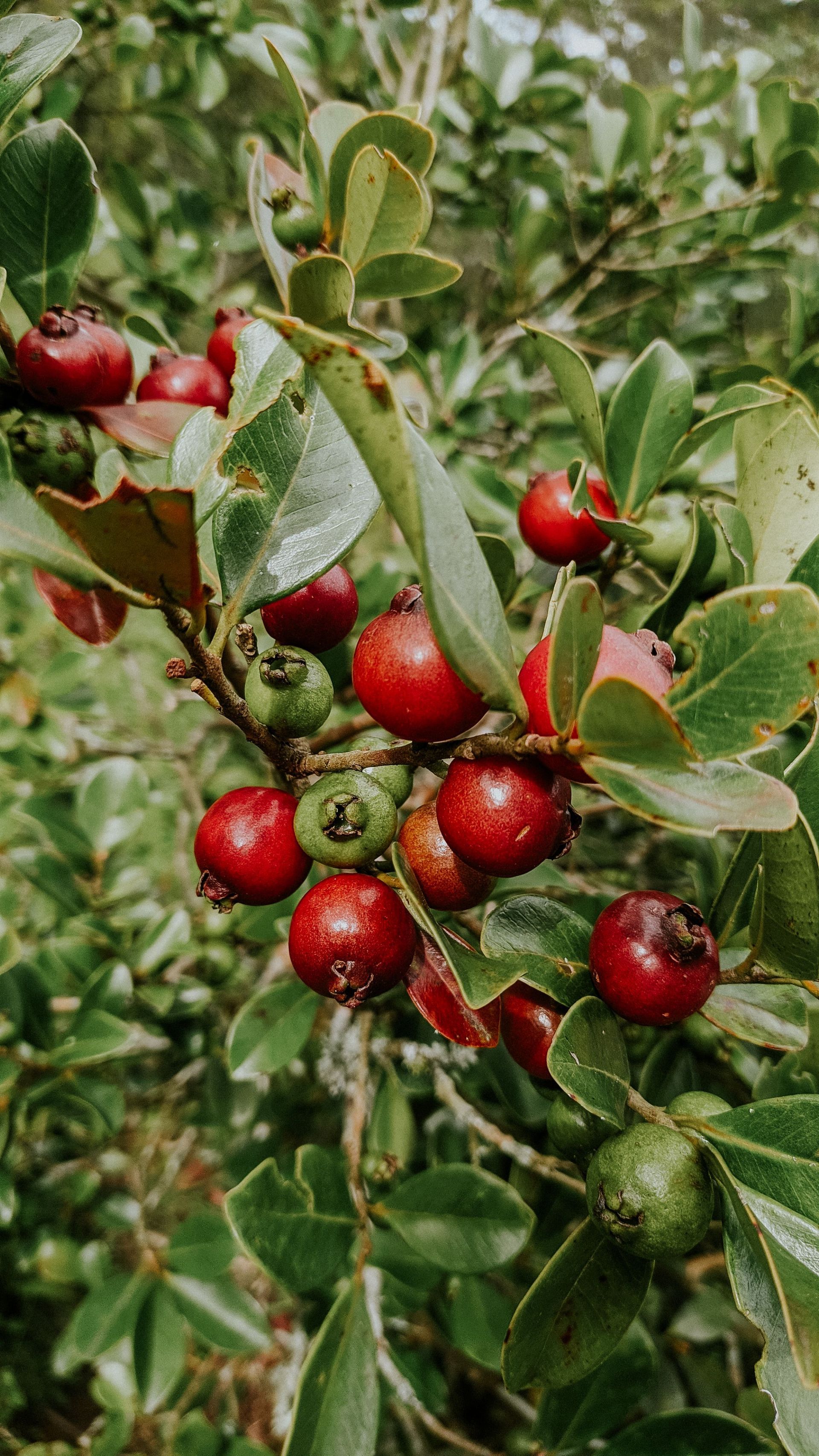
- Guava
- Macadamia
📞 Order via 0740712579
🌐
Seedlink Official Website
Climate Change and the Need for Local Solutions
Africa contributes minimally to global carbon emissions yet suffers disproportionately from:
- Drought
- Floods
- Desertification
- Food insecurity
- Deforestation
This makes local environmental solutions essential.
The University of Copenhagen’s environmental research increasingly focuses on:
- Climate adaptation in vulnerable communities
- Sustainable agricultural systems
- Water conservation
- Ecosystem restoration
- Urban resilience
These research themes resonate deeply with Wangari Maathai’s philosophy that environmental action must begin at the community level.
Her approach was simple:
Plant trees. Restore dignity. Empower people.
Today, environmental scientists worldwide are validating what she already understood decades ago.
Urban Greening and Sustainable Cities
Another growing area of environmental research involves urban greening.
African cities are rapidly expanding, resulting in:
- Heat islands
- Air pollution
- Reduced biodiversity
- Flooding
- Poor drainage systems
Research institutions are exploring how urban forests can:
- Reduce temperatures
- Improve mental health
- Absorb carbon
- Improve air quality
- Enhance biodiversity
Wangari Maathai advocated strongly for green public spaces in cities.
The University of Copenhagen’s work on sustainable urban planning aligns closely with these ideas.
Seedlink Helps Build Greener Cities
Urban landscaping is becoming increasingly important across Kenya.
Seedlink supplies:
- Ornamental plants
- Shade trees
- Palm trees
- Flowering plants
- Indigenous urban trees
- Fruit trees for homes and schools
Popular urban landscaping trees include:
- Jacaranda
- Terminalia Mantaly
- Bougainvillea
- Palm varieties
- Cypress
- Bamboo
- Acacia species
Seedlink works with:
- Landscape architects
- Schools
- Hotels
- Airbnbs
- Real estate developers
- Homeowners
- Institutions
By connecting local nurseries to buyers, Seedlink strengthens environmental entrepreneurship while promoting greener communities.
📞 0740712579
🌐
Seedlink Kenya
Agroforestry: The Future of Sustainable Farming
Agroforestry is increasingly recognized as one of the most powerful climate adaptation strategies in Africa.
It involves integrating trees with crops and livestock systems.
Benefits include:
- Improved soil fertility
- Better moisture retention
- Diversified farm income
- Carbon sequestration
- Reduced erosion
- Increased biodiversity
The University of Copenhagen has contributed to agroforestry research aimed at improving food systems in climate-vulnerable regions.
Meanwhile, Wangari Maathai long advocated for integrating trees into farming systems as a way of restoring degraded land while supporting livelihoods.
Empowering Women Through Environmental Conservation
One of Wangari Maathai’s most revolutionary contributions was linking environmental conservation with women empowerment.
The Green Belt Movement empowered women by:
- Paying them to plant trees
- Supporting rural livelihoods
- Encouraging leadership
- Building environmental awareness
Today, many community nurseries across Kenya are women-led enterprises.
Seedlink is helping these women-owned nurseries reach larger markets by providing digital visibility and customer connections.
This creates:
- Economic empowerment
- Climate resilience
- Community development
- Sustainable entrepreneurship
Education and Environmental Awareness
Universities play a crucial role in shaping future environmental leaders.
The University of Copenhagen’s environmental programs emphasize:
- Sustainability science
- Climate policy
- Ecosystem restoration
- Biodiversity conservation
- Community engagement
Similarly, Wangari Maathai believed environmental awareness should begin with education.
Schools across Kenya are now embracing:
- Tree planting programs
- Environmental clubs
- School gardens
- Climate education
- Waste management initiatives
These initiatives help create environmentally conscious future generations.
Seedlink for Schools and Institutions
Seedlink supports:
- Schools
- Universities
- Churches
- NGOs
- Government agencies
- Corporate CSR programs
with:
- Tree seedlings
- Fruit trees
- Ornamental plants
- Environmental landscaping solutions
Bulk tree planting programs are increasingly popular during:
- Environmental awareness campaigns
- CSR initiatives
- School greening projects
- World Environment Day
- Wangari Maathai Day celebrations
Seedlink helps institutions source healthy seedlings directly from local nurseries.
📞 0740712579
🌐
Seedlink Online
The Future of Environmental Restoration in Africa
Africa’s environmental future depends heavily on collaboration between:
- Universities
- Governments
- NGOs
- Local communities
- Climate scientists
- Farmers
- Indigenous knowledge holders
- Private sector innovators
The partnership between environmental research institutions and grassroots conservation initiatives reflects the exact model Wangari Maathai envisioned decades ago.
Environmental restoration is no longer simply about conservation.
It is about:
- Food security
- Economic resilience
- Water security
- Climate adaptation
- Public health
- Social justice
Universities such as the University of Copenhagen continue contributing valuable research and policy guidance to help communities address these challenges sustainably.
At the same time, platforms like Seedlink are ensuring local nurseries remain central to the environmental restoration economy.
Conclusion
The legacy of Wangari Maathai continues to inspire environmental movements, climate research, and sustainability partnerships worldwide.
The University of Copenhagen’s work in forestry, biodiversity, climate adaptation, and sustainable land management reflects many of the principles Wangari Maathai championed throughout her life:
- Community participation
- Ecological restoration
- Indigenous biodiversity protection
- Sustainable livelihoods
- Climate resilience
As Africa confronts growing environmental challenges, solutions will increasingly depend on partnerships between researchers, local communities, governments, and innovative platforms that support grassroots conservation efforts.
Seedlink is playing an important role in this ecosystem by helping connect local nurseries growing indigenous and fruit trees with customers seeking sustainable environmental solutions.
By supporting community nurseries, promoting indigenous trees, and strengthening environmental entrepreneurship, Seedlink contributes directly to the kind of green future Wangari Maathai envisioned.
Looking for Indigenous or Fruit Tree Seedlings?
Contact Seedlink Today
📞 0740712579
🌐
www.seedlink.co.ke
Plant trees. Restore ecosystems. Empower communities.