The Influence of Nobel Women’s Initiative in Celebrating Wangari Maathai’s Feminist Environmental Legacy
Across the globe, environmental justice and women’s empowerment are becoming inseparable conversations. Few leaders embodied this connection more powerfully than Wangari Maathai, the Kenyan environmentalist, feminist, and founder of the Green Belt Movement. Her work transformed how the world understands environmental conservation—not merely as a scientific or ecological issue, but as a social justice movement deeply tied to women, democracy, food security, and community empowerment.
Today, organizations like the Nobel Women’s Initiative continue to celebrate and amplify Wangari Maathai’s feminist environmental legacy. Through advocacy, storytelling, grassroots partnerships, and global campaigns, the initiative keeps alive the ideals Wangari championed: dignity, equality, climate justice, and the restoration of ecosystems through community action.
Her legacy is especially relevant in Africa today, where climate change, urbanization, deforestation, and food insecurity continue to affect millions of people. Yet within these challenges lies an incredible opportunity—to empower local communities, especially women and youth, through tree growing, sustainable agriculture, and indigenous ecosystem restoration.
Wangari Maathai: A Feminist Who Changed Environmental Activism Forever
When Wangari Maathai began mobilizing rural women in Kenya to plant trees in the 1970s, many dismissed her efforts as symbolic activism. However, she understood something revolutionary: environmental degradation directly affects women and vulnerable communities first.
Deforestation meant:
- Longer distances for women searching for firewood
- Reduced food production
- Soil erosion
- Water scarcity
- Increased poverty
By planting trees, Wangari Maathai was not only restoring forests—she was restoring livelihoods, dignity, and independence.
Her movement empowered thousands of women economically while also protecting ecosystems. The Green Belt Movement eventually led to the planting of millions of trees across Kenya and inspired environmental justice movements globally.
In 2004, Wangari Maathai became the first African woman to receive the Nobel Peace Prize, recognizing the deep connection between peace, democracy, human rights, and environmental conservation.
The Nobel Women’s Initiative and Wangari Maathai’s Enduring Influence
The Nobel Women’s Initiative was founded by women Nobel Peace Prize laureates committed to advancing peace, justice, and equality worldwide. Wangari Maathai played a major role in shaping the organization’s vision and feminist environmental philosophy.
The initiative continues to highlight:
- Women-led climate action
- Indigenous environmental protection
- Community-led sustainability
- Human rights in climate justice
- Ecological restoration through grassroots organizing
Wangari Maathai believed environmental activism must start with ordinary people. Today, the Nobel Women’s Initiative amplifies the same message by supporting women environmental defenders, indigenous land protectors, and grassroots sustainability projects around the world.
Her influence continues to inspire climate justice campaigns that recognize women not as victims of climate change—but as leaders of solutions.
Seedlink Community Tree Nursery Initiative
Connect Local Nurseries to Real Markets
Across Kenya and Africa, thousands of local nurseries are growing:
- Indigenous trees
- Fruit seedlings
- Ornamental plants
- Exotic trees
- Agroforestry seedlings
However, many struggle to access reliable buyers and organized markets.
That is where Seedlink comes in.
Seedlink is helping connect:
- Community nurseries
- Women groups
- Youth groups
- Schools
- Environmental organizations
- Farmers
…to buyers looking for quality seedlings and trees.
Seedlink Supports:
✅ Indigenous tree restoration
✅ Fruit tree commercialization
✅ Community greening projects
✅ Agroforestry initiatives
✅ Urban landscaping
✅ Climate-smart farming
Popular Trees in Demand:
- Croton
- Mukima
- Meru Oak
- African Olive
- Avocado
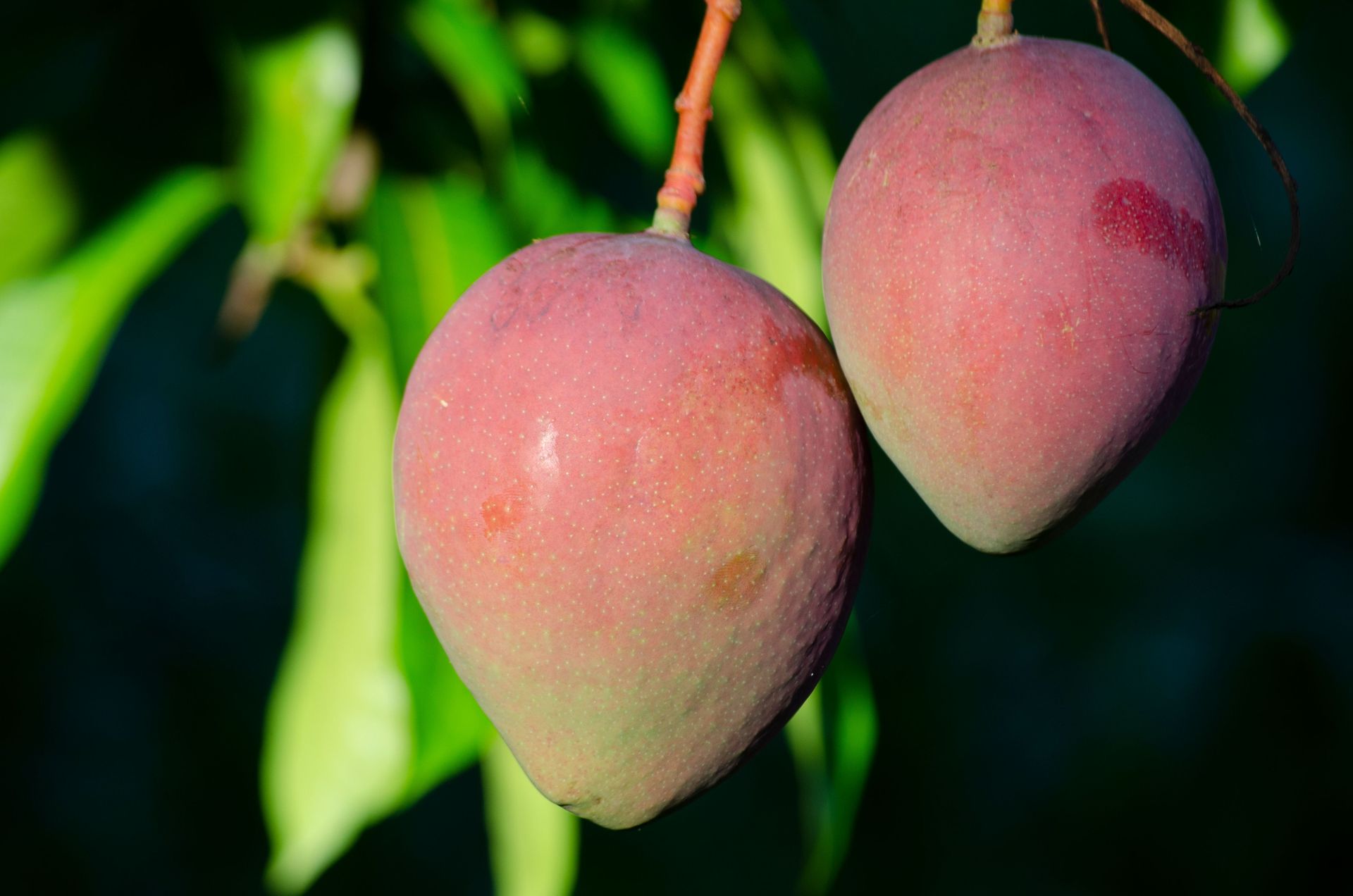
- Mango
- Macadamia
- Cypress
- Gravellia
- Bamboo
Contact Seedlink
📞 0740712579
🌐
www.seedlink.co.ke
Feminism, Environment, and Community Power
One of Wangari Maathai’s greatest contributions was redefining feminism within the African environmental context. She demonstrated that women’s empowerment is deeply linked to access to natural resources, land rights, and environmental stewardship.
Women are often the custodians of:
- Family nutrition
- Water collection
- Firewood gathering
- Community farming
- Seed preservation
As climate change intensifies, women continue to carry disproportionate burdens in many rural communities. Wangari understood this reality decades before climate conversations became mainstream.
The Nobel Women’s Initiative continues to celebrate this connection by spotlighting women environmental defenders globally. Their work recognizes that women-led climate action creates:
- Stronger communities
- Better food systems
- Improved biodiversity
- Greater economic resilience
Why Indigenous Trees Matter Today
Wangari Maathai consistently emphasized the importance of indigenous ecosystems. Unlike imported species, indigenous trees:
- Support biodiversity
- Improve water retention
- Restore degraded soils
- Support local wildlife
- Adapt better to local climates
Unfortunately, many indigenous species across Africa are disappearing due to urbanization, charcoal burning, and land conversion.
Community nurseries now play a critical role in restoring these ecosystems.
By supporting local nurseries, communities help:
- Protect native biodiversity
- Create green jobs
- Reduce climate vulnerability
- Improve rural incomes
This is exactly the kind of grassroots environmental action Wangari Maathai envisioned.
Urban Greening and the Wangari Maathai Legacy
Cities across Africa are expanding rapidly. Nairobi, Kigali, Kampala, Accra, and Lagos continue to face:
- Air pollution
- Heat stress
- Reduced green spaces
- Flooding
- Poor urban planning
Wangari Maathai advocated for urban forests and public green spaces long before climate adaptation became a global priority.
Today, many cities are rediscovering the importance of:
- Urban trees
- Green corridors
- Public parks
- Community gardens
- Rooftop farming
Organizations influenced by Wangari’s work now promote urban greening initiatives that combine:
- Environmental restoration
- Public health
- Food security
- Community wellness
Seedlink Advert: Grow Trees, Grow Communities
Looking for Quality Indigenous or Fruit Tree Seedlings?
Whether you are:
- A school
- NGO
- County government
- Church
- Real estate developer
- Farmer
- Environmental group
…Seedlink connects you directly to verified community nurseries growing healthy, climate-smart seedlings.
Available Seedlings Include:
🌳 Indigenous Trees
🌳 Fruit Trees
🌳 Ornamental Plants
🌳 Bamboo Seedlings
🌳 Agroforestry Trees
By purchasing from community nurseries, you help:
✔ Empower women groups
✔ Support youth employment
✔ Restore ecosystems
✔ Promote climate resilience
✔ Increase rural incomes
Order Today
📞 0740712579
🌐
Seedlink Official Website
Climate Justice and Environmental Leadership
The Nobel Women’s Initiative continues to amplify environmental leaders inspired by Wangari Maathai’s approach to activism.
Her model was unique because it combined:
- Environmental conservation
- Democratic governance
- Human rights
- Women empowerment
- Community organizing
Today, climate justice movements increasingly recognize that environmental destruction is also a social justice issue.
Communities facing:
- Drought
- Flooding
- Food insecurity
- Land degradation
…often suffer from systemic inequality and poor governance.
Wangari Maathai challenged governments, corporations, and institutions to prioritize people and ecosystems over exploitation and short-term profits.
The Economic Potential of Tree Growing in Africa
Tree growing is no longer just a conservation activity—it is also becoming a powerful economic opportunity.
Across Kenya and Africa, demand for:
- Fruit trees
- Landscaping trees
- Indigenous species
- Carbon offset trees
- Agroforestry seedlings
…continues to grow.
This creates major opportunities for:
- Youth groups
- Women cooperatives
- Community-based organizations
- Rural entrepreneurs
Tree nurseries can generate sustainable income while also supporting climate action.
With better market access, local nurseries can scale operations and supply:
- Schools
- County greening projects
- NGOs
- Hotels
- Developers
- Homeowners
- Government reforestation programs
Platforms like Seedlink help bridge this market gap by connecting growers directly to buyers.
Wangari Maathai’s Message to Young Environmentalists
One of Wangari Maathai’s most famous messages was:
“It’s the little things citizens do. That’s what will make the difference.”
This philosophy remains relevant today.
Young people across Africa are increasingly engaging in:
- Tree planting campaigns
- Waste management initiatives
- Climate activism
- Urban farming
- Sustainable business models
The Nobel Women’s Initiative continues to encourage youth-led climate leadership rooted in community empowerment and ecological restoration.
Wangari Maathai showed that ordinary people can create extraordinary environmental change when they organize collectively.
Restoring Africa Through Community Nurseries
Africa’s future sustainability depends heavily on local action.
Community nurseries are now emerging as powerful tools for:
- Climate resilience
- Forest restoration
- Food security
- Water conservation
- Economic empowerment
Through community-based tree production:
- Rural youth gain employment
- Women access income opportunities
- Ecosystems recover
- Communities strengthen food systems
This model reflects Wangari Maathai’s belief that environmental restoration must benefit people directly.
Seedlink Marketplace for Community Nurseries
Are You Running a Tree Nursery?
Seedlink helps local nurseries access:
✅ Buyers
✅ NGOs
✅ Government projects
✅ Schools
✅ Corporate landscaping projects
✅ Climate restoration initiatives
Sell:
- Indigenous trees
- Fruit seedlings
- Ornamental plants
- Bamboo
- Agroforestry trees
- Exotic landscaping trees
Why Join Seedlink?
✔ Expanded market reach
✔ Increased visibility
✔ Community empowerment
✔ Climate restoration support
✔ Better income opportunities
Contact Seedlink Today
📞 0740712579
🌐
Seedlink Kenya
The Global Relevance of Wangari Maathai’s Legacy
Wangari Maathai’s ideas are more relevant now than ever before.
As the world confronts:
- Climate change
- Biodiversity loss
- Deforestation
- Food insecurity
- Water scarcity
…the solutions she championed continue to offer hope.
Her feminist environmental vision demonstrated that:
- Communities matter
- Women matter
- Indigenous knowledge matters
- Trees matter
- Democracy matters
The Nobel Women’s Initiative continues to preserve and promote these principles globally.
Conclusion
The influence of the Nobel Women’s Initiative in celebrating Wangari Maathai’s feminist environmental legacy extends far beyond symbolic recognition. It is about advancing a living movement centered on environmental justice, women’s empowerment, grassroots leadership, and sustainable development.
Wangari Maathai taught the world that planting a tree is an act of hope, resistance, and transformation.
Today, community nurseries, women groups, youth organizations, and environmental entrepreneurs continue carrying forward her vision across Africa.
By supporting indigenous tree restoration, fruit tree farming, and community greening projects, organizations and platforms like Seedlink are helping transform local environmental action into sustainable economic opportunities.
The future of Africa’s environment may very well depend on the same simple idea Wangari Maathai championed decades ago:
Plant trees. Empower people. Restore dignity.