How World Food Programme Supports Sustainability Goals Aligned With Wangari Maathai’s Work
The late Wangari Maathai remains one of Africa’s greatest environmental champions. Through the Green Belt Movement, she demonstrated that environmental conservation, food security, women empowerment, and climate resilience are deeply interconnected. Her vision went beyond planting trees; it focused on restoring dignity, protecting ecosystems, improving livelihoods, and ensuring communities could sustainably feed themselves.
Today, many global organizations continue to advance sustainability goals that align closely with Wangari Maathai’s philosophy. Among them is the World Food Programme (WFP), the world’s largest humanitarian agency addressing hunger and food insecurity.
Across Kenya and Africa, WFP initiatives increasingly emphasize climate-smart agriculture, landscape restoration, water conservation, agroforestry, and community resilience — values that mirror Wangari Maathai’s lifelong mission.
As climate change, deforestation, drought, and land degradation continue to threaten food systems in Africa, the partnership between environmental conservation and food security has never been more important.
Wangari Maathai’s Vision: Trees, Communities, and Sustainable Livelihoods
Wangari Maathai understood something many development models ignored: communities cannot thrive when forests disappear, water sources dry up, and soils become infertile.
Her environmental movement encouraged:
- Indigenous tree planting
- Watershed restoration
- Women-led conservation
- Sustainable agriculture
- Community empowerment
- Climate resilience
- Local economic participation
The Green Belt Movement eventually mobilized millions of trees across Kenya while empowering thousands of women through community nurseries and environmental stewardship.
Today, these ideas remain central to sustainable development strategies globally.
How World Food Programme Integrates Sustainability Into Food Security
Traditionally, many people viewed food aid as short-term humanitarian assistance. However, modern food security programs now focus heavily on resilience and sustainability.
The World Food Programme supports communities through long-term environmental restoration and climate adaptation programs that help vulnerable populations withstand future shocks.
Some of the organization’s sustainability-focused initiatives include:
1. Climate-Smart Agriculture
WFP supports farmers with:
- Drought-resistant farming techniques
- Water harvesting systems
- Soil restoration practices
- Agroforestry initiatives
- Sustainable irrigation systems
These approaches improve food production while protecting ecosystems.
2. Land Restoration Projects
In arid and semi-arid areas across Kenya, WFP-backed programs support:
- Reforestation
- Soil conservation
- Riverbank restoration
- Rehabilitation of degraded land
These projects strongly align with Wangari Maathai’s environmental restoration model.
3. Community Resilience Programs
Instead of depending solely on aid, communities are empowered through:
- Livelihood diversification
- Tree nursery projects
- Farmer training
- Women empowerment initiatives
- Climate adaptation knowledge
This mirrors Wangari Maathai’s belief that environmental conservation must directly benefit local people economically.
Seedlink Community Nursery Initiative
Connect Local Tree Nurseries to a Bigger Market
Across Kenya, thousands of youth groups, women groups, schools, and community organizations operate small tree nurseries producing:
- Indigenous trees
- Fruit trees
- Exotic trees
- Ornamental plants
- Agroforestry seedlings
However, many struggle to access reliable buyers.
This is where Seedlink comes in.
Seedlink is helping connect local communities nurseries with markets for:
- Indigenous seedlings
- Fruit tree seedlings
- Landscaping trees
- Climate-resilient tree varieties
- Urban greening projects
Why This Matters
Tree nurseries create:
- Local employment
- Climate resilience
- Food security
- Community income
- Reforestation opportunities
Communities interested in partnering with Seedlink can reach out through:
📞 0740712579
🌐
www.seedlink.co.ke
Food Security and Environmental Restoration Go Together
One of Wangari Maathai’s greatest lessons was that environmental conservation is directly tied to hunger reduction.
When forests disappear:
- Rainfall patterns become unstable
- Rivers dry up
- Soils erode
- Crop yields decline
- Food insecurity rises
The World Food Programme increasingly addresses hunger by restoring ecosystems instead of only distributing food.
This integrated approach includes:
- Farmer-managed natural regeneration
- Agroforestry
- Community woodlots
- Water catchment restoration
- Indigenous tree promotion
These interventions improve both food production and environmental health.
Agroforestry: A Shared Vision Between WFP and Wangari Maathai
Agroforestry combines trees with farming systems to improve productivity and sustainability.
Benefits include:
- Improved soil fertility
- Reduced erosion
- Better water retention
- Shade for crops and livestock
- Increased biodiversity
- Additional farmer income
Wangari Maathai strongly advocated for agroforestry because it allowed communities to:
- Restore landscapes
- Produce food sustainably
- Generate income
- Improve climate resilience
Today, WFP supports similar systems across vulnerable regions.
Farmers are encouraged to integrate:
- Avocado trees
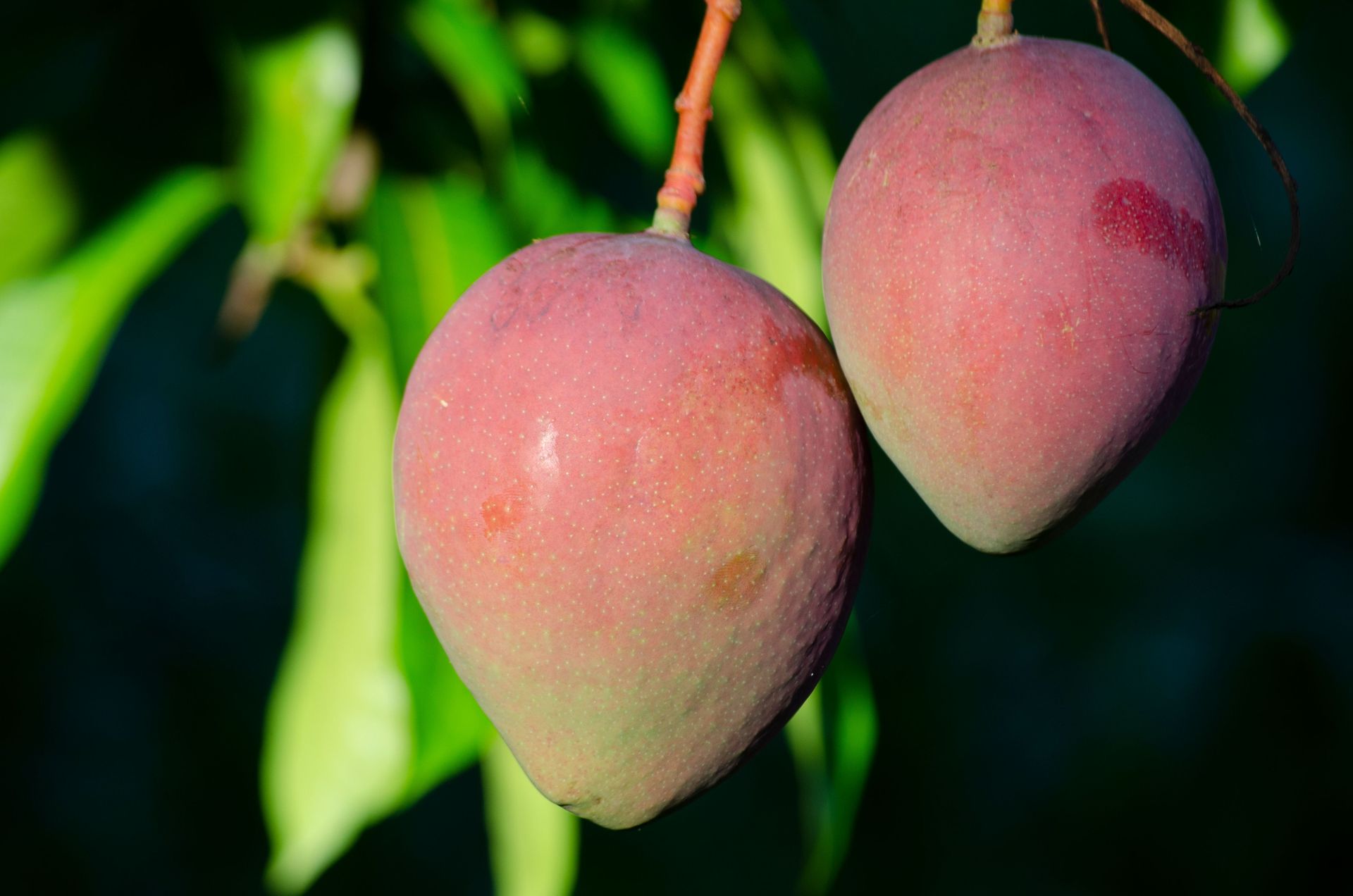
- Mango trees
- Grevillea
- Calliandra
- Indigenous hardwoods
- Nitrogen-fixing species
into their farming systems.
Indigenous Trees Are Becoming Increasingly Important
One of the most powerful aspects of Wangari Maathai’s work was her emphasis on indigenous biodiversity.
Indigenous trees:
- Adapt better to local climates
- Require less maintenance
- Support local wildlife
- Improve ecological balance
- Preserve cultural heritage
Today, environmental experts increasingly recognize the importance of restoring native ecosystems instead of relying only on exotic species.
This shift creates new opportunities for local nurseries producing:
- Croton megalocarpus
- Meru Oak
- Mukau
- African Olive
- Elgon Teak
- Warburgia
- Tamarind
- Baobab seedlings
Seedlink Advertorial Feature
Empowering Local Communities Through Tree Nursery Markets
Do you run:
- A women group nursery?
- A youth-led seedling project?
- A school environmental club?
- A community tree initiative?
Seedlink is helping connect nurseries with institutions, landscapers, developers, schools, counties, and environmental projects seeking quality seedlings.
Seedlink Supports Markets For:
✅ Indigenous trees
✅ Fruit trees
✅ Ornamental plants
✅ Bamboo seedlings
✅ Agroforestry species
✅ Urban greening projects
Why Community Nurseries Matter
Community nurseries:
- Create jobs
- Empower women
- Support reforestation
- Improve food systems
- Promote climate resilience
📞 Call/WhatsApp: 0740712579
🌐 Website:
Seedlink Kenya
Women Empowerment Through Sustainability
Wangari Maathai’s movement empowered thousands of women economically through tree planting activities.
Similarly, many WFP sustainability programs focus heavily on:
- Women-led farming groups
- Community savings groups
- Nutrition-sensitive agriculture
- Female farmer training
- Water access projects
Why?
Because women often bear the greatest burden during food insecurity and climate crises.
Empowering women through sustainable environmental projects creates:
- Better household nutrition
- Increased incomes
- Improved education outcomes
- Stronger community resilience
This remains one of Wangari Maathai’s most enduring legacies.
Climate Change and the Future of Food Systems
Africa remains among the regions most vulnerable to climate change.
Kenya has increasingly experienced:
- Prolonged droughts
- Flooding
- Crop failures
- Water scarcity
- Heat stress
- Forest degradation
Organizations like the World Food Programme now integrate climate adaptation into food security planning.
Key interventions include:
- Tree planting
- Water harvesting
- Drought-resistant crops
- Sustainable land management
- Community climate education
These efforts align directly with Wangari Maathai’s warnings about environmental destruction decades ago.
Schools and Youth Are Critical to Sustainability
Wangari Maathai believed strongly in involving young people in environmental conservation.
Today:
- Schools are establishing tree nurseries
- Youth groups are launching greening campaigns
- Universities are promoting climate innovation
- Community organizations are restoring degraded landscapes
WFP also supports school feeding programs connected to local agricultural systems, helping strengthen both nutrition and sustainable food production.
This integrated model supports:
- Education
- Nutrition
- Environmental awareness
- Community agriculture
Seedlink Green Economy Opportunity
Turning Tree Nurseries Into Sustainable Businesses
Kenya’s green economy continues to grow rapidly.
Demand for:
- Fruit trees
- Indigenous trees
- Landscaping plants
- Bamboo seedlings
- Agroforestry trees
is increasing across:
- Counties
- Schools
- Churches
- Real estate developments
- Hotels
- Environmental projects
- Carbon offset programs
Seedlink helps local nurseries tap into these growing opportunities.
Ideal Partners Include:
- Women groups
- Youth groups
- CBOs
- NGOs
- Schools
- Community environmental initiatives
Popular Seedling Categories
🌳 Indigenous trees
🥭 Fruit trees
🎋 Bamboo
🌿 Ornamental plants
🌱 Agroforestry species
📞 0740712579
🌐
www.seedlink.co.ke
Community-Led Conservation Is the Future
One of Wangari Maathai’s greatest contributions was proving that ordinary citizens can transform entire ecosystems.
Her movement showed that:
- Communities are powerful environmental stewards
- Conservation can create livelihoods
- Women are critical environmental leaders
- Local action drives global impact
The World Food Programme’s sustainability work increasingly reflects this philosophy by prioritizing:
- Local ownership
- Community resilience
- Environmental restoration
- Sustainable livelihoods
This shift is critical for Africa’s future.
Sustainable Development Requires Partnerships
No single organization can solve climate change, food insecurity, or environmental degradation alone.
Real progress requires collaboration between:
- Governments
- NGOs
- Community groups
- Schools
- Development agencies
- Environmental organizations
- Private sector partners
Initiatives linking food systems with environmental restoration are increasingly becoming essential.
This is why:
- Agroforestry projects matter
- Indigenous tree nurseries matter
- Community restoration projects matter
- Local climate solutions matter
Final Thoughts
The connection between the World Food Programme’s sustainability initiatives and Wangari Maathai’s environmental philosophy is undeniable.
Both approaches recognize that:
- Healthy ecosystems support healthy communities
- Food security depends on environmental sustainability
- Trees are essential to climate resilience
- Women and local communities are central to change
- Conservation must create economic opportunities
As Africa continues facing climate and food security challenges, the future lies in integrated, community-led sustainability solutions.
Local nurseries, indigenous tree projects, agroforestry initiatives, and landscape restoration programs will continue playing a major role in building resilient communities.
And through platforms like Seedlink, local community nurseries can access broader markets while contributing to environmental restoration and food security goals aligned with Wangari Maathai’s enduring legacy.
📞 Seedlink Contact: 0740712579
🌐 Website:
www.seedlink.co.ke