How to Start a Tree Nursery in Kenya (Step-by-Step Guide)
Starting a tree nursery in Kenya is one of the most rewarding agricultural ventures. With growing demand for fruit seedlings, timber trees, and ornamental plants, a well-managed nursery can provide a steady income while contributing to environmental conservation.
Whether you’re a smallholder farmer, entrepreneur, or community nursery, this step-by-step guide will help you start, manage, and grow your tree nursery successfully.
Table of Contents
- Why Start a Tree Nursery in Kenya
- Understanding the Types of Tree Nurseries
- Market Research: Know Your Customers
- Selecting the Right Location for Your Nursery
- Required Resources and Equipment
- Choosing the Right Tree Seedlings to Grow
- Propagation Techniques: Seed vs. Grafting
- Nursery Management: Watering, Fertilizers, and Pest Control
- Marketing and Selling Seedlings
- How Seedlink Can Help Your Nursery Grow
- Conclusion
1. Why Start a Tree Nursery in Kenya
Kenya’s agricultural and environmental sector is booming. Several factors make tree nurseries profitable:
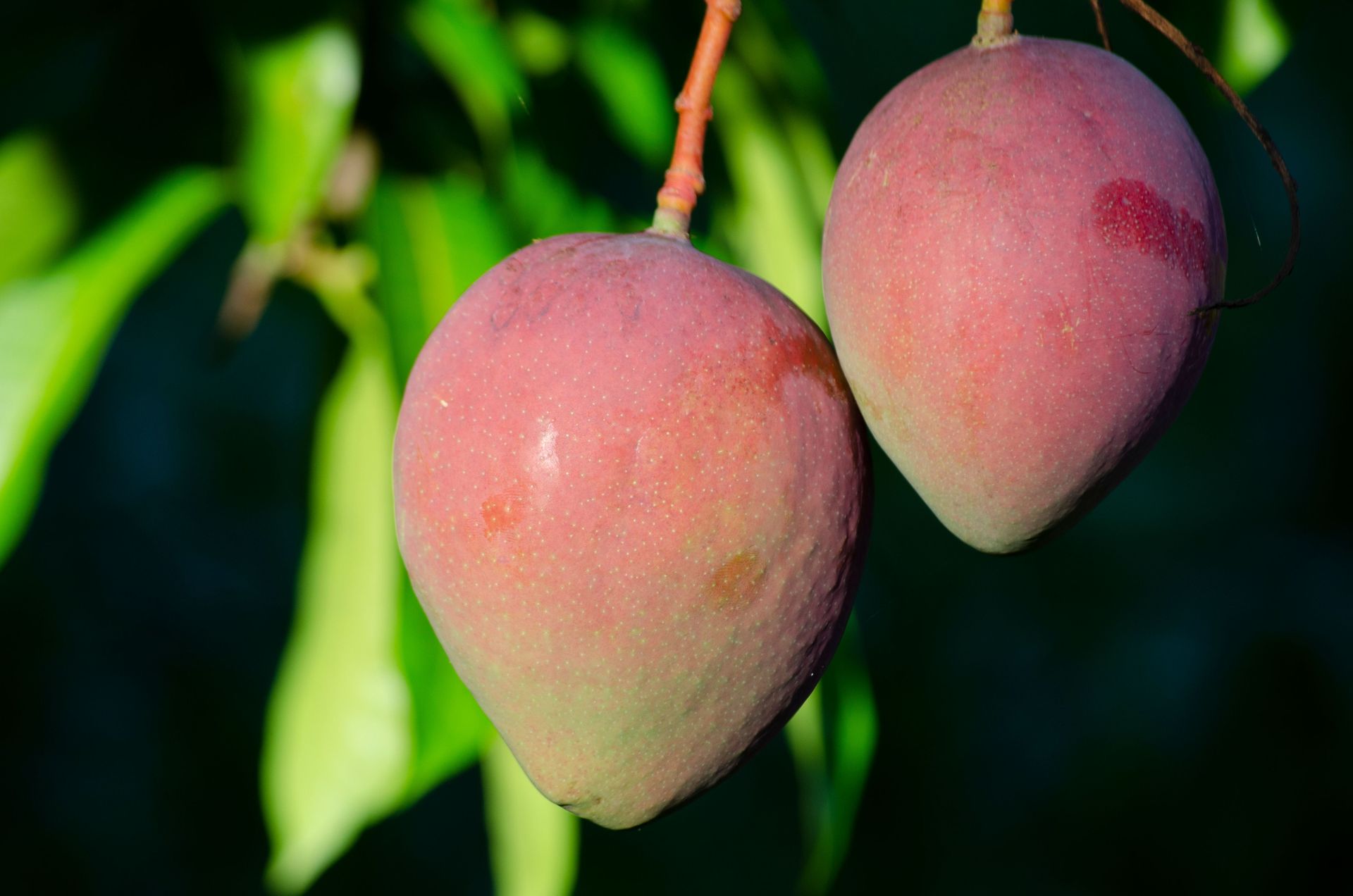
- High demand for fruit seedlings: Avocado, mango, macadamia, passion fruit, and citrus seedlings are in demand across farms and institutions.
- Timber and forestry demand: Grevillea, cypress, and eucalyptus trees are needed for timber, windbreaks, and carbon projects.
- Ornamental and landscaping seedlings: Flowering trees and shrubs are sought after by real estate developers, schools, and hotels.
- Government support & reforestation projects: Agencies like Kenya Forest Service and NGOs promote tree planting initiatives.
Starting a tree nursery not only generates income but also contributes to climate action, environmental conservation, and community empowerment.
2. Understanding the Types of Tree Nurseries
Before starting, decide what type of nursery you want to operate:
a) Fruit Tree Nurseries
- Avocado, mango, passion fruit, macadamia
- High-value seedlings for farmers and institutions
b) Timber & Agroforestry Nurseries
- Grevillea, cypress, eucalyptus
- Ideal for farmers, NGOs, and carbon projects
c) Ornamental & Landscaping Nurseries
- Flowers, flowering trees, hedges
- Targeted at schools, hotels, and urban developers
d) Mixed Nurseries
- Combines fruit, timber, and ornamental trees
- Diversifies income streams
3. Market Research: Know Your Customers
A successful nursery starts with understanding who will buy your seedlings:
- Farmers: Seek fruit seedlings for income generation.
- Schools & Institutions: Landscaping projects and tree planting initiatives.
- NGOs & Community Groups: Carbon projects, reforestation, and environmental programs.
- Real Estate Developers: Ornamental trees for gardens and landscaping.
Tips for Market Research:
- Visit local farms and ask what seedlings they prefer.
- Check Seedlink to see trending seedlings.
- Attend agricultural exhibitions, fairs, and farmer forums.
4. Selecting the Right Location for Your Nursery
Choosing the right location is critical for seedling survival and business success.
Key factors:
- Adequate water supply for irrigation
- Easy access for delivery and customers
- Proper sunlight and drainage
- Security to protect seedlings
Ideal size:
- A small nursery can start with 1/4 acre, but larger nurseries may require 1–2 acres depending on target seedlings.
5. Required Resources and Equipment
Starting a nursery requires basic tools and infrastructure:
Infrastructure:
- Greenhouse or shade netting for delicate seedlings
- Water storage tanks or irrigation system
- Fencing to prevent damage
Equipment:
- Seed trays, polybags, pots
- Watering cans and hoses
- Fertilizers, soil conditioners
- Pruning and grafting tools
Budget Tip: Start small and expand gradually as demand grows.
6. Choosing the Right Tree Seedlings to Grow
Seedling selection depends on market demand, climate, and land suitability.
Top-selling seedlings in Kenya (2026):
- Fruit: Hass avocado, Kent mango, passion fruit, macadamia
- Timber: Grevillea, eucalyptus, cypress, indigenous trees
- Ornamental: Bougainvillea, jacaranda, hibiscus
Factors to consider:
- Survival rate in your local soil and climate
- Growth rate and market demand
- Availability of quality seeds or grafts
7. Propagation Techniques: Seed vs. Grafting
a) Seed Propagation
- Involves planting seeds directly into soil or polybags
- Simple and cost-effective
- Longer time to fruiting for fruit trees
b) Grafting / Budding
- Combines a quality scion with rootstock
- Ensures uniform growth and fruit quality
- Ideal for high-value fruit trees like avocado and mango
Tip: Learn from experienced nurseries or Seedlink experts to ensure high survival rates.
8. Nursery Management: Watering, Fertilizers, and Pest Control
Watering:
- Seedlings need regular watering, especially during the dry season
- Avoid waterlogging to prevent root rot
Fertilizers & Soil:
- Use well-draining, nutrient-rich soil
- Apply organic compost or NPK fertilizer for healthy growth
Pest & Disease Management:
- Monitor seedlings for aphids, caterpillars, and fungal infections
- Use organic or approved pesticides when necessary
Record Keeping:
- Track seedling types, propagation dates, and growth performance
- Helps manage inventory and predict supply
9. Marketing and Selling Seedlings
Once seedlings are healthy, you need to sell effectively.
a) Direct Sales
- Sell to farmers in your community
- Attend local markets or agricultural fairs
b) Institutional Sales
- Target schools, hotels, and NGOs
- Offer bulk discounts for large orders
c) Online Platforms
- Use Seedlink to reach buyers across Kenya
- Provide photos, pricing, and delivery options
d) Partnerships
- Collaborate with agricultural extension officers and community groups
- Offer consultancy on tree planting to add value
Tip: Build trust through quality seedlings, timely delivery, and expert advice.
10. How Seedlink Can Help Your Nursery Grow
Seedlink connects community nurseries and buyers, making your business scalable and profitable:
- Marketplace Access: List seedlings online and reach buyers nationwide
- Marketing Support: Promote your seedlings to farmers, institutions, and developers
- Community Impact: Help local farmers access quality seedlings while earning income
- Expert Advice: Access agronomy and nursery management guidance through Seedlink
📲 Call or WhatsApp: 0740712579 to list your nursery today
11. Conclusion
Starting a tree nursery in Kenya is not just a profitable venture — it is also a step towards environmental sustainability and community development.
By following this step-by-step guide and leveraging platforms like Seedlink:
- You can start small, scale gradually, and reach buyers nationwide
- Provide high-quality seedlings to farmers and institutions
- Contribute to reforestation, climate action, and local economic growth
The future of tree planting in Kenya is digital, connected, and profitable. Seedlink ensures your nursery is part of this exciting ecosystem.