Common Mistakes Farmers Make When Buying Seedlings (And How to Avoid Them)
Buying seedlings may seem straightforward, but many farmers in Kenya face challenges that affect survival rates, farm productivity, and profitability. Whether you’re a beginner or an experienced farmer, knowing the common mistakes when buying seedlings and how to avoid them can save time, money, and frustration.
In this comprehensive guide, we explore the top mistakes, their consequences, and actionable tips to ensure you get healthy, high-performing seedlings every time.
Table of Contents
- Introduction
- Mistake 1: Buying Seedlings Without Researching the Variety
- Mistake 2: Choosing Seedlings from Unverified Nurseries
- Mistake 3: Ignoring Local Climate and Soil Conditions
- Mistake 4: Not Checking Seedling Health and Quality
- Mistake 5: Buying Seedlings at the Wrong Time
- Mistake 6: Overlooking Watering and Care Requirements
- Mistake 7: Focusing Only on Price, Not Value
- Mistake 8: Buying in Bulk Without Planning
- Mistake 9: Lack of Post-Purchase Support or Advice
- Mistake 10: Not Documenting Purchase Details
- How Seedlink Helps Farmers Avoid These Mistakes
- Tips for a Successful Seedling Purchase
- Conclusion
1. Introduction
For farmers in Kenya, buying seedlings is the first step to establishing a profitable farm, a thriving orchard, or a reforestation project. Common seedlings include:
- Fruit seedlings: avocado, mango, macadamia, passion fruit
- Tree seedlings: grevillea, cypress, indigenous trees
- Flower and ornamental seedlings
- Vegetable seedlings
However, mistakes at this stage can reduce survival rates, increase costs, and even cause crop failure. By understanding common pitfalls and applying best practices, farmers can ensure high-quality seedlings and strong yields.
2. Mistake 1: Buying Seedlings Without Researching the Variety
One of the biggest mistakes is buying seedlings without knowing the variety or suitability.
Why it matters:
- Not all varieties thrive in all climates or soils
- Some fruit seedlings have longer maturity periods, affecting harvest time
- Disease resistance varies between varieties
Example:
Planting a
Hass avocado seedling in a high-altitude region without proper care may result in slow growth or low yields.
How to avoid it:
- Research the best varieties for your region
- Consult agronomists or extension officers
- Check with trusted nurseries or platforms like Seedlink
Seedlink Tip: Seedlink lists seedlings by county suitability, helping farmers select the right variety for their location.
3. Mistake 2: Choosing Seedlings from Unverified Nurseries
Many farmers buy seedlings from roadside sellers or unknown nurseries.
Consequences:
- Seedlings may be diseased or stunted
- Low survival rates
- Wasted money and resources
How to avoid it:
- Only buy from verified nurseries
- Ask for references or reviews from other farmers
- Inspect nursery hygiene and seedling health
Seedlink Advantage: Every nursery on Seedlink is verified and rated, ensuring only quality seedlings reach farmers.
4. Mistake 3: Ignoring Local Climate and Soil Conditions
Even the healthiest seedlings can fail if the soil or climate isn’t suitable.
Common scenarios in Kenya:
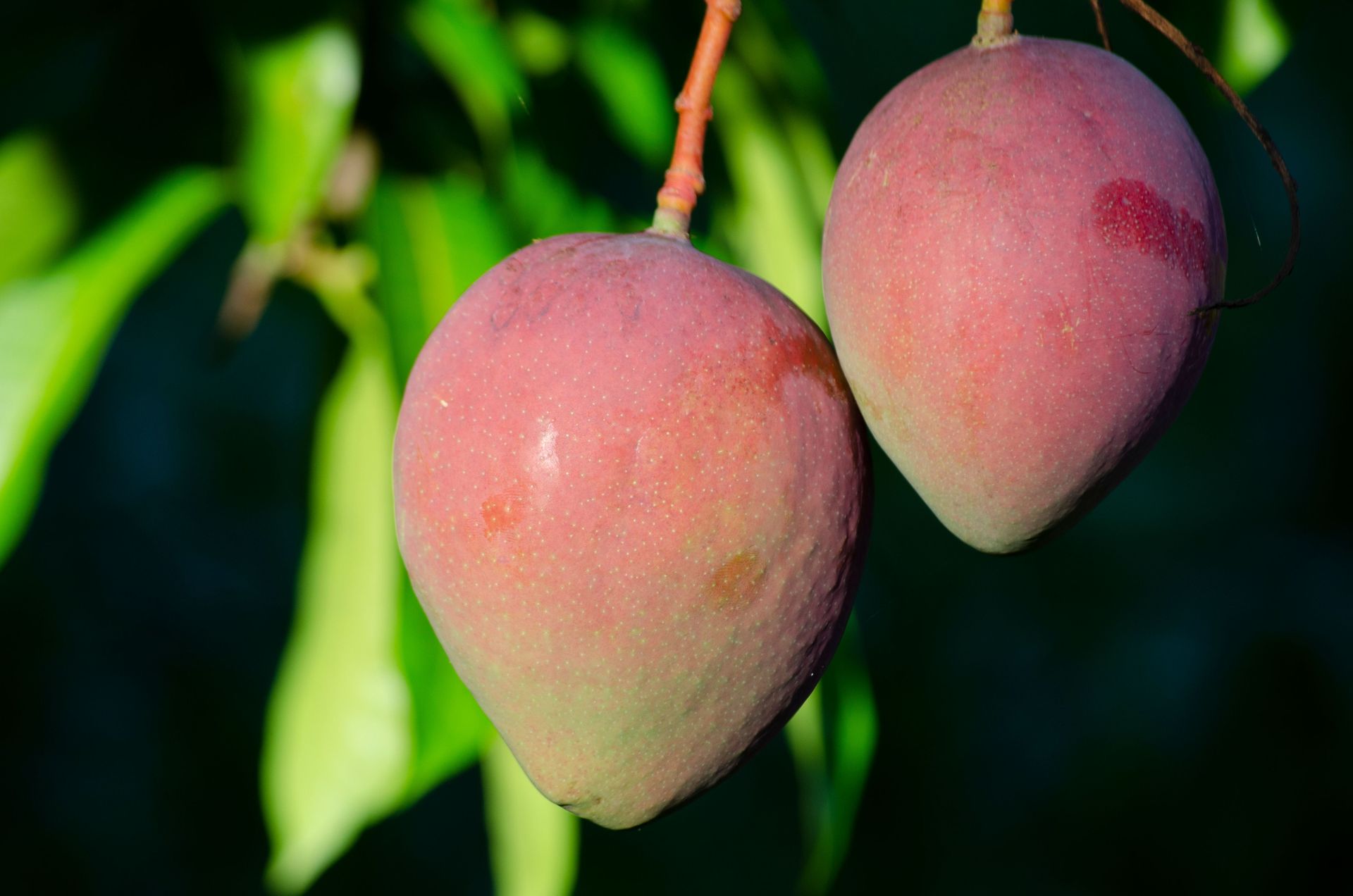
- Mango seedlings failing in high rainfall areas due to waterlogging
- Grevillea seedlings underperforming in poor soil without amendments
How to avoid it:
- Test your soil pH and fertility
- Check if the seedling variety matches your region’s climate
- Seek advice from soil scientists or agronomists
Seedlink Tip: Seedlink provides location-based recommendations, ensuring seedlings thrive in your area.
5. Mistake 4: Not Checking Seedling Health and Quality
A healthy seedling is more likely to survive and thrive.
Red flags to watch for:
- Yellowing or wilted leaves
- Weak or spindly stems
- Damaged roots or containers
- Signs of pests or diseases
How to avoid it:
- Inspect seedlings physically or request photos from nurseries
- Ask about nursery care practices
- Prefer certified seedlings when available
Seedlink Tip: Seedlink nurseries provide detailed seedling photos and health reports, making selection easier.
6. Mistake 5: Buying Seedlings at the Wrong Time
Timing matters for planting success:
- Rainy season planting is ideal for water-sensitive seedlings
- Avoid dry seasons for young seedlings unless irrigation is available
How to avoid it:
- Plan purchases around planting seasons
- Consult agronomists for optimal planting time
Seedlink Tip: Seedlink provides seasonal guidance and reminders to farmers.
7. Mistake 6: Overlooking Watering and Care Requirements
Buying seedlings is just the first step—care determines survival.
Common mistakes:
- Planting drought-sensitive seedlings without irrigation
- Ignoring fertilization and mulching
- Not pruning or staking seedlings properly
How to avoid it:
- Follow care guides from nurseries or agronomists
- Use Seedlink’s care tips and advisory services
8. Mistake 7: Focusing Only on Price, Not Value
While low price is tempting, cheap seedlings may cost more in the long run:
- Poor survival → need for replacements
- Stunted growth → lower yields
How to avoid it:
- Compare value vs. price
- Consider nursery reputation and seedling quality
Seedlink Tip: Seedlink shows competitive pricing and quality assurance, so farmers get the best value.
9. Mistake 8: Buying in Bulk Without Planning
Bulk purchases can save money, but without a plan, farmers face challenges:
- Overstocking seedlings that can’t be planted immediately
- Storage issues leading to wilted seedlings
How to avoid it:
- Buy based on farm size and planting schedule
- Request nursery delivery closer to planting date
Seedlink Tip: Seedlink allows farmers to schedule bulk deliveries and manage inventory efficiently.
10. Mistake 9: Lack of Post-Purchase Support or Advice
Some farmers assume the nursery ends their responsibility after sale.
Problem:
- Seedlings may fail without guidance on care, fertilization, and disease management
How to avoid it:
- Work with nurseries or platforms that offer post-sale support
- Join farmer groups and extension programs
Seedlink Advantage: Seedlink provides extension services including care tips, pest advice, and agronomist consultations.
11. Mistake 10: Not Documenting Purchase Details
Failing to keep records can lead to:
- Payment disputes
- Difficulty in tracking seedling batches
- Challenges in accessing warranties or support
How to avoid it:
- Maintain records of nursery, variety, quantity, price, and delivery date
- Use Seedlink’s digital platform to store all purchase info
12. How Seedlink Helps Farmers Avoid These Mistakes
Seedlink is more than a marketplace—it is a complete seedling ecosystem:
ProblemHow Seedlink Solves ItUnknown seedling qualityVerified nurseries with photos and ratingsWrong variety for regionLocation-based recommendationsPoor survival rateExtension services & care tipsBulk management challengesScheduled deliveries & inventory trackingLack of supportWhatsApp/phone advisory & post-sale follow-up
13. Tips for a Successful Seedling Purchase
- Always research varieties and suitability
- Buy from verified, quality nurseries
- Plan purchases around seasons and farm readiness
- Inspect seedlings physically or digitally
- Factor in post-purchase care
- Keep detailed records of every purchase
- Use platforms like Seedlink for trusted supply and advice
14. Conclusion
Buying seedlings in Kenya can be profitable and rewarding if done carefully. Avoiding these common mistakes ensures that:
- Seedlings survive and thrive
- Farm productivity improves
- Money and resources are saved
- You build a sustainable farming business
With Seedlink, farmers gain access to:
- Verified nurseries across Kenya
- Fruit, tree, vegetable, and flower seedlings
- Extension services and expert advice
- Bulk order management and delivery
Start your journey today with Seedlink, and make every seedling purchase a step toward successful, high-yield farming.
📲
Call/WhatsApp: 0740712579
🌐
Visit:
www.seedlink.co.ke