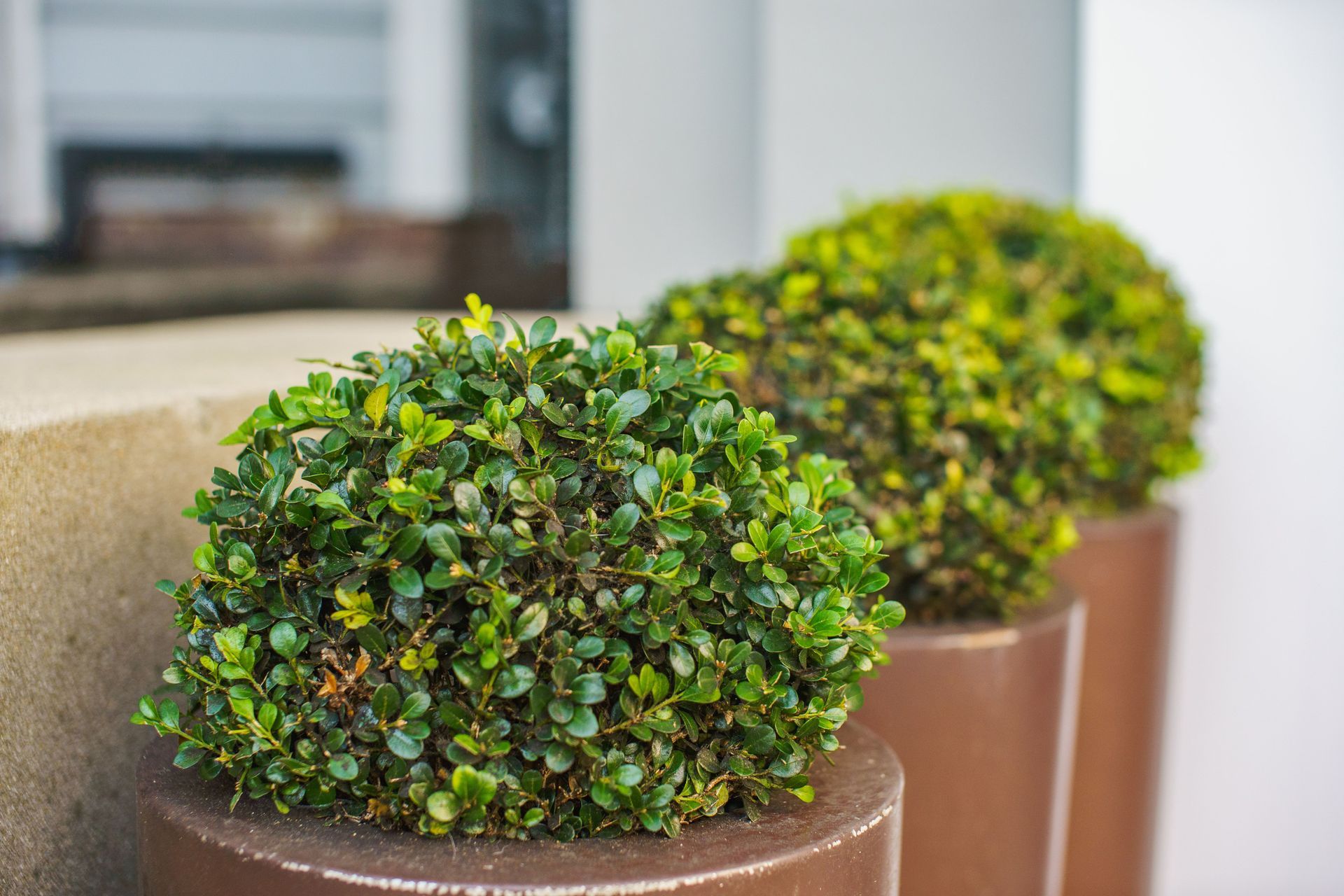
Tree Planting in Kenya: A Complete Beginner’s Guide
Tree planting in Kenya is more than just a hobby—it’s a way to combat climate change, improve soil fertility, generate income, and beautify landscapes. Whether you are a farmer, school administrator, corporate entity, or community group, understanding the fundamentals of tree planting is essential for success. This guide covers everything beginners need to know to start planting trees effectively in Kenya.
Why Tree Planting Matters in Kenya
Kenya faces challenges like deforestation, soil erosion, and climate change. Planting trees helps in:
- Combating climate change: Trees absorb carbon dioxide, improving air quality.
- Soil conservation: Tree roots prevent erosion and improve soil structure.
- Biodiversity: Trees provide habitats for birds, insects, and other wildlife.
- Economic benefits: Fruit, timber, and ornamental trees can generate income.
- Community impact: Tree planting promotes environmental awareness and sustainable livelihoods.
Choosing the Right Trees
Selecting the correct species is crucial for survival and growth. Consider:
1. Fruit Trees
Fruit trees provide both food and income. Popular choices in Kenya include:
- Avocado (Hass, Fuerte)
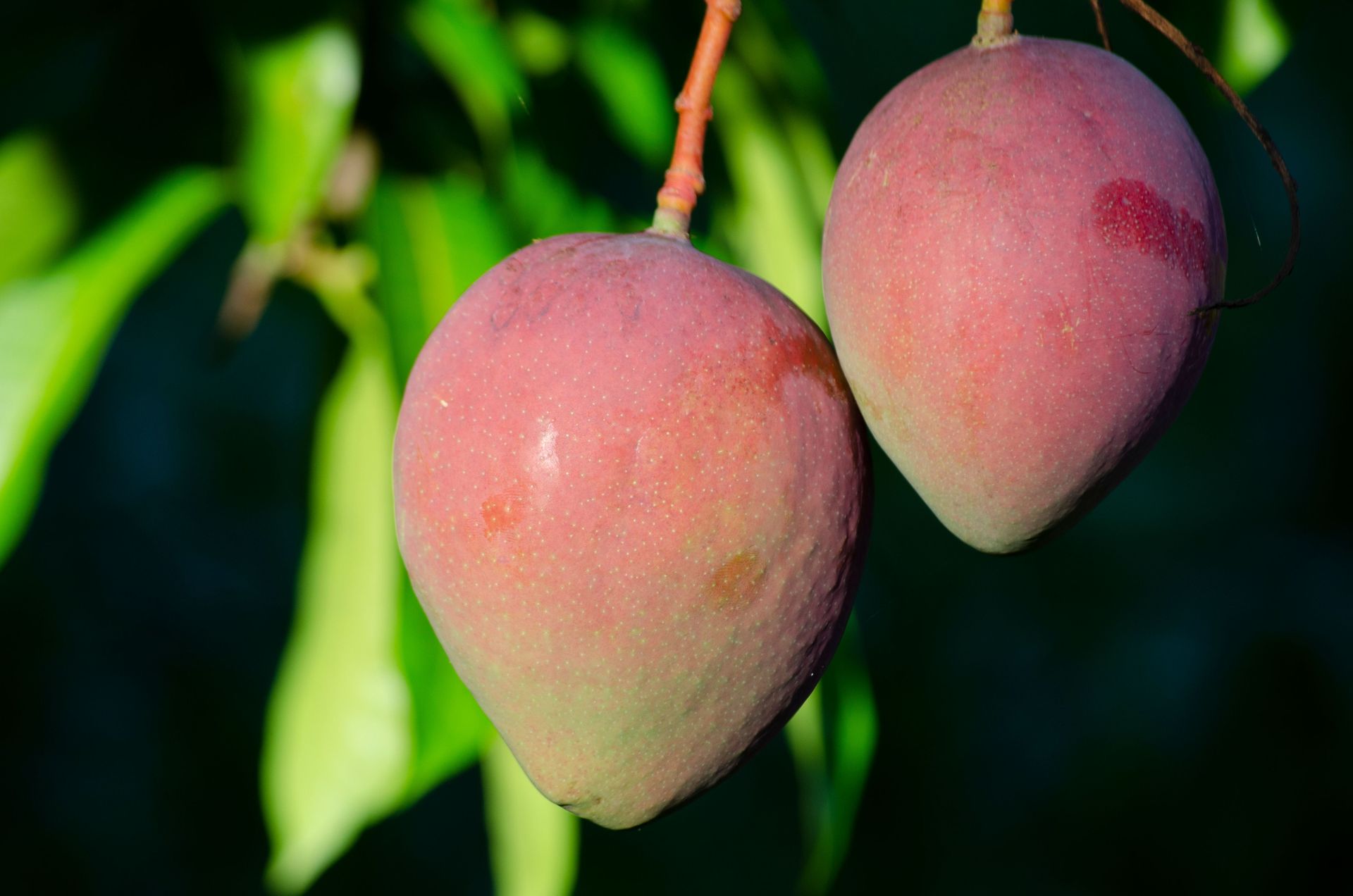
- Mango (Apple, Kent, Tommy Atkins)
- Macadamia
- Passion Fruit
Tip: Plant fruit trees in areas with sufficient rainfall or irrigation systems.
2. Timber Trees
Timber trees grow quickly and provide wood for construction and furniture. Examples:
- Grevillea robusta
- Eucalyptus species
- Cypress trees
Tip: Maintain proper spacing (3–5 meters) for timber trees to ensure straight trunks.
3. Indigenous & Agroforestry Trees
Native trees support biodiversity and improve soil fertility:
- Mlolongo (Acacia spp.)
- Mpingo (African Blackwood)
- Nandi flame
Tip: Combine indigenous trees with crops to create agroforestry systems that boost yields.
4. Ornamental & Flowering Trees
These trees enhance landscapes and attract buyers for landscaping projects:
- Jacaranda
- Flame tree (Delonix regia)
- Hibiscus trees
Best Time to Plant Trees in Kenya
- Rainy season: March–May (long rains) or October–December (short rains)
- Avoid dry season unless you have reliable irrigation
- Timing tip: Plant in the morning or late afternoon to reduce transplant shock
Preparing the Land
- Site selection: Choose fertile, well-drained land with enough sunlight.
- Clear the area: Remove weeds, rocks, and debris.
- Dig planting holes: Usually 30cm x 30cm for seedlings; larger for bigger trees.
- Add soil amendments: Compost or manure improves growth.
Pro Tip: Test your soil pH (5.5–7.5 is ideal for most tree seedlings in Kenya).
Seedling Selection and Procurement
High-quality seedlings determine the success of your tree planting.
Where to Buy Seedlings
- Trusted nurseries: Ensure seedlings are disease-free.
- Online marketplaces: Platforms like Seedlink.co.ke connect farmers to verified nurseries across Kenya.
Types of Seedlings
- Bare root seedlings: Cheaper, but more sensitive to drought.
- Potted seedlings: Stronger survival rate, ideal for home gardens and landscaping.
Tip: Ask for seedlings at least 3–6 months old for better establishment.
Planting Techniques
Step 1: Remove Seedling from Bag or Pot
- Gently loosen roots
- Avoid damaging the taproot
Step 2: Planting in Prepared Hole
- Place seedling upright
- Fill hole with soil, lightly compressing around roots
Step 3: Water Immediately
- Ensure soil is moist but not waterlogged
Step 4: Mulching
- Apply 5–10cm of mulch around the base
- Conserves moisture and prevents weeds
Step 5: Staking (Optional)
- Use stakes for tall or weak seedlings to prevent wind damage
Tree Care & Maintenance
- Watering:
- 1–2 times a week during dry season
- Avoid overwatering to prevent root rot
- Fertilizing:
- Organic compost or NPK fertilizers improve growth
- Pruning:
- Remove dead or crowded branches
- Shape fruit and ornamental trees for better yields
- Pest & Disease Control:
- Watch for common pests: aphids, caterpillars, and fungal infections
- Use neem-based sprays or recommended fungicides
- Weeding:
- Keep 1m radius around tree clear of weeds
Agroforestry & Intercropping Tips
- Plant fast-growing nitrogen-fixing trees like Grevillea with crops
- Alternate fruit trees with vegetables to maximize land productivity
- Combine timber trees with legumes to improve soil fertility
Tree Planting for Profit
Tree planting can be lucrative with proper planning:
Tree TypeAverage Time to MaturityEstimated Returns (per acre)Avocado3–5 yearsKSh 300,000–500,000 annuallyMango4–6 yearsKSh 200,000–400,000 annuallyMacadamia5–7 yearsKSh 400,000–600,000 annuallyGrevillea5–6 yearsKSh 100,000–150,000 annually (timber)
💡 Tip: Plant high-demand trees like avocado and macadamia near urban centers for faster sales.
Environmental & Community Benefits
- Carbon credits: Selling carbon offsets from tree planting projects
- Job creation: Nurseries and planting projects create local employment
- Community impact: Schools and community groups can raise funds through tree planting initiatives
Common Tree Planting Challenges in Kenya
- Drought & insufficient water: Use drip irrigation or rainwater harvesting
- Poor seedling quality: Always buy from verified nurseries like Seedlink
- Pests & diseases: Regular monitoring and organic pest control
- Land disputes: Ensure proper land ownership documentation
- Limited knowledge: Seek advice from agronomists or local extension officers
Tools & Supplies You Will Need
- Shovels and spades
- Mulch or compost
- Watering cans or irrigation system
- Stakes and ties for support
- Organic fertilizer
Pro Tip: Join farmer groups or online forums for shared tools and knowledge.
How Seedlink Helps Tree Planters in Kenya
Seedlink.co.ke is a trusted marketplace connecting farmers, schools, landscapers, and community groups to verified nurseries across Kenya.
- ✅ Access over 50 types of fruit, timber, and flower seedlings
- ✅ Compare prices from multiple nurseries
- ✅ Get seedlings delivered to your farm or project site
- ✅ Receive expert guidance from agronomists and nursery experts
Call/WhatsApp to Order Today: 0740712579
Step-by-Step Tree Planting Summary
- Choose your tree species based on climate, soil, and purpose
- Prepare the land and planting holes
- Purchase quality seedlings from verified nurseries
- Plant seedlings correctly and water immediately
- Maintain trees with mulching, watering, pruning, and fertilization
- Monitor growth and protect from pests
- Harvest or sell when mature for profit
Conclusion
Tree planting in Kenya is not just environmentally responsible—it’s also profitable and transformative for communities. By choosing the right seedlings, following proper planting practices, and maintaining your trees carefully, you can enjoy high yields, environmental benefits, and economic returns.
Platforms like Seedlink.co.ke make it easier than ever to access quality seedlings and expert guidance across Kenya. Start planting today and contribute to a greener, more sustainable future for yourself and your community.
🌱 Ready to Plant?
Visit Seedlink.co.ke or Call/WhatsApp: 0740712579 to get high-quality seedlings delivered to your farm or project site.