How to Choose the Right Seedlings for Your Farm in Kenya
Choosing the right seedlings for your farm is one of the most important decisions a farmer can make in Kenya. The success of your farm, whether you are planting fruit trees, timber, or vegetables, depends on the quality of the seedlings and their suitability for your soil, climate, and farming goals. With hundreds of nurseries and thousands of seedling types across Kenya, finding the right seedlings can feel overwhelming.
That’s where Seedlink comes in—a marketplace that connects farmers with verified nurseries across Kenya, making it easy to choose the best seedlings for your farm.
In this comprehensive guide, we will cover:
- Why seedling choice matters
- Factors to consider when choosing seedlings
- Recommended fruit, tree, and vegetable seedlings in Kenya
- How Seedlink helps you get the right seedlings
Why Choosing the Right Seedlings Matters
The quality and type of seedlings you plant affect:
- Crop yield – Healthy seedlings grow into productive plants, giving you better harvests.
- Disease resistance – Selecting seedlings suited to your region reduces losses from pests and diseases.
- Farm profitability – Choosing seedlings that thrive locally reduces costs and increases revenue.
- Sustainability – Planting the right seedlings supports soil health, biodiversity, and long-term farming success.
Poor seedling choices can lead to:
- Low survival rates
- Stunted growth
- High maintenance costs
- Reduced income
Factors to Consider When Choosing Seedlings
When selecting seedlings for your farm in Kenya, there are several critical factors to consider:
1. Climate and Agro-Ecological Zone
Kenya has diverse climates—from the cool highlands of Central Kenya to the arid lowlands of Northern Kenya. Seedlings must match your local climate:
- Cool highlands (Nairobi, Kiambu, Murang’a): Suitable for tea, avocado (Hass and Fuerte), grevillea, eucalyptus.
- Semi-arid regions (Machakos, Kitui, Makueni): Use drought-tolerant seedlings like mango, acacia, cashew, and cypress.
- Coastal areas (Mombasa, Kilifi, Kwale): Coconut, cashew, mango, and fruit trees adapted to salty soil.
💡 Tip: Always check your county’s rainfall and temperature patterns before buying seedlings.
2. Soil Type and Quality
Different seedlings thrive in different soil types:
- Sandy soils: Good drainage, suitable for coconut, mango, and citrus.
- Clay soils: Retains water, ideal for avocado, guava, and macadamia.
- Loamy soils: Best for most vegetables and timber trees.
Consider soil pH, fertility, and drainage before purchasing seedlings.
3. Purpose of Planting
Identify why you are planting:
- Commercial farming: Choose high-yielding varieties like Hass avocado, Macadamia, or Mango.
- Agroforestry/Timber: Grevillea, Cypress, and indigenous trees.
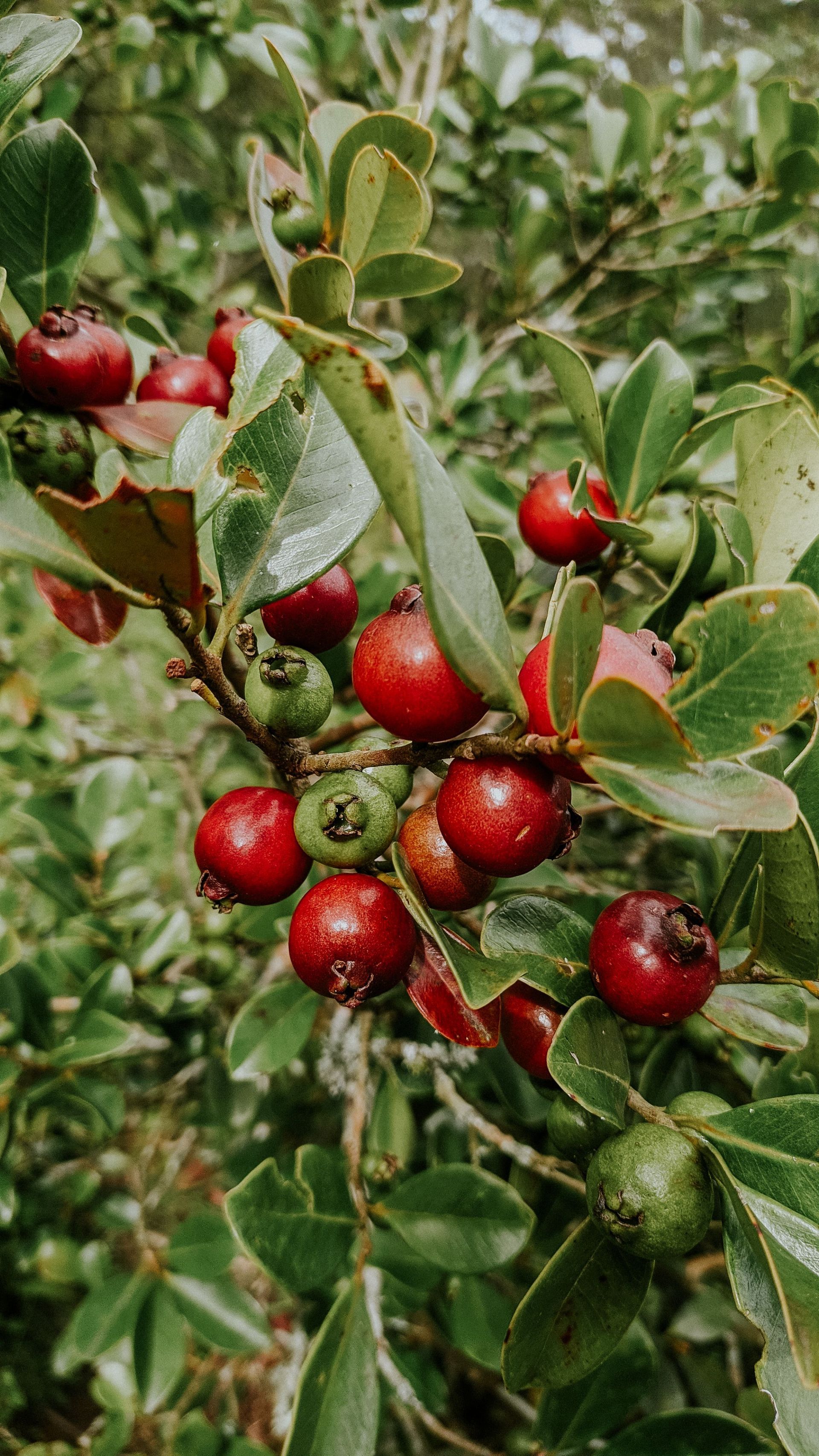
- Home gardens: Fruit trees like guava, pawpaw, or passion fruit.
- Environmental projects: Indigenous trees and fast-growing shade trees.
💡 Tip: For commercial purposes, seedlings with proven market demand are safer investments.
4. Seedling Age and Quality
Healthy seedlings grow faster and survive better. Look for:
- Strong stems and healthy leaves
- No signs of pests or disease
- Good root systems
- Proper grafting for fruit trees
Seedlings that are too old may have slowed growth, while too young seedlings may be delicate.
5. Variety Selection
Different varieties have different benefits:
- Avocado: Hass, Fuerte, Pinkerton
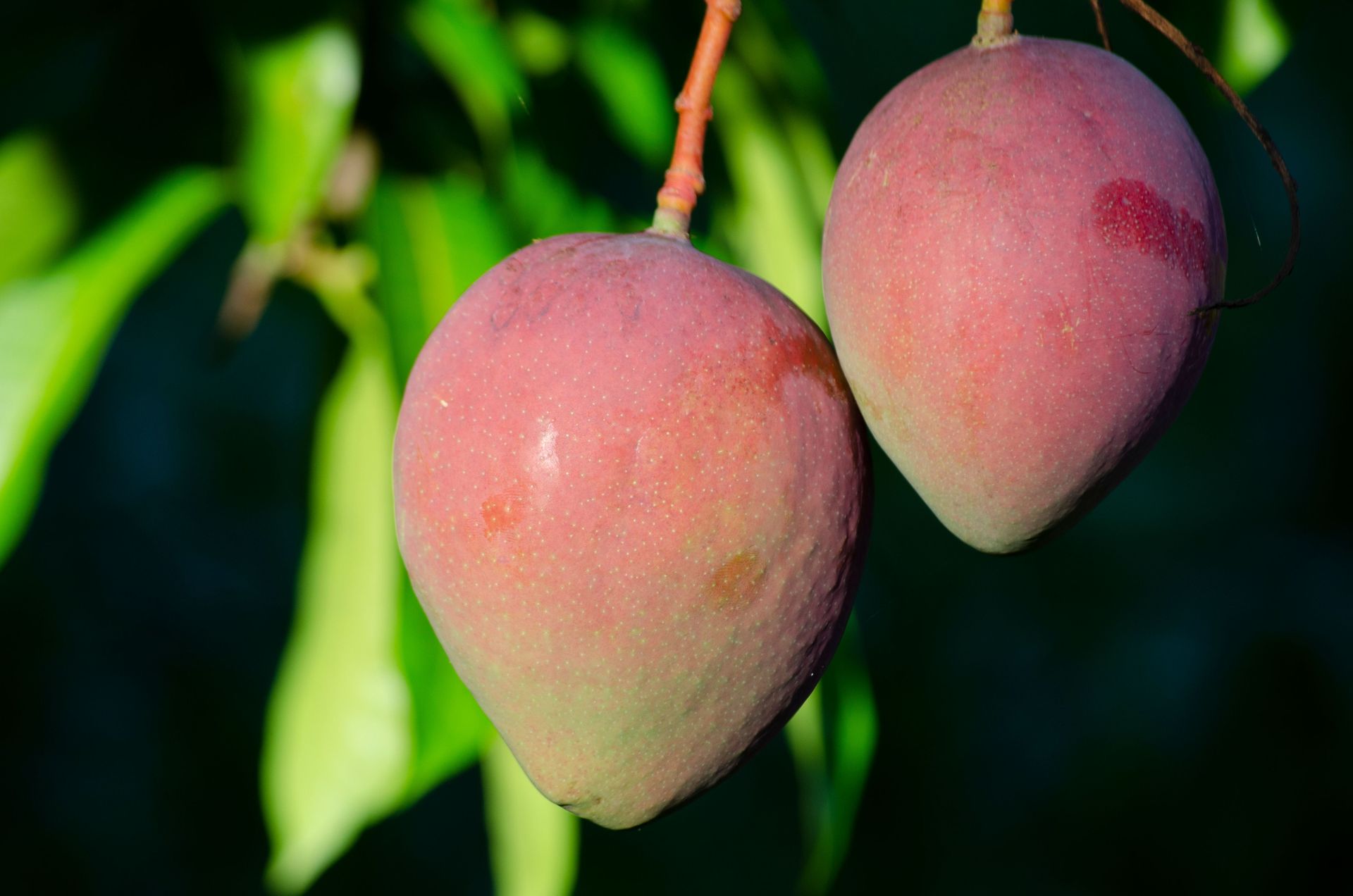
- Mango: Apple, Kent, Tommy Atkins
- Macadamia: Beaumont, H2, HAES 842
- Grevillea: Fast-growing for timber and erosion control
💡 Tip: Ask nurseries for high-performing local varieties.
6. Water and Irrigation Requirements
Some seedlings need more water, others are drought-tolerant:
- Water-intensive: avocado, passion fruit, guava
- Drought-tolerant: mango, grevillea, cypress, cashew
Match seedlings with your irrigation capacity.
7. Pest and Disease Resistance
Ask nurseries about seedlings’ resistance:
- Avocado seedlings resistant to root rot
- Mango seedlings tolerant to anthracnose
- Macadamia seedlings resistant to fungal diseases
This reduces crop loss and saves on chemical costs.
8. Nursery Reputation and Verification
Working with verified nurseries ensures seedling quality:
- Seedlink only lists verified nurseries with high-quality seedlings.
- Verified nurseries offer guarantees on survival rates.
💡 Tip: Avoid roadside seedling sellers with no quality assurance.
Recommended Seedlings for Farmers in Kenya (2026)
Here’s a quick guide to some of the most profitable and suitable seedlings by category:
Fruit Seedlings
SeedlingBest RegionsNotesAvocado (Hass, Fuerte)Nairobi, Kiambu, Murang’aHigh market demand, commercial varietyMango (Apple, Kent)Coastal, EasternDrought-tolerant, fast-growingMacadamiaCentral Kenya, Rift ValleyHigh-value nut, long-term incomePassion FruitCentral, Rift ValleyRequires trellis, high market valueGuavaCentral, CoastQuick growth, small-scale farming
Tree Seedlings
SeedlingBest RegionsPurposeGrevilleaAll highlandsTimber, soil erosion controlCypressSemi-arid & highlandsWindbreaks, timberIndigenous treesAcross KenyaConservation, environmental projectsEucalyptusCentral, Rift ValleyTimber, fuelwood
Flower & Ornamental Seedlings
SeedlingBest RegionsNotesHibiscusAll regionsDecorative, easy to growBougainvilleaDry & semi-aridLow maintenance, ornamentalRosesCentral highlandsCommercial flower farming
How Seedlink Helps Farmers Choose the Right Seedlings
Seedlink is more than a marketplace—it’s a trusted partner for farmers across Kenya:
- Verified Nurseries: All nurseries are vetted for quality seedlings.
- Wide Selection: Fruit, timber, vegetable, and ornamental seedlings in one place.
- Expert Advice: Extension support from agronomists and nursery experts.
- Delivery Services: Seedlings delivered safely to your farm.
- Bulk Orders: Discounts and availability for commercial planting.
💡 Tip: Use Seedlink’s search filters by county, seedling type, and quantity to find exactly what you need.
Step-by-Step Process to Buy Seedlings with Seedlink
- Visit www.seedlink.co.ke
- Select your county and seedling type
- Choose verified nurseries and seedlings
- Check prices and availability
- Place your order online or via WhatsApp
- Arrange delivery to your farm
- Receive seedlings and planting guidance
FAQs About Choosing Seedlings in Kenya
Q1: Can I buy seedlings in bulk?
Yes! Seedlink allows bulk orders for farmers, schools, NGOs, and landscaping projects.
Q2: How do I know if seedlings will survive in my area?
Seedlink nurseries provide region-specific seedlings and expert advice on soil, climate, and care.
Q3: Are seedlings delivered to my farm?
Yes, Seedlink offers safe delivery services across Kenya.
Q4: Can I get advice on planting and care?
Absolutely. Seedlink connects you to agronomists and nursery experts for guidance.
Final Tips for Farmers
- Choose seedlings suited to your county’s climate.
- Invest in healthy seedlings with strong roots and no disease.
- Work with verified nurseries like those on Seedlink.
- Consider water, irrigation, and soil quality before planting.
- Plan for long-term profitability—choose crops with high demand.
Conclusion
Choosing the right seedlings is the foundation of a successful farm in Kenya. With so many options available, farmers need access to quality seedlings, expert advice, and reliable nurseries. Seedlink provides all of this in one platform, making it easy to select, order, and receive seedlings that thrive in your farm conditions.
Whether you are planting fruit trees, timber, vegetables, or ornamental plants, Seedlink connects you to trusted nurseries across Kenya, helping you maximize yields, reduce losses, and grow your farm business sustainably.
📲
Get Started Today: Call or WhatsApp Seedlink at
0740712579
🌐 Visit:www.seedlink.co.ke