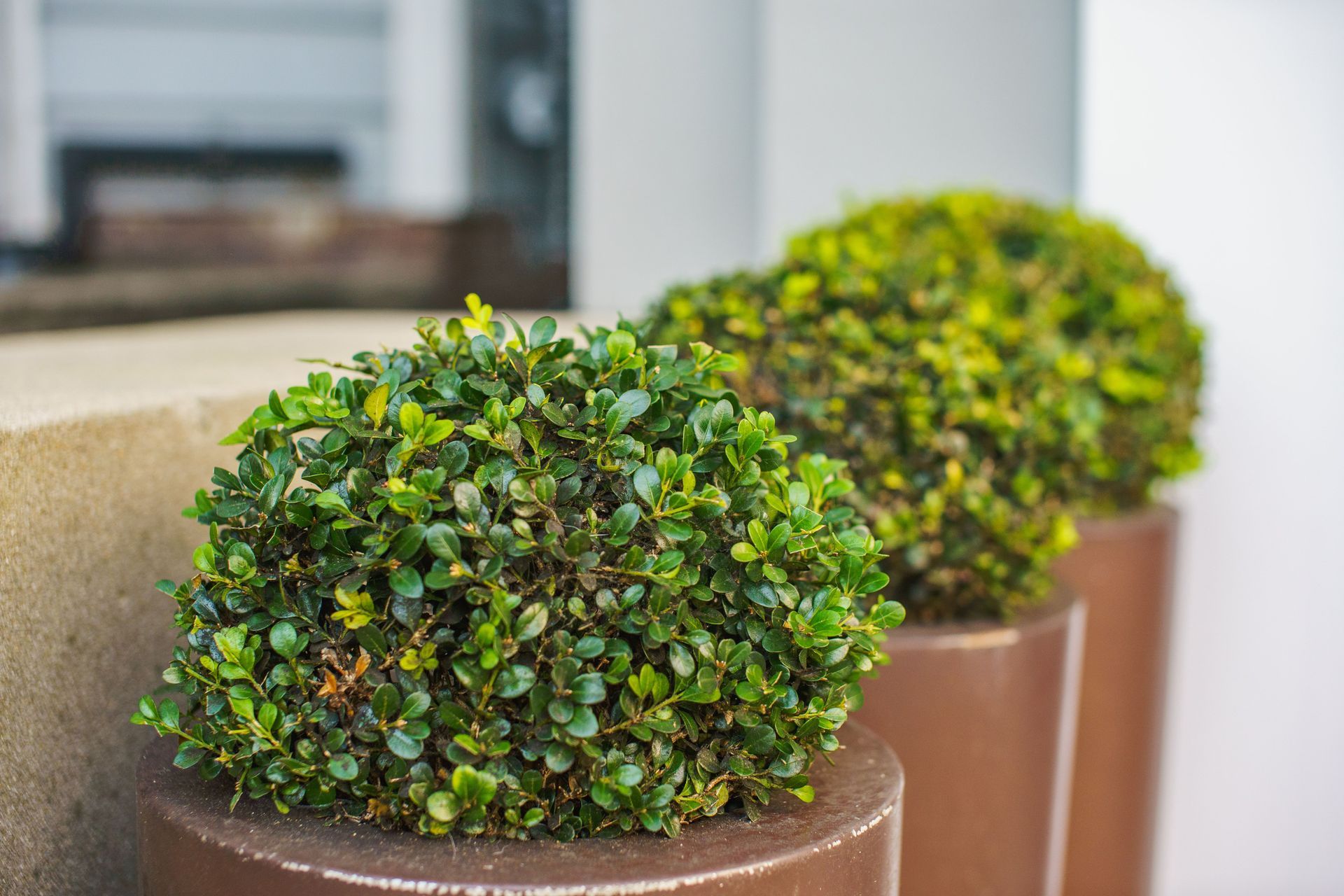
12. Seedling Farming in Kenya: A Beginner’s Guide to Making Money
Seedling Farming in Kenya: A Beginner’s Guide to Making Money
Seedling farming in Kenya is one of the most promising agricultural ventures today. With a growing population, increasing urbanization, and a strong focus on environmental conservation, demand for high-quality seedlings—from fruit trees to timber and ornamental plants—has never been higher. For aspiring farmers, community groups, or entrepreneurs, starting a seedling business offers not only income but also the chance to support Kenya’s green economy.
In this guide, we’ll walk you through everything you need to know about seedling farming in Kenya, how to choose the right seedlings, and how to make money by leveraging platforms like Seedlink.
Table of Contents
- What is Seedling Farming?
- Why Seedling Farming is Profitable in Kenya
- Types of Seedlings to Grow
- Choosing the Right Location for Your Nursery
- How to Start a Seedling Nursery in Kenya
- Seedling Farming Techniques
- Marketing and Selling Your Seedlings
- Using Seedlink to Grow Your Business
- Challenges in Seedling Farming and How to Overcome Them
- Conclusion
1. What is Seedling Farming?
Seedling farming, also called nursery farming, involves producing young plants or trees from seeds, cuttings, or grafting methods. These seedlings are later sold to:
- Farmers expanding their orchards or farms
- Schools, universities, and institutions for landscaping
- NGOs and government programs for reforestation
- Real estate developers and landscapers
Seedlings can include fruit trees, timber trees, ornamental flowers, and vegetable seedlings.
In Kenya, popular seedlings include:
- Avocado (Hass, Fuerte)
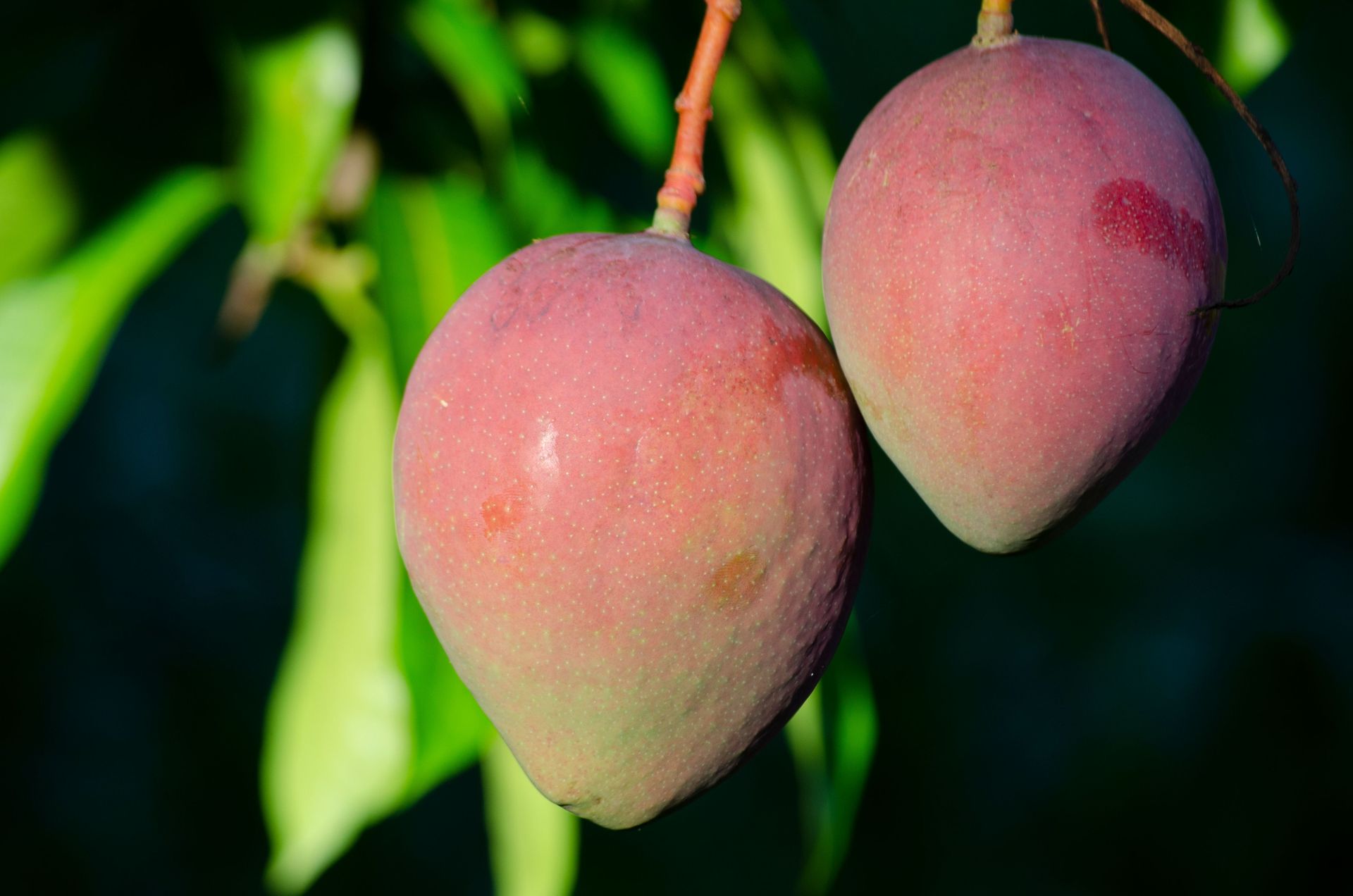
- Mango
- Macadamia
- Grevillea
- Cypress and indigenous trees
- Vegetable seedlings (tomatoes, cabbages, spinach)
2. Why Seedling Farming is Profitable in Kenya
Several factors make seedling farming one of the fastest-growing agricultural opportunities in Kenya:
a) High Demand for Quality Seedlings
Farmers are increasingly aware of the importance of starting with healthy seedlings to maximize yield. Poor-quality seedlings often result in crop failure.
b) Reforestation and Environmental Projects
Government and NGO programs focus on tree planting and environmental conservation, boosting demand for timber and indigenous tree seedlings.
c) Urban Landscaping & Real Estate Growth
The expansion of housing projects and commercial buildings creates a strong demand for ornamental and fruit trees for landscaping.
d) Income Potential
With proper management, a small nursery can earn KSh 50,000–200,000 per month, depending on seedling type and scale.
3. Types of Seedlings to Grow
Choosing the right seedlings is crucial for profitability. Below are some high-demand categories in Kenya:
a) Fruit Seedlings
- Avocado – Fast-growing, high market demand, especially Hass variety
- Mango – Popular for both local consumption and export
- Macadamia – High-value nut tree, ideal for long-term income
- Passion Fruit & Citrus – High yield and easy to market
b) Timber & Agroforestry Trees
- Grevillea – Fast-growing, ideal for timber & shade
- Cypress – Popular for timber and hedges
- Indigenous Trees – For environmental conservation programs
c) Ornamental & Flower Seedlings
- Hibiscus, bougainvillea, roses, and other decorative plants for landscaping
d) Vegetable Seedlings
- Tomatoes, cabbage, spinach, kale, peppers – especially in urban farming
4. Choosing the Right Location for Your Nursery
Location affects both the quality of seedlings and the ease of selling them. Consider the following:
- Accessibility: Easy access for buyers and delivery
- Water Availability: Reliable water source for irrigation
- Soil Type: Well-drained, fertile soils
- Security: Safe from livestock and theft
- Climate Suitability: Match seedlings to local climate conditions
5. How to Start a Seedling Nursery in Kenya
Starting a nursery involves careful planning. Here’s a step-by-step approach:
Step 1: Planning
- Decide on seedlings to grow based on demand and climate
- Estimate costs for seeds, pots, trays, soil, and irrigation
Step 2: Land Preparation
- Clear the area
- Prepare nursery beds or trays
- Install shade nets or greenhouse structures if needed
Step 3: Propagation
- Seed Propagation – Sow seeds in pots or trays
- Grafting or Cutting – For high-quality fruit seedlings
- Watering & Fertilization – Keep seedlings healthy
Step 4: Maintenance
- Regular watering, weeding, pest control
- Pruning and hardening seedlings for strong growth
Step 5: Record Keeping
- Track seedling types, quantities, and growth progress
- Helps with pricing and order management
6. Seedling Farming Techniques
a) Seed Sowing
- Use trays or small pots with a light soil mix
- Keep seeds moist until germination
b) Grafting
- Recommended for high-value fruit trees like avocado and mango
- Ensures quality and faster fruiting
c) Cutting & Layering
- Used for timber trees like grevillea and cypress
- Produces faster-growing seedlings
d) Pest & Disease Management
- Regular inspection for fungal infections and pests
- Use organic or approved pesticides
7. Marketing and Selling Your Seedlings
Marketing is key to converting seedlings into income. Here’s how to reach buyers:
a) Direct Sales
- Sell to farmers, landscapers, schools, and institutions
- Offer bulk discounts for large buyers
b) Online Platforms
- Platforms like Seedlink (www.seedlink.co.ke) connect you to buyers across Kenya
- Showcase seedling types, prices, and availability
c) Social Media Marketing
- Use Facebook, WhatsApp, and Instagram for promotions
- Share photos of healthy seedlings, tips, and customer testimonials
d) Community Engagement
- Partner with farmer groups, NGOs, and county extension officers
- Participate in agricultural fairs and tree-planting initiatives
8. Using Seedlink to Grow Your Business
Seedlink is designed to make seedling farming profitable and scalable. Here’s why:
a) Marketplace Access
- Connect with buyers across all 47 counties
- Sell fruit, tree, vegetable, and ornamental seedlings
b) Reliable Payment & Logistics
- Secure transactions using M-Pesa
- Delivery coordination for bulk buyers
c) Expert Support
- Access agronomists and extension experts
- Grow high-quality seedlings that sell fast
d) Visibility & Marketing
- Showcase your nursery on Seedlink’s website
- Increase sales without needing physical storefronts
9. Challenges in Seedling Farming and How to Overcome Them
Challenge 1: Pests & Diseases
Solution: Regular monitoring, organic pest control, and healthy propagation techniques
Challenge 2: Poor Quality Seedlings
Solution: Use certified seeds, grafting techniques, and quality control
Challenge 3: Market Access
Solution: Leverage Seedlink marketplace, social media, and local networks
Challenge 4: Water Shortages
Solution: Install water tanks, drip irrigation, or rainwater harvesting
Challenge 5: Seasonal Demand Fluctuations
Solution: Diversify seedlings, target institutional buyers, and maintain a nursery schedule
10. Conclusion
Seedling farming in Kenya is a lucrative opportunity for beginners and established farmers alike. With the right seedling selection, nursery practices, and market access, you can build a profitable business that also contributes to environmental conservation.
By leveraging platforms like Seedlink (www.seedlink.co.ke), you can:
- Reach buyers across Kenya
- Ensure secure payments and delivery
- Access expert guidance for better yields
Whether you want to grow avocado seedlings, grevillea, or ornamental plants, Seedlink helps you turn your nursery into a thriving business.
📞 Contact Seedlink Today
Grow your nursery, reach more buyers, and make money from seedlings:
Call/WhatsApp: 0740712579
Website:
www.seedlink.co.ke