Why Kenya Meteorological Society Supports Climate Awareness Inspired by Wangari Maathai
Climate change is no longer a distant environmental concern discussed only in scientific conferences and global summits. Across Kenya, communities are increasingly experiencing prolonged droughts, unpredictable rainfall patterns, rising temperatures, floods, and declining agricultural productivity. These environmental changes are directly affecting livelihoods, food security, biodiversity, and public health.
In response to these growing challenges, organizations committed to climate education and environmental sustainability have intensified efforts to create awareness and promote practical solutions. One of the organizations at the forefront of climate awareness in Kenya is the Kenya Meteorological Society. Inspired by the enduring environmental legacy of Wangari Maathai, the society continues to advocate for climate literacy, sustainable environmental management, and community participation in conservation efforts.
Wangari Maathai’s work demonstrated that environmental conservation is deeply connected to human dignity, economic empowerment, and social justice. Her vision emphasized that communities must actively participate in protecting forests, planting trees, restoring ecosystems, and promoting sustainability. Today, this philosophy continues to influence climate scientists, environmental activists, educators, and policymakers across Kenya.
The Kenya Meteorological Society recognizes that climate awareness cannot remain within academic circles. It must reach farmers, schools, youth groups, women organizations, local nurseries, and grassroots communities if Kenya is to build resilience against climate change.
Wangari Maathai’s Environmental Vision Still Shapes Kenya
When Wangari Maathai founded the Green Belt Movement in 1977, her mission was simple yet revolutionary: empower communities, especially women, to plant trees and restore degraded ecosystems.
What started as a tree-planting initiative evolved into one of Africa’s most influential environmental movements. Through the Green Belt Movement, millions of trees were planted across Kenya, helping combat deforestation, soil erosion, desertification, and water scarcity.
More importantly, Wangari Maathai connected environmental conservation with livelihoods. Communities were encouraged not only to plant trees but also to understand the ecological importance of forests, indigenous biodiversity, and sustainable land management.
This people-centered approach aligns closely with the goals of the Kenya Meteorological Society, which promotes climate awareness that communities can understand and apply in their daily lives.
Understanding Climate Awareness in Kenya
Climate awareness involves helping people understand:
- The causes of climate change
- The impact of changing weather patterns
- Sustainable adaptation methods
- Disaster preparedness
- Reforestation and ecosystem restoration
- Water conservation
- Sustainable agriculture
- Renewable energy adoption
For many rural communities in Kenya, climate awareness is becoming increasingly important as farmers struggle with irregular planting seasons and declining crop yields.
The Kenya Meteorological Society works closely with meteorologists, environmental scientists, researchers, students, and climate advocates to bridge the gap between scientific climate data and practical community solutions.
By educating communities on weather patterns, climate forecasting, and environmental conservation, the society empowers people to make informed decisions that protect livelihoods and ecosystems.
Seedlink Advert: Connecting Communities Through Trees
Looking for Indigenous, Exotic, or Fruit Tree Seedlings?
Local community nurseries across Kenya are producing high-quality seedlings that are transforming landscapes, restoring forests, and creating income opportunities.
Whether you are searching for:
- Indigenous trees
- Fruit trees
- Ornamental trees
- Exotic tree varieties
- Agroforestry seedlings
- Landscaping plants
Seedlink Kenya is helping connect local nurseries with farmers, landscapers, schools, institutions, developers, and environmental conservation projects.
Popular Trees Available Through Community Nurseries:
- Croton Megalocarpus
- Meru Oak
- Mukima
- Grevillea
- Avocado seedlings
- Mango seedlings
- Macadamia seedlings
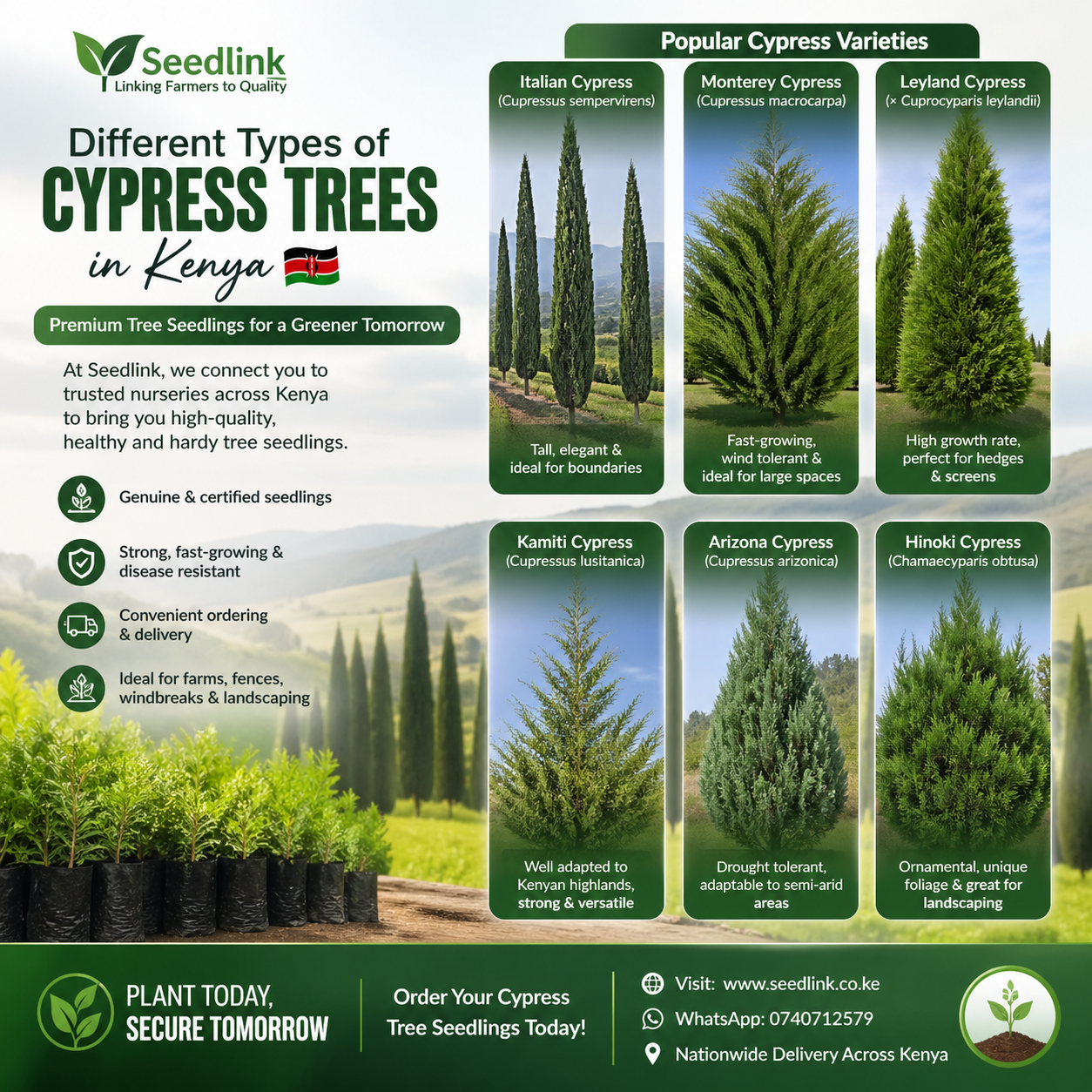
- Cypress trees
- Neem trees
- Bamboo seedlings
Why Support Community Nurseries?
- Promote local economic empowerment
- Encourage indigenous tree restoration
- Support climate resilience initiatives
- Improve biodiversity conservation
- Create employment opportunities for youth and women groups
📞 Contact Seedlink:
0740712579
🌐 Website:
www.seedlink.co.ke
Why Meteorological Information Matters to Farmers
Agriculture remains one of Kenya’s most climate-sensitive sectors. Millions of Kenyans rely directly on rain-fed agriculture, making accurate weather forecasting essential for food security.
The Kenya Meteorological Society supports awareness campaigns that educate farmers on:
- Seasonal rainfall forecasts
- Drought preparedness
- Flood early warning systems
- Climate-smart agriculture
- Soil conservation techniques
- Agroforestry practices
These efforts reflect Wangari Maathai’s belief that environmental sustainability begins at the community level.
Tree planting, especially through agroforestry, has become one of the most effective climate adaptation strategies in Kenya. Trees help regulate temperatures, improve soil fertility, conserve water, reduce erosion, and increase carbon sequestration.
As climate risks intensify, integrating trees into farming systems is becoming increasingly necessary.
The Importance of Indigenous Trees in Climate Resilience
Indigenous trees play a crucial role in restoring ecological balance. Unlike some exotic species, indigenous trees are naturally adapted to local climatic conditions and support biodiversity by providing habitat for birds, insects, and wildlife.
The Kenya Meteorological Society frequently emphasizes ecosystem restoration as part of climate adaptation discussions. This aligns with Wangari Maathai’s advocacy for protecting indigenous forests and water towers.
Kenya’s forests are vital for:
- Rainfall regulation
- Carbon absorption
- River protection
- Biodiversity conservation
- Prevention of land degradation
Communities are now increasingly encouraged to establish local nurseries that grow indigenous seedlings for schools, churches, county governments, NGOs, and conservation projects.
Seedlink Advert: Grow Trees, Restore Kenya
Are You Running a Community Nursery?
Seedlink Kenya is creating visibility for local tree nurseries by helping connect them with buyers across Kenya.
Seedlink Supports:
- Community environmental groups
- Women-led nurseries
- Youth climate initiatives
- Schools tree-planting clubs
- Church environmental projects
- County greening programs
Sell Your:
✅ Indigenous Trees
✅ Fruit Trees
✅ Exotic Trees
✅ Landscaping Plants
✅ Bamboo Seedlings
✅ Agroforestry Trees
Buyers Include:
- Schools
- Hotels
- Real estate developers
- Environmental NGOs
- County governments
- Farmers and landscapers
By connecting nurseries to markets, Seedlink helps communities turn environmental conservation into sustainable income generation.
📞 Call/WhatsApp:
0740712579
🌐 Visit:
Seedlink Official Website
Climate Change and Urban Areas in Kenya
Climate awareness is not only important in rural communities. Urban centers such as Nairobi, Mombasa, Kisumu, Nakuru, and Eldoret are also experiencing the effects of climate change.
Some of the emerging urban environmental challenges include:
- Urban flooding
- Heat islands
- Air pollution
- Reduced green spaces
- Water shortages
- Poor waste management
The Kenya Meteorological Society supports urban greening initiatives that encourage tree planting in schools, estates, roadsides, and public spaces.
This urban environmental awareness mirrors Wangari Maathai’s campaigns against illegal forest destruction and unsustainable urban development.
Today, many counties are introducing tree-planting drives aimed at increasing urban forest cover and improving environmental quality.
Youth Participation in Climate Awareness
Young people are becoming central to climate action movements globally, and Kenya is no exception.
The Kenya Meteorological Society frequently engages students and youth organizations in:
- Climate education forums
- Environmental campaigns
- Research projects
- School outreach programs
- Tree-planting exercises
- Weather and climate literacy initiatives
This youth involvement reflects Wangari Maathai’s long-standing belief that future generations must inherit a healthy environment.
Many schools now operate environmental clubs that:
- Establish tree nurseries
- Plant indigenous trees
- Promote recycling
- Educate communities on climate change
Such initiatives not only improve environmental awareness but also create entrepreneurial opportunities for students and youth groups involved in seedling propagation.
Seedlink Advert: Fruit Trees for Food Security & Income
Climate-smart communities are increasingly embracing fruit tree farming as a sustainable source of nutrition and income.
Through Seedlink Kenya, local nurseries can connect with buyers looking for:
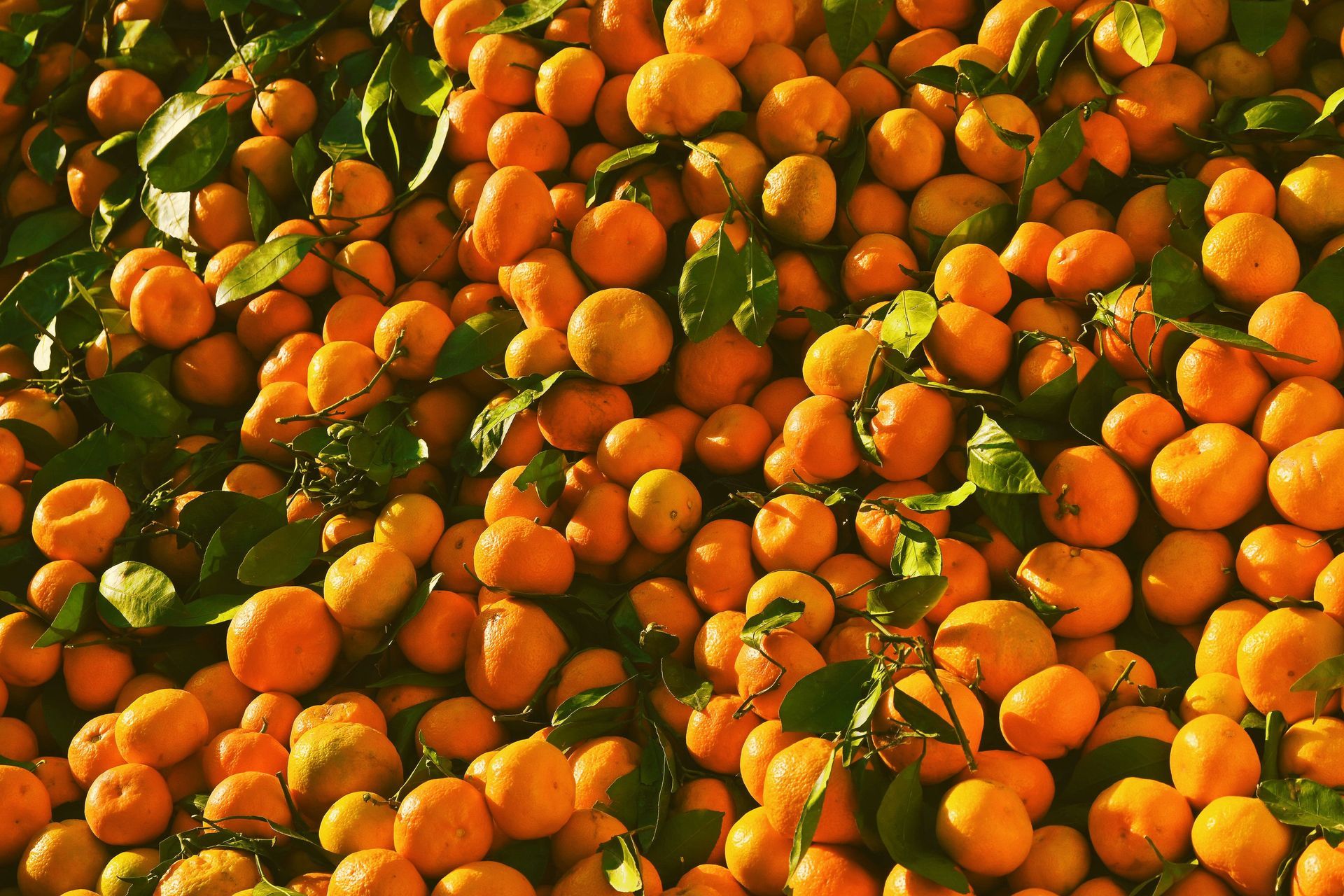
🍊 Orange Seedlings
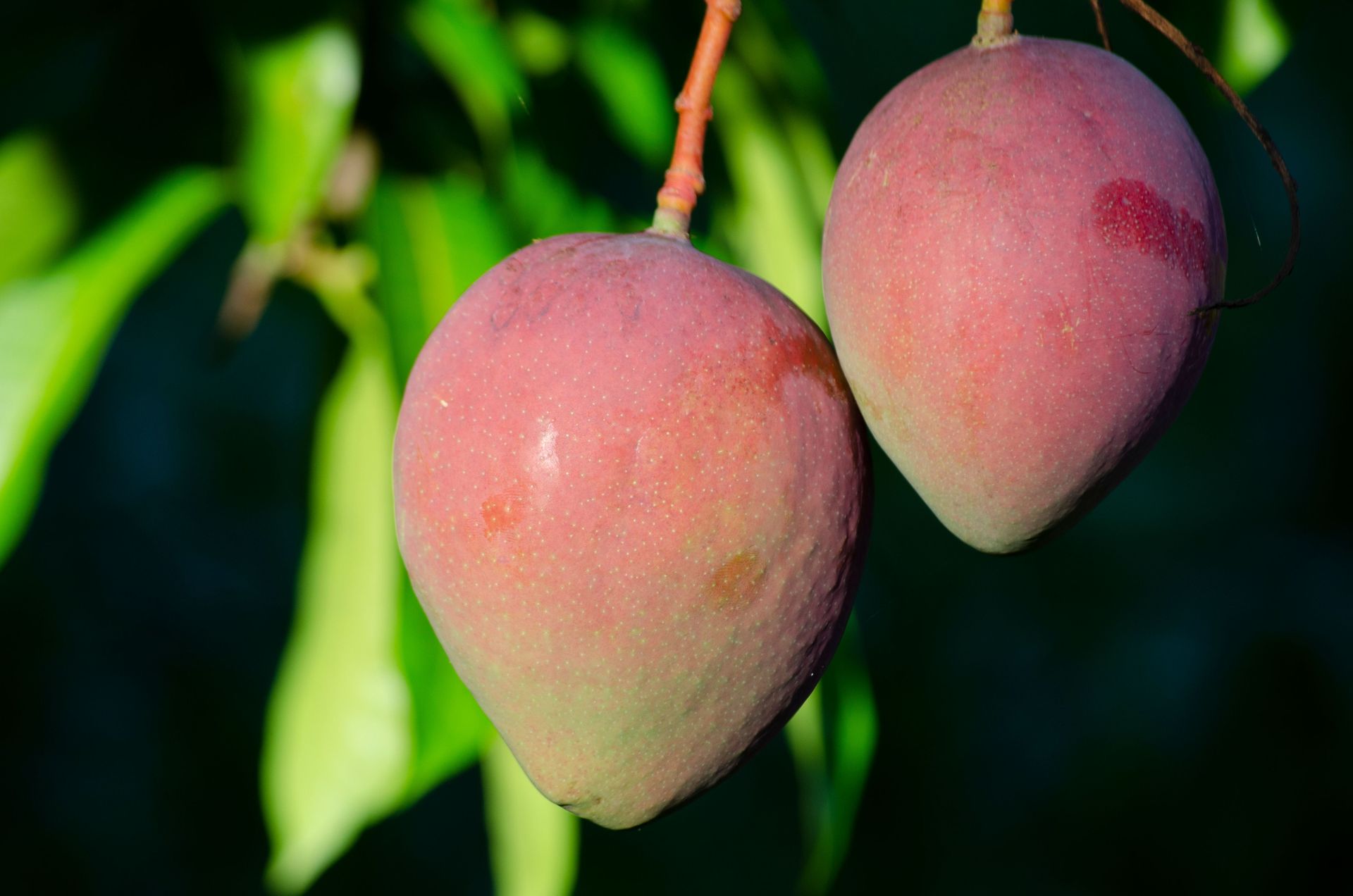
🥭 Mango Seedlings
🥑 Hass Avocado Seedlings
🍋 Lemon Trees
🍈 Passion Fruit Seedlings
🍎 Apple Seedlings
🌰 Macadamia Seedlings
Why Fruit Trees Matter:
- Improve household nutrition
- Generate long-term income
- Increase tree cover
- Support climate adaptation
- Promote sustainable farming
Seedlink helps farmers, institutions, and environmental organizations source quality seedlings from trusted local nurseries.
📞 Mobile:
0740712579
🌐 Website:
www.seedlink.co.ke
Women Leadership in Environmental Conservation
One of Wangari Maathai’s greatest contributions was empowering women through environmental conservation.
The Green Belt Movement demonstrated that women could lead climate action while simultaneously improving household livelihoods.
Today, women-led community nurseries continue to play a major role in:
- Seedling propagation
- Forest restoration
- Watershed protection
- Agroforestry promotion
- Climate awareness campaigns
The Kenya Meteorological Society recognizes the importance of inclusive climate action that involves women, youth, scientists, policymakers, and grassroots communities.
Empowering women through tree nurseries and environmental entrepreneurship contributes to both climate resilience and economic empowerment.
Climate Awareness and Kenya’s Future
Kenya faces increasing climate-related risks that require coordinated efforts from government agencies, researchers, environmental organizations, businesses, and local communities.
Climate awareness is no longer optional. It is essential for:
- Food security
- Water conservation
- Disaster preparedness
- Biodiversity protection
- Sustainable urban development
- Public health
- Economic stability
The Kenya Meteorological Society continues to support scientific research and public education that help communities adapt to changing environmental realities.
Inspired by Wangari Maathai’s legacy, the organization understands that meaningful climate action begins with informed and empowered citizens.
Tree planting remains one of the simplest yet most effective tools for restoring ecosystems and combating climate change.
Building Climate Resilience Through Community Nurseries
Across Kenya, thousands of local nurseries are quietly contributing to climate resilience by producing seedlings that restore degraded landscapes and improve livelihoods.
These nurseries are:
- Creating green jobs
- Supporting reforestation programs
- Increasing access to fruit trees
- Conserving indigenous biodiversity
- Strengthening food security
Platforms like Seedlink Kenya are helping bridge the gap between these local nurseries and growing market demand.
By connecting buyers directly to community growers, Seedlink supports a greener and more sustainable Kenya.
Conclusion
The partnership between climate science and community action is essential in addressing Kenya’s environmental challenges. The Kenya Meteorological Society continues to champion climate awareness inspired by the enduring legacy of Wangari Maathai.
Their shared vision emphasizes:
- Environmental stewardship
- Climate education
- Community empowerment
- Reforestation
- Sustainable development
As climate change continues to impact Kenya, local communities will remain at the heart of environmental solutions.
Supporting community nurseries, planting indigenous trees, promoting agroforestry, and educating future generations are among the most practical ways to build resilience.
Through initiatives like Seedlink Kenya, local nurseries can access larger markets while contributing to Kenya’s environmental restoration efforts.
The future of climate resilience in Kenya will depend not only on policies and scientific forecasts but also on the willingness of communities to plant trees, protect ecosystems, and carry forward the environmental spirit championed by Wangari Maathai.