How Optiven Foundation Collaborates in Celebrating Wangari Maathai Day and Environmental Conservation
Environmental conservation in Kenya has evolved from being a niche advocacy space into a national movement that connects communities, institutions, private foundations, and grassroots innovators. At the heart of this movement is the enduring legacy of Professor Wangari Maathai—Nobel Peace Prize laureate, environmentalist, and founder of the Green Belt Movement—whose vision of trees as instruments of peace, livelihoods, and ecological balance continues to shape modern conservation efforts.
In recent years, institutions such as the Optiven Foundation have played a growing role in advancing this vision through tree-planting initiatives, environmental education, and community empowerment programs. Their collaboration in commemorative events such as Wangari Maathai Day is not only symbolic but also practical—linking environmental restoration to economic opportunity.
This blog explores how Optiven Foundation contributes to celebrating Wangari Maathai Day, the broader implications for environmental conservation, and how innovative platforms like Seedlink are helping connect local nurseries to real markets for exotic, indigenous, and fruit trees.
The Legacy of Wangari Maathai and the Meaning of Wangari Maathai Day
The name Wangari Maathai is synonymous with environmental justice, community empowerment, and sustainable development. Through her pioneering work, she demonstrated that environmental degradation is not just an ecological issue but also a social and economic one.
Wangari Maathai Day—commemorated in Kenya as part of environmental awareness efforts—serves as a national reminder of her philosophy: that restoring forests restores dignity, livelihoods, and resilience in communities.
On this day, schools, corporates, NGOs, and community groups come together to:
- Plant trees in public and degraded lands
- Educate youth on climate change and conservation
- Support indigenous tree restoration
- Promote sustainable land use practices
It is within this ecosystem of remembrance and action that organizations like Optiven Foundation position their work.
Optiven Foundation’s Role in Environmental Conservation
The Optiven Foundation has increasingly aligned its community impact programs with environmental sustainability. Its approach integrates three core pillars:
1. Community Tree Planting Initiatives
Optiven Foundation participates in organized tree planting activities during environmental days such as Wangari Maathai Day, focusing on:
- Indigenous tree restoration in degraded ecosystems
- Fruit tree planting to enhance food security
- Urban greening in schools and public spaces
These initiatives go beyond ceremonial planting—they emphasize survival rates, maintenance, and community ownership.
2. Environmental Education and Youth Engagement
One of the strongest elements of Optiven Foundation’s contribution is environmental awareness among young people. By engaging schools and youth groups, the foundation helps nurture a generation that understands:
- The importance of biodiversity
- Climate change adaptation
- Sustainable agriculture and agroforestry
3. Linking Environment to Livelihoods
Perhaps the most impactful aspect is the recognition that conservation must be economically viable. Tree planting is paired with income-generating opportunities such as:
- Fruit tree farming
- Indigenous tree nurseries
- Landscaping and agroforestry ventures
This is where partnerships with nursery networks become essential.
🌱 SEEDLINK ADVERTISMENT: Connecting Nurseries to Real Markets
🌿 Grow. Sell. Sustain. Thrive.
Local nurseries are the backbone of Kenya’s tree-growing ecosystem—but many struggle with consistent demand and market access. This is where Seedlink steps in.
Seedlink is transforming how farmers, schools, landscapers, and conservation programs access:
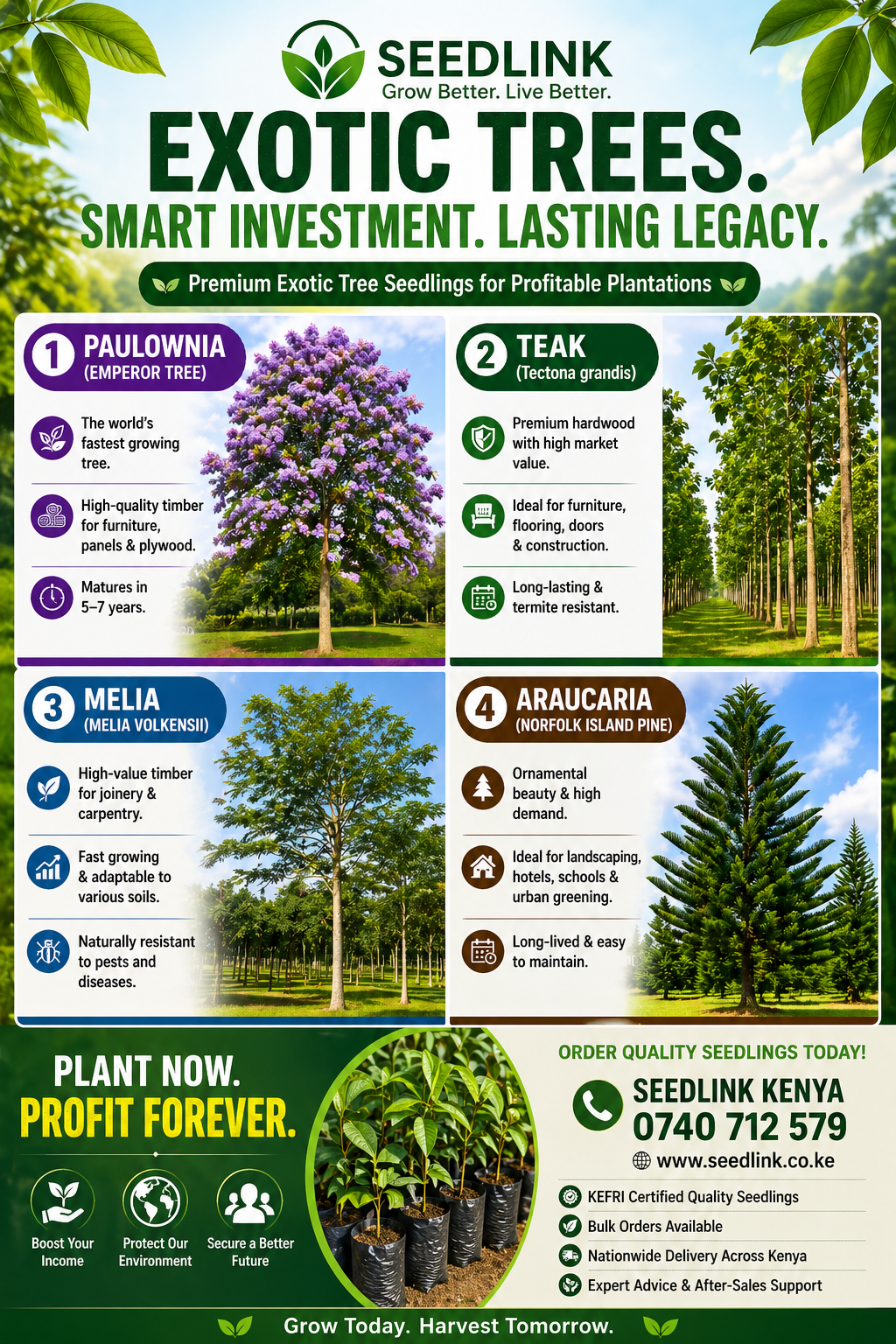
- Exotic trees
- Indigenous tree species
- High-value fruit trees
Through a structured supply network, Seedlink connects local nurseries directly to buyers, ensuring that every seedling grown has a market.
🌳 Whether you are a community nursery in Kiambu, a youth group in Murang’a, or a school environmental club, Seedlink helps you scale your impact.
📞
Contact Seedlink today: 0740712579
🌐
Seedlink Official Website
👉 Turn your nursery into a sustainable business while restoring the environment.
How Wangari Maathai Day Strengthens Community Action
Wangari Maathai Day is more than a commemorative event—it is a mobilization platform. Each year, organizations like Optiven Foundation use the occasion to:
Mobilize Tree Planting Campaigns
Communities gather to plant thousands of trees in schools, public lands, and degraded ecosystems. The emphasis is increasingly on:
- Indigenous species that restore biodiversity
- Fruit trees that support nutrition and income
- Climate-resilient varieties
Encourage Environmental Accountability
The day also serves as a reflection point, where stakeholders evaluate:
- Tree survival rates
- Land restoration progress
- Community participation levels
Strengthen Partnerships
Collaborations between private foundations, government agencies, and grassroots groups ensure that environmental action is sustained beyond symbolic planting days.
Bridging the Gap: Nurseries, Markets, and Conservation
One of the biggest challenges in environmental restoration is not planting trees—it is sustaining the supply chain of seedlings and ensuring demand from the market.
This is where the synergy between Optiven Foundation-style initiatives and Seedlink becomes powerful.
The Problem
Many local nurseries face:
- Unpredictable demand
- Limited access to large buyers
- Lack of structured distribution channels
The Solution
Seedlink creates a structured ecosystem where:
- Nurseries are aggregated into supply networks
- Buyers access verified seedlings easily
- Demand from conservation programs is matched efficiently
The Impact
- Increased income for nursery owners
- Higher tree survival rates due to better-quality seedlings
- Faster scaling of reforestation efforts
🌿 SEEDLINK FEATURED ADVERT: Empowering Local Nurseries
🌱 Turn Your Nursery Into a Profitable Green Business
Are you growing:
- Mango, avocado, or citrus trees?
- Indigenous species like croton, grevillea, or podo?
- Ornamental and exotic landscape trees?
Seedlink connects your nursery directly to schools, corporates, and conservation programs.
📦 Guaranteed market access
🌍 Nationwide demand network
🌳 Focus on indigenous and fruit tree ecosystems
📞 Call or WhatsApp: 0740712579
🌐
Seedlink Marketplace
💡 “Grow trees. Grow income. Restore ecosystems.”
The Environmental and Economic Impact of Collaboration
When organizations like Optiven Foundation collaborate with broader environmental ecosystems, the results extend far beyond tree planting:
1. Climate Resilience
Increased tree cover improves rainfall patterns, reduces soil erosion, and stabilizes ecosystems.
2. Food Security
Fruit tree planting ensures communities have access to:
- Avocados
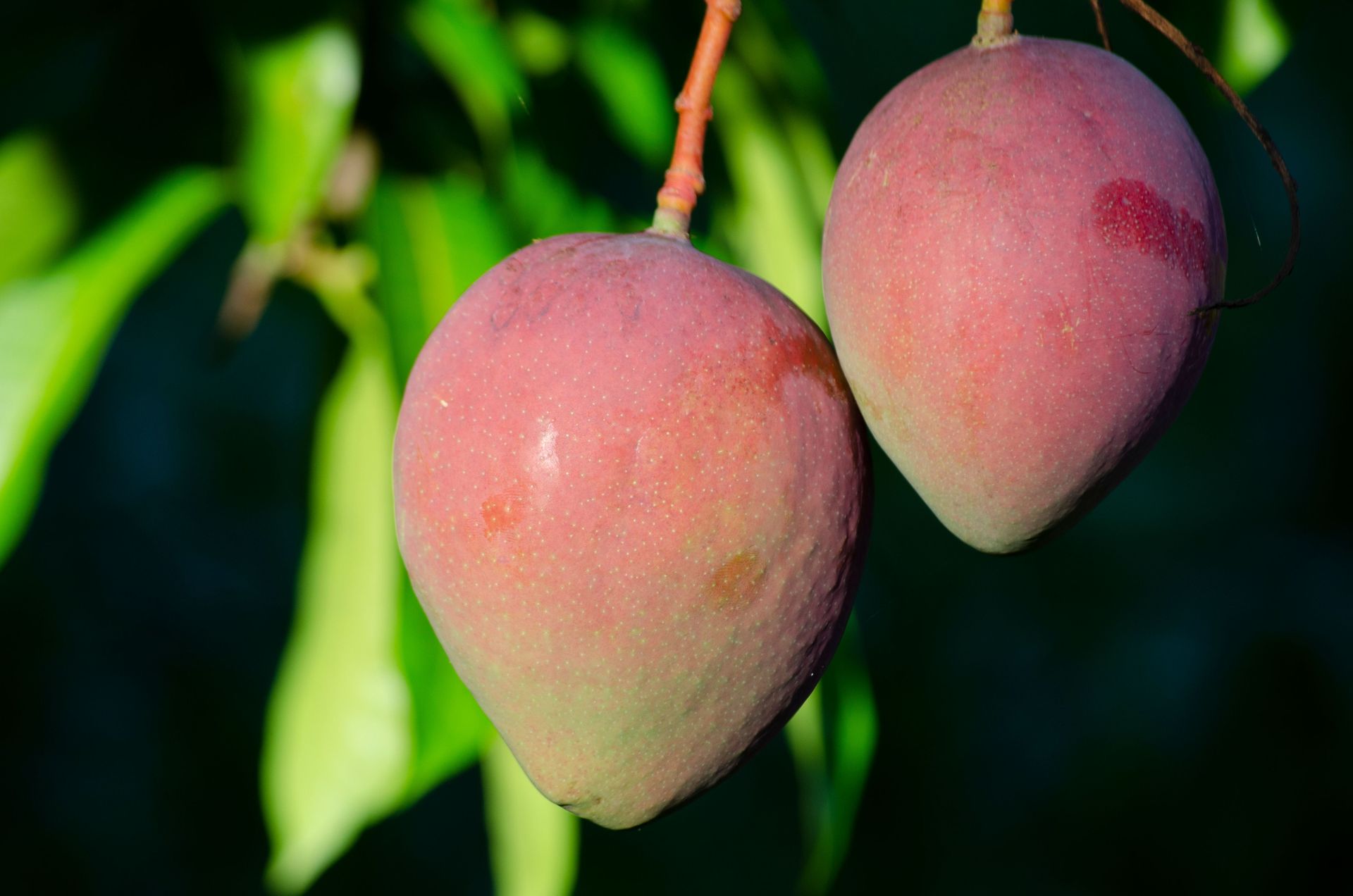
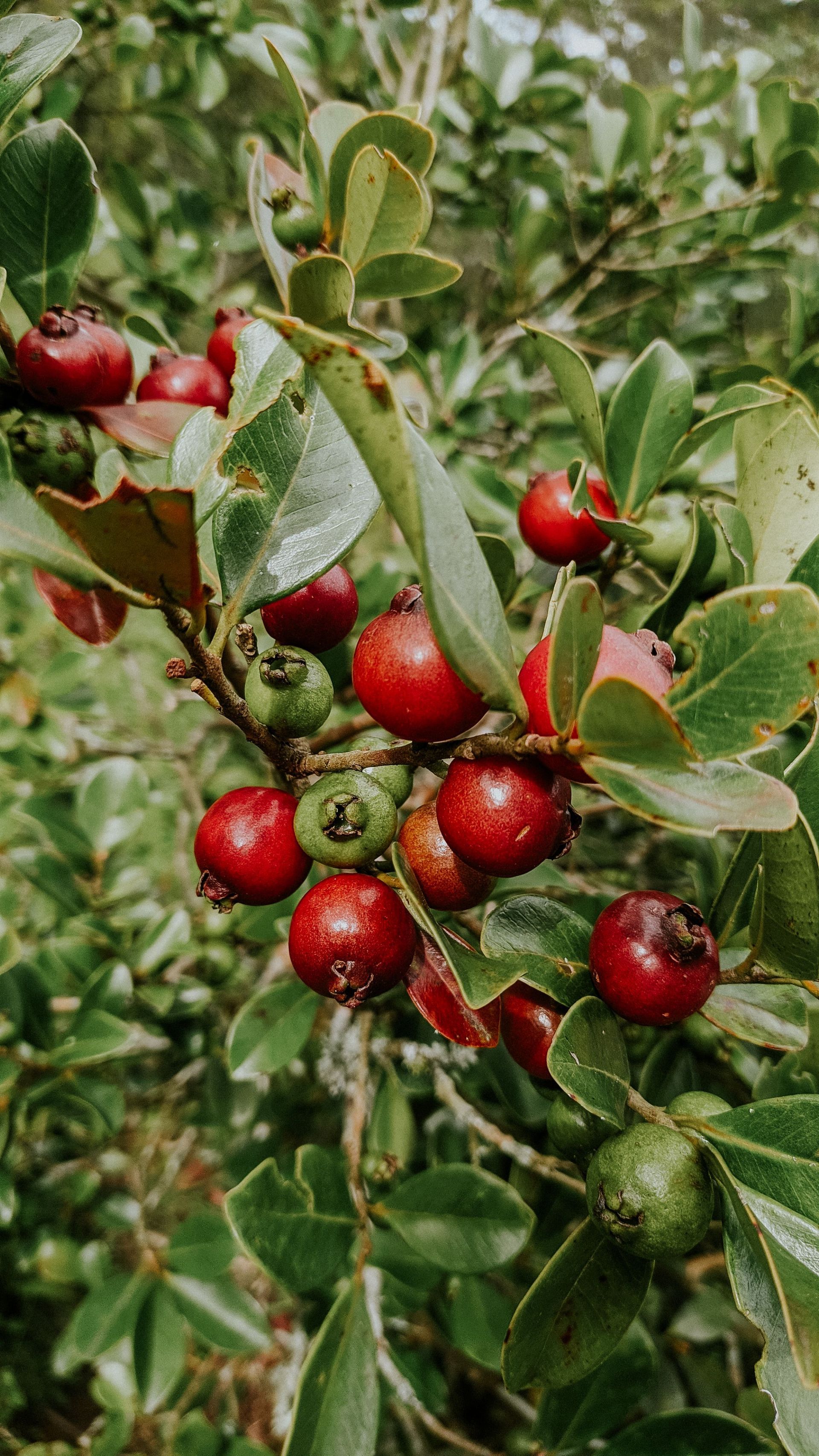
- Mangoes
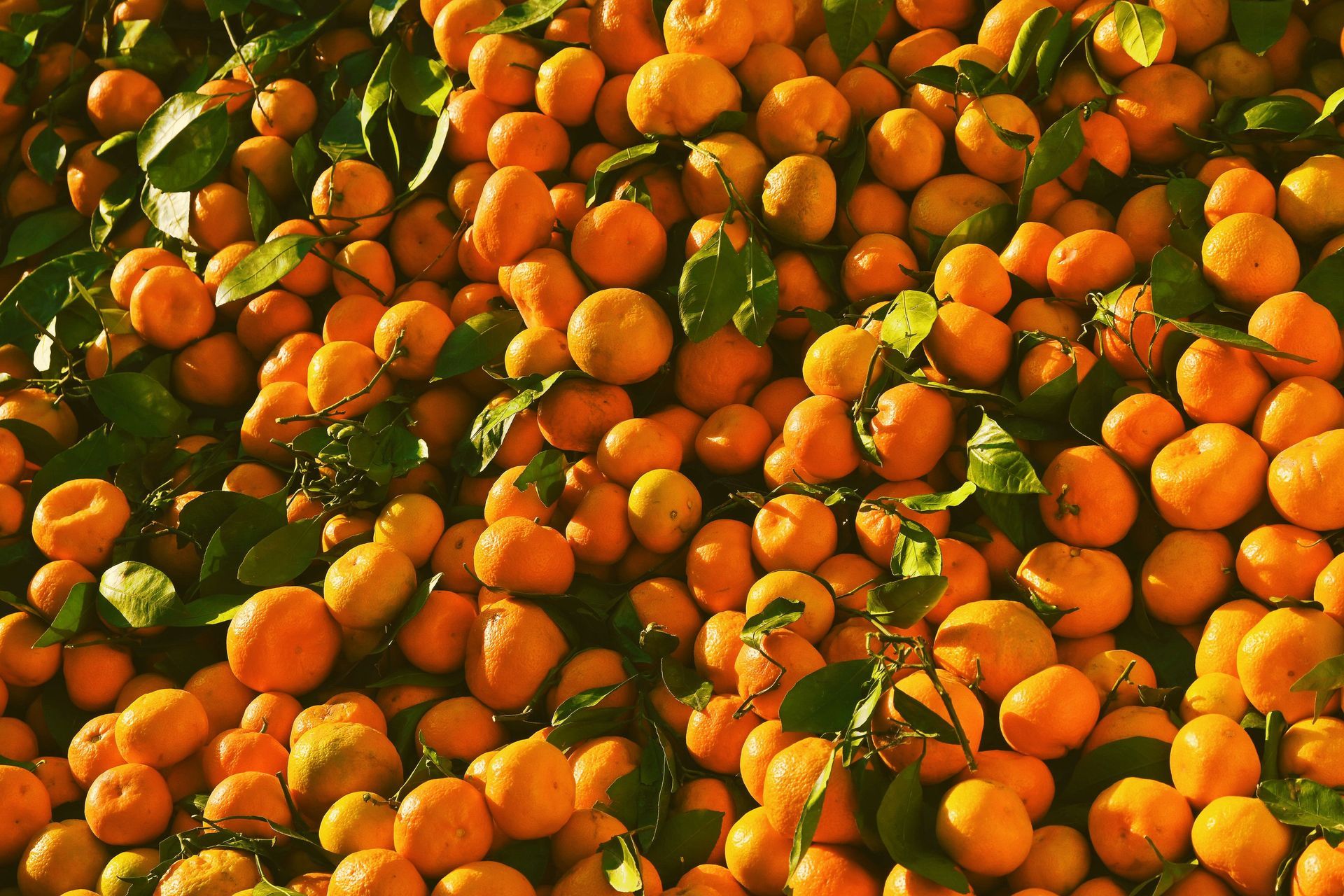
- Citrus fruits
- Indigenous edible species
3. Economic Empowerment
Through nursery networks and seedling markets:
- Youth gain employment
- Women groups develop agribusiness ventures
- Rural economies diversify income sources
4. Biodiversity Restoration
Indigenous trees restore habitats for birds, insects, and pollinators, rebuilding ecological balance.
Join the Green Value Chain
🌳 From Seed to Market—We Make It Happen
Seedlink is building a future where every tree planted has a purpose and a buyer.
We support:
- Community nurseries
- Schools and environmental clubs
- Farmers and agroforestry projects
- Corporate CSR tree-planting programs
📞 Call: 0740712579
🌐
Visit Seedlink
🌍 Let’s grow Kenya’s green economy together.
Conclusion: A Shared Vision for a Greener Future
The collaboration between organizations like Optiven Foundation and environmental movements inspired by Wangari Maathai demonstrates the power of collective action in addressing climate change and ecological degradation.
Wangari Maathai Day serves as a powerful reminder that environmental conservation is not a one-day activity but a continuous commitment. When foundations, communities, and innovative platforms like Seedlink align their efforts, the result is a thriving ecosystem where trees become more than symbols—they become livelihoods, food sources, and climate solutions.
By connecting nurseries to markets, empowering communities, and sustaining conservation beyond ceremonial events, Kenya moves closer to realizing Wangari Maathai’s lifelong dream: a greener, healthier, and more equitable world.