The Impact of World Resources Institute in Supporting Wangari Maathai’s Climate Vision

Climate change, deforestation, biodiversity loss, and environmental degradation remain some of the greatest challenges facing Africa today. Across the continent, communities are grappling with prolonged droughts, declining agricultural productivity, shrinking forests, and unpredictable weather patterns. Yet amid these challenges, the legacy of Wangari Maathai continues to inspire a new generation of environmental leaders, institutions, and organizations committed to restoring ecosystems and empowering communities.
Among the organizations championing this mission is the World Resources Institute (WRI), a globally respected environmental research organization that has played a critical role in advancing climate resilience, sustainable landscapes, forest restoration, and community-centered conservation initiatives across Africa and beyond.
Wangari Maathai believed that environmental conservation was not just about planting trees—it was about restoring dignity, livelihoods, democracy, and hope. Through organizations like WRI, many of her ideas continue to shape global conversations around climate justice, landscape restoration, and sustainable development.
Wangari Maathai’s Vision for a Greener Africa
When Wangari Maathai founded the Green Belt Movement in 1977, few people understood the long-term environmental implications of deforestation. She recognized early that cutting down forests would eventually lead to water scarcity, soil erosion, hunger, and poverty.
Her solution was brilliantly simple: empower communities, especially women, to plant trees.
Over the decades, millions of trees were planted across Kenya, restoring degraded land while simultaneously creating livelihoods for rural families. Her movement became one of the most successful grassroots environmental campaigns in the world.
Today, the climate crisis has made Wangari Maathai’s ideas even more relevant.
Organizations such as WRI have expanded these ideas into large-scale climate restoration strategies that combine science, policy, financing, and community participation.
How World Resources Institute Supports Climate Restoration
The World Resources Institute works globally to address urgent environmental and development challenges. Their work focuses on:
- Forest and landscape restoration
- Climate adaptation
- Sustainable food systems
- Water security
- Energy transitions
- Community resilience
- Nature-based solutions
One of WRI’s most impactful contributions in Africa has been promoting large-scale restoration under initiatives like AFR100 (African Forest Landscape Restoration Initiative), which aims to restore millions of hectares of degraded land across the continent.
This vision aligns perfectly with Wangari Maathai’s belief that restoring forests can uplift both people and ecosystems.
The Power of Indigenous Trees in Climate Action
One of the most overlooked climate solutions in Africa is indigenous tree restoration.
Indigenous trees:
- Improve biodiversity
- Restore water catchments
- Enhance soil fertility
- Support pollinators
- Provide medicinal value
- Adapt better to local climates
- Sequester carbon efficiently
Wangari Maathai strongly advocated for indigenous species because they naturally support local ecosystems.
Today, organizations like WRI continue emphasizing native restoration rather than monoculture plantations.
However, one major challenge persists:
Many community nurseries struggle to access reliable markets.
Across Kenya, thousands of youth groups, women groups, and local nurseries grow high-quality indigenous and fruit tree seedlings but lack buyers and structured distribution systems.
🌱 Seedlink: Connecting Community Nurseries to Bigger Markets
If Wangari Maathai taught us anything, it is that environmental restoration begins at the community level.
That is why platforms like Seedlink are becoming increasingly important in Kenya’s restoration ecosystem.
Seedlink helps connect:
- Community nurseries
- Indigenous tree growers
- Fruit tree propagators
- Agroforestry farmers
- Landscaping projects
- Institutions and bulk buyers
Whether you are looking for:
- Exotic trees
- Indigenous trees
- Fruit tree seedlings
- Ornamental plants
- Agroforestry seedlings
Seedlink offers a digital marketplace that empowers local growers while supporting national restoration goals.
Contact Seedlink
📞 0740712579
🌐
www.seedlink.co.ke
By supporting local nurseries, Kenya can create green jobs while accelerating climate resilience.
Climate Restoration Is Also Economic Empowerment
One of Wangari Maathai’s most revolutionary ideas was linking environmental conservation to economic dignity.
Planting trees was not charity.
It was:
- Livelihood creation
- Food security
- Women empowerment
- Climate resilience
- Community ownership
This same philosophy drives many modern restoration programs.
Today, restoration projects supported by WRI often include:
- Farmer training
- Youth employment
- Community forest enterprises
- Agroforestry value chains
- Sustainable land-use planning
This integrated approach recognizes that communities protect what benefits them economically.
Agroforestry: The Future of African Farming
Agroforestry—the integration of trees into farming systems—is becoming one of Africa’s most promising climate solutions.
Farmers who integrate trees into agriculture often experience:
- Better soil moisture
- Reduced erosion
- Improved crop yields
- Increased biodiversity
- Additional income streams
- Reduced climate vulnerability
Fruit trees, especially, provide long-term food and income security.
Mangoes, avocados, macadamia, citrus, grafted oranges, and indigenous fruits are increasingly becoming important economic assets for rural households.
This is why strengthening nursery markets is critical.
Without sustainable nursery businesses, restoration targets become difficult to achieve.
🌳 Why Local Nurseries Need Digital Marketplaces
Thousands of tree nurseries across Kenya face common challenges:
- Limited visibility
- Seasonal demand fluctuations
- Lack of bulk buyers
- Poor logistics access
- Marketing difficulties
- Limited digital presence
Platforms like Seedlink Kenya bridge this gap by helping nurseries access:
- Schools
- NGOs
- County governments
- Real estate projects
- Landscaping firms
- Farmers
- Corporate CSR tree-planting projects
This creates sustainable income opportunities while supporting national climate goals.
Looking to Buy or Sell Tree Seedlings?
📞 0740712579
🌐
Visit Seedlink
AFR100 and Africa’s Restoration Ambitions
The AFR100 initiative seeks to restore over 100 million hectares of degraded landscapes in Africa by 2030.
Kenya remains one of the leading countries participating in this ambitious restoration agenda.
The success of these initiatives depends heavily on:
- Seed systems
- Community nurseries
- Indigenous tree propagation
- Climate-smart farming
- Local participation
Wangari Maathai understood that environmental sustainability cannot be imported—it must grow from within communities.
Organizations like WRI continue promoting restoration models that empower local actors rather than imposing external solutions.
Technology and Climate Restoration
Modern environmental restoration increasingly relies on technology.
Today, digital tools help:
- Map degraded land
- Monitor forest cover
- Predict climate risks
- Coordinate restoration projects
- Track carbon sequestration
- Connect nursery suppliers with buyers
This is where innovative Kenyan startups and agricultural platforms are playing a transformative role.
Digital marketplaces for seedlings are becoming essential in scaling tree-growing efforts.
Platforms such as Seedlink are modernizing how communities participate in restoration economies.
Instead of waiting for buyers physically, nurseries can now market:
- Indigenous trees
- Bamboo seedlings
- Fruit trees
- Ornamental plants
- Agroforestry seedlings
online to institutional and retail buyers.
🍊 Fruit Trees Are Climate Solutions Too
While forest restoration receives much attention, fruit trees are equally important in climate resilience.
Fruit trees:
- Improve household nutrition
- Generate income
- Diversify farms
- Enhance soil health
- Reduce heat stress
- Improve food security
Communities that grow fruit trees become more resilient to economic and climate shocks.
Wangari Maathai strongly believed in practical environmentalism—solutions that improve people’s daily lives.
Promoting fruit tree nurseries aligns perfectly with this philosophy.
Popular Fruit Trees in Kenya Include:
- Hass avocado
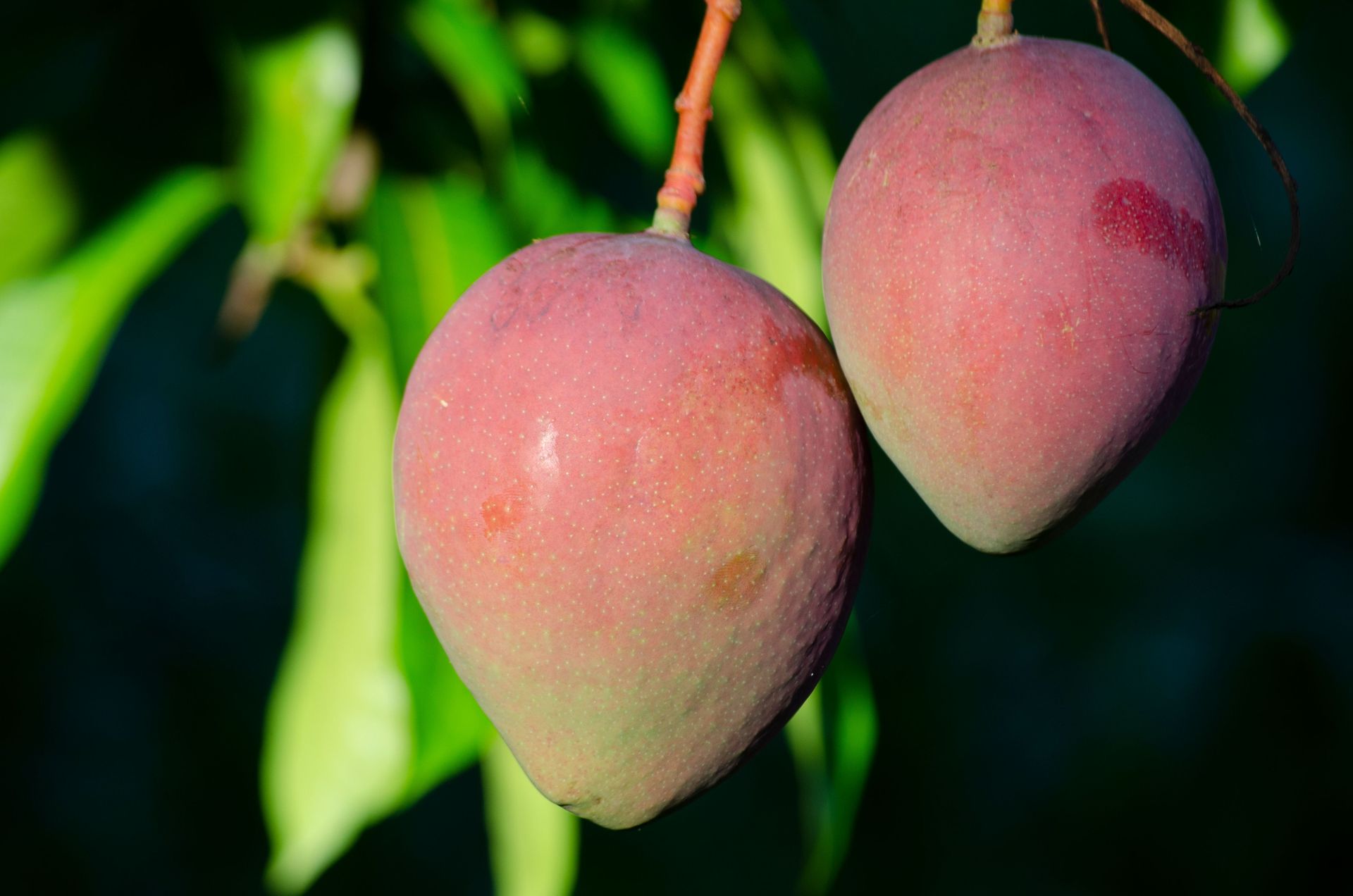
- Mango
- Tree tomato
- Macadamia
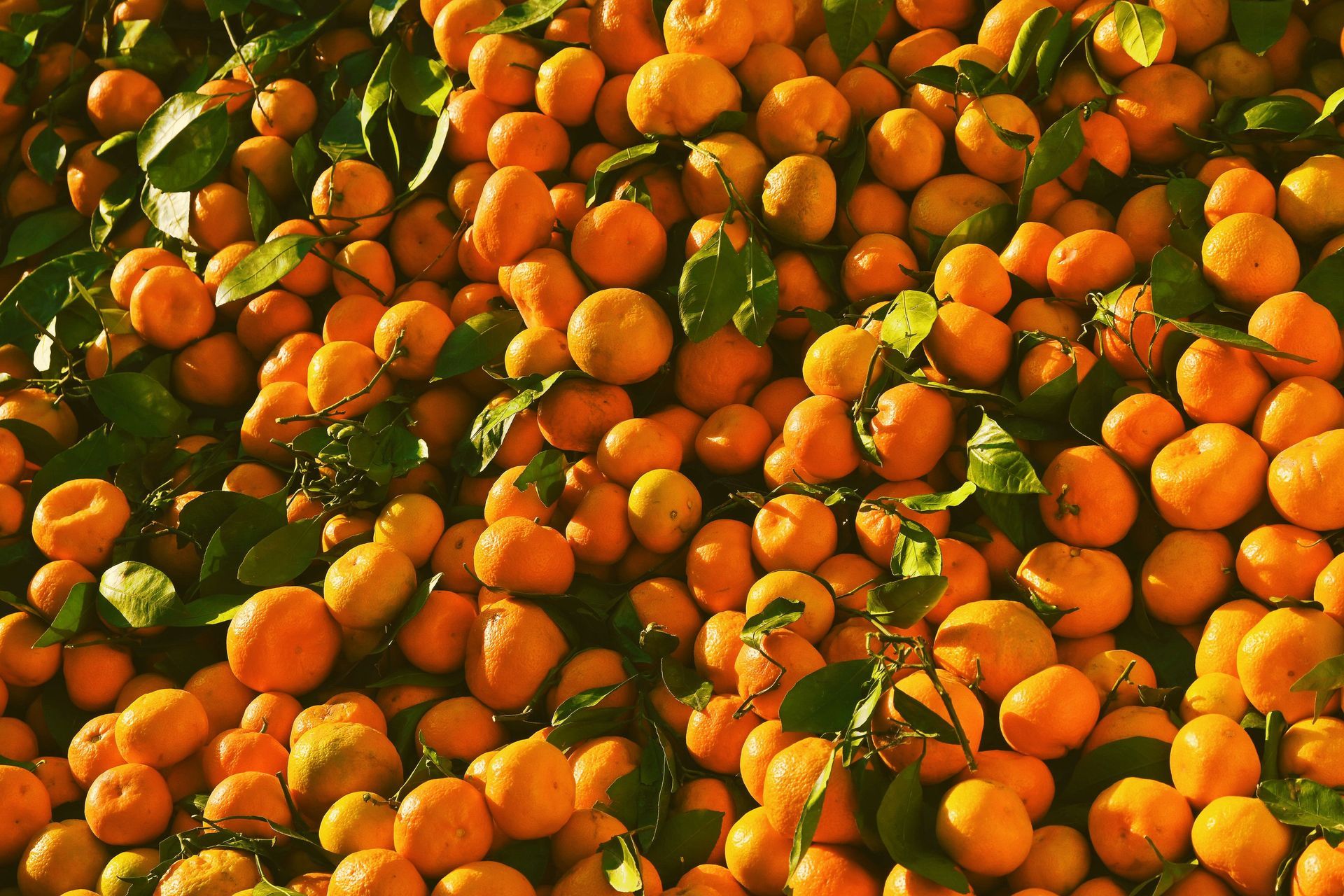
- Citrus
- Passion fruit
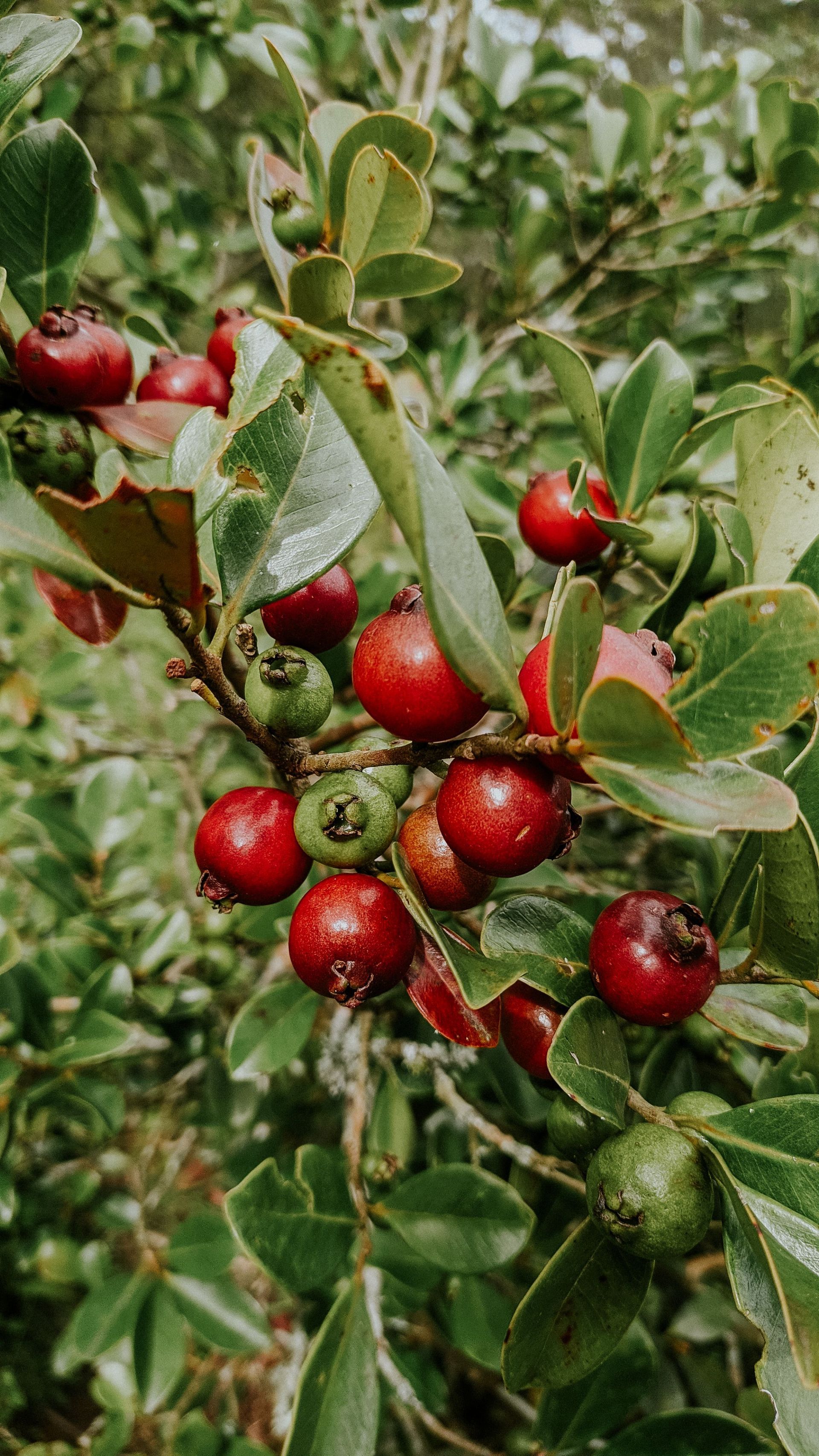
- Guava
- Pawpaw
These trees create sustainable income opportunities while supporting ecological restoration.
🌿 Seedlink Is Helping Build Kenya’s Green Economy
Kenya’s green economy depends heavily on community participation.
By connecting local nurseries with buyers, Seedlink.co.ke helps:
- Increase nursery profitability
- Encourage tree planting
- Promote indigenous biodiversity
- Support climate adaptation
- Empower youth and women groups
- Expand agroforestry adoption
This model reflects Wangari Maathai’s original vision:
Communities leading environmental restoration from the ground up.
For Nursery Partnerships and Orders:
📞 0740712579
🌐
Seedlink Official Website
Women at the Center of Climate Action
One of Wangari Maathai’s greatest achievements was empowering women through environmental action.
Women often bear the heaviest burdens of climate change:
- Water scarcity
- Firewood shortages
- Food insecurity
- Agricultural losses
Tree planting became a tool for restoring not only forests but also economic independence.
Many nursery projects today continue to be women-led.
Organizations like WRI increasingly recognize that gender inclusion is essential in achieving successful restoration outcomes.
Supporting women-led nurseries and agroforestry enterprises can accelerate both environmental and social transformation.
Urban Forestry and Green Cities
As African cities continue expanding rapidly, urban tree planting is becoming increasingly important.
Cities face:
- Heat island effects
- Flooding
- Air pollution
- Reduced biodiversity
Urban forestry can help create healthier and more livable cities.
This creates additional opportunities for:
- Ornamental tree nurseries
- Landscaping businesses
- Indigenous urban greening projects
The demand for trees in schools, estates, roadsides, parks, and institutions continues growing.
This makes digital nursery marketplaces even more essential.
Lessons From Wangari Maathai for Future Generations
Wangari Maathai taught the world several timeless lessons:
1. Environmental conservation starts locally
Real climate solutions begin with communities.
2. Trees are powerful climate tools
Tree planting remains one of the most effective nature-based solutions.
3. Women are climate leaders
Empowering women strengthens ecosystems and communities.
4. Restoration must create livelihoods
Conservation succeeds when communities benefit economically.
5. Youth must be involved
Young people are essential in driving Africa’s green future.
Organizations like WRI continue advancing these principles at regional and global levels.
The Future of Restoration in Africa
Africa possesses enormous restoration potential.
With the right partnerships, technology, financing, and community participation, the continent can:
- Restore degraded landscapes
- Improve food security
- Reduce climate vulnerability
- Create millions of green jobs
- Protect biodiversity
- Build sustainable economies
But achieving this requires stronger local nursery ecosystems.
Community nurseries are the backbone of restoration efforts.
Supporting them means supporting climate action itself.
🌱 Final Thoughts
The collaboration between global environmental organizations and grassroots restoration movements demonstrates the enduring relevance of Wangari Maathai’s vision.
The World Resources Institute continues to play a major role in advancing landscape restoration, climate resilience, and sustainable development across Africa.
Yet true transformation happens when local communities become active participants in restoration economies.
That is why platforms like Seedlink Kenya are so important.
By connecting indigenous tree nurseries, fruit tree propagators, and community growers with real markets, Seedlink helps turn climate restoration into economic opportunity.
Looking for Indigenous, Exotic, or Fruit Tree Seedlings?
📞 0740712579
🌐
www.seedlink.co.ke
Together, through community action, innovation, and environmental stewardship, Africa can continue building the greener future Wangari Maathai envisioned.