How Green Belt Movement Continues the Legacy of Wangari Maathai Across Africa
Africa continues to face some of the world’s most urgent environmental challenges — deforestation, climate change, desertification, food insecurity, and loss of biodiversity. Yet amid these challenges, one organization continues to inspire hope and action across the continent: the Green Belt Movement.
Founded in 1977 by the late Nobel Peace Prize laureate Wangari Maathai, the Green Belt Movement (GBM) began as a grassroots tree-planting initiative in Kenya. Today, it has evolved into a globally respected environmental and community empowerment movement whose impact stretches far beyond Kenya’s borders.
The movement has planted tens of millions of trees while empowering women, restoring degraded landscapes, promoting climate justice, and inspiring similar environmental initiatives throughout Africa.
The Vision of Wangari Maathai
Wangari Maathai believed that environmental conservation was directly connected to democracy, peace, human rights, and economic empowerment. She understood that communities suffering from environmental destruction often also faced poverty, food shortages, and social instability.
Her famous philosophy was simple yet revolutionary:
“When we plant trees, we plant the seeds of peace and hope.”
Through the Green Belt Movement, she mobilized thousands of rural women to plant trees as a solution to fuelwood shortages, soil erosion, water scarcity, and loss of income opportunities.
Today, her vision remains alive through the continued work of the organization across Africa.
Restoring Africa’s Forest Cover
One of the most visible ways the Green Belt Movement continues Wangari Maathai’s legacy is through reforestation and landscape restoration projects.
Across many African countries, forests are disappearing due to:
- Illegal logging
- Charcoal burning
- Agricultural expansion
- Urbanization
- Climate change
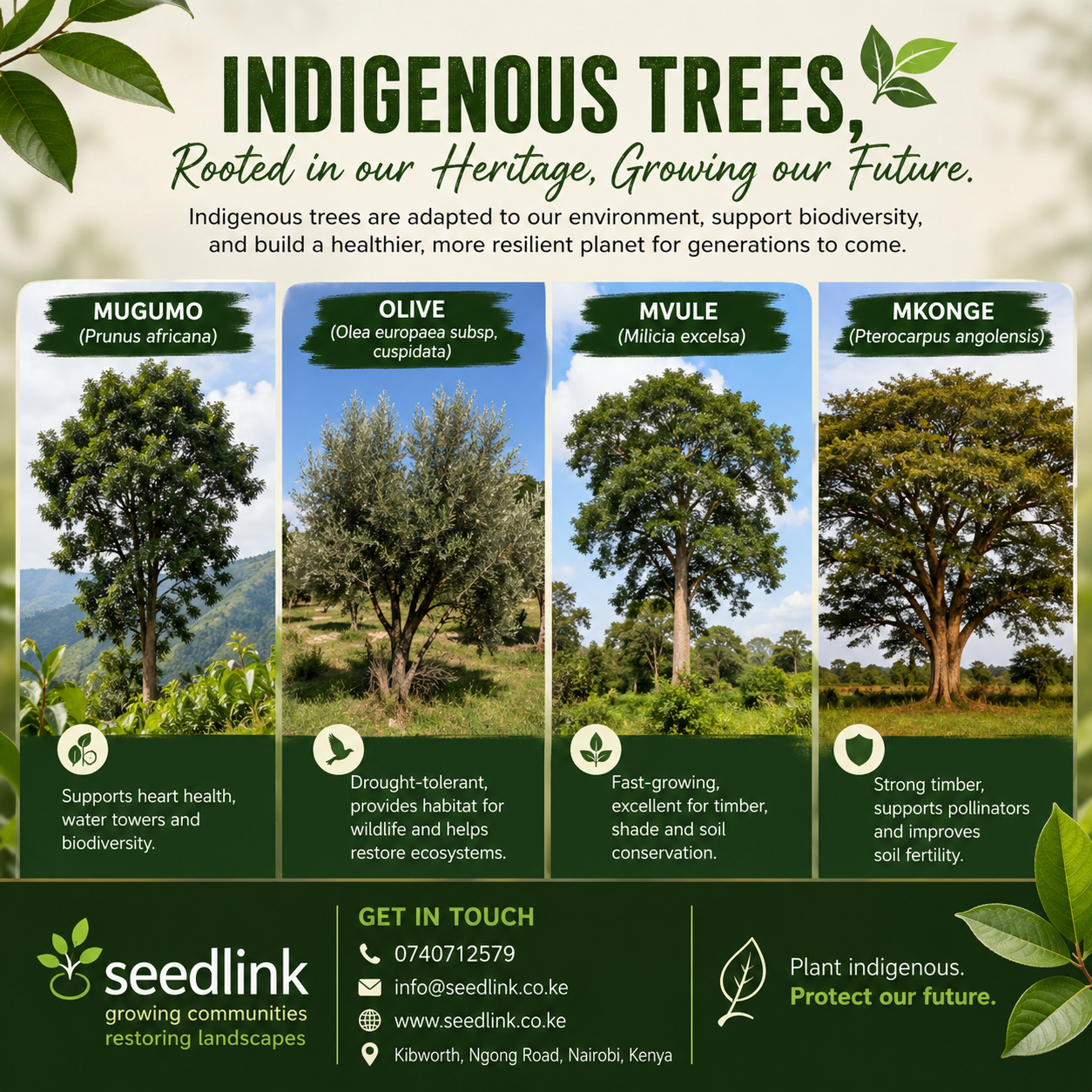
The Green Belt Movement continues to advocate for indigenous tree restoration because native species are more resilient, support biodiversity, and help preserve local ecosystems.
Communities are encouraged to establish nurseries that produce:
- Indigenous trees
- Fruit trees
- Medicinal trees
- Agroforestry seedlings
- Ornamental trees
These nurseries not only restore ecosystems but also create income opportunities for local families.
🌱 Seedlink: Connecting Community Nurseries to the Market
Thousands of local nurseries across Kenya and Africa struggle to access reliable buyers for their seedlings and trees. This is where Seedlink is making a major difference.
Why Seedlink Matters
Seedlink is helping connect:
- Indigenous tree nurseries
- Exotic tree growers
- Fruit tree propagators
- Community forestry groups
- Women-led environmental enterprises
with a growing market of:
- Homeowners
- Schools
- County governments
- Landscaping firms
- Real estate developers
- Environmental organizations
Popular Trees in Demand
Community nurseries can now market:
- Croton trees
- Meru oak
- Bamboo
- Grevillea
- Avocado seedlings
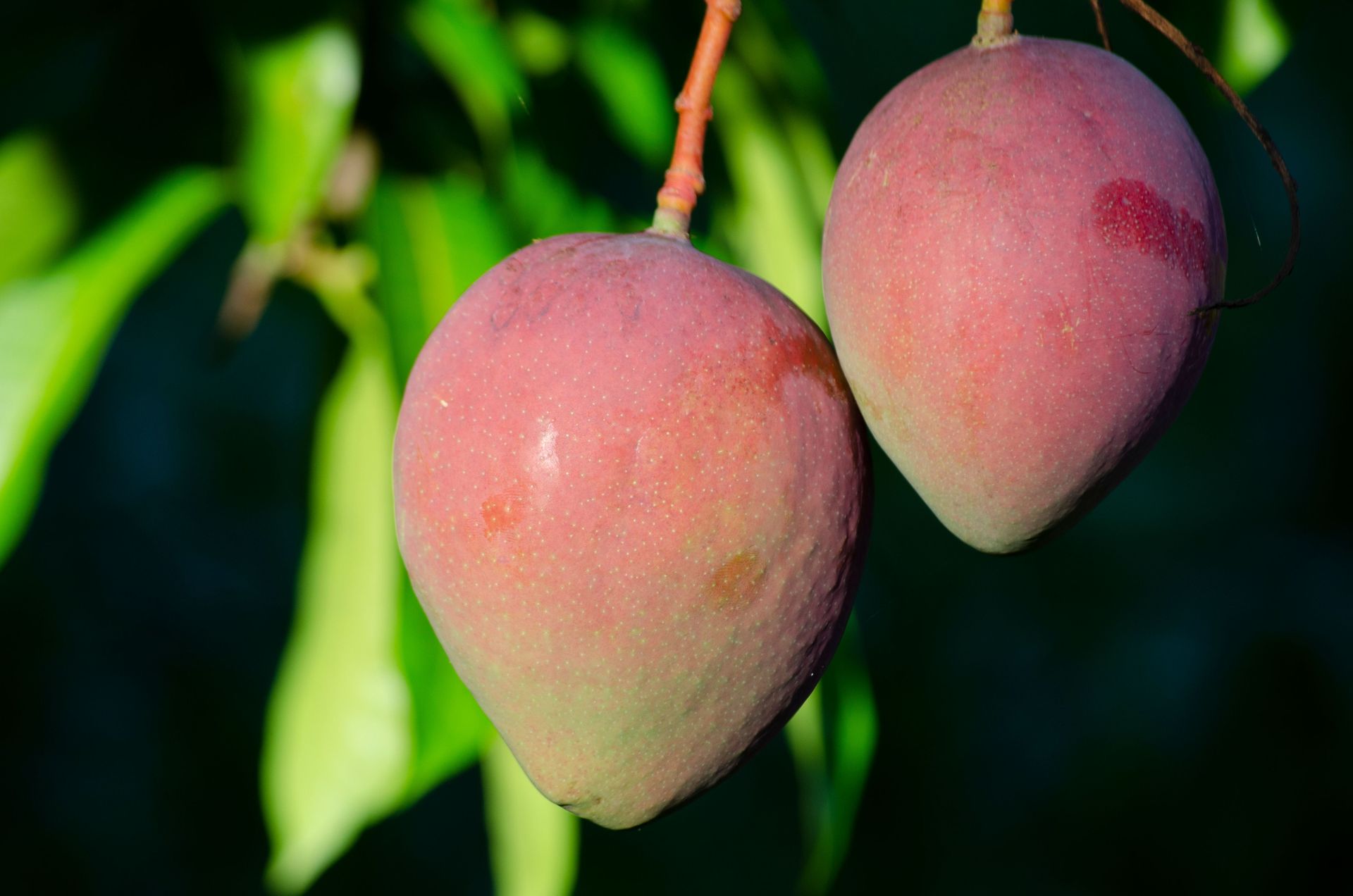
- Mango seedlings
- Macadamia trees
- Cypress trees
- Jacaranda trees
- Neem trees
through a centralized platform.
Contact Seedlink
📱 0740712579
🌐
www.seedlink.co.ke
By connecting local growers to markets, Seedlink is helping continue Wangari Maathai’s dream of economically empowered environmental stewardship.
Women Empowerment Through Tree Planting
One of Wangari Maathai’s greatest contributions was empowering women through environmental action.
The Green Belt Movement recognized that women were often the most affected by:
- Water shortages
- Firewood scarcity
- Soil degradation
- Food insecurity
By involving women in tree planting and nursery management, the movement created:
- Sustainable incomes
- Leadership opportunities
- Environmental education
- Community resilience
Today, women-led environmental groups across Africa continue to benefit from this model.
In countries like Kenya, Uganda, Tanzania, Rwanda, and Ethiopia, grassroots environmental groups inspired by GBM are using tree planting as both a climate solution and an economic activity.
Climate Change Adaptation Across Africa
Africa is among the regions most vulnerable to climate change despite contributing minimally to global carbon emissions.
Communities now face:
- Prolonged droughts
- Flooding
- Reduced agricultural productivity
- Desertification
- Water shortages
The Green Belt Movement continues to advocate for climate-smart environmental practices such as:
- Agroforestry
- Indigenous forest restoration
- Watershed protection
- Sustainable farming
- Community conservation
Trees play a critical role in climate adaptation because they:
- Improve rainfall retention
- Reduce soil erosion
- Enhance biodiversity
- Absorb carbon dioxide
- Improve microclimates
This approach aligns perfectly with Wangari Maathai’s belief that environmental restoration must begin at the grassroots level.
Youth Involvement in Environmental Leadership
The Green Belt Movement is also investing heavily in youth leadership and environmental awareness.
Young Africans are increasingly becoming climate advocates, eco-entrepreneurs, and conservation leaders.
Programs inspired by Wangari Maathai now focus on:
- Climate education
- Environmental activism
- Sustainable entrepreneurship
- Green innovation
- Tree-growing enterprises
Universities, schools, and youth groups are participating in annual tree planting campaigns across the continent.
This ensures that future generations continue protecting Africa’s natural resources.
🌳 Seedlink Opportunity for Schools & Youth Groups
Schools and youth organizations are among the biggest drivers of environmental conservation today.
Seedlink helps schools and institutions access quality:
- Indigenous trees
- Fruit seedlings
- Ornamental plants
- Bamboo seedlings
- Landscaping trees
while also supporting community nurseries supplying these trees.
Ideal for:
- Schools tree planting days
- CSR environmental activities
- County greening programs
- Church environmental projects
- Youth climate movements
📱 Call/WhatsApp: 0740712579
🌐
www.seedlink.co.ke
Planting trees is no longer just conservation — it is economic empowerment and climate resilience.
Promoting Indigenous Knowledge
Another powerful aspect of Wangari Maathai’s legacy is the protection of indigenous ecological knowledge.
Traditional African communities historically understood:
- Water conservation
- Indigenous medicinal plants
- Sacred forests
- Sustainable farming systems
- Biodiversity protection
The Green Belt Movement continues encouraging communities to preserve native species and traditional conservation practices.
Many indigenous trees are now being revived because of their:
- Drought resistance
- Medicinal value
- Ecological importance
- Cultural significance
This restoration of indigenous biodiversity is essential for Africa’s environmental future.
Food Security Through Agroforestry
Wangari Maathai strongly believed that environmental sustainability and food security were interconnected.
Today, the Green Belt Movement promotes agroforestry systems where trees coexist with crops and livestock.
Benefits include:
- Improved soil fertility
- Increased farm productivity
- Shade for crops
- Additional income streams
- Better water retention
Fruit trees have become particularly important in improving rural livelihoods.
Communities are now growing:
- Avocado
- Mango
- Citrus
- Passion fruit
- Macadamia
- Tree tomatoes
for both household nutrition and commercial income.
🍊 Seedlink Supports Fruit Tree Growers
Fruit tree farming is becoming one of the fastest-growing green investments across East Africa.
Seedlink is helping local nurseries and farmers market high-demand fruit seedlings including:
- Hass avocado seedlings
- Mango grafted seedlings
- Citrus seedlings
- Macadamia seedlings
- Tree tomato seedlings
- Passion fruit seedlings
Why Communities Love Fruit Tree Nurseries
✔ Sustainable income
✔ Improved nutrition
✔ Climate-smart farming
✔ Long-term investment returns
✔ Environmental restoration
If you operate a community nursery, Seedlink can help connect you to buyers across Kenya.
📱 0740712579
🌐
www.seedlink.co.ke
Advocacy Against Environmental Destruction
The Green Belt Movement also continues Wangari Maathai’s fearless advocacy for environmental justice.
Throughout her life, Wangari Maathai opposed:
- Illegal land grabbing
- Forest destruction
- Corruption
- Poor governance
- Environmental exploitation
Today, GBM remains vocal in protecting:
- Public forests
- Water towers
- Indigenous ecosystems
- Community land rights
The movement understands that conservation cannot succeed without accountability and community participation.
Urban Greening Across Africa
African cities are rapidly expanding, leading to:
- Air pollution
- Heat islands
- Loss of green spaces
- Poor urban planning
Inspired by Wangari Maathai’s environmental philosophy, many African cities are now embracing urban greening initiatives.
Tree planting in urban areas improves:
- Air quality
- Mental health
- Property aesthetics
- Biodiversity
- Temperature regulation
Counties, municipalities, schools, and real estate developers are increasingly sourcing ornamental and indigenous trees for urban landscaping.
🌿 Landscaping Trees & Ornamental Plants on Seedlink
As urban greening grows, the demand for landscaping plants and ornamental trees is increasing rapidly.
Seedlink provides a platform for nurseries selling:
- Jacaranda trees
- Palm trees
- Bougainvillea
- Bamboo
- Crotons
- Cypress trees
- Flowering shrubs
- Indigenous ornamental plants
This creates sustainable business opportunities for local growers while supporting greener cities.
📱 Contact: 0740712579
🌐
www.seedlink.co.ke
Inspiring Environmental Movements Beyond Kenya
The Green Belt Movement’s influence now extends across Africa and globally.
Organizations inspired by Wangari Maathai’s work are promoting:
- Community forestry
- Climate justice
- Women empowerment
- Sustainable agriculture
- Ecosystem restoration
Her ideas continue shaping conversations around:
- Climate resilience
- Environmental governance
- Sustainable development
- Green entrepreneurship
Many African environmental leaders today credit Wangari Maathai as one of their greatest inspirations.
The Future of Wangari Maathai’s Legacy
As Africa faces increasing environmental pressures, Wangari Maathai’s message is more relevant than ever.
Her legacy teaches that:
- Conservation starts with communities
- Women are powerful environmental leaders
- Trees are essential for life
- Sustainability creates economic opportunity
- Environmental justice matters
The Green Belt Movement continues carrying this vision forward through practical grassroots action.
And platforms like Seedlink are helping bridge conservation with economic empowerment by connecting local nurseries to reliable markets.
This combination of environmental restoration and sustainable livelihoods represents the true continuation of Wangari Maathai’s dream.
Final Thoughts
The story of the Green Belt Movement is not just about planting trees. It is about restoring dignity, empowering communities, protecting ecosystems, and creating hope for future generations.
Across Africa, millions of people continue benefiting from the seeds Wangari Maathai planted decades ago — both literally and symbolically.
As more communities embrace tree planting, agroforestry, indigenous conservation, and green entrepreneurship, Africa moves closer to a more sustainable and resilient future.
And every seedling planted today becomes part of the living legacy of Wangari Maathai.