Why Moringa, Bamboo, and Avocado Seedlings Are in High Demand
Across Kenya and much of Africa, a quiet agricultural shift is underway. Farmers, investors, and even urban landowners are increasingly turning to moringa, bamboo, and avocado seedlings as high-value, long-term crops. This surge in demand is not accidental—it is driven by a mix of economic opportunity, climate resilience, global market demand, and a growing awareness of sustainable farming.
In this article, we explore why these three crops are dominating the seedling market, what is fueling their popularity, and how structured sourcing systems—especially those that emphasize traceability, documentation, aggregation, and community involvement—are reshaping how seedlings are bought and sold.
We also highlight how platforms like Seedlink Kenya are making it easier, safer, and more transparent to access quality seedlings.
1. The Rise of High-Value Tree Crops in Kenya
Agriculture in Kenya is evolving beyond traditional subsistence farming. Farmers are now thinking commercially, focusing on crops that provide:
- Higher income per acre
- Export market opportunities
- Long-term environmental benefits
- Low maintenance once established
Moringa, bamboo, and avocado perfectly fit this profile.
These crops are no longer just “plants”—they are investment assets.
2. Why Moringa Seedlings Are in High Demand
2.1 A Superfood with Global Market Demand
Moringa, often called the “miracle tree,” has become one of the most sought-after medicinal and nutritional plants globally. Its leaves are rich in:
- Vitamins A, C, and E
- Calcium and potassium
- Antioxidants and amino acids
This makes moringa highly valuable in:
- Health supplements
- Herbal medicine
- Organic food industries
- Cosmetic production
Export demand from Europe, the Middle East, and Asia continues to grow year after year.
2.2 Climate Resilience and Fast Growth
Moringa thrives in dry and semi-arid regions, making it ideal for many parts of Kenya affected by climate change. It:
- Grows quickly (harvest within 6–8 months)
- Requires minimal water
- Survives in poor soils
- Can be harvested multiple times per year
This makes it a low-risk, high-return crop for farmers.
2.3 Income Diversification Opportunity
Farmers are no longer relying solely on maize or beans. Moringa provides:
- Leaf powder production
- Seed oil extraction
- Fresh vegetable sales
- Medicinal product supply chains
The versatility of moringa is one of the strongest drivers of its seedling demand.
3. Why Bamboo Seedlings Are Becoming a Green Gold Rush
3.1 Fastest Renewable Resource in Agriculture
Bamboo is one of the fastest-growing plants in the world. Some species can grow up to 1 meter per day under ideal conditions.
This makes bamboo a powerful resource for:
- Construction materials
- Furniture production
- Paper and pulp industries
- Bioenergy production
3.2 Strong Industrial Demand
The global shift toward sustainable materials has significantly increased bamboo demand. It is now used in:
- Eco-friendly housing projects
- Flooring and interior design
- Textile production (bamboo fiber clothing)
- Carbon sequestration projects
This industrial demand is pushing farmers to invest early in bamboo plantations.
3.3 Environmental Restoration and Carbon Credits
Bamboo plays a major role in:
- Soil erosion control
- Riverbank stabilization
- Carbon absorption (high CO₂ sequestration rates)
With global carbon credit markets expanding, bamboo plantations are becoming a climate investment asset.
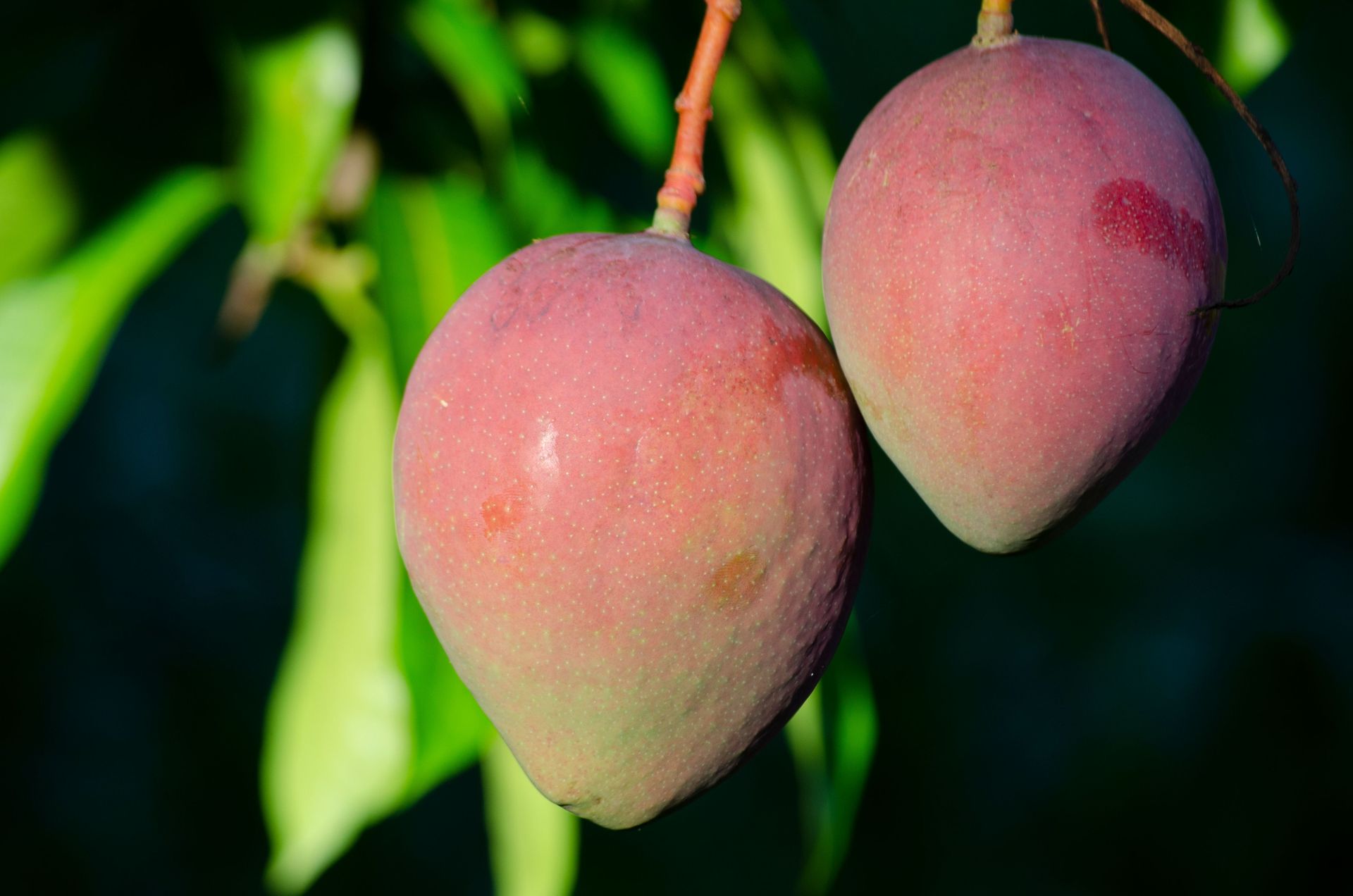
4. Why Avocado Seedlings Continue to Dominate Export Agriculture
4.1 Kenya’s Strong Position in Global Avocado Markets
Kenya is already one of the leading exporters of avocados in Africa, especially to Europe and the Middle East. Demand continues to rise due to:
- Increasing global consumption of healthy fats
- Expansion of Hass avocado markets
- Year-round demand from supermarkets
4.2 High Profitability Per Tree
A mature avocado tree can produce:
- 300–800 fruits per season
- Multiple harvest cycles per year
- High export-grade prices depending on quality
Farmers are increasingly replacing low-value crops with avocado orchards.
4.3 Long-Term Investment Value
Unlike seasonal crops, avocados:
- Produce for decades once mature
- Increase land value significantly
- Require relatively low maintenance after establishment
This makes seedlings extremely valuable at the early stage.
5. The Role of Traceability in Modern Seedling Supply Chains
One of the biggest shifts in agriculture today is the demand for traceable planting materials.
Farmers no longer want random seedlings with unknown origin. They want:
- Verified seed sources
- Disease-free certification
- Genetic consistency
- Documented nursery practices
Traceability ensures that farmers know exactly what they are planting—and what to expect at harvest.
Platforms like Seedlink Kenya are addressing this gap by offering structured sourcing systems where seedlings are linked back to verified nurseries.
6. Why Documentation Matters in Seedling Distribution
Documentation is becoming a key factor in agricultural professionalism. Proper seedling documentation includes:
- Nursery certificates
- Batch records
- Variety identification
- Planting guidelines
- Farmer purchase records
This is especially important for:
- Export-oriented crops like avocado
- Medicinal crops like moringa
- Industrial crops like bamboo
Proper documentation reduces fraud, improves yield predictability, and supports financing and insurance processes for farmers.
7. Community Involvement: A New Model for Agricultural Growth
Modern seedling demand is no longer just about selling plants—it is about building community ecosystems.
Community involvement includes:
- Farmer training programs
- Youth nursery partnerships
- Women-led agroforestry groups
- Local seedling production clusters
This approach ensures:
- Job creation in rural areas
- Knowledge transfer between farmers
- Sustainable supply of seedlings
- Stronger local agricultural economies
Platforms such as Seedlink Kenya are helping organize these networks by connecting buyers with verified growers and nurseries.
8. Aggregation: Solving the Seedling Distribution Challenge
One of the biggest challenges in agriculture is fragmentation. Farmers often struggle to:
- Find consistent seedling supply
- Access bulk orders
- Coordinate logistics
- Ensure uniform quality
Aggregation solves this by pooling seedlings from multiple nurseries and standardizing distribution.
Benefits include:
- Bulk purchasing efficiency
- Lower transportation costs
- Consistent quality standards
- Easier access for institutional buyers
Aggregation is especially important for large-scale bamboo plantations and avocado orchards.
9. Why Demand Is Increasing Faster Than Supply
The demand for moringa, bamboo, and avocado seedlings is growing faster than most nurseries can supply due to:
- Expansion of export agriculture
- Climate-smart farming policies
- Carbon credit farming programs
- Rising health-conscious consumer markets
- Youth entry into agribusiness
As a result, seedlings have become a strategic agricultural input, not just a farming necessity.
10. Investment Perspective: Why Farmers and Investors Are Buying Early
Smart investors are securing seedlings early because:
- Seedlings are cheaper than mature crops
- Early planting ensures market advantage
- Land utilization becomes productive faster
- Long-term returns increase significantly
In many cases, the real profit in agriculture is made at the seedling acquisition stage, not just at harvest.
11. The Future of Seedling Farming in Kenya
The future of agriculture in Kenya is clearly shifting toward:
- Digitized seedling marketplaces
- Verified nursery networks
- Data-driven farm planning
- Climate-smart crop selection
Moringa, bamboo, and avocado will continue to lead this transformation because they align with both economic and environmental priorities.
We are moving toward a future where seedlings are not just planted—they are tracked, documented, and optimized for yield performance.
12. Why Farmers Are Choosing Structured Platforms for Seedlings
Farmers are increasingly avoiding informal seedling markets due to:
- Risk of counterfeit seedlings
- Lack of quality assurance
- Poor survival rates
- No traceability systems
Instead, they are choosing structured platforms that provide:
- Verified nurseries
- Transparent pricing
- Reliable logistics
- Agricultural documentation support
One of the emerging platforms supporting this shift is Seedlink Kenya, which focuses on connecting farmers to quality seedlings with traceability and structured aggregation systems.
Conclusion
The rising demand for moringa, bamboo, and avocado seedlings is not a passing trend—it is a structural transformation in agriculture.
These crops represent:
- Income diversification (moringa)
- Industrial and environmental value (bamboo)
- Export-driven profitability (avocado)
But beyond the crops themselves, the real transformation lies in how seedlings are sourced and distributed. The future belongs to systems that prioritize:
- Traceability
- Documentation
- Community involvement
- Aggregation
As agriculture becomes more data-driven and export-oriented, platforms like Seedlink Kenya are playing a critical role in ensuring farmers access high-quality, verified, and well-documented seedlings.
For farmers looking to stay ahead, the message is clear: the future of farming starts with the seedling—and how it is sourced matters more than ever.