Why Fruit Tree Projects Are Transforming Rural Communities in Kenya
Kenya is experiencing a quiet agricultural revolution — one rooted not in large factories or expensive imports, but in fruit trees. Across counties such as Kiambu, Murang’a, Nyeri, Embu, Machakos, Kisii, Kakamega, and parts of Rift Valley, fruit tree projects are reshaping rural economies, improving food security, creating employment, and restoring degraded environments.
From avocado orchards in Central Kenya to mango farms in Eastern Kenya and citrus projects in the Coast region, fruit tree farming is increasingly becoming one of the most sustainable pathways toward rural transformation. What makes this movement even more powerful is the rise of digital seedling aggregation platforms like Seedlink Kenya, which are simplifying access to certified fruit seedlings while improving traceability, community participation, documentation, and market coordination.
In this article, we explore why fruit tree projects are becoming a game changer in Kenya and why more communities, NGOs, schools, churches, SACCOs, youth groups, county governments, and investors are turning to organized seedling sourcing platforms to scale impact.
The Growing Importance of Fruit Tree Farming in Kenya
Fruit farming is no longer viewed as a side agricultural activity. Today, it is one of the fastest-growing agribusiness sectors in Kenya due to:
- Rising local demand for fruits
- Export opportunities
- Climate-smart agriculture initiatives
- Agroforestry adoption
- Land productivity improvement
- Long-term income stability
Farmers are increasingly moving away from unreliable annual crops and embracing fruit trees such as:
- Hass avocado
- Fuerte avocado
- Mangoes
- Macadamia
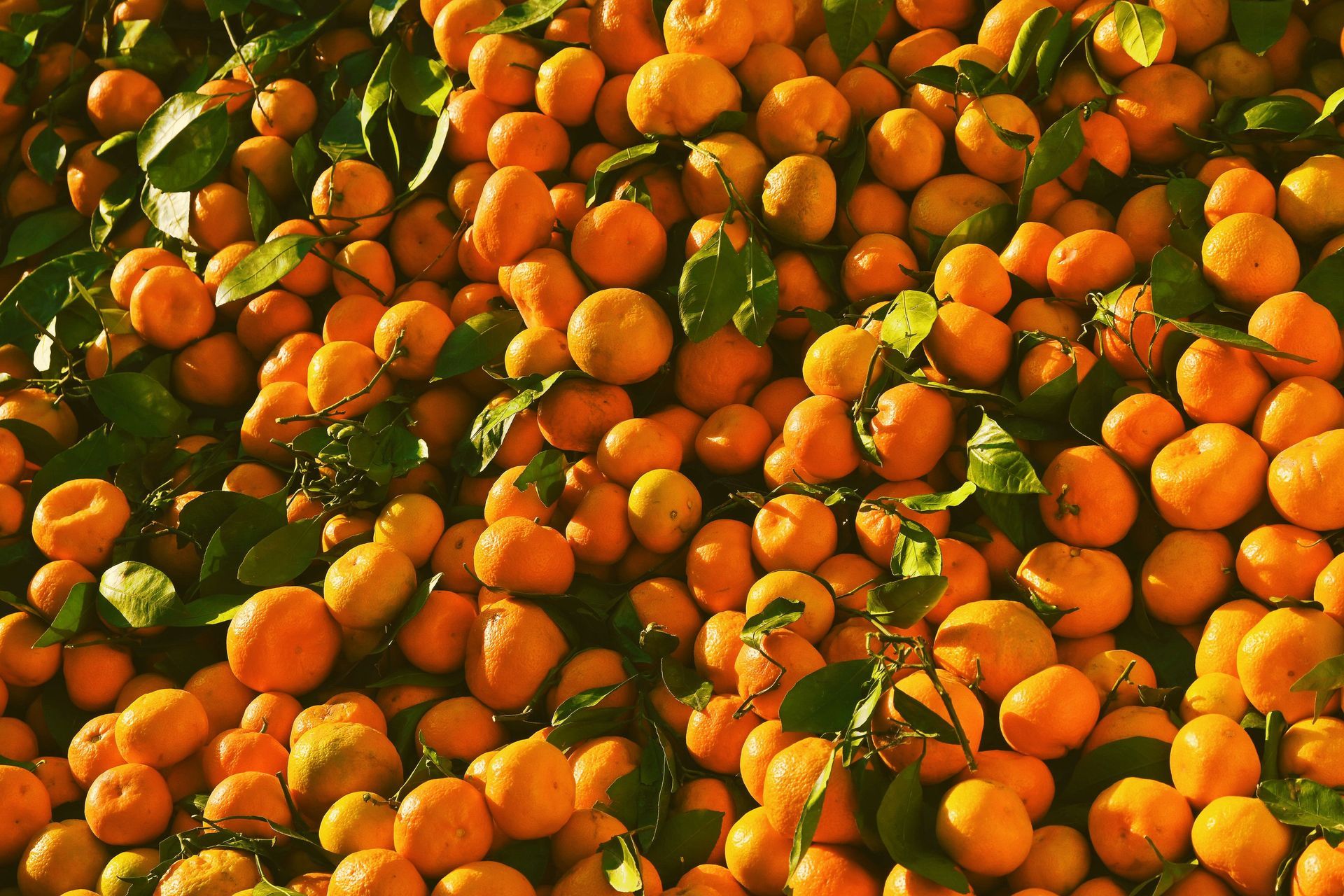
- Citrus
- Pawpaw
- Passion fruit
- Apples
- Jackfruit
- Dragon fruit
Platforms like Seedlink Kenya aggregate certified nurseries and connect farmers directly to verified seedling suppliers across Kenya.
1. Fruit Tree Projects Are Creating Sustainable Rural Income
One of the biggest advantages of fruit tree farming is that it creates long-term recurring income.
Unlike seasonal crops that require constant replanting, fruit trees continue producing for years. A single mature avocado or mango tree can generate income season after season.
For example:
- Grafted Hass avocado trees can fruit within 2–3 years
- Mango trees provide consistent annual harvests
- Macadamia farming is increasingly profitable for export markets
- Pawpaw matures quickly and offers regular yields
According to several Kenyan nursery platforms, certified grafted seedlings are now widely available and are helping farmers reduce waiting periods before harvests.
This has transformed many rural households from subsistence farming to agribusiness enterprises.
2. Youth Groups and Women Groups Are Benefiting from Seedling Production
Across Kenya, many youth and women groups are establishing community nurseries.
Seedling production has emerged as a highly accessible business because it requires:
- Small startup capital
- Limited land
- Basic agricultural skills
- Local labor
- Simple infrastructure
Seedlink Kenya has positioned itself as an important aggregation platform connecting these community nurseries to institutional buyers and individual farmers nationwide.
This model allows local communities to:
- Produce seedlings locally
- Access broader markets
- Participate in climate restoration projects
- Earn sustainable income
- Build agricultural entrepreneurship
For many rural groups, seedling production is becoming a reliable economic activity that supports:
- School fees
- Household income
- Women empowerment
- Youth employment
- Community savings groups
3. Fruit Tree Projects Are Improving Food Security
Kenya continues to face food security challenges caused by:
- Climate change
- Drought
- Soil degradation
- Unpredictable rainfall
- High food prices
Fruit trees provide a long-term solution.
Trees such as mangoes, avocados, citrus, and pawpaw provide nutritious food while also generating income. Communities that invest in fruit tree projects become more resilient during dry seasons and economic shocks.
Many experts now encourage farmers to integrate fruit trees into smallholder farms as part of agroforestry systems that combine:
- Food crops
- Livestock
- Trees
- Soil conservation
This diversification reduces dependency on one crop and improves household nutrition.
4. Traceability Is Becoming Critical in Seedling Projects
One of the biggest challenges in Kenya’s seedling sector has traditionally been fake or poor-quality seedlings.
Many farmers have suffered losses after purchasing:
- Diseased seedlings
- Ungrafted varieties
- Wrong fruit varieties
- Poorly propagated plants
This is why traceability is becoming extremely important.
Seedlink Kenya addresses this problem by working with verified nurseries and aggregating trusted seedling suppliers.
Traceability helps buyers know:
- Where seedlings were propagated
- Which nursery produced them
- Whether they are grafted
- Variety specifications
- Recommended growing zones
- Supplier accountability
This is especially important for:
- NGOs
- County governments
- Schools
- Churches
- Corporate CSR programs
- Climate restoration projects
Large projects require proper documentation and supplier accountability to ensure project success.
5. Documentation Improves Accountability and Project Success
Modern fruit tree projects increasingly require structured documentation.
Organizations funding tree planting and fruit farming projects now demand:
- Nursery records
- Delivery documentation
- Seedling counts
- GPS mapping
- Survival tracking
- Farmer registration
- Impact reporting
Aggregation platforms like Seedlink Kenya make this process easier by organizing suppliers and streamlining coordination between growers and buyers.
Documentation helps projects:
- Monitor survival rates
- Track distribution
- Improve transparency
- Reduce fraud
- Increase donor confidence
- Measure environmental impact
For institutions managing thousands of seedlings, organized documentation is essential.
6. Aggregation Is Solving Kenya’s Fragmented Seedling Market
Kenya has thousands of small nurseries spread across rural counties.
However, many struggle with:
- Limited visibility
- Inconsistent demand
- Poor logistics
- Weak marketing
- Limited digital access
This fragmentation makes it difficult for large buyers to source seedlings efficiently.
Aggregation platforms solve this challenge.
Seedlink Kenya aggregates seedling suppliers from different counties and connects them with buyers nationwide.
This benefits both sides:
Buyers benefit through:
- Easier sourcing
- Wider variety selection
- Verified suppliers
- Simplified coordination
- Better traceability
Nurseries benefit through:
- Increased visibility
- Access to larger markets
- Institutional orders
- Reduced marketing costs
- More stable demand
Aggregation is becoming one of the most important innovations in Kenya’s seedling sector.
7. Fruit Tree Projects Support Environmental Restoration
Kenya continues to experience environmental challenges including:
- Deforestation
- Soil erosion
- Reduced water catchments
- Climate change
- Biodiversity loss
Fruit tree projects contribute directly to environmental restoration.
Unlike short-term planting campaigns, fruit trees create long-term ecological value because communities actively protect trees that generate food and income.
Several online discussions about tree planting initiatives have highlighted how fruit trees tend to receive better community protection because they provide direct economic value.
Fruit trees help:
- Improve soil fertility
- Increase tree cover
- Reduce erosion
- Enhance biodiversity
- Improve water retention
- Capture carbon
This makes fruit tree farming both an economic and environmental solution.
8. Schools Are Embracing Fruit Tree Projects
Many schools across Kenya are now establishing fruit orchards as part of:
- Agriculture education
- Feeding programs
- Climate action clubs
- Environmental conservation
- Income generation
School fruit tree projects provide students with practical agricultural skills while also producing fruits for school nutrition programs.
Through organized seedling sourcing platforms like Seedlink Kenya, schools can easily access certified seedlings in bulk from verified nurseries.
Schools also benefit from:
- Better planning
- Seedling traceability
- Proper documentation
- Reliable delivery coordination
9. NGOs and Corporate CSR Programs Are Scaling Tree Projects
Corporate sustainability and ESG programs are driving increased demand for seedlings in Kenya.
Many organizations now support:
- Agroforestry
- Community orchards
- Climate-smart agriculture
- Carbon initiatives
- Food security projects
However, scaling these programs requires reliable sourcing systems.
This is why aggregation and traceability platforms are becoming increasingly important.
Organizations need:
- Verified nurseries
- Consistent seedling quality
- Bulk supply coordination
- Impact documentation
- Community participation tracking
Seedlink Kenya provides a convenient framework for sourcing seedlings while ensuring project accountability and community inclusion.
10. Grafted Seedlings Are Increasing Farm Productivity
Modern fruit farming in Kenya is shifting toward grafted seedlings because they provide:
- Faster maturity
- Better yields
- Improved disease resistance
- Uniform quality
- Predictable fruit characteristics
Several Kenyan nurseries emphasize the importance of grafted seedlings for commercial fruit farming.
Farmers increasingly understand that investing in certified grafted seedlings leads to:
- Better returns
- Faster income
- Reduced risk
- Stronger orchard performance
This has increased demand for verified suppliers and organized sourcing systems.
11. Digital Platforms Are Modernizing Agriculture
Agriculture in Kenya is becoming increasingly digitized.
Farmers now use online platforms to:
- Compare seedlings
- Source suppliers
- Access agronomy information
- Coordinate deliveries
- Track orders
Seedlink Kenya is helping modernize Kenya’s seedling supply chain through digital aggregation and supplier verification.
Digital systems improve:
- Transparency
- Accessibility
- Logistics
- Farmer confidence
- Market efficiency
This is especially important in rural areas where market access has historically been limited.
Why Seedlink Kenya Is Emerging as a Leading Seedling Aggregation Platform
Among Kenya’s emerging agricultural marketplaces, Seedlink Kenya stands out because of its strong focus on:
1. Traceability
The platform emphasizes verified nursery sourcing and supplier accountability.
2. Community Involvement
Seedlink supports youth groups, women groups, farmers, and community nurseries.
3. Documentation
The platform simplifies organized procurement and project coordination.
4. Aggregation
Seedlink connects multiple nurseries and buyers through one convenient platform.
5. Convenience
Farmers and institutions can source different fruit seedlings from one centralized marketplace.
6. Nationwide Reach
Seedlink works with nurseries across multiple counties in Kenya.
The Future of Fruit Tree Projects in Kenya
The future of Kenya’s rural economy will increasingly depend on sustainable agricultural systems that combine:
- Climate resilience
- Food security
- Income generation
- Environmental restoration
- Community empowerment
Fruit tree projects sit at the center of this transformation.
As demand for seedlings continues growing, Kenya will require stronger systems for:
- Nursery verification
- Seedling traceability
- Community participation
- Documentation
- Aggregation
- Farmer education
Digital agricultural platforms are likely to play an even bigger role in connecting communities to reliable planting materials and organized markets.
Final Thoughts
Fruit tree projects are no longer just environmental activities. They are becoming powerful economic and social transformation tools across rural Kenya.
From youth employment to women empowerment, food security, climate resilience, and sustainable income generation, fruit farming is reshaping communities in remarkable ways.
However, successful projects depend heavily on access to healthy, certified, and traceable seedlings.
That is why platforms like Seedlink Kenya are becoming increasingly important in Kenya’s agricultural ecosystem.
By combining:
- verified nursery networks,
- aggregation,
- community involvement,
- traceability,
- documentation,
- and nationwide accessibility,
Seedlink is helping simplify how farmers, institutions, NGOs, and communities source fruit seedlings across Kenya.
For anyone planning a fruit tree project in Kenya — whether for farming, ESG initiatives, agroforestry, school orchards, or environmental restoration — Seedlink offers one of the most convenient and organized ways to source quality seedlings from trusted suppliers.