Why Certified Seedlings Matter for Corporate Sustainability Programs
In recent years, sustainability has shifted from being a corporate buzzword to becoming a critical business strategy. Across Kenya, corporates, NGOs, learning institutions, real estate developers, and government agencies are increasingly investing in tree planting, agroforestry, landscape restoration, and climate-smart agriculture initiatives.
However, one important factor is often overlooked in many sustainability projects: the quality and certification of seedlings being planted.
A tree planting project is only as successful as the seedlings used. Poor-quality seedlings can result in low survival rates, weak growth, disease spread, poor environmental impact, and wasted investment. For organizations investing millions in sustainability programs, environmental restoration, carbon offsetting, or CSR activities, using certified seedlings is no longer optional — it is essential.
This is where Seedlink Kenya is transforming the sector by making it easier for organizations to source verified, traceable, and high-quality seedlings from trusted nurseries across Kenya.
Understanding Certified Seedlings
Certified seedlings are planting materials produced under regulated standards to ensure quality, health, authenticity, and suitability for intended use. These seedlings are usually raised by trained and verified nurseries following recommended propagation and management practices.
Certification helps guarantee that:
- The seedling variety is genuine
- The seedlings are disease-free
- Proper propagation methods were followed
- The seedlings are suitable for the target ecological zone
- Growth performance and survival rates are higher
- The nursery source is verifiable
For corporates and NGOs managing sustainability programs, this level of assurance is extremely important.
Why Corporate Sustainability Programs Need Certified Seedlings
1. Higher Survival Rates
One of the biggest challenges in tree planting initiatives is low survival rates. Many organizations plant thousands of trees during CSR events only to discover months later that a significant percentage failed to survive.
Low-quality seedlings are often the main cause.
Certified seedlings are healthier, stronger, and better adapted to environmental conditions. This significantly improves survival rates and ensures the project achieves long-term impact.
For companies investing in carbon offset programs, ecosystem restoration, or climate action campaigns, survival rates directly affect ROI and sustainability reporting outcomes.
2. Better Environmental Impact
Sustainability programs are designed to create measurable environmental impact. Whether the goal is:
- Carbon sequestration
- Watershed restoration
- Biodiversity conservation
- Soil conservation
- Agroforestry promotion
- Urban greening
…the quality of seedlings determines success.
Certified seedlings grow faster, develop healthier root systems, and contribute more effectively to ecosystem restoration.
Poor-quality seedlings may stunt growth, spread diseases, or fail to establish altogether, undermining environmental goals.
3. Improved ESG and CSR Reporting
Environmental, Social, and Governance (ESG) reporting is becoming increasingly important for organizations in Kenya and globally.
Stakeholders, investors, development partners, and regulators now expect companies to provide verifiable evidence of sustainability activities.
Using certified seedlings supports credible ESG reporting because organizations can document:
- Seedling sources
- Nursery verification
- Species planted
- Quantities supplied
- Planting locations
- Traceability records
This documentation becomes invaluable during audits, sustainability reporting, grant evaluations, and impact assessments.
The Importance of Traceability in Seedling Procurement
Traceability is one of the most overlooked aspects of sustainability projects in Kenya.
Many organizations buy seedlings from informal roadside vendors without knowing:
- Where the seedlings originated
- Whether the species are genuine
- If the nursery follows quality standards
- Whether the seedlings are suitable for the project area
This creates major risks.
Why Traceability Matters
Traceability helps organizations:
Ensure Accountability
Knowing the exact nursery source creates transparency and accountability throughout the procurement process.
Verify Quality Standards
Organizations can confirm that nurseries meet acceptable production practices.
Support Monitoring and Evaluation
Traceable records make it easier to evaluate project outcomes over time.
Improve Sustainability Audits
Many international donors and ESG frameworks require documentation showing responsible sourcing practices.
Reduce Fraud and Mislabeling
Some suppliers mislabel seedlings or sell unsuitable varieties. Traceability minimizes this risk.
How Seedlink Simplifies Certified Seedling Procurement in Kenya
Seedlink Kenya is emerging as one of the most reliable and convenient platforms for sourcing certified seedlings in Kenya.
The platform is designed to connect buyers directly with verified nurseries while improving transparency, quality assurance, logistics, and documentation.
1. Aggregation of Verified Nurseries
One of Seedlink’s greatest strengths is aggregation.
Instead of organizations struggling to identify multiple nurseries individually, Seedlink brings together trusted seedling suppliers from different regions into one centralized marketplace.
This offers several advantages:
- Easier comparison of seedling varieties
- Access to large volumes for bulk projects
- Reduced procurement time
- Better pricing efficiency
- Reliable supply continuity
- Nationwide sourcing convenience
For corporates and NGOs implementing large-scale projects, aggregation is critical because projects often require tens of thousands of seedlings across multiple counties.
Seedlink simplifies this process significantly.
2. Verified and Trusted Suppliers
Seedlink focuses on connecting buyers with credible nurseries.
This helps organizations avoid unreliable vendors who may provide:
- Poor-quality seedlings
- Wrong species
- Diseased plants
- Immature seedlings
- Non-adapted varieties
Through a more organized ecosystem, organizations gain confidence in the quality and authenticity of seedlings being supplied.
3. Enhanced Documentation for Sustainability Reporting
Documentation is increasingly important for sustainability initiatives.
Organizations today need detailed records for:
- ESG reporting
- CSR documentation
- Donor compliance
- Carbon reporting
- Internal audits
- Monitoring and evaluation
Seedlink supports organized procurement processes that improve documentation and reporting capabilities.
This can include:
- Supplier records
- Quantity tracking
- Delivery records
- Species documentation
- Nursery traceability
- Procurement histories
Such documentation strengthens transparency and credibility.
4. Community Involvement and Local Economic Empowerment
Corporate sustainability programs are no longer judged solely by environmental outcomes.
Organizations are also expected to create social impact.
By sourcing seedlings through platforms like Seedlink, companies indirectly support:
- Local nurseries
- Smallholder growers
- Youth agribusinesses
- Women-led nursery enterprises
- Rural green economy initiatives
This creates meaningful community involvement and economic empowerment.
Instead of importing seedlings or relying on a few large suppliers, organizations can support distributed local nursery networks across Kenya.
This aligns perfectly with modern ESG principles that emphasize inclusive growth and community impact.
Why Community-Based Seedling Sourcing Matters
Strengthening Rural Economies
Tree nursery businesses create employment opportunities for:
- Youth groups
- Women groups
- Farmer cooperatives
- Community-based organizations
Corporate procurement can stimulate these local economies significantly.
Promoting Climate Resilience
Local nurseries often understand indigenous ecosystems and climate conditions better than centralized suppliers.
This improves the suitability and resilience of seedlings supplied to projects.
Supporting Sustainable Livelihoods
Sustainability should not only focus on trees — it should also improve livelihoods.
Buying from verified local nursery networks creates income opportunities that support long-term environmental stewardship.
The Risks of Non-Certified Seedlings
Organizations that ignore seedling quality face several risks.
1. High Mortality Rates
Weak seedlings often die shortly after planting, especially during drought conditions.
2. Financial Losses
Failed tree planting programs waste procurement, transport, labor, and maintenance costs.
3. Damaged Reputation
Public sustainability campaigns that fail can negatively affect brand credibility.
4. Poor ESG Metrics
Low survival rates undermine carbon and sustainability targets.
5. Disease Spread
Poorly managed nurseries can spread pests and diseases to project sites.
Key Factors Organizations Should Consider When Buying Seedlings
Species Suitability
Choose seedlings appropriate for:
- Climate zone
- Soil type
- Rainfall levels
- Project goals
Nursery Reputation
Work with verified nurseries with proven track records.
Seedling Health
Healthy seedlings should have:
- Strong stems
- Healthy leaves
- Well-developed roots
- No signs of pests or disease
Documentation
Always ensure procurement records are maintained properly.
Logistics and Delivery Capacity
Bulk projects require reliable transport and coordination systems.
Popular Seedlings for Corporate Sustainability Projects in Kenya
Organizations in Kenya are increasingly investing in:
Indigenous Trees
Ideal for restoration and biodiversity conservation.
Examples:
- Croton
- Meru Oak
- Elgon Teak
- African Olive
Fruit Trees
Excellent for community livelihood programs.
Examples:
- Avocado
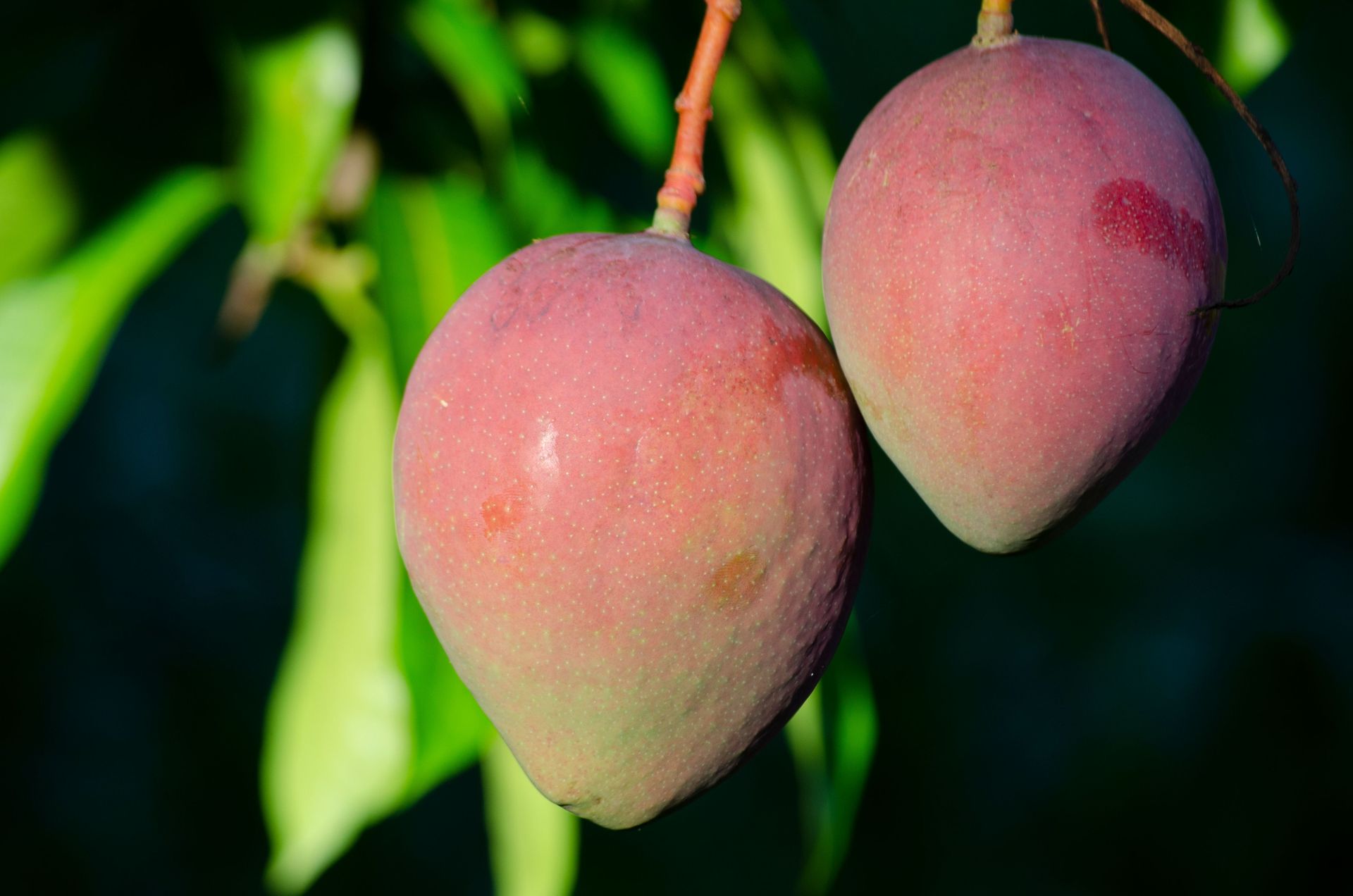
- Mango
- Macadamia
- Citrus
Agroforestry Trees
Useful for climate-smart agriculture.
Examples:
- Grevillea
- Calliandra
- Sesbania
Ornamental Trees
Perfect for urban landscaping and beautification.
Examples:
- Jacaranda
- Tabebuia
- Neem
- Palm varieties
The Future of Sustainable Procurement in Kenya
Sustainability procurement is becoming more data-driven and transparent.
Organizations increasingly demand:
- Digital procurement systems
- Traceability tools
- Supplier verification
- Impact documentation
- Delivery tracking
- Sustainability reporting support
Platforms like Seedlink Kenya are helping modernize the seedling supply chain by introducing more structure, visibility, and accountability.
This transformation is critical for scaling Kenya’s green economy.
Why Seedlink Is the Smart Choice for Bulk Seedling Procurement
For organizations seeking convenience, reliability, and accountability, Seedlink offers major advantages:
Centralized Access
Access multiple nurseries from one platform.
Bulk Procurement Support
Ideal for large corporate and NGO projects.
Traceability
Improves procurement transparency.
Community Impact
Supports local nursery ecosystems.
Better Documentation
Enhances sustainability reporting and audits.
Nationwide Reach
Enables sourcing across Kenya.
Convenience
Reduces time spent searching for suppliers manually.
Final Thoughts
Corporate sustainability programs are becoming increasingly ambitious in Kenya. Organizations are investing heavily in:
- Tree planting
- Carbon offset projects
- Agroforestry
- Urban greening
- Watershed restoration
- Community livelihood programs
But real sustainability impact starts with quality planting materials.
Certified seedlings improve survival rates, strengthen environmental outcomes, support ESG reporting, and protect organizational investments.
Equally important, organizations need procurement systems that provide traceability, accountability, proper documentation, and community inclusion.
That is why platforms like Seedlink Kenya are becoming essential for modern sustainability projects in Kenya.
By aggregating trusted nurseries, improving procurement transparency, supporting local communities, and simplifying bulk seedling sourcing, Seedlink is helping organizations grow sustainability programs with confidence.
If your organization is planning a tree planting, landscaping, agroforestry, or restoration project, choosing certified seedlings through a trusted platform is one of the smartest long-term decisions you can make.
Get Started with Certified Seedlings Today
🌱 Source certified seedlings from trusted nurseries across Kenya.
🌍 Improve sustainability outcomes with traceable procurement.
🤝 Support local communities while achieving ESG goals.
Visit:
www.seedlink.co.ke
WhatsApp: 0740712579