A Complete Guide to Bulk Seedling Procurement for Organizations
Tree planting and landscape restoration have become central to sustainability efforts across Kenya. From corporates implementing ESG programs to NGOs restoring degraded ecosystems and institutions beautifying their compounds, the demand for quality seedlings has never been higher.
However, sourcing seedlings in bulk is not as simple as placing an order and waiting for delivery. Organizations often struggle with inconsistent quality, unreliable suppliers, poor documentation, lack of traceability, delayed deliveries, and difficulties coordinating with multiple nurseries.
This is where modern seedling aggregation platforms like Seedlink Kenya are transforming the process by making bulk seedling procurement more transparent, efficient, traceable, and scalable.
In this comprehensive guide, we explore everything organizations need to know about bulk seedling procurement in Kenya — including planning, supplier selection, logistics, quality assurance, documentation, community involvement, and why Seedlink is becoming the preferred solution for organizations across the country.
Why Bulk Seedling Procurement Matters
Organizations today are increasingly investing in tree planting and environmental restoration projects for several reasons:
- Corporate Social Responsibility (CSR)
- ESG and sustainability reporting
- Carbon offset initiatives
- Climate resilience programs
- Biodiversity conservation
- Agroforestry projects
- Institutional landscaping
- Community empowerment programs
- Food security initiatives
Whether the goal is planting 5,000 avocado seedlings or 500,000 indigenous trees, success begins with sourcing the right seedlings from reliable and verified suppliers.
Poor-quality seedlings can lead to:
- Low survival rates
- Wasted budgets
- Failed restoration targets
- Poor community outcomes
- Damaged organizational reputation
That is why procurement strategy is critical.
Common Challenges Organizations Face When Buying Seedlings in Bulk
1. Finding Trusted Nurseries
Many organizations struggle to identify reliable nurseries capable of supplying large quantities consistently.
Challenges include:
- Unverified suppliers
- Inconsistent seedling quality
- Limited production capacity
- Lack of certifications
- Poor communication
Without proper vetting, organizations risk working with suppliers who cannot fulfill orders effectively.
2. Lack of Traceability
Traceability is becoming increasingly important in environmental projects.
Organizations need answers to questions such as:
- Where were the seedlings propagated?
- Which nursery supplied them?
- Are the seedlings certified?
- What seed source was used?
- Are the species appropriate for the planting region?
Without traceability systems, monitoring and reporting become difficult.
3. Coordinating Multiple Suppliers
Large projects often require sourcing from multiple nurseries across different regions.
Managing:
- quotations,
- transportation,
- inspections,
- communications,
- and payments
can quickly become overwhelming.
4. Documentation and Reporting Gaps
Many NGOs, corporates, and donors require:
- invoices,
- delivery notes,
- nursery certifications,
- project tracking reports,
- impact documentation,
- and compliance records.
Traditional informal procurement channels often lack proper documentation systems.
5. Logistics and Delivery Challenges
Transporting thousands of seedlings safely requires planning and coordination.
Poor logistics can result in:
- damaged seedlings,
- delayed planting,
- increased mortality rates,
- and operational inefficiencies.
What Organizations Should Look for When Procuring Seedlings in Bulk
1. Certified and Healthy Seedlings
Always prioritize:
- disease-free seedlings,
- strong root systems,
- proper hardening,
- and species authenticity.
Healthy seedlings significantly improve survival rates and project outcomes.
2. Supplier Verification
Organizations should work with verified nurseries that demonstrate:
- production capacity,
- technical expertise,
- consistency,
- and good reputation.
Platforms that pre-vet nurseries reduce procurement risk.
3. Species Diversity
Different projects require different species.
Examples include:
- Indigenous trees for restoration
- Fruit trees for livelihoods
- Ornamental trees for landscaping
- Bamboo for conservation
- Moringa for nutrition projects
- Agroforestry species for farms
An ideal procurement platform should aggregate multiple species from multiple growers.
4. Transparent Pricing
Bulk procurement requires clear pricing structures that include:
- seedling cost,
- transport,
- handling,
- and delivery timelines.
Transparent pricing simplifies budgeting and procurement approvals.
5. Strong Documentation Systems
Documentation is essential for:
- donor accountability,
- ESG reporting,
- audits,
- and project monitoring.
Organizations should prioritize suppliers who provide professional procurement records.
The Rise of Seedling Aggregation Platforms in Kenya
Traditional seedling procurement often involves manually contacting individual nurseries one by one.
This process is:
- time-consuming,
- fragmented,
- inefficient,
- and difficult to scale.
Modern aggregation platforms are solving this challenge.
Platforms like Seedlink Kenya connect organizations with multiple verified nurseries through a centralized system.
This creates a more efficient procurement ecosystem for both buyers and growers.
Why Seedlink Is the Most Convenient Way to Buy Seedlings in Kenya
1. Access to Verified Nurseries Across Kenya
Seedlink aggregates trusted nurseries from different regions, enabling organizations to source seedlings efficiently from verified growers.
This reduces the risk of:
- fraudulent suppliers,
- poor-quality seedlings,
- and inconsistent deliveries.
Organizations can confidently procure seedlings knowing they are dealing with credible suppliers.
2. Traceability and Transparency
Traceability is one of the most important features modern organizations require.
Seedlink supports transparency by helping buyers track:
- nursery source,
- seedling species,
- quantities,
- and supplier details.
This improves:
- accountability,
- reporting,
- donor confidence,
- and sustainability tracking.
For ESG-focused organizations, traceability is no longer optional — it is essential.
3. Aggregation for Large Orders
One nursery may not always meet the demands of large projects.
Seedlink simplifies large-scale procurement by aggregating seedlings from multiple nurseries into one streamlined sourcing process.
This is particularly useful for:
- county greening programs,
- national restoration campaigns,
- NGO projects,
- and corporate tree planting initiatives.
Aggregation ensures organizations can access large volumes without compromising quality.
4. Strong Documentation Support
Organizations require professional procurement documentation.
Seedlink helps streamline:
- quotations,
- invoices,
- delivery records,
- and procurement tracking.
This makes compliance easier for:
- NGOs,
- corporates,
- schools,
- government agencies,
- and donor-funded projects.
Good documentation improves operational efficiency and accountability.
5. Community Involvement and Economic Empowerment
One major advantage of using Seedlink is its support for local nursery operators and communities.
By connecting organizations directly to local growers, Seedlink helps:
- create rural income opportunities,
- support youth and women nurseries,
- strengthen local economies,
- and encourage environmental stewardship.
Organizations can therefore achieve both environmental and social impact simultaneously.
This aligns strongly with:
- ESG goals,
- CSR objectives,
- and community development strategies.
6. Nationwide Accessibility
Organizations operating in multiple counties often struggle to coordinate procurement regionally.
Seedlink simplifies nationwide sourcing by connecting buyers with nurseries across Kenya.
Whether your project is in:
- Nairobi,
- Kisumu,
- Eldoret,
- Nakuru,
- Machakos,
- Nyeri,
- or Mombasa,
you can source seedlings more conveniently through one platform.
Best Practices for Bulk Seedling Procurement
Plan Early
Seedling production takes time.
Organizations should plan procurement several months before planting seasons to ensure:
- availability,
- proper species selection,
- and adequate preparation.
Late procurement often results in shortages and rushed deliveries.
Match Species to Ecological Zones
Not all species perform well everywhere.
Factors to consider include:
- rainfall,
- altitude,
- soil type,
- temperature,
- and intended use.
Working with knowledgeable suppliers improves project success.
Conduct Quality Assessments
Before accepting deliveries:
- inspect root systems,
- assess plant health,
- confirm species authenticity,
- and verify quantities.
Quality assurance reduces losses after planting.
Consider Logistics Carefully
Seedlings are highly sensitive during transportation.
Organizations should ensure:
- proper loading,
- minimal transit stress,
- and timely planting after delivery.
Poor handling can reduce survival rates significantly.
Prioritize Monitoring and Survival Rates
Successful procurement goes beyond delivery.
Organizations should monitor:
- planting success,
- seedling survival,
- growth rates,
- and maintenance practices.
This helps maximize long-term impact.
Seedling Categories Organizations Commonly Procure
Indigenous Trees
Ideal for:
- reforestation,
- biodiversity restoration,
- watershed protection,
- and carbon projects.
Popular species include:
- Croton,
- Meru Oak,
- Cedar,
- and African Olive.
Fruit Trees
Commonly used for:
- livelihood projects,
- nutrition programs,
- and agroforestry initiatives.
Popular options include:
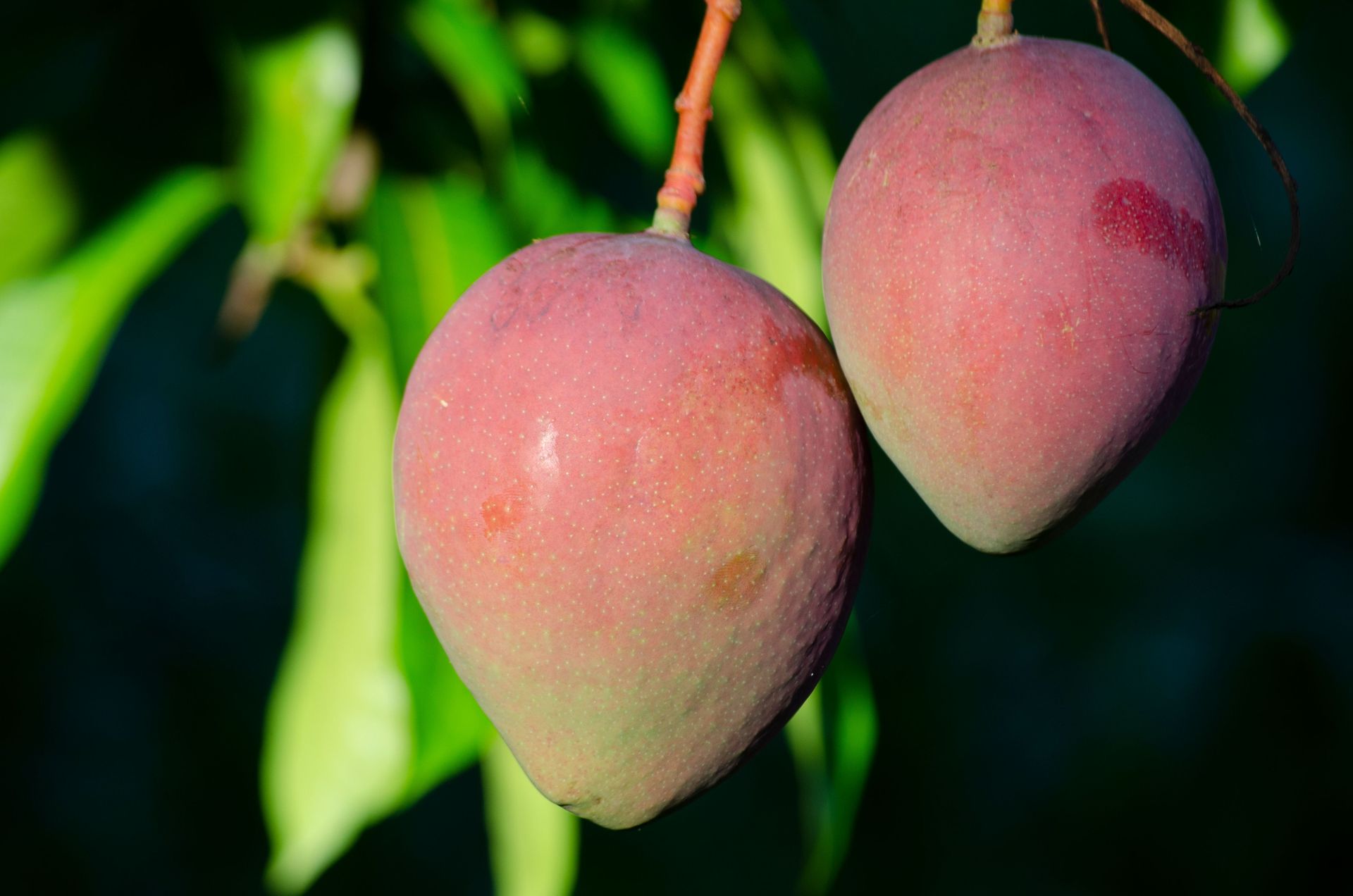
- avocado,
- mango,
- macadamia,
- citrus,
- and passion fruit.
Ornamental Trees and Flowers
Suitable for:
- hotels,
- office parks,
- schools,
- and real estate developments.
Examples include:
- Tabebuia,
- Jacaranda,
- Bougainvillea,
- and ornamental palms.
Bamboo
Increasingly popular for:
- riverbank restoration,
- commercial projects,
- and carbon sequestration initiatives.
Medicinal and Herbal Plants
Organizations are also investing in:
- Moringa,
- Aloe Vera,
- Artemisia,
- and other medicinal species.
The Role of Technology in Modern Seedling Procurement
Technology is transforming agriculture and environmental restoration.
Digital platforms like Seedlink improve:
- procurement efficiency,
- supplier discovery,
- order coordination,
- communication,
- and traceability.
Organizations can now streamline what was previously a fragmented and manual process.
This improves:
- transparency,
- scalability,
- and project success.
ESG and Sustainability Reporting Benefits
Modern organizations increasingly report environmental impact to:
- investors,
- donors,
- regulators,
- and stakeholders.
Using structured procurement systems like Seedlink improves reporting by providing:
- supplier records,
- project documentation,
- procurement history,
- and traceable sourcing information.
This strengthens:
- ESG disclosures,
- sustainability reports,
- and carbon accountability frameworks.
Why Community-Centered Procurement Matters
Environmental restoration should benefit communities economically.
By sourcing through platforms that empower local nurseries, organizations:
- create jobs,
- support local entrepreneurship,
- strengthen rural economies,
- and encourage community ownership of restoration efforts.
This creates long-term sustainability beyond simply planting trees.
Future Trends in Seedling Procurement in Kenya
The future of bulk seedling procurement is moving toward:
- digital aggregation,
- traceability systems,
- climate-smart species selection,
- impact monitoring,
- and decentralized nursery networks.
Organizations that adopt modern procurement systems early will achieve:
- better efficiency,
- stronger accountability,
- and greater environmental impact.
Platforms like Seedlink are leading this transformation.
Conclusion
Bulk seedling procurement is no longer just about buying plants.
It is about:
- ensuring quality,
- enabling traceability,
- supporting communities,
- simplifying logistics,
- strengthening accountability,
- and maximizing long-term environmental impact.
For corporates, NGOs, institutions, and government agencies in Kenya, choosing the right procurement partner can determine the success or failure of an entire restoration project.
Seedlink Kenya offers one of the most convenient and modern approaches to seedling sourcing by connecting organizations with verified nurseries, enabling aggregation for large orders, improving documentation, supporting traceability, and empowering local communities.
Whether you are planning a CSR tree planting event, a nationwide restoration campaign, a donor-funded agroforestry project, or institutional landscaping, Seedlink provides the infrastructure needed to procure seedlings efficiently and responsibly.
Ready to Source Seedlings in Bulk?
Visit Seedlink Kenya today or contact the team via WhatsApp at 0740712579 to connect with verified nurseries and streamline your next seedling procurement project.