How Companies in Kenya Can Meet ESG Goals Through Tree Planting
Environmental, Social, and Governance (ESG) goals are no longer optional for businesses operating in Kenya and across the globe. Investors, customers, regulators, development partners, and communities increasingly expect organizations to demonstrate measurable sustainability impact. One of the most effective and visible ways companies can align with ESG objectives is through strategic tree planting initiatives.
In Kenya, tree planting has become more than a corporate social responsibility activity. It is now a strategic sustainability tool that supports carbon reduction, biodiversity restoration, community engagement, climate resilience, and long-term brand reputation.
However, successful corporate tree planting requires more than simply purchasing seedlings and organizing a planting day. Companies need traceability, reliable nursery networks, proper documentation, quality seedlings, monitoring systems, and community involvement to ensure meaningful environmental impact.
This is where Seedlink Kenya is transforming the landscape by making it easier for corporates, NGOs, institutions, and sustainability-focused organizations to source certified seedlings from trusted nurseries across Kenya.
Understanding ESG and Why It Matters in Kenya
ESG refers to the standards companies use to measure their impact on the environment, society, and corporate governance.
Environmental Goals
These include:
- Carbon footprint reduction
- Reforestation and afforestation
- Biodiversity conservation
- Water catchment protection
- Sustainable land use
- Climate adaptation
Social Goals
These focus on:
- Community empowerment
- Livelihood creation
- Youth and women inclusion
- Food security
- Public health and environmental awareness
Governance Goals
Governance involves:
- Transparency
- Accountability
- Impact reporting
- Traceability
- Ethical sourcing
- Compliance with sustainability standards
Tree planting projects can contribute significantly across all three ESG pillars when implemented strategically.
Why Tree Planting Is a Powerful ESG Strategy
1. Carbon Sequestration and Climate Action
Trees absorb carbon dioxide from the atmosphere, helping organizations offset emissions and contribute to climate mitigation goals.
Companies in sectors such as manufacturing, logistics, agriculture, banking, real estate, hospitality, and telecommunications are increasingly investing in tree planting programs to strengthen their sustainability profiles.
Tree planting helps businesses:
- Improve ESG reporting metrics
- Contribute to net-zero ambitions
- Support climate resilience initiatives
- Participate in carbon offset programs
In Kenya, where climate change impacts are becoming more severe, tree planting is both an environmental necessity and a business opportunity.
2. Enhancing Corporate Reputation
Consumers and investors are increasingly drawn to environmentally responsible brands.
Organizations that actively participate in reforestation and environmental restoration often experience:
- Stronger public trust
- Better stakeholder relationships
- Enhanced brand loyalty
- Increased investor confidence
- Improved media visibility
A well-executed tree planting project demonstrates that a company is committed to sustainable development and community well-being.
3. Supporting Community Development
Tree planting projects can create significant social impact.
When companies source seedlings locally and involve communities in planting and maintenance, they support:
- Rural livelihoods
- Local nurseries
- Youth employment
- Women's groups
- Farmer cooperatives
- Community conservation efforts
This aligns directly with ESG social impact objectives.
Challenges Companies Face When Implementing Tree Planting Programs
Despite the growing interest in sustainability initiatives, many companies encounter major obstacles when trying to implement large-scale tree planting projects.
Poor Seedling Quality
Low-quality seedlings often lead to:
- High mortality rates
- Wasted budgets
- Poor project outcomes
- Negative sustainability reporting
Organizations need access to certified, healthy seedlings from verified nurseries.
Lack of Traceability
Many companies struggle to answer important ESG reporting questions such as:
- Where did the seedlings come from?
- Which nursery supplied them?
- Were they certified?
- Which communities benefited?
- What species were planted?
- How many survived?
Without proper traceability systems, sustainability claims become difficult to verify.
Fragmented Supply Chains
Sourcing thousands of seedlings from multiple nurseries can be time-consuming and inefficient.
Organizations often face:
- Inconsistent pricing
- Unreliable suppliers
- Delayed deliveries
- Lack of coordination
- Limited species availability
Limited Documentation
Modern ESG frameworks require detailed documentation for reporting and compliance purposes.
Companies increasingly need:
- Delivery records
- Species lists
- Supplier verification
- Geo-tagged planting records
- Community participation evidence
- Monitoring reports
Manual processes make documentation difficult and unreliable.
How Seedlink Helps Companies Achieve ESG Goals
Seedlink Kenya is emerging as one of Kenya’s most convenient and reliable platforms for sourcing seedlings for corporate sustainability projects.
The platform connects organizations directly with trusted nurseries across Kenya while simplifying procurement, aggregation, delivery, traceability, and documentation.
1. Access to Verified and Certified Nurseries
One of the biggest advantages of Seedlink is its network of verified nurseries.
This ensures:
- Healthy seedlings
- Certified plant varieties
- Better survival rates
- Reliable suppliers
- Consistent quality standards
For ESG-driven companies, this improves accountability and project credibility.
Organizations can source:
- Indigenous trees
- Fruit trees
- Agroforestry seedlings
- Ornamental trees
- Bamboo
- Herbal plants
- Climate-resilient species
All from a centralized platform.
2. Aggregation for Large Corporate Orders
Many corporate projects require thousands or even hundreds of thousands of seedlings.
Seedlink simplifies this through aggregation.
Instead of dealing with multiple suppliers independently, organizations can:
- Consolidate orders
- Access multiple nurseries through one platform
- Simplify procurement
- Reduce sourcing delays
- Improve logistical coordination
This is particularly useful for:
- CSR programs
- County greening initiatives
- NGO reforestation projects
- Water catchment restoration
- Commercial landscaping
- Institutional tree planting drives
Aggregation reduces operational complexity and improves scalability.
3. Improved Traceability for ESG Reporting
Traceability is becoming increasingly important in sustainability reporting.
Seedlink helps organizations track:
- Seedling sources
- Nursery suppliers
- Species information
- Delivery records
- Project locations
- Community participation
This makes ESG reporting easier and more credible.
Companies can demonstrate:
- Verified environmental impact
- Responsible sourcing practices
- Local economic empowerment
- Transparent procurement systems
Traceability strengthens investor confidence and supports compliance with international ESG standards.
4. Community Involvement and Social Impact
Strong ESG programs prioritize community participation.
Seedlink supports local nurseries and community-based suppliers across Kenya, ensuring that sustainability projects also generate economic opportunities.
This creates positive social impact through:
- Income generation
- Rural enterprise growth
- Youth employment
- Women-led nursery support
- Local environmental stewardship
When organizations buy seedlings through Seedlink, they are not just planting trees — they are supporting local ecosystems and livelihoods.
This aligns perfectly with ESG social responsibility objectives.
5. Documentation and Accountability
Documentation is essential for sustainability audits, donor reporting, investor communication, and annual ESG disclosures.
Seedlink helps simplify documentation processes by supporting:
- Procurement records
- Nursery verification
- Species tracking
- Order histories
- Delivery confirmations
This creates stronger accountability throughout the supply chain.
Proper documentation also helps organizations measure:
- Number of trees planted
- Species diversity
- Geographic impact
- Supplier engagement
- Restoration progress
Best Tree Species for Corporate ESG Projects in Kenya
Choosing the right seedlings is essential for long-term project success.
Indigenous Trees
Examples include:
- Croton
- Meru Oak
- Mukau
- Elgon Teak
- African Olive
Benefits:
- Biodiversity restoration
- Better ecological adaptation
- Long-term resilience
Fruit Trees
Examples:
- Avocado
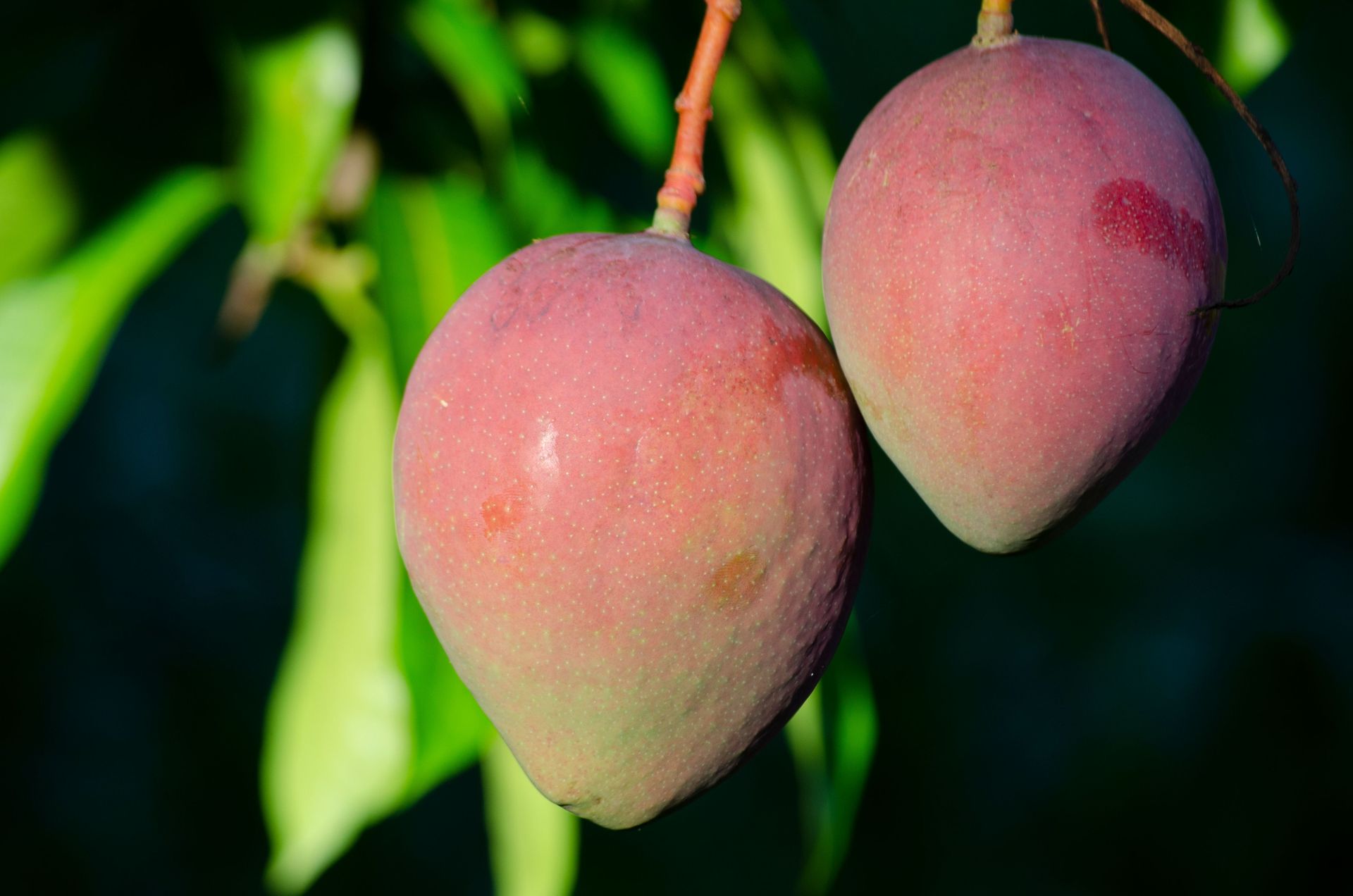
- Mango
- Citrus
- Macadamia
Benefits:
- Food security
- Income generation
- Community empowerment
Bamboo
Bamboo is becoming increasingly popular due to:
- Fast growth
- Carbon sequestration
- Soil conservation
- Commercial applications
Moringa
Moringa supports:
- Nutrition programs
- Climate resilience
- Income generation
- Sustainable agriculture
How to Build a Successful Corporate Tree Planting Program
Define Clear ESG Objectives
Organizations should identify:
- Environmental goals
- Community targets
- Carbon objectives
- Restoration priorities
Clear goals improve measurement and reporting.
Partner with Reliable Suppliers
Working with trusted platforms like Seedlink Kenya helps reduce procurement risks and improves project outcomes.
Reliable sourcing ensures:
- Quality seedlings
- Better logistics
- Easier scaling
- Improved traceability
Involve Communities
Community engagement increases:
- Ownership
- Survival rates
- Long-term sustainability
Organizations should involve:
- Schools
- Farmer groups
- Youth organizations
- Community conservation groups
Monitor and Report Progress
Tree planting should not end after planting day.
Successful programs include:
- Monitoring
- Maintenance
- Survival assessments
- Impact reporting
This improves accountability and ESG transparency.
Why ESG-Focused Organizations Are Choosing Seedlink
Companies, NGOs, and institutions increasingly need sustainability solutions that are:
- Scalable
- Transparent
- Efficient
- Community-centered
- Well-documented
Seedlink Kenya addresses these needs by creating a modern ecosystem for seedling sourcing in Kenya.
The platform stands out because of its:
- Verified nursery network
- Aggregation capabilities
- Nationwide sourcing
- Traceability support
- Community integration
- Simplified procurement
- Focus on quality seedlings
For organizations managing large sustainability programs, this creates operational efficiency while strengthening ESG impact.
The Future of ESG and Tree Planting in Kenya
Kenya is rapidly positioning itself as a leader in sustainability and climate action in Africa.
Government policies, investor expectations, and public awareness are driving increased demand for:
- Reforestation
- Sustainable agriculture
- Carbon offset projects
- Biodiversity restoration
- Green infrastructure
As ESG reporting standards continue to evolve, companies will increasingly need:
- Verified environmental impact
- Transparent sourcing systems
- Reliable documentation
- Community-centered sustainability models
Tree planting initiatives supported by technology-driven platforms like Seedlink will play a critical role in helping organizations meet these expectations.
Conclusion
Tree planting is no longer just a symbolic CSR activity. It has become a strategic ESG tool that helps organizations in Kenya achieve measurable environmental, social, and governance goals.
However, successful tree planting programs require more than seedlings. They require:
- Quality assurance
- Traceability
- Aggregation
- Community involvement
- Documentation
- Reliable delivery systems
Seedlink Kenya is making this process easier by connecting companies, NGOs, and institutions with trusted nurseries across Kenya through a transparent and scalable platform.
Whether your organization is planning:
- A carbon offset initiative
- A reforestation campaign
- A CSR tree planting drive
- A biodiversity restoration project
- A community empowerment program
Seedlink provides one of the most convenient ways to source quality seedlings while supporting sustainability, accountability, and local impact.
For organizations serious about ESG in Kenya, investing in tree planting through Seedlink is not just good for the environment — it is a smart long-term business decision.