Top Fruit Tree Seedlings for Community Empowerment Projects
Community empowerment projects are increasingly turning to fruit tree farming as a sustainable solution for improving livelihoods, strengthening food security, restoring ecosystems, and generating long-term income. Across Kenya, NGOs, corporates, county governments, schools, faith-based organizations, and community groups are investing in fruit tree planting initiatives that create both environmental and economic impact.
However, the success of any fruit tree project largely depends on one critical factor: access to high-quality, certified, and traceable seedlings.
This is where Seedlink Kenya has emerged as one of the most reliable and convenient platforms for sourcing fruit tree seedlings in Kenya. By connecting buyers directly to verified nurseries, Seedlink simplifies bulk seedling procurement while enhancing transparency, documentation, traceability, and community participation.
In this guide, we explore the best fruit tree seedlings for community empowerment projects and why choosing the right sourcing partner matters for long-term success.
Why Fruit Tree Projects Matter for Community Empowerment
Fruit tree projects provide far more than just fruits. They create a ripple effect across communities by addressing multiple social and economic challenges simultaneously.
1. Improved Food Security
Fruit trees provide communities with reliable access to nutritious foods rich in vitamins and minerals. Families can supplement their diets with fruits such as mangoes, avocados, oranges, passion fruits, and guavas.
This is especially important in rural and semi-arid areas where access to diverse nutrition may be limited.
2. Income Generation
Fruit farming creates sustainable income opportunities for households, youth groups, women cooperatives, and farmer associations. Once mature, fruit trees provide harvests for many years, creating recurring income streams.
For example:
- Avocado farming has become a major export opportunity in Kenya.
- Mango farming supports local processing industries.
- Citrus fruits maintain strong local market demand.
3. Environmental Conservation
Tree planting helps combat:
- Soil erosion
- Deforestation
- Climate change
- Land degradation
Fruit trees also improve biodiversity while supporting pollinators and improving soil health.
4. Community Ownership and Participation
Fruit tree projects naturally encourage community engagement because beneficiaries directly participate in planting, maintenance, harvesting, and marketing activities.
Projects with strong local involvement tend to have higher survival rates and long-term sustainability.
Top Fruit Tree Seedlings for Community Empowerment Projects in Kenya
Choosing the right fruit tree species is essential for maximizing impact. The best seedlings are those suited to local climate conditions, market demand, and community needs.
Below are some of the top-performing fruit tree seedlings for Kenyan empowerment projects.
1. Hass Avocado Seedlings
Hass avocados remain one of the most profitable fruit crops in Kenya due to strong export demand.
Why Hass Avocados Are Ideal
- High market value
- Strong export opportunities
- Long productive lifespan
- Suitable for smallholder farmers
Community Benefits
- Income generation for youth and women groups
- Opportunities for aggregation and export partnerships
- Supports value addition industries
Best Growing Areas
- Central Kenya
- Rift Valley
- Western Kenya
- Parts of Eastern Kenya
2. Mango Seedlings
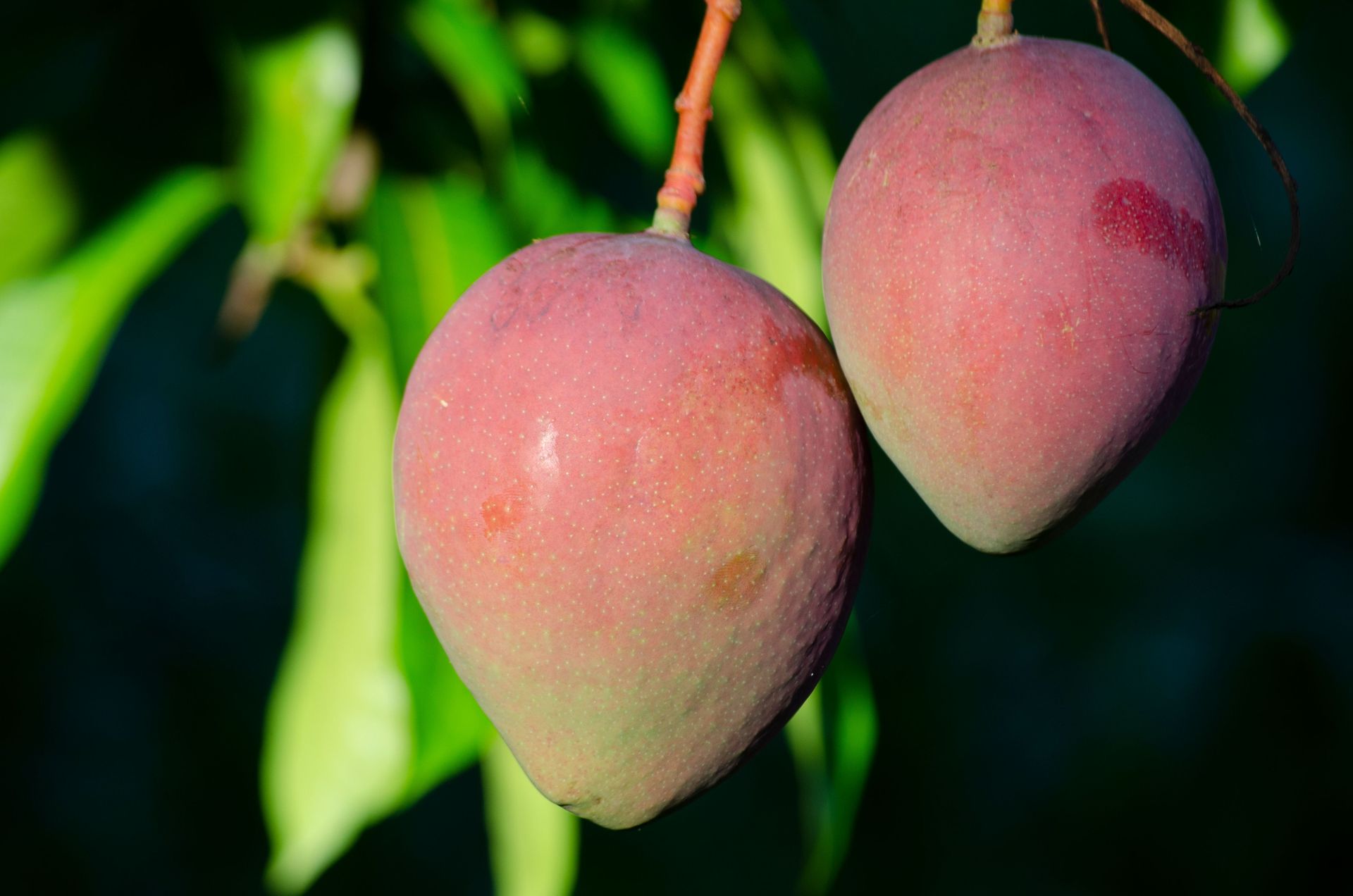
Mango farming is widely practiced across Kenya because of its adaptability and strong local demand.
Popular varieties include:
- Apple mango
- Kent mango
- Tommy Atkins
- Ngowe
Benefits for Communities
- Easy market access
- Suitable for processing into juice and dried fruits
- Drought tolerant varieties available
- Strong domestic demand
Ideal for:
- School feeding programs
- Women empowerment groups
- Dryland farming initiatives
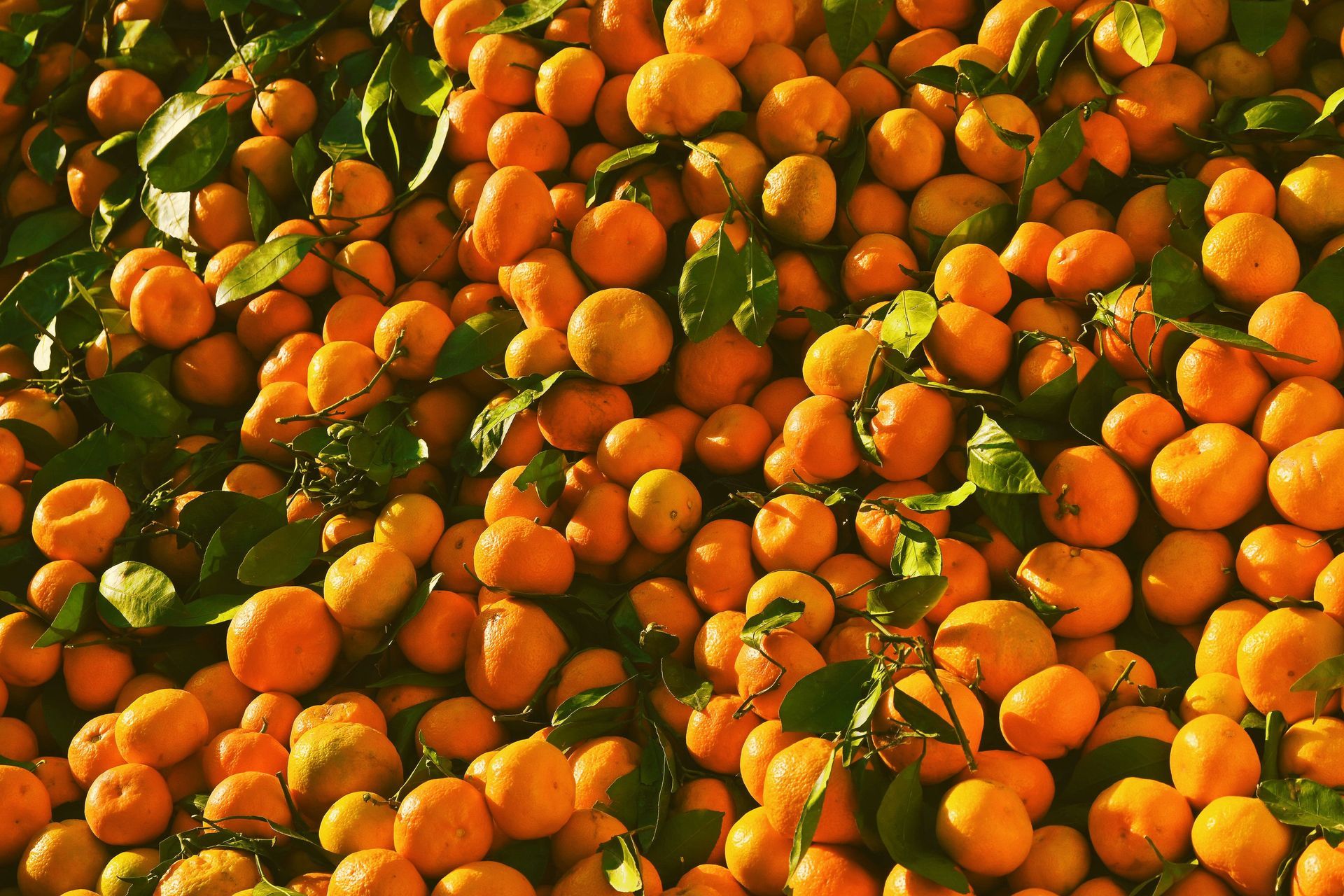
3. Citrus Seedlings
Citrus fruits remain highly popular due to consistent consumption across households and institutions.
Popular citrus seedlings include:
- Oranges
- Lemons
- Tangerines
- Pixie oranges
Why Citrus Works Well
- High nutritional value
- Year-round demand
- Suitable for commercial and domestic use
Community Impact
- Supports nutrition programs
- Generates household income
- Ideal for cooperative farming
4. Passion Fruit Seedlings
Passion fruits are highly profitable due to short maturity periods and growing market demand.
Advantages
- Quick returns on investment
- Suitable for small land sizes
- High market demand
Ideal Beneficiaries
- Youth farming projects
- Women groups
- Urban and peri-urban farming initiatives
Purple passion fruit varieties are particularly popular in Kenyan markets.
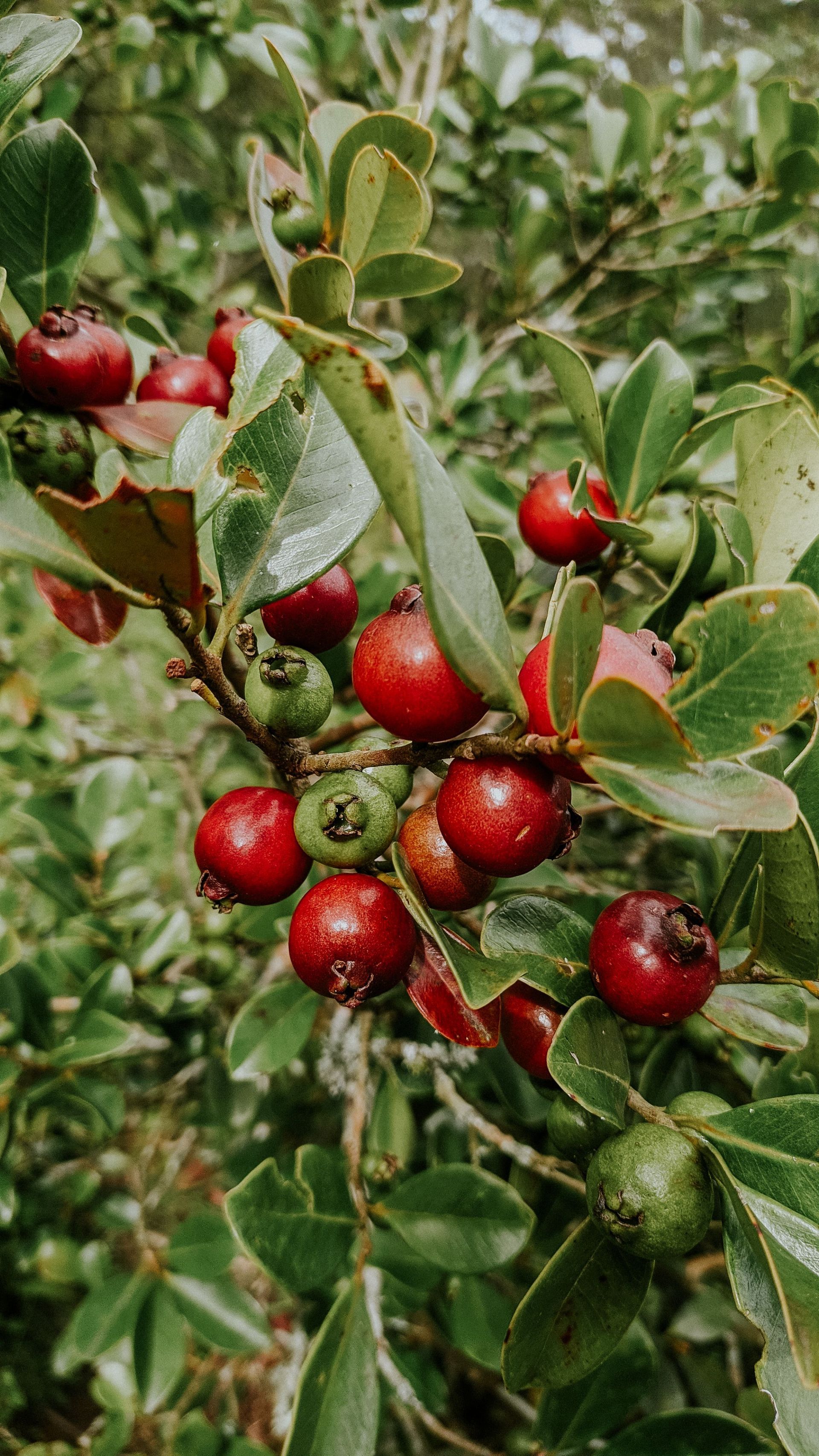
5. Guava Seedlings
Guavas are becoming increasingly popular due to their nutritional value and adaptability.
Benefits
- Rich in Vitamin C
- Fast-growing
- Low maintenance
Why Communities Prefer Guavas
- Suitable for schools and nutrition projects
- Performs well in varied climates
- Fruits can be consumed fresh or processed
6. Tree Tomato (Tamarillo) Seedlings
Tree tomatoes are ideal for highland regions and offer strong income potential.
Key Benefits
- Early fruiting
- Good market prices
- Suitable for intensive small-scale farming
Common Project Areas
- Central Kenya
- Mount Kenya region
- Parts of Rift Valley
7. Pawpaw (Papaya) Seedlings
Papaya farming is ideal for rapid community impact because the trees mature quickly.
Advantages
- Fruits within 8–12 months
- High nutritional value
- Easy to manage
Suitable For
- Household nutrition projects
- Community health programs
- Women and youth empowerment groups
The Importance of Certified and Traceable Seedlings
One of the biggest challenges facing community tree projects in Kenya is poor seedling quality.
Low-quality seedlings often lead to:
- High mortality rates
- Poor yields
- Disease outbreaks
- Reduced project confidence
This is why sourcing certified seedlings is essential.
What Are Certified Seedlings?
Certified seedlings are produced under approved nursery standards and meet quality requirements related to:
- Genetic purity
- Disease control
- Proper grafting
- Healthy root development
Why Traceability Matters in Community Projects
Traceability is increasingly important for NGOs, corporates, and donor-funded projects.
Organizations need to know:
- Where seedlings originated from
- Which nursery supplied them
- Seedling variety details
- Batch records and supply documentation
Traceability improves:
- Accountability
- Monitoring and evaluation
- Reporting to donors
- Project transparency
This is especially important for ESG programs, CSR initiatives, and climate-focused investments.
Why Seedlink Kenya Is the Best Platform for Bulk Seedling Procurement
Seedlink Kenya is transforming how organizations source seedlings in Kenya.
Instead of struggling to identify reliable nurseries individually, organizations can use Seedlink to access verified suppliers conveniently and transparently.
1. Access to Verified Nurseries Across Kenya
Seedlink connects buyers to trusted nurseries offering:
- Fruit seedlings
- Indigenous trees
- Ornamental plants
- Herbal seedlings
- Agroforestry trees
This nationwide network helps organizations source seedlings closer to project locations, reducing logistical challenges.
2. Enhanced Traceability
Seedlink improves project accountability by helping organizations maintain proper documentation and traceability records.
This is critical for:
- NGO reporting
- Corporate sustainability audits
- Donor accountability
- Environmental impact assessments
Organizations can better track:
- Seedling origin
- Supplier details
- Quantities supplied
- Delivery records
3. Simplified Aggregation for Large Orders
Many community projects require thousands of seedlings at once.
Sourcing such quantities from a single nursery can be difficult.
Seedlink solves this problem through aggregation by connecting buyers with multiple nurseries capable of collectively fulfilling bulk orders.
This ensures:
- Faster fulfillment
- Reliable supply
- Reduced procurement delays
4. Improved Community Involvement
Seedlink’s platform supports local nursery businesses and community growers.
By sourcing through local nurseries:
- Communities benefit economically
- Small nursery operators access larger markets
- Rural economies strengthen
This creates a more inclusive and sustainable seedling supply ecosystem.
5. Convenient Ordering Process
Traditional seedling procurement often involves:
- Multiple phone calls
- Physical visits
- Inconsistent pricing
- Unverified suppliers
Seedlink simplifies the process by enabling organizations to:
- Browse available seedlings online
- Compare options
- Connect directly with suppliers
- Coordinate deliveries efficiently
Visit:
👉
www.seedlink.co.ke
Key Factors to Consider Before Launching a Fruit Tree Project
1. Climate Suitability
Different fruit trees perform differently depending on rainfall, altitude, and temperature.
Always select seedlings suited to local conditions.
2. Community Needs
Projects should align with:
- Nutritional goals
- Income objectives
- Market access opportunities
- Local farming experience
3. Water Availability
Some fruit trees require irrigation during establishment.
Assess local water resources before selecting varieties.
4. Market Linkages
Communities need reliable buyers once fruits mature.
Projects should consider:
- Local markets
- Aggregation opportunities
- Value addition partnerships
5. Training and Extension Support
Farmer education improves survival rates and productivity.
Training should cover:
- Planting techniques
- Pest management
- Pruning
- Irrigation
- Harvest handling
Best Practices for Successful Community Tree Projects
Start With Quality Seedlings
Never compromise on seedling quality.
Healthy seedlings significantly improve project success rates.
Engage Local Communities Early
Projects succeed when beneficiaries feel ownership.
Include communities in:
- Species selection
- Planning
- Nursery development
- Monitoring
Prioritize Monitoring and Documentation
Track:
- Survival rates
- Tree growth
- Beneficiary participation
- Environmental impact
Proper documentation strengthens donor confidence and project scalability.
Use Trusted Procurement Platforms
Reliable sourcing platforms reduce project risks.
Seedlink Kenya provides a transparent and efficient way to source seedlings from verified nurseries across Kenya.
The Future of Fruit Tree Empowerment Projects in Kenya
As Kenya continues focusing on:
- Climate resilience
- Food security
- Youth employment
- Sustainable agriculture
Fruit tree projects will play an even bigger role in community transformation.
Organizations are increasingly integrating tree planting into:
- ESG programs
- CSR initiatives
- Carbon offset projects
- Community resilience programs
The demand for reliable seedling supply chains will continue growing.
Platforms like Seedlink are helping bridge this gap by improving:
- Access
- Trust
- Coordination
- Traceability
- Scalability
Conclusion
Fruit tree empowerment projects have the power to transform communities socially, economically, and environmentally.
However, long-term success depends on sourcing the right seedlings from trusted suppliers.
Whether your organization is planning:
- A CSR tree planting initiative
- A county greening program
- A women empowerment project
- A youth agribusiness initiative
- A climate resilience campaign
Choosing certified and traceable seedlings is essential.
Seedlink Kenya offers one of the most convenient and transparent ways to source bulk fruit tree seedlings in Kenya through verified nurseries and aggregated supply networks.
With a strong focus on:
- Traceability
- Documentation
- Community involvement
- Verified nurseries
- Convenient procurement
Seedlink is helping organizations plant not just trees — but long-term impact.
Ready to Source Fruit Tree Seedlings in Kenya?
Visit:
👉
www.seedlink.co.ke
📞 WhatsApp: 0740712579
Grow communities. Restore ecosystems. Create lasting impact.