Bulk Seedling Supply in Kenya: What Organizations Need to Know
Tree planting and landscape restoration are no longer optional activities for organizations in Kenya. From corporates implementing ESG strategies to NGOs running environmental conservation projects, the demand for quality seedlings has grown significantly over the last few years. Institutions are increasingly investing in afforestation, agroforestry, urban greening, and food security initiatives that require thousands — sometimes millions — of seedlings.
However, sourcing seedlings in bulk is not as simple as placing an order and waiting for delivery. Organizations must consider seedling quality, supplier reliability, traceability, logistics, survival rates, and documentation to ensure project success.
This guide explores everything organizations need to know about bulk seedling supply in Kenya and why Seedlink Kenya has emerged as one of the most convenient and reliable platforms for sourcing certified seedlings at scale.
Why Bulk Seedling Supply Matters in Kenya
Kenya continues to experience growing environmental pressure due to deforestation, climate change, urbanization, and land degradation. In response, government agencies, NGOs, private companies, schools, and development organizations are investing heavily in tree planting and restoration programs.
Bulk seedling procurement is essential for:
- Reforestation and afforestation projects
- CSR and ESG initiatives
- Carbon offset programs
- Agroforestry programs
- Community livelihood projects
- Riparian restoration
- Institutional landscaping
- Food security projects
- Urban greening initiatives
For such projects to succeed, organizations require a dependable supply chain capable of delivering healthy seedlings consistently and efficiently.
Challenges Organizations Face When Buying Seedlings in Bulk
Despite the increasing demand, many organizations still struggle with procurement challenges when sourcing seedlings in Kenya.
1. Inconsistent Seedling Quality
One of the biggest problems in the market is inconsistent quality. Some nurseries supply weak seedlings with poor root development, leading to low survival rates after planting.
Poor-quality seedlings can result in:
- Project failure
- Wasted budgets
- Negative environmental impact
- Loss of stakeholder confidence
Organizations need certified, healthy seedlings that are suitable for their ecological zones.
2. Lack of Traceability
Many traditional procurement systems offer little visibility into where seedlings originate from.
Without traceability, organizations may struggle to:
- Verify species authenticity
- Confirm nursery standards
- Track project outcomes
- Report accurately to donors and stakeholders
Traceability is especially important for NGOs, corporates, and international organizations that require accountability and transparent reporting.
3. Difficulty Aggregating Large Quantities
Most nurseries in Kenya are small-scale operators. While they may produce quality seedlings, few can independently fulfill large orders consistently.
Organizations often face:
- Fragmented supply chains
- Delays in fulfillment
- Multiple supplier negotiations
- Uneven stock availability
Managing several nurseries manually can become time-consuming and inefficient.
4. Limited Documentation
Environmental and donor-funded projects often require documentation such as:
- Seedling sourcing records
- Delivery confirmations
- Nursery certifications
- Species inventories
- Impact reporting
Many informal nursery suppliers do not provide proper documentation, making compliance difficult for organizations.
5. Logistics and Delivery Challenges
Transporting seedlings requires careful handling to avoid damage and stress.
Bulk buyers frequently struggle with:
- Coordinating transport
- Long-distance deliveries
- Packaging issues
- Delayed deliveries
- High logistics costs
Reliable delivery systems are critical for project timelines.
What Organizations Should Look for in a Bulk Seedling Supplier
Choosing the right seedling supplier is one of the most important decisions for any tree planting or restoration project.
Here are the key factors organizations should prioritize.
1. Certified and Verified Seedlings
Organizations should always source seedlings from verified nurseries with a reputation for quality production.
Key indicators include:
- Healthy root systems
- Disease-free seedlings
- Proper nursery management
- Appropriate hardening practices
- Correct species labeling
Certified seedlings improve survival rates and maximize project success.
2. Traceability Systems
Modern environmental projects require transparency.
Organizations should work with suppliers that can provide:
- Nursery source records
- Species tracking
- Batch identification
- Delivery records
- Supplier verification
Traceability strengthens accountability and improves donor confidence.
3. Ability to Aggregate Large Orders
Large-scale projects require coordinated supply from multiple nurseries.
An ideal supplier should:
- Aggregate seedlings from different growers
- Standardize quality control
- Manage supplier coordination
- Ensure consistent fulfillment timelines
This simplifies procurement for organizations significantly.
4. Community Involvement
Projects are more sustainable when local communities participate.
Organizations should prioritize suppliers that support:
- Local nursery owners
- Youth groups
- Women-led nurseries
- Farmer cooperatives
- Community-based restoration initiatives
Community involvement creates economic opportunities while strengthening environmental impact.
5. Strong Documentation and Reporting
Proper documentation is essential for:
- ESG reporting
- NGO accountability
- Government compliance
- Donor reporting
- Impact measurement
Organizations should choose suppliers capable of maintaining clear procurement and delivery records.
Why Seedlink Is Transforming Bulk Seedling Supply in Kenya
As the demand for seedlings continues to rise, Seedlink Kenya is simplifying how organizations source seedlings in bulk across Kenya.
Seedlink connects buyers directly with verified nurseries while offering transparency, aggregation, convenience, and reliable delivery coordination.
1. Convenient Access to Verified Nurseries
Traditionally, organizations had to manually search for nurseries across different counties.
Seedlink simplifies this process by creating a centralized marketplace where organizations can:
- Browse seedling varieties
- Compare nursery options
- Access verified suppliers
- Place bulk inquiries easily
This saves time and reduces procurement complexity.
2. Seedling Aggregation at Scale
One of Seedlink’s biggest strengths is aggregation.
Instead of relying on a single nursery, Seedlink enables organizations to source large quantities from multiple verified growers while maintaining quality standards.
Benefits include:
- Faster fulfillment
- Improved availability
- Reduced shortages
- Better regional coverage
This is particularly useful for nationwide planting campaigns and large restoration projects.
3. Improved Traceability
Traceability is becoming increasingly important for environmental projects.
Seedlink enhances transparency by helping organizations track:
- Seedling sources
- Nursery information
- Species supplied
- Procurement records
This improves reporting accuracy and strengthens project accountability.
For ESG-focused companies and donor-funded NGOs, traceability is essential for measuring environmental impact.
4. Supporting Local Communities
Seedlink’s marketplace model also supports local economic empowerment.
By connecting organizations to local nurseries, Seedlink helps:
- Small nursery owners access larger markets
- Youth groups generate income
- Women-led nurseries grow sustainably
- Rural communities participate in restoration economies
This creates shared value beyond tree planting alone.
Organizations working with Seedlink can demonstrate both environmental and social impact.
5. Better Documentation and Procurement Records
Organizations often require detailed records for audits and reporting.
Seedlink improves procurement efficiency by helping maintain:
- Supplier records
- Delivery tracking
- Seedling quantities
- Species inventories
- Order histories
This is especially important for:
- NGOs
- Development agencies
- Corporate CSR programs
- Government-funded projects
Proper documentation supports transparency and accountability throughout the project lifecycle.
Popular Seedlings for Bulk Orders in Kenya
Different projects require different seedling varieties depending on objectives and ecological conditions.
Some of the most commonly requested seedlings include:
Indigenous Trees
Ideal for:
- Restoration projects
- Riparian rehabilitation
- Biodiversity conservation
Popular varieties:
- Croton
- Meru Oak
- Cedar
- Elgon Teak
Fruit Trees
Ideal for:
- Food security projects
- Community livelihoods
- School feeding programs
Popular varieties:
- Avocado
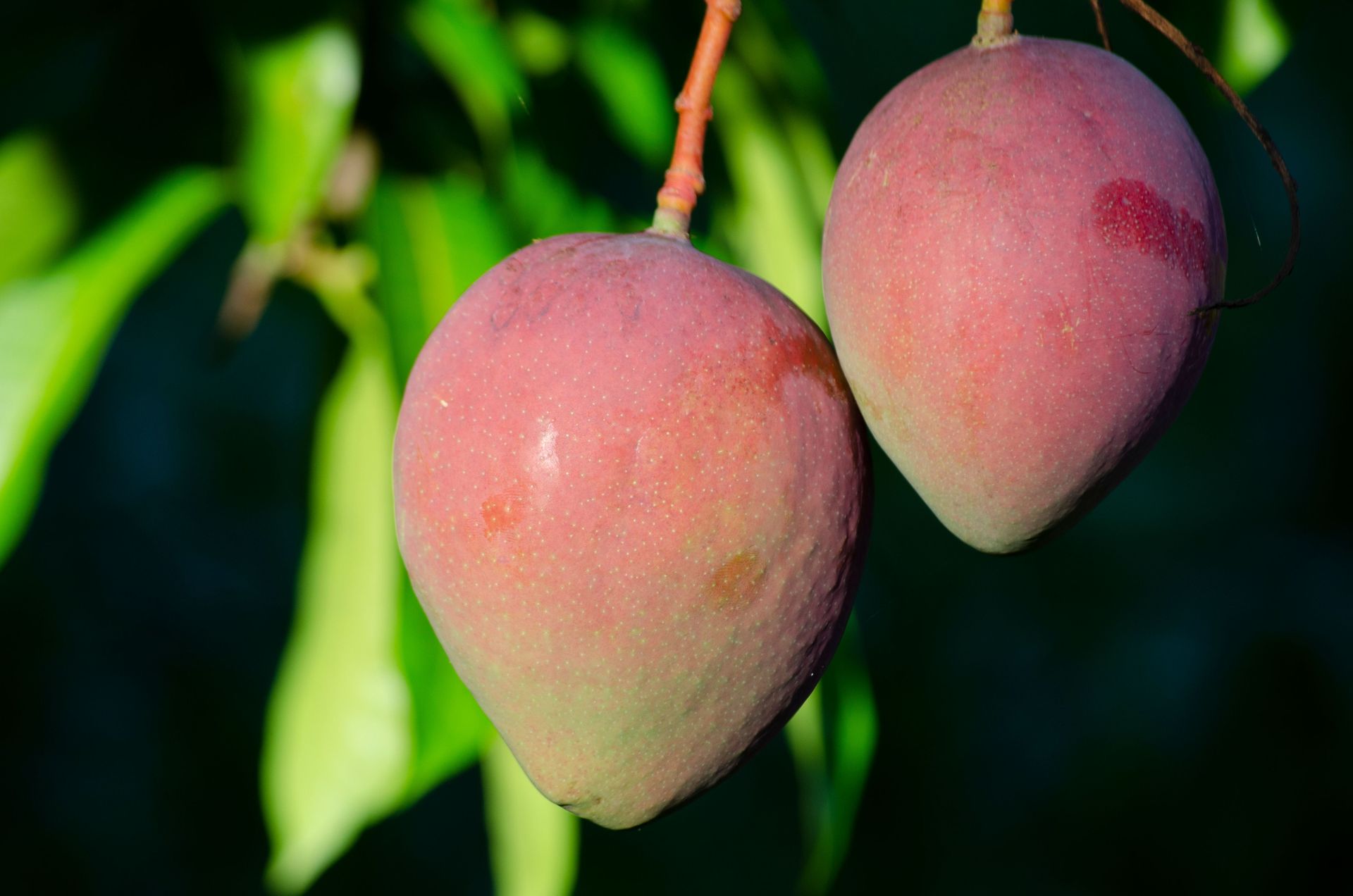
- Mango
- Citrus
- Tree tomato
Agroforestry Trees
Ideal for:
- Farm productivity
- Soil improvement
- Livestock systems
Popular varieties:
- Calliandra
- Sesbania
- Grevillea
Ornamental Trees
Ideal for:
- Urban landscaping
- Real estate developments
- Institutional compounds
Popular varieties:
- Yellow Tabebuia
- Jacaranda
- Palm trees
Medicinal and High-Value Crops
Ideal for:
- Income generation
- Nutritional projects
Popular varieties:
- Moringa
- Bamboo
- Herbs
Organizations can source these and many more through Seedlink Kenya.
Best Practices for Bulk Seedling Procurement
To maximize project success, organizations should follow best practices when planning bulk seedling purchases.
1. Plan Early
Seedling production takes time.
Organizations should:
- Forecast demand early
- Communicate timelines clearly
- Reserve stock in advance
Early planning ensures availability during peak planting seasons.
2. Match Species to Ecological Zones
Not all seedlings perform well everywhere.
Organizations should select species based on:
- Rainfall patterns
- Altitude
- Soil type
- Project goals
This improves survival rates significantly.
3. Prioritize Quality Over Price
Cheaper seedlings often result in higher losses later.
High-quality seedlings:
- Survive better
- Grow faster
- Deliver stronger impact
Investing in quality reduces long-term project costs.
4. Coordinate Logistics Carefully
Proper transportation is critical.
Organizations should ensure:
- Timely deliveries
- Proper packaging
- Minimal root disturbance
- Immediate planting after delivery
Reliable suppliers help streamline logistics.
5. Monitor Survival Rates
Tree planting success is measured by survival, not just planting numbers.
Organizations should:
- Conduct follow-up monitoring
- Train communities on tree care
- Water seedlings during establishment
- Replace failed seedlings when necessary
Long-term monitoring improves impact outcomes.
The Growing Role of ESG and Carbon Projects
Corporate sustainability is reshaping the seedling supply market in Kenya.
More companies are investing in:
- Carbon offset programs
- ESG initiatives
- Climate resilience projects
- Green branding campaigns
This has increased demand for:
- Traceable seedlings
- Verified sourcing
- Impact documentation
- Community-centered restoration
Platforms like Seedlink Kenya are helping organizations meet these evolving expectations efficiently.
Why Digital Seedling Marketplaces Are the Future
The traditional seedling supply chain in Kenya has long been fragmented and informal.
Digital platforms are now modernizing the industry by improving:
- Accessibility
- Transparency
- Coordination
- Efficiency
- Supplier visibility
Seedlink is helping bridge the gap between organizations and trusted nurseries through technology-driven aggregation and procurement support.
This enables:
- Faster sourcing
- Better planning
- Improved reporting
- Scalable environmental impact
Conclusion
Bulk seedling procurement is a critical component of successful environmental, agricultural, and sustainability projects in Kenya. However, organizations must go beyond simply buying seedlings.
Quality, traceability, documentation, logistics, aggregation, and community involvement all play a major role in project success.
As environmental restoration and ESG initiatives continue to grow, organizations need smarter and more reliable procurement systems.
Seedlink Kenya is helping solve many of these challenges by connecting organizations with verified nurseries across Kenya while improving convenience, transparency, aggregation, and accountability.
Whether you are an NGO running a restoration project, a corporate implementing a CSR initiative, or an institution planning large-scale landscaping, Seedlink provides a modern and efficient way to source certified seedlings in bulk.
Ready to Source Bulk Seedlings in Kenya?
Visit www.seedlink.co.ke today or contact Seedlink via WhatsApp at 0740712579 to connect with trusted nurseries and simplify your bulk seedling procurement process.