Tree Planting in Dry Areas of Kenya: Best Drought-Resistant Seedlings
Tree planting has become a critical strategy for environmental sustainability, climate adaptation, and income generation in Kenya. While the highlands enjoy regular rainfall and fertile soils, dry areas like Garissa, Kitui, Makueni, and parts of Turkana face unique challenges. Low rainfall, poor soil fertility, and harsh sunlight make tree planting in these regions difficult. However, with the right drought-resistant seedlings, farmers, community groups, and institutions can successfully plant trees that thrive under arid conditions.
In this guide, we explore the best drought-resistant tree seedlings for Kenya’s dry areas, planting strategies, and practical tips to maximize survival and growth.
1. Why Tree Planting in Dry Areas Matters
🌍 Environmental Benefits
- Soil conservation: Trees prevent soil erosion by stabilizing loose soils.
- Microclimate regulation: Tree cover reduces soil temperature, conserves moisture, and improves local weather patterns.
- Carbon sequestration: Even in arid regions, trees absorb CO₂, contributing to climate mitigation.
💰 Economic Benefits
- Timber and firewood: Species like grevillea and acacia grow fast, providing fuel and timber.
- Fruit production: Drought-resistant fruit trees such as mango and baobab provide food and income.
- Carbon credits & CSR projects: Planting trees can attract corporate funding or carbon credit revenue.
👩🌾 Social and Community Benefits
- Community resilience: Trees provide shade, fodder, and windbreaks for livestock.
- Youth and women empowerment: Tree nurseries and sales offer local job opportunities.
- Biodiversity enhancement: Native trees support wildlife and pollinators.
2. Challenges of Tree Planting in Dry Areas
Tree planting in arid and semi-arid regions comes with specific challenges:
- Limited rainfall: Many areas receive less than 500 mm/year.
- Poor soils: Sandy, rocky, or nutrient-deficient soils limit growth.
- High temperatures: Intense sunlight can damage young seedlings.
- Grazing pressure: Livestock and wildlife may damage seedlings.
- Water scarcity for irrigation: Young trees require supplemental watering, which is difficult in dry zones.
These challenges make it essential to choose seedlings that are drought-tolerant, hardy, and adapted to arid conditions.
3. Characteristics of Drought-Resistant Seedlings
When selecting seedlings for dry areas, consider the following traits:
- Deep root systems: To access water deep underground.
- Thick or waxy leaves: Reduce water loss through transpiration.
- Rapid early growth: Helps seedlings establish quickly.
- Native species: Naturally adapted to local climate and soils.
- Low water requirements: Can survive long dry spells.
4. Best Drought-Resistant Seedlings for Kenya’s Dry Areas
Here is a list of the most suitable drought-resistant seedlings for tree planting in dry regions:
4.1 Grevillea Robusta (Silky Oak)
- Type: Fast-growing timber tree
- Uses: Timber, shade, soil fertility (nitrogen-fixing)
- Why drought-resistant: Tolerates poor soils and moderate drought once established
- Planting tip: Plant at least 3 meters apart to allow growth
4.2 Acacia Species (e.g., Acacia senegal, Acacia tortilis)
- Type: Native drought-tolerant trees
- Uses: Firewood, gum, fodder, soil stabilization
- Why drought-resistant: Thrives in arid, sandy soils and withstands extreme temperatures
- Additional benefit: Nitrogen fixation improves soil fertility
4.3 Prosopis Juliflora (Mesquite)
- Type: Fast-growing thorny tree
- Uses: Firewood, fencing, shade
- Why drought-resistant: Extremely hardy, survives in hot, dry conditions
- Caution: Can be invasive; manage planting carefully
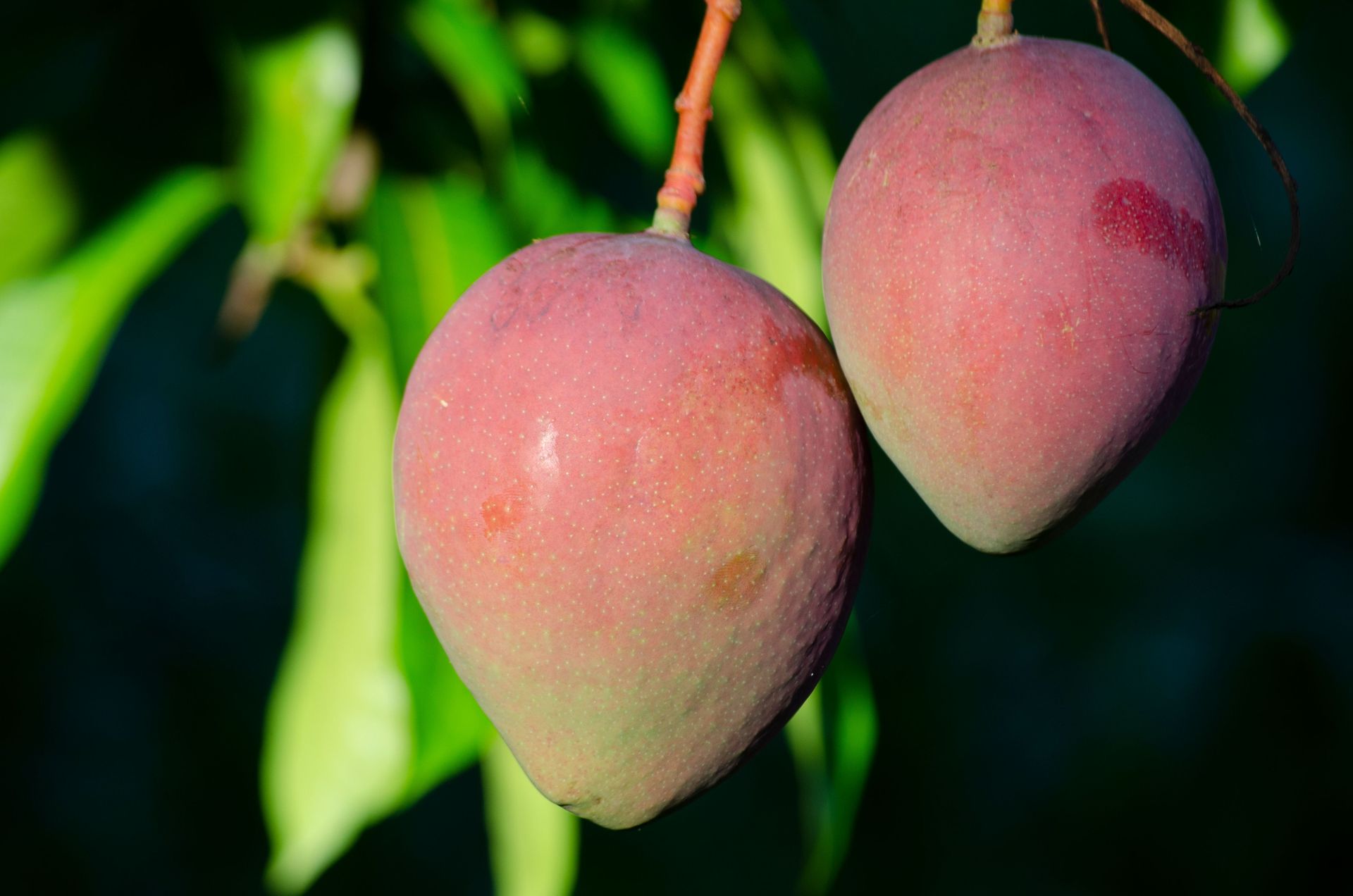
4.4 Mango Seedlings (Drought-Tolerant Varieties)
- Type: Fruit tree (Haden, Kent, Apple Mango)
- Uses: Income from fruit sales, home consumption
- Why drought-resistant: Once established, tolerates low rainfall
- Planting tip: Mulch to retain moisture during the first two years
4.5 Baobab (Adansonia digitata)
- Type: Native iconic tree
- Uses: Fruit, leaves, medicinal uses, shade
- Why drought-resistant: Stores water in trunk; thrives in semi-arid soils
- Additional benefit: Long-lived; contributes to biodiversity
4.6 Moringa Oleifera (Drumstick Tree)
- Type: Fast-growing, multipurpose tree
- Uses: Leaves for food and nutrition, oil, fodder
- Why drought-resistant: Survives dry conditions; requires minimal maintenance
- Planting tip: Plant spacing 2–3 meters; prune regularly for better growth
4.7 Neem (Azadirachta indica)
- Type: Medicinal and shade tree
- Uses: Shade, medicinal, pest control, timber
- Why drought-resistant: Thrives in dry, sandy soils with minimal water
- Additional benefit: Natural pesticide for surrounding crops
4.8 Cypress and Eucalyptus (Drought-Tolerant Varieties)
- Uses: Timber, poles, fuelwood
- Why drought-resistant: Certain species survive with limited rainfall
- Planting tip: Avoid monoculture; interplant with native species for better resilience
5. Best Practices for Tree Planting in Dry Areas
Planting drought-resistant seedlings is only part of the solution. Follow these practices to maximize survival:
5.1 Site Preparation
- Clear competing vegetation
- Dig planting holes twice the size of seedling roots
- Add compost or manure if available
5.2 Watering Techniques
- Water seedlings immediately after planting
- Use basins or water pits to capture rainwater
- Mulch with grass or leaves to retain soil moisture
5.3 Timing
- Plant at the start of the rainy season for better establishment
- Avoid planting in peak dry months unless irrigation is available
5.4 Protection from Grazing
- Fence seedlings or use thorny plants as natural barriers
- Use tree guards if livestock is prevalent
5.5 Spacing
- Allow sufficient space for canopy growth
- Helps reduce competition and improves survival
6. Where to Source Drought-Resistant Seedlings in Kenya
Access to quality seedlings is crucial. Buying from verified nurseries ensures:
- Healthy, disease-free seedlings
- Proven drought-tolerant varieties
- Support and guidance for planting
Seedlink is Kenya’s leading marketplace connecting you to trusted nurseries across all counties. On Seedlink, you can:
- Browse fruit, tree, and ornamental seedlings
- Compare prices and availability
- Order online and get seedlings delivered to your farm or project site
📲 Call/WhatsApp: 0740712579
🌐 Visit:
www.seedlink.co.ke
7. Supporting Local Communities Through Tree Planting
Planting trees in dry areas isn’t just an environmental act—it’s a community-building strategy:
- Seedling nurseries provide jobs for youth and women
- Farmers earn extra income from fruit trees, timber, and fodder
- Local ecosystems benefit from shade, soil fertility, and biodiversity
By sourcing seedlings from community nurseries on Seedlink, you support local livelihoods while greening Kenya.
8. Monitoring and Maintenance
To ensure your trees survive:
- Check seedlings weekly for pests and water needs
- Replace any seedlings that fail within the first year
- Apply fertilizers or compost if growth is slow
- Prune regularly for optimal structure and airflow
9. Case Study: Successful Dry-Area Tree Planting
Location: Kitui County
Seedlings Used: Grevillea, Acacia tortilis, Mango
Outcome:
- 85% survival rate after first year
- Income from 500 mango seedlings sold to local schools
- Improved soil retention and shade for livestock
Lesson: Selecting drought-tolerant seedlings and proper planting techniques is key to success in arid regions.
10. Conclusion
Tree planting in Kenya’s dry areas is possible, profitable, and impactful when you use drought-resistant seedlings. By choosing the right species, following best practices, and sourcing from trusted nurseries like Seedlink, you can:
- Combat desertification
- Generate income from fruit, timber, or fodder
- Support local communities and biodiversity
- Contribute to climate resilience
Start your tree planting journey today and make a lasting impact on both the environment and your community.
📲
Call/WhatsApp: 0740712579
🌐
Visit:
www.seedlink.co.ke