Top Benefits of Buying Seedlings in Bulk for CSR Projects in Kenya
Corporate Social Responsibility (CSR) has evolved significantly in Kenya over the past decade. Today, businesses, NGOs, SACCOs, schools, government agencies, and development organizations are increasingly investing in environmental sustainability projects that create measurable social and ecological impact. Among the most effective and visible CSR initiatives is tree planting.
From climate change mitigation to community empowerment, tree planting projects have become a key pillar of sustainability strategies across Kenya. However, the success of these projects depends heavily on one critical factor — access to quality seedlings at scale.
For organizations planning large environmental programs, buying seedlings in bulk offers significant advantages in terms of cost, consistency, logistics, impact measurement, and long-term sustainability. More importantly, working with a reliable seedling aggregation platform such as Seedlink Kenya simplifies procurement while ensuring traceability, documentation, and access to verified nurseries across the country.
In this guide, we explore the top benefits of buying seedlings in bulk for CSR projects in Kenya and why Seedlink is emerging as the preferred solution for organizations seeking efficiency, accountability, and impact.
Why Tree Planting Has Become a Core CSR Activity in Kenya
Kenya faces increasing environmental challenges including:
- Deforestation
- Soil degradation
- Climate change
- Water scarcity
- Urban pollution
- Loss of biodiversity
As a result, many organizations are integrating environmental restoration into their CSR agendas. Tree planting initiatives are attractive because they:
- Deliver visible environmental impact
- Engage employees and communities
- Support government sustainability goals
- Enhance corporate reputation
- Contribute to carbon offsetting strategies
Whether it is a bank restoring watersheds, an NGO supporting agroforestry, or a real estate developer landscaping large estates, seedlings are the foundation of every successful greening initiative.
What Does Buying Seedlings in Bulk Mean?
Bulk seedling procurement involves purchasing large quantities of seedlings directly from nurseries or aggregation platforms for institutional projects.
These seedlings may include:
- Indigenous trees
- Fruit trees
- Ornamental plants
- Bamboo
- Medicinal trees
- Agroforestry species
- Commercial forestry seedlings
Bulk purchases are common among:
- Corporates
- NGOs
- County governments
- Schools and universities
- Churches
- Real estate developers
- Conservation groups
- Community-based organizations
1. Significant Cost Savings
One of the biggest advantages of buying seedlings in bulk is reduced cost per unit.
Organizations running CSR projects often require hundreds or thousands of seedlings. Purchasing individually from scattered nurseries can become expensive due to:
- Higher retail pricing
- Multiple transport costs
- Inconsistent supplier rates
- Hidden logistical expenses
Bulk procurement enables organizations to negotiate better pricing while minimizing operational inefficiencies.
Platforms like Seedlink Kenya aggregate seedlings from multiple nurseries, helping organizations compare options and access competitive pricing in one place.
This reduces procurement headaches while maximizing project budgets.
2. Access to Verified and Certified Nurseries
One major challenge in Kenya’s seedling market is inconsistency in quality.
Many organizations unknowingly purchase:
- Poor-quality seedlings
- Diseased plants
- Incorrect species
- Weak root systems
- Uncertified planting materials
These issues can lead to low survival rates and failed CSR projects.
Seedlink solves this problem by connecting buyers to verified nurseries across Kenya. This gives organizations confidence that they are sourcing healthy, high-quality seedlings suitable for long-term survival and impact.
Quality assurance is especially important for:
- Government-funded projects
- NGO environmental programs
- Donor-funded initiatives
- Carbon credit projects
- Public-private partnerships
3. Improved Traceability and Accountability
Modern CSR programs increasingly require measurable impact and accountability.
Organizations need to answer critical questions such as:
- Where did the seedlings come from?
- Which nursery supplied them?
- What species were planted?
- How many seedlings were distributed?
- Which communities benefited?
Traceability has become essential for ESG reporting, donor accountability, sustainability audits, and environmental certifications.
Seedlink Kenya provides an organized ecosystem where buyers can source seedlings from identifiable and traceable nurseries.
This is particularly valuable for:
- International NGOs
- Development agencies
- ESG reporting
- Corporate sustainability reporting
- Carbon offset programs
Traceability helps organizations maintain transparency while improving project credibility.
4. Easier Documentation for CSR Reporting
Documentation is often overlooked during seedling procurement, yet it is critical for successful CSR implementation.
Organizations need proper records for:
- Internal reporting
- Donor reports
- Audit compliance
- Sustainability reports
- ESG disclosures
- Government approvals
Bulk procurement through a structured platform simplifies documentation by centralizing supplier information and procurement records.
With Seedlink, organizations can maintain clearer procurement trails and organized records compared to sourcing from informal roadside nurseries.
This makes post-project reporting easier and more professional.
5. Convenient Aggregation of Multiple Seedling Types
Large CSR projects rarely involve a single tree species.
A project may require:
- Indigenous trees for restoration
- Fruit trees for community livelihoods
- Ornamental plants for landscaping
- Bamboo for riparian conservation
- Moringa for nutrition programs
Traditionally, sourcing different species requires dealing with multiple nurseries separately.
This creates challenges such as:
- Delays
- Inconsistent quality
- Communication issues
- Increased transport costs
Seedlink simplifies this process through aggregation.
Organizations can access multiple seedling categories from different nurseries through one convenient platform.
This saves time while streamlining procurement coordination.
6. Better Community Involvement
Effective CSR programs should create real community impact.
Tree planting initiatives become more sustainable when local communities actively participate.
By sourcing seedlings through platforms that connect local nurseries, organizations indirectly support:
- Youth groups
- Small nursery owners
- Women-led enterprises
- Farmer cooperatives
- Community-based organizations
This creates economic opportunities while strengthening local environmental ecosystems.
Seedlink plays an important role in connecting communities to institutional buyers, helping grassroots nurseries access larger markets.
This community-centered model creates a stronger social impact beyond tree planting itself.
7. Simplified Logistics and Delivery
Managing seedling logistics can be extremely challenging for large projects.
Organizations often struggle with:
- Coordinating multiple suppliers
- Delivery delays
- Seedling damage during transport
- Last-minute shortages
- Poor packaging
Bulk ordering through an organized aggregation platform improves logistical efficiency.
Seedlink Kenya helps organizations streamline ordering and delivery processes by connecting them with suppliers capable of handling large orders professionally.
This is especially useful for projects covering multiple counties or remote areas.
8. Higher Seedling Survival Rates
A successful CSR tree planting project is not measured by the number of seedlings planted — it is measured by survival rates.
Healthy seedlings sourced from reputable nurseries are more likely to thrive after planting.
Bulk procurement through verified channels helps ensure:
- Strong root systems
- Healthy plant development
- Proper species selection
- Disease-free seedlings
Organizations that prioritize quality during procurement experience:
- Better long-term impact
- Reduced replacement costs
- Stronger environmental outcomes
- Improved stakeholder confidence
9. Access to Expert Guidance
Many organizations launching CSR greening projects lack technical forestry or horticultural expertise.
Questions often arise such as:
- Which species are best for a region?
- What spacing should be used?
- Which seedlings suit dry areas?
- Which trees grow fastest?
- Which fruit trees have commercial value?
Working with experienced nursery networks through Seedlink helps organizations access valuable insights during planning and procurement.
This improves project design and long-term sustainability.
10. Scalability for Large Environmental Programs
As organizations expand sustainability programs, procurement systems must scale accordingly.
What starts as a 500-seedling project can quickly evolve into:
- County-wide restoration programs
- National CSR campaigns
- School greening initiatives
- Riparian restoration projects
- Carbon offset programs
A fragmented procurement process becomes unsustainable at scale.
Seedlink’s aggregation model makes it easier for organizations to scale procurement efficiently while maintaining quality and consistency.
11. Enhanced ESG and Sustainability Performance
Environmental, Social, and Governance (ESG) reporting is becoming increasingly important for businesses operating in Kenya.
Investors, regulators, and consumers now expect organizations to demonstrate measurable sustainability action.
Tree planting projects contribute to ESG goals by supporting:
- Carbon sequestration
- Biodiversity restoration
- Climate resilience
- Community empowerment
- Sustainable land use
However, ESG initiatives require proper systems, accountability, and documentation.
Using structured procurement platforms like Seedlink helps organizations implement sustainability projects more professionally.
12. Supports Kenya’s National Tree Growing Goals
Kenya has ambitious national tree growing targets aimed at restoring degraded ecosystems and increasing forest cover.
Organizations participating in bulk seedling procurement contribute directly to:
- National reforestation goals
- Climate adaptation
- Water catchment restoration
- Food security
- Biodiversity conservation
CSR-driven environmental programs therefore play an important role in Kenya’s sustainable future.
Why Seedlink Is the Best Platform for Bulk Seedling Procurement in Kenya
As environmental projects continue to grow, organizations need smarter procurement solutions.
Seedlink Kenya is emerging as one of the most convenient and reliable platforms for sourcing seedlings in Kenya because it focuses on:
1. Aggregation
Access seedlings from multiple verified nurseries through one platform.
2. Traceability
Know where your seedlings come from and maintain procurement accountability.
3. Documentation
Improve reporting and sustainability compliance with organized procurement records.
4. Community Empowerment
Support local nursery businesses and grassroots environmental enterprises.
5. Convenience
Simplify ordering, communication, and delivery coordination.
6. Nationwide Reach
Access seedlings from nurseries across Kenya.
Whether you need indigenous trees, fruit seedlings, bamboo, moringa, ornamental plants, or agroforestry species, Seedlink helps organizations source efficiently and professionally.
Best Seedlings for CSR Projects in Kenya
Organizations planning bulk purchases should consider species aligned with project goals.
Indigenous Trees
Ideal for:
- Reforestation
- Riparian restoration
- Biodiversity conservation
Examples:
- Croton
- Meru Oak
- Mukau
- Cedar
Fruit Trees
Ideal for:
- Community livelihoods
- Nutrition programs
- School projects
Examples:
- Avocado
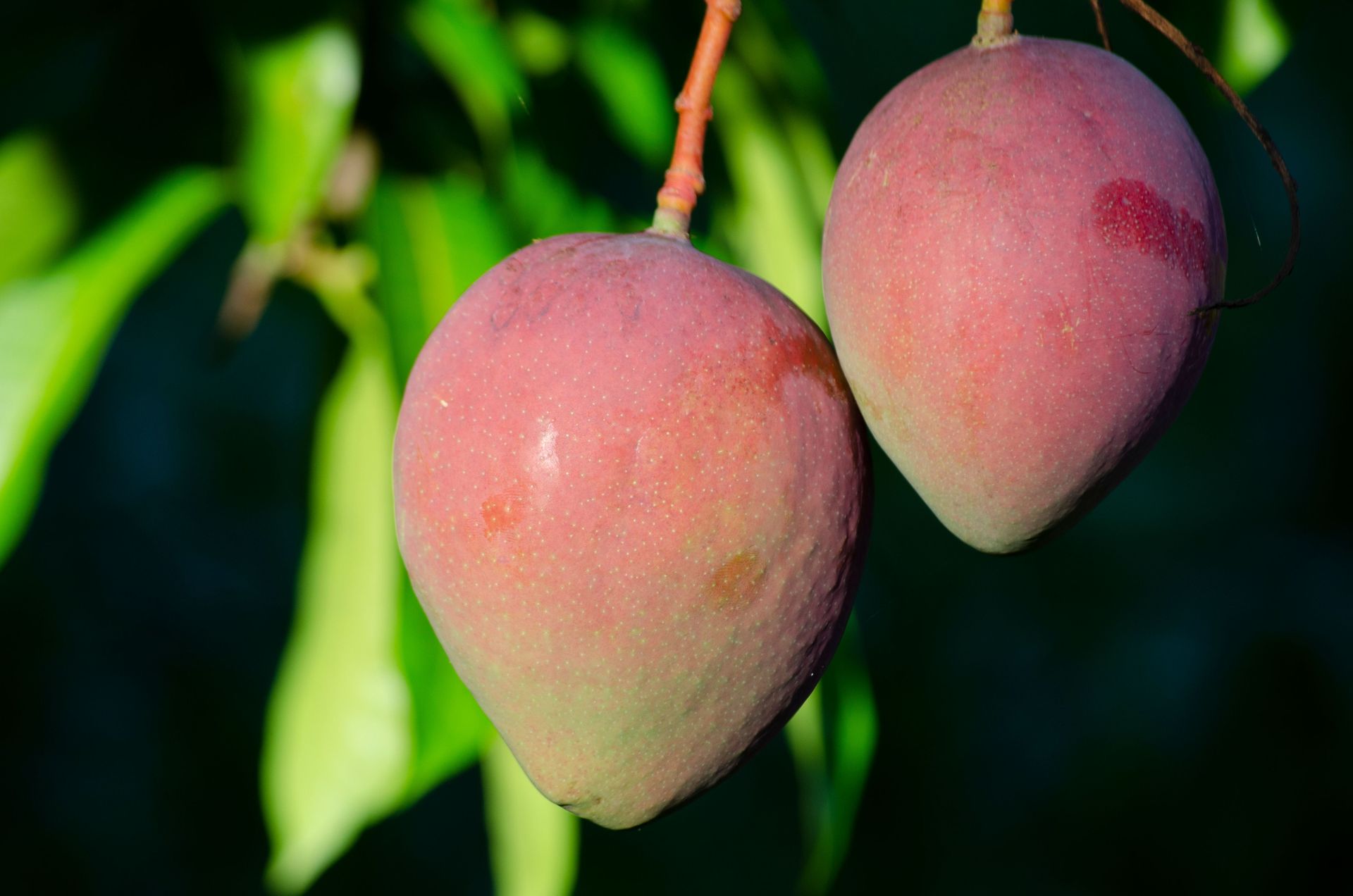
- Mango
- Tree tomato
- Citrus
Bamboo
Ideal for:
- Soil conservation
- Riverbank restoration
- Carbon projects
Moringa
Ideal for:
- Nutrition
- Climate resilience
- Income generation
Ornamental Trees
Ideal for:
- Corporate landscaping
- Urban beautification
- Institutions
Final Thoughts
Bulk seedling procurement is more than just purchasing plants — it is about building sustainable environmental impact.
For corporates, NGOs, and institutions in Kenya, buying seedlings in bulk offers major benefits including:
- Lower costs
- Better quality control
- Improved traceability
- Easier reporting
- Stronger community impact
- Simplified logistics
- Better project scalability
As sustainability expectations continue to rise, organizations need procurement systems that are transparent, efficient, and impact-driven.
Seedlink Kenya provides a modern solution by connecting buyers with verified nurseries while supporting traceability, aggregation, documentation, and community participation.
For organizations planning CSR tree planting projects in Kenya, Seedlink offers one of the most convenient and scalable ways to source quality seedlings for meaningful environmental impact.
🌱 Start your sustainability journey today with Seedlink.