How NGOs Can Source Certified Seedlings for Climate Action Projects in Kenya

Seedlink

Climate action projects are rapidly becoming a priority for NGOs across Kenya and Africa. From reforestation and agroforestry programs to carbon offset initiatives and community restoration projects, the demand for quality seedlings has never been higher. However, one of the biggest challenges organizations face is sourcing certified, traceable, and high-quality seedlings at scale.

Poor-quality seedlings can lead to low survival rates, weak project outcomes, wasted donor funding, and reduced environmental impact. That is why NGOs need reliable systems that guarantee quality, accountability, and transparency throughout the seedling sourcing process.

This is where Seedlink Kenya stands out as one of the most convenient and reliable platforms for sourcing certified seedlings in Kenya. Seedlink connects NGOs, corporates, institutions, and communities directly with verified nurseries across the country while improving traceability, documentation, aggregation, and community participation.

In this guide, we explore how NGOs can effectively source certified seedlings for climate action projects and why Seedlink is transforming the seedling supply ecosystem in Kenya.

Why Certified Seedlings Matter for Climate Action Projects

Climate action projects depend heavily on long-term impact. Whether the goal is carbon sequestration, watershed restoration, biodiversity conservation, or food security, success starts with the quality of seedlings planted.

Certified seedlings provide several advantages:

1. Higher Survival Rates

Healthy, disease-free seedlings have a significantly higher chance of survival after transplanting. This improves project success rates and reduces replacement costs.

2. Better Climate Resilience

Certified seedlings are often selected based on ecological suitability, drought tolerance, and adaptation to local conditions.

3. Improved Traceability

Organizations can track where the seedlings came from, who produced them, and what species were supplied.

4. Stronger Donor Confidence

Donors increasingly require evidence of accountability, sustainability, and measurable environmental outcomes.

5. Better Community Outcomes

High-quality seedlings support long-term benefits such as improved food security, income generation, and environmental restoration.

Challenges NGOs Face When Sourcing Seedlings in Kenya

Despite the growing demand for climate-smart agriculture and restoration programs, sourcing seedlings remains a complex process for many NGOs.

Fragmented Nursery Networks

Most nurseries operate independently and locally. Finding reliable suppliers across multiple counties can be time-consuming and difficult.

Lack of Verification

Many organizations struggle to verify whether nurseries are certified or whether seedlings meet required standards.

Poor Documentation

Traditional seedling procurement often lacks proper documentation for donor reporting and impact tracking.

Inconsistent Supply

Large projects may require thousands or millions of seedlings, but many nurseries cannot consistently meet bulk demand.

Logistics and Delivery Challenges

Transporting seedlings safely to remote project sites is another major challenge.

Limited Traceability

Without proper systems, NGOs may struggle to trace the source and quality of seedlings supplied.

These challenges highlight the need for a centralized and transparent seedling sourcing platform.

Introducing Seedlink: Kenya’s Seedling Marketplace

Seedlink Kenya is a digital marketplace designed to connect buyers with verified nurseries across Kenya.

The platform simplifies seedling procurement for NGOs, corporates, government agencies, schools, churches, and environmental organizations by offering:

  • Access to certified nurseries
  • Aggregated seedling supply
  • Transparent sourcing
  • Easier documentation
  • Convenient ordering
  • Improved logistics coordination
  • Community nursery participation

Seedlink acts as a bridge between demand and supply, helping organizations source seedlings efficiently while empowering local nursery operators.

How Seedlink Helps NGOs Source Certified Seedlings

1. Verified Nursery Network

One of the biggest advantages of Seedlink is its growing network of verified nurseries across Kenya.

NGOs can source seedlings from trusted growers who meet quality standards and provide healthy planting materials.

This reduces the risks associated with:

  • Low-quality seedlings
  • Disease outbreaks
  • Wrong species supply
  • Poor nursery practices

By working with verified nurseries, organizations gain confidence in the quality and reliability of their seedling supply chain.

2. Seedling Traceability

Traceability is becoming increasingly important in climate action projects.

Donors, partners, and stakeholders want to know:

  • Where seedlings originated
  • Who produced them
  • What species were planted
  • Which communities participated

Seedlink improves traceability by digitizing the seedling sourcing process.

Organizations can maintain clearer procurement records and improve transparency across their restoration projects.

This is especially valuable for:

  • Carbon credit projects
  • ESG reporting
  • Donor-funded restoration initiatives
  • Landscape restoration programs
  • Biodiversity conservation projects

3. Aggregation of Seedlings at Scale

Many NGOs require large volumes of seedlings for landscape restoration and tree planting campaigns.

A single nursery may not always meet the required quantity.

Seedlink solves this challenge through aggregation.

The platform connects multiple nurseries to fulfill bulk orders efficiently. This allows NGOs to source:

  • Indigenous tree seedlings
  • Fruit seedlings
  • Bamboo seedlings
  • Agroforestry trees
  • Ornamental trees
  • Medicinal plants
  • Climate-resilient species

Aggregation ensures:

  • Consistent supply
  • Faster fulfillment
  • Reduced procurement delays
  • Better project scalability

Whether an NGO needs 5,000 or 500,000 seedlings, Seedlink helps coordinate supply from multiple trusted nurseries.

4. Community Involvement and Local Empowerment

One of the most powerful aspects of Seedlink is its role in supporting community nurseries and local growers.

Climate action projects should not only restore ecosystems but also improve livelihoods.

By sourcing seedlings through Seedlink, NGOs indirectly support:

  • Local nursery operators
  • Women groups
  • Youth groups
  • Farmer cooperatives
  • Community-based organizations

This creates economic opportunities while strengthening grassroots participation in environmental restoration.

Community involvement improves:

  • Local ownership
  • Project sustainability
  • Tree survival rates
  • Long-term environmental stewardship

When communities benefit economically from restoration projects, they are more likely to protect and maintain planted trees.

5. Improved Documentation for NGOs

Documentation is critical for climate action projects.

Most donors require:

  • Procurement records
  • Supplier details
  • Seedling counts
  • Delivery records
  • Monitoring reports

Traditional sourcing methods often rely on paper-based systems that are difficult to manage.

Seedlink simplifies documentation by creating more organized procurement processes.

This helps NGOs improve:

  • Donor reporting
  • Internal accountability
  • Monitoring and evaluation
  • Audit readiness

Digital procurement systems also reduce administrative burdens for project teams.

6. Access to Diverse Seedling Varieties

Different climate projects require different tree species.

Seedlink provides access to a wide range of seedlings suitable for:

  • Reforestation
  • Agroforestry
  • Riparian restoration
  • Urban greening
  • Carbon projects
  • School greening programs
  • Food security projects

Popular seedling categories include:

  • Indigenous trees
  • Avocado seedlings
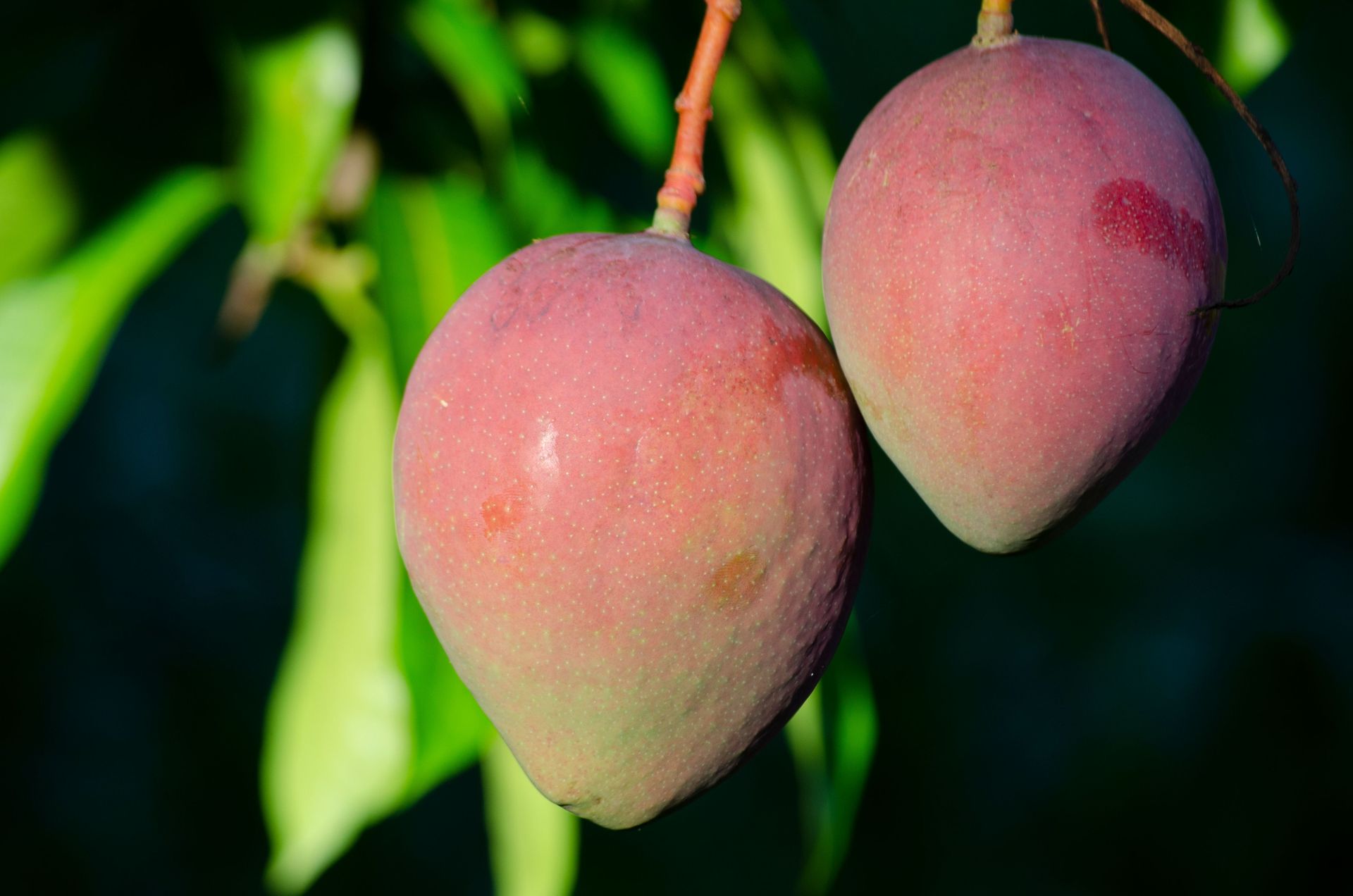
  • Mango seedlings
  • Moringa
  • Bamboo
  • Grevillea
  • Macadamia
  • Ornamental trees
  • Medicinal plants

This diversity allows NGOs to design climate-smart projects that match ecological and community needs.

7. Easier Logistics and Delivery Coordination

Transport logistics can significantly affect seedling survival.

Seedlink helps streamline delivery coordination between nurseries and project locations.

This is particularly important for:

  • Remote project sites
  • Multi-county projects
  • Time-sensitive planting seasons

Proper coordination helps reduce:

  • Seedling damage
  • Delays
  • Transport losses

Reliable delivery improves planting efficiency and project outcomes.

Best Practices for NGOs Sourcing Seedlings

To maximize impact, NGOs should follow several best practices when sourcing seedlings.

Conduct Site Assessments

Understand:

  • Soil conditions
  • Rainfall patterns
  • Altitude
  • Ecological suitability

This helps determine appropriate species selection.

Prioritize Indigenous Species

Indigenous trees support:

  • Biodiversity conservation
  • Wildlife habitats
  • Ecosystem restoration
  • Water catchment protection

Work With Verified Suppliers

Always source from trusted nurseries to ensure quality and accountability.

Platforms like Seedlink Kenya simplify this process significantly.

Plan Early

Seedling demand peaks during rainy seasons.

NGOs should place orders early to avoid shortages and delays.

Involve Communities

Community participation improves:

  • Tree survival
  • Local ownership
  • Long-term sustainability

Maintain Proper Documentation

Keep accurate records for:

  • Procurement
  • Species distribution
  • Planting sites
  • Monitoring and evaluation

Climate Action Opportunities for NGOs in Kenya

Kenya presents enormous opportunities for climate restoration projects.

Government targets, donor funding, and global climate initiatives are driving demand for tree planting and restoration.

Key opportunities include:

1. Landscape Restoration

Large-scale ecosystem restoration projects require millions of seedlings annually.

2. Carbon Credit Projects

Carbon markets increasingly require verified restoration activities and traceable planting systems.

3. Agroforestry Programs

NGOs are integrating trees into farming systems to improve:

  • Food security
  • Soil fertility
  • Farmer incomes

4. Urban Greening

Cities and municipalities are investing in urban forestry and beautification.

5. Water Catchment Restoration

Protecting rivers, wetlands, and watersheds remains a major priority.

Why Seedlink Is the Future of Seedling Sourcing in Kenya

The traditional seedling sourcing model is fragmented and inefficient.

Seedlink modernizes the process by combining:

  • Digital access
  • Nursery verification
  • Aggregation
  • Transparency
  • Traceability
  • Community inclusion

For NGOs managing large-scale restoration programs, this creates significant advantages.

Benefits of Using Seedlink

Convenience

Organizations can access multiple nurseries through one platform.

Transparency

Improved visibility across the supply chain.

Scalability

Easy coordination for bulk seedling orders.

Accountability

Better procurement documentation and traceability.

Community Impact

Supports local nurseries and grassroots environmental action.

Time Savings

Reduces the time spent searching for suppliers.

The Role of Technology in Climate Restoration

Technology is becoming increasingly important in environmental restoration.

Digital platforms like Seedlink are helping modernize:

  • Seedling sourcing
  • Nursery management
  • Supply chain coordination
  • Environmental reporting

This improves efficiency while strengthening accountability and sustainability.

As climate projects continue to scale, technology-driven ecosystems will play a major role in ensuring restoration success.

Conclusion

Climate action projects depend on quality seedlings, reliable sourcing systems, and strong community participation.

For NGOs in Kenya, sourcing certified seedlings no longer needs to be a difficult or fragmented process.

Seedlink Kenya provides a modern, transparent, and scalable solution for seedling procurement by connecting organizations with verified nurseries across the country.

Through improved traceability, aggregation, documentation, and community involvement, Seedlink is helping transform the future of climate restoration in Kenya.

Whether your organization is planning:

  • A reforestation project
  • A carbon offset initiative
  • An agroforestry program
  • A school greening campaign
  • A biodiversity restoration project

Seedlink offers one of the most convenient ways to source quality seedlings at scale.

As climate action accelerates across Africa, reliable seedling supply systems will become more important than ever — and Seedlink is positioning itself at the center of this green transformation.

Ready to Source Certified Seedlings for Your Climate Project?

Visit Seedlink Kenya today or contact the team via WhatsApp at 0740712579 to connect with verified nurseries and source quality seedlings for your next restoration project.

By Junior Planter May 13, 2026
Kenya has rapidly become one of the leading producers of Hass avocados globally, earning the nickname “green gold belt of Africa.” With rising demand from export markets in Europe, the Middle East, and Asia, more farmers are shifting into commercial avocado farming. The first and most critical step in this journey is sourcing high-quality, certified bulk avocado seedlings . Choosing the right supplier determines orchard productivity, fruit quality, and long-term profitability. In this guide, we explore the top 10 trusted avocado seedling suppliers and growers in Kenya , what makes them reliable, and how to place bulk orders safely and efficiently. Why Quality Avocado Seedlings Matter Before choosing a supplier, it is important to understand why certified seedlings are essential: Higher yields : Grafted seedlings produce more fruit per tree Faster maturity : Fruiting begins in 2–3 years instead of 6–10 years Disease resistance : Certified nurseries reduce risk of bacterial and fungal infections Export quality fruit : Ensures compliance with international market standards Bulk buyers—especially commercial farmers—should only purchase from verified nurseries or platforms that aggregate trusted growers. Top 10 Trusted Avocado Seedling Suppliers in Kenya 1. Seedlink Kenya (Best Aggregator Platform for Bulk Orders) When it comes to sourcing avocado seedlings from multiple verified nurseries across Kenya, Seedlink Kenya stands out as the most convenient and reliable platform. Seedlink is not just a nursery—it is a seedling marketplace that connects farmers with certified growers across Kenya , ensuring consistency, quality control, and bulk supply coordination. Farmers can request Hass, Fuerte, Pinkerton, and other avocado varieties depending on their needs. It is especially valuable for: Bulk orchard establishment (1 acre and above) Institutional buyers (NGOs, county governments, schools) Farmers looking for verified nursery networks instead of single suppliers Why Seedlink is Highly Recommended: Access to multiple certified nurseries in one place Verified seedling quality checks Simplified bulk ordering and logistics coordination Reliable farmer support and nursery matching Contact Seedlink Kenya: Website: www.seedlink.co.ke Phone: +254 740 712 579 Seedlink is especially ideal for farmers who want to avoid middlemen and directly access certified avocado seedling growers across Kenya. 2. Cultio Nurseries (Eldoret) Cultio Nurseries is a well-known certified producer of grafted avocado seedlings, specializing in export-grade Hass varieties. Certified by agricultural authorities Offers bulk discounts for commercial farmers Strong agronomic support system Best for: Export-focused farmers and large-scale orchards. 3. Zoella Farm (Nakuru County) Zoella Farm is one of the most recognized avocado seedling suppliers in Nakuru County. Offers Hass & Fuerte varieties Certified seedlings inspected by KEPHIS Provides training and farm advisory services Best for: Farmers in Rift Valley and large acreage planting. 4. Sagin Smart Farm Sagin Smart Farm focuses on fruit tree seedlings and farmer education. Grafted Hass avocado seedlings Strong focus on sustainability Farmer training programs included Best for: Small and medium-scale farmers seeking guidance. 5. Royal Seedlings (Murang’a) Royal Seedlings is a fast-growing supplier in Central Kenya. High-quality grafted Hass seedlings Strong focus on export-quality standards Good for both small and bulk buyers Best for: Farmers in Central Kenya and export supply chains. 6. Agrisherry Fruit Seedlings Agrisherry supplies seedlings across the Nairobi–Nyeri corridor. Grafted Hass seedlings from Ksh 150 range Nationwide delivery options WhatsApp ordering available Best for: Budget-conscious farmers starting out. 7. Gotabet Nurseries (Nandi County) Gotabet Nurseries offers a mix of avocado and macadamia seedlings. Certified Hass avocado seedlings Wide distribution across western Kenya Strong customer support Best for: Western Kenya agroforestry projects. 8. Isinya Nurseries (Kajiado Region) Isinya Nurseries is a long-established supplier serving Nairobi and surrounding regions. Reliable grafted seedlings Moderate pricing Good reputation among commercial farmers Best for: Nairobi and Kajiado commercial farms. 9. Kakuzi PLC Seedling Program Kakuzi is one of Kenya’s major agribusiness companies. Large-scale certified seedlings Strong export integration Higher pricing but very reliable Best for: Large commercial export farms. 10. JKUAT Seedling Program Jomo Kenyatta University of Agriculture and Technology (JKUAT) provides research-backed seedlings. Scientifically developed grafted varieties Strong academic agronomy support Limited availability Best for: Research farms and structured agricultural projects. How to Choose the Right Supplier When buying avocado seedlings in bulk, consider: 1. Certification Always ensure seedlings are certified by KEPHIS or AFA-approved nurseries . 2. Variety Selection Most commercial farms prefer: Hass (export demand) Fuerte (local & export mix) Pinkerton (high yield) 3. Bulk Pricing Prices vary between: Ksh 150 – Ksh 500 per seedling depending on quality and supplier 4. Logistics Support Choose suppliers offering: Delivery coordination Farm-to-farm transport Replacement guarantees Why Seedlink is the Best Option for Bulk Buyers Unlike individual nurseries, Seedlink provides a centralized access point to multiple certified growers , reducing risks such as: Fake or low-quality seedlings Inconsistent supply in bulk orders Logistics confusion across counties It is especially useful for: Farmers scaling beyond 1 acre County agricultural programs Agribusiness investors Export-oriented farming groups Final Thoughts Kenya’s avocado industry continues to grow rapidly, and the demand for certified seedlings is higher than ever. Whether you are a first-time farmer or a commercial investor, selecting the right nursery is the foundation of long-term success. From established institutions like Kakuzi and JKUAT to trusted nurseries like Cultio, Zoella, and Sagin Smart Farm, Kenya offers many reliable options. However, for ease, bulk ordering, and access to multiple verified nurseries , Seedlink Kenya remains the most efficient platform. Seedlink Kenya Contact Details Website: www.seedlink.co.ke Mobile: +254 740 712 579  For farmers looking to scale avocado farming profitably, Seedlink provides the most streamlined path from nursery to orchard.
By Looka May 13, 2026
Kenya’s avocado industry has grown into one of the country’s most promising agribusiness sectors. With increasing export demand for Hass and Fuerte avocados in markets across Europe, the Middle East, and Asia, more farmers are investing in commercial avocado farming as a long-term source of income. The success of any avocado orchard, however, begins with one critical factor — sourcing high-quality, certified seedlings. For commercial farmers, buying genuine grafted avocado seedlings is essential for achieving uniform growth, early maturity, disease resistance, and high yields. Poor-quality seedlings often lead to low productivity, delayed fruiting, and financial losses. In this guide, we explore some of the top organizations and nurseries supplying avocado seedlings in Kenya and why many commercial farmers are increasingly using Seedlink as the preferred platform for sourcing seedlings from multiple verified nurseries across the country. Why Quality Avocado Seedlings Matter Commercial avocado farming is a long-term investment. Farmers usually wait between 2 to 4 years before the first harvest from grafted seedlings. This means that the quality of seedlings planted today determines the profitability of the orchard for many years to come. Certified grafted seedlings offer several advantages: Faster maturity and earlier fruiting True-to-type fruit production Better resistance to diseases Higher survival rates Improved yields for export markets Consistent fruit quality Most commercial farmers in Kenya prefer Hass avocado seedlings because of their export value, creamy texture, and high oil content. Fuerte avocado seedlings are also widely planted as pollinator varieties to improve fruit set. 1. Seedlink – The Best Platform for Bulk Avocado Seedlings in Kenya When it comes to sourcing avocado seedlings from multiple trusted nurseries, Seedlink stands out as one of the most reliable platforms in Kenya. Unlike a traditional nursery, Seedlink connects farmers, institutions, NGOs, and commercial orchard developers with verified nurseries supplying certified seedlings across Kenya. The platform simplifies the process of sourcing avocado seedlings in bulk while helping buyers compare suppliers, varieties, and availability. Seedlink supports a wide range of avocado varieties including: Hass avocado seedlings Fuerte avocado seedlings Pinkerton avocado seedlings The platform also helps commercial buyers coordinate: Bulk procurement Delivery logistics Seedling sourcing from different counties Nursery verification Institutional and tender orders One of the biggest advantages of Seedlink is access to community nurseries and certified growers across counties such as Kiambu, Murang’a, Nyeri, Nakuru, and Nairobi. Commercial farmers working on large orchard projects often prefer Seedlink because it reduces the challenge of searching for reliable nurseries individually. Seedlink Contact Details Mobile: 0740 712 579 Website: www.seedlink.co.ke Email: For anyone planning commercial avocado farming in Kenya, Seedlink is among the easiest and most reliable ways to source bulk avocado seedlings. 2. Cultio Nurseries Cultio Nurseries has established itself as a trusted supplier of certified grafted avocado seedlings in Kenya. Based in Eldoret, the nursery supplies Hass and Fuerte avocado seedlings suitable for commercial farming. The nursery emphasizes: Certified propagation Disease-free seedlings Agronomic support Bulk commercial orders According to their published information, their Hass avocado seedlings are optimized for Kenyan altitudes between 1,200m and 2,000m and can begin fruiting within 2 to 3 years under proper management. Cultio also advises farmers to interplant Fuerte avocado seedlings with Hass varieties to improve pollination and fruit production. 3. Zoella Farm Located in Gilgil, Nakuru County, Zoella Farm is another major supplier of avocado seedlings in Kenya. The organization focuses heavily on: Hass avocado seedlings Fuerte avocado seedlings Avocado farming training Commercial orchard support Zoella Farm is known for supplying one-year-old grafted seedlings suitable for commercial establishment. The nursery is certified by KEPHIS and HCDA, giving farmers confidence in seedling quality. Their nationwide delivery model also makes them attractive for large-scale orchard projects. 4. Organic Farm Kenya Organic Farm Kenya is one of the better-known suppliers of certified grafted Hass avocado seedlings in Kenya. The organization positions itself around sustainable agriculture and organic propagation methods. Their Hass avocado seedlings are marketed as: Disease resistant High yielding Suitable for commercial export farming Grafted for early maturity The company also offers agronomic guidance covering: Soil preparation Orchard management Market access Planting support They emphasize that grafted avocado seedlings can start producing within 2 years compared to much longer periods for seed-grown trees. 5. Agrisherry Fruit Seedlings Agrisherry has become increasingly popular among farmers looking for quality fruit seedlings along the Nairobi–Nyeri highway region. The nursery supplies: Hass avocado seedlings Other fruit tree seedlings Hardened grafted seedlings Agrisherry promotes avocado seedlings suitable for moderate and semi-arid climates, making them attractive for farmers in diverse regions. Their seedlings are commonly recommended for commercial orchard establishment because of their hardened growth and adaptation to Kenyan conditions. 6. Golden Grove Orchards Kenya Golden Grove Orchards is known for supplying premium grafted fruit seedlings, including Hass avocado seedlings. The nursery highlights: Early fruiting grafted seedlings Kenya-wide delivery International shipping Healthy propagation techniques Their Hass avocado seedlings are marketed as capable of fruiting within 1 to 2 years under good management practices. Commercial orchard developers often look for suppliers with strong propagation systems, and Golden Grove has increasingly built a reputation in that space. 7. Gotabet Nurseries Located in Nandi County, Gotabet Nurseries specializes in: Hass avocado seedlings Macadamia seedlings Fruit seedling propagation The nursery focuses on helping farmers establish productive orchards through access to quality seedlings and farming support. Their Hass avocado seedlings are positioned for both smallholder and commercial farmers seeking long-term productivity. 8. Evasa Fruit Tree Nursery Evasa Fruit Tree Nursery has over two decades of experience in grafting and fruit tree propagation. Located near the Murang’a–Sagana Road, the nursery supplies: Hass avocado seedlings Mango seedlings Macadamia seedlings Other grafted fruit trees The nursery emphasizes natural growing methods, expert grafting, and farmer support. Murang’a County remains one of Kenya’s strongest avocado-growing regions, making nurseries in the area highly relevant for commercial orchard investors. 9. Seedlings Kenya Seedlings Kenya supplies grafted Fuerte avocado seedlings suitable for both small-scale and commercial farming. The organization highlights: Organically grafted seedlings Well-drained planting recommendations Fruiting timelines of 3–4 years Kenya-wide supply Fuerte avocado seedlings remain important in commercial orchards because they improve pollination when intercropped with Hass varieties. 10. Uzapal Uzapal is an e-commerce supplier offering grafted Fuerte avocado seedlings for farmers across Kenya. Their avocado seedlings are promoted as: Hardened and ready for planting Suitable for moderate rainfall regions Fast-growing High yielding The platform also provides nationwide delivery options which can support farmers outside major urban centers. Best Avocado Varieties for Commercial Farming in Kenya Hass Avocado Hass remains the leading export avocado variety in Kenya because of: High oil content Longer shelf life Strong export demand Creamy texture Good transport durability Most export-focused farmers prioritize Hass avocado orchards. Fuerte Avocado Fuerte avocado seedlings are widely planted alongside Hass trees because they: Improve pollination Produce large fruits Adapt well to Kenyan conditions Have strong local market demand Many commercial orchards combine both varieties for better orchard performance. Factors to Consider When Buying Bulk Avocado Seedlings Before purchasing avocado seedlings in bulk, farmers should evaluate: 1. Certification Always source seedlings from nurseries verified by KEPHIS or recognized agricultural institutions. 2. Grafting Quality Proper grafting ensures true-to-type fruit production and earlier maturity. 3. Seedling Health Healthy seedlings should have: Strong stems Green leaves No disease signs Well-developed root systems 4. Variety Selection Commercial farmers should combine Hass and Fuerte varieties for effective pollination. 5. Delivery Logistics Bulk orders require reliable transportation and handling to minimize transplant shock. This is one reason why many institutional buyers increasingly use Seedlink to coordinate sourcing and logistics from different nurseries. Final Thoughts Kenya’s avocado industry continues to create major opportunities for farmers seeking long-term agricultural income. However, commercial success begins with sourcing the right seedlings from trusted suppliers. Whether you are establishing a small orchard or a large-scale commercial avocado farm, working with verified nurseries can significantly improve productivity and reduce risks. Among the many options available, Seedlink stands out as one of the best platforms for sourcing bulk avocado seedlings from multiple certified nurseries across Kenya. The platform simplifies procurement, supports delivery coordination, and connects farmers with reliable seedling suppliers nationwide. Seedlink Contacts Mobile: 0740 712 579 Website: www.seedlink.co.ke Email: For farmers planning long-term commercial avocado farming success in Kenya, investing in certified grafted seedlings is one of the smartest decisions they can make.
By Looka May 13, 2026
Introduction: Why Bamboo Is Defining Kenya’s Restoration Future Bamboo forestry is rapidly emerging as one of the most powerful nature-based solutions in Kenya’s fight against land degradation, deforestation, and climate change. Unlike conventional trees, bamboo grows quickly, regenerates after harvesting, and restores degraded landscapes while generating income for rural communities. This combination of ecological restoration, economic opportunity, and industrial potential is positioning bamboo as a cornerstone of Kenya’s green economy. Across counties such as Kiambu, Nyeri, Embu, Kisumu, Busia, and the Mau ecosystem, bamboo is being used to restore riparian zones, stabilize soils, and revive degraded farmlands. Kenya is no longer experimenting with bamboo—it is scaling it. At the center of this transformation are national agencies, research institutions, community organizations, and private-sector innovators working together to build a bamboo value chain that stretches from seedlings to industrial products. Bamboo in Kenya’s Restoration Economy Kenya’s restoration economy is shifting from tree-planting campaigns to productive landscape restoration , where ecosystems generate income while healing themselves. Bamboo plays a unique role because it: Restores degraded riverbanks and hillsides Prevents soil erosion and landslides Sequesters carbon at high rates Provides raw materials for furniture, textiles, construction, and energy Creates jobs in rural communities Offers fast returns compared to traditional forestry This aligns with Kenya’s national goals under climate action and green growth strategies, where land restoration must also support livelihoods. Projects such as the Busia County bamboo initiatives demonstrate this shift at scale, where thousands of hectares are being restored while building carbon and bioeconomy models around bamboo production. Key Institutions Driving Bamboo Forestry in Kenya 1. Kenya Forest Service (KFS) The Kenya Forest Service is one of the most important government agencies driving bamboo integration into forest restoration programs. KFS supports: Public forest rehabilitation Bamboo planting in degraded catchments Community forest associations (CFAs) Sustainable harvesting guidelines Bamboo is increasingly used in forest landscapes such as the Mau, Aberdares, and Mount Kenya ecosystems to stabilize soils and restore hydrological balance. 2. Kenya Forestry Research Institute (KEFRI) Kenya Forestry Research Institute is the scientific backbone of forestry innovation in Kenya. Its role in bamboo development includes: Research on indigenous and exotic bamboo species Nursery propagation techniques Growth performance studies in different agro-ecological zones Bamboo product development and industrial uses KEFRI’s research has been instrumental in identifying bamboo varieties suitable for Kenya’s diverse climates—from highlands to semi-arid regions. 3. International Network for Bamboo and Rattan (INBAR) Kenya is a member of global bamboo innovation networks such as INBAR, which supports: Policy development for bamboo industries Technical training and capacity building Value chain development (farm to industry integration) Climate-smart bamboo applications This global connection ensures Kenya’s bamboo sector is aligned with international best practices. 4. County Governments and Local Programs County governments such as Busia, Nyeri, Murang’a, and Kisumu are increasingly integrating bamboo into: Riparian restoration programs Water catchment protection initiatives Youth and women empowerment projects Agroforestry diversification strategies For example, Busia County has been central in large-scale bamboo restoration projects aimed at restoring thousands of acres of degraded riparian land while supporting livelihoods. 5. Private Sector and Social Enterprises Organizations such as: Eco Green Kenya GreenPot Enterprises Bamboo Resource Centre initiatives We Do Bamboo Foundation are actively driving bamboo commercialization, nursery development, and community engagement. These organizations focus on turning bamboo from a conservation plant into a full economic sector. Innovations Transforming Bamboo Forestry in Kenya 1. Bamboo Nurseries and Tissue Culture Propagation One of the biggest innovations in Kenya’s bamboo sector is the rise of high-quality bamboo seedling production systems . Modern nurseries now use: Tissue culture propagation Controlled greenhouse systems Genetic selection of fast-growing bamboo varieties Disease-free planting materials These innovations ensure higher survival rates and faster plantation establishment. 2. Bamboo-Based Carbon Projects Kenya is increasingly integrating bamboo into carbon markets through: Afforestation and reforestation (ARR) projects Biochar production from bamboo waste Carbon credit financing models Projects like the Busia bamboo initiative are already linking bamboo planting to verified carbon removal and climate finance. 3. Bamboo in Construction and Industry Research shows bamboo is becoming a serious alternative construction material due to its: High tensile strength Lightweight structure Rapid renewability Earthquake resistance potential Recent engineering studies highlight the need for improved bamboo connection systems to expand its structural use in buildings. In Kenya, bamboo is now used for: Eco-housing prototypes Furniture production Scaffolding Decorative interiors Bioenergy (briquettes and charcoal alternatives) 4. Bamboo Agroforestry Integration Farmers are increasingly integrating bamboo into: Riverbank farming systems Mixed agroforestry plots Livestock shelter zones Soil erosion control systems This diversification makes bamboo both an environmental and economic crop. National Restoration Programs Using Bamboo 1. Kenya’s 15 Billion Tree Initiative Kenya’s national reforestation agenda emphasizes restoring forest cover through diverse species, and bamboo is increasingly included due to its fast growth and ecological resilience. 2. Catchment and Riparian Restoration Programs Bamboo is heavily used in: River Tana basin restoration Lake Victoria catchment rehabilitation Mau Forest ecosystem recovery Aberdare water tower protection Its deep root systems help stabilize riverbanks and reduce flooding risks. 3. Community-Led Reforestation Projects Across Kenya, community groups are driving bamboo planting initiatives focused on: Youth employment Women-led nurseries School environmental programs Farmer cooperatives These programs ensure bamboo restoration is socially inclusive and economically beneficial. 4. Private Carbon and Restoration Projects Large-scale projects such as landscape restoration programs in western Kenya are integrating bamboo into: Carbon sequestration systems Bioenergy production Sustainable packaging and cutlery production These projects show bamboo is no longer just a plant—it is an industrial raw material. Challenges Facing Bamboo Forestry in Kenya Despite its potential, the sector still faces several challenges: Limited awareness among farmers Lack of standardized bamboo markets Insufficient processing factories Weak value chain integration Limited financing for large-scale plantations Addressing these gaps is essential for full commercialization. The Future of Bamboo Forestry in Kenya The future is extremely promising, with several clear trends emerging: 1. Industrial Bamboo Economies Kenya is moving toward bamboo-based industries including: Construction materials Packaging and eco-products Textile fiber extraction Renewable energy production 2. Carbon Market Expansion Bamboo will play a major role in: Carbon credit trading Climate financing Corporate ESG investments 3. Digital and Tech Integration Future bamboo farming will include: Satellite monitoring of plantations AI-driven growth forecasting Blockchain carbon tracking systems 4. Expansion of Seedling Supply Chains High-quality bamboo seedlings will be central to scaling forestry programs across counties. This is where private suppliers like Seedlink become essential. Seedlink: The Engine Behind Kenya’s Bamboo Reforestation Growth As bamboo forestry expands, access to reliable, high-quality planting materials becomes critical. Seedlink is emerging as a key enabler in Kenya’s bamboo reforestation movement by providing: Diverse bamboo varieties suitable for different regions Reliable seedling supply for farmers and institutions Support for large-scale restoration projects Agroforestry inputs for sustainable land use Whether for commercial plantations, riparian restoration, or smallholder agroforestry, Seedlink is positioning itself as a central partner in scaling bamboo reforestation in Kenya. For any serious bamboo plantation or restoration project, seed quality and species selection determine long-term success—and this is where Seedlink plays a critical role in strengthening Kenya’s bamboo ecosystem. Conclusion: Bamboo Is Kenya’s Green Gold Bamboo forestry is no longer a niche environmental activity—it is a national restoration strategy, an industrial opportunity, and a climate solution rolled into one. With strong institutional support from KEFRI, KFS, county governments, and international partners, combined with innovation from private sector players and nurseries like Seedlink, Kenya is on track to become a regional leader in bamboo-based restoration and green industry development. The future of bamboo forestry in Kenya is not just about planting trees—it is about rebuilding landscapes, economies, and livelihoods simultaneously.
By looka May 13, 2026
Introduction: A New Era of Ecosystem Restoration Across the globe, ecosystem restoration is shifting from being purely donor-driven to a powerful collaboration between governments, NGOs, communities, and the private sector. One of the most promising models of this shift is the integration of commercial-scale restoration initiatives with environmental rehabilitation programs. In this context, bamboo reforestation in Kenya is emerging as a strategic solution to degraded landscapes, watershed protection, climate resilience, and rural economic empowerment. Bamboo is not just a plant—it is a regenerative ecosystem tool. A key global player in restoration efforts is Eden Reforestation Projects, an organization that has demonstrated how large-scale tree planting and community-based employment can restore degraded environments while improving livelihoods. When combined with private sector supply chains such as high-quality seedling providers like Seedlink, the impact of restoration efforts becomes scalable, localized, and economically sustainable. This article explores how private sector engagement is transforming bamboo ecosystem recovery and why Kenya is uniquely positioned to lead Africa’s bamboo restoration revolution. The Rise of Private Sector-Led Restoration Traditionally, reforestation in Kenya and across Africa was heavily dependent on donor funding, NGOs, and government programs. While impactful, these approaches often struggled with: Limited scalability Short-term funding cycles Weak seedling supply chains Low survival rates of planted trees Limited integration with local markets Today, private sector involvement is changing this narrative. Companies, NGOs, and agroforestry suppliers are now working together to: Scale seedling production Improve survival rates Introduce climate-smart species like bamboo Create green jobs Build carbon credit markets Restore degraded watersheds This shift is particularly significant for bamboo reforestation in Kenya, where ecological degradation and climate pressures are increasingly severe. Why Bamboo Is Central to Ecosystem Recovery Bamboo is often underestimated, yet it is one of the most powerful ecological restoration species in the world. 1. Rapid Growth and Carbon Sequestration Bamboo grows significantly faster than most tree species, making it ideal for: Carbon capture initiatives Rapid land restoration Climate mitigation projects 2. Soil Restoration and Erosion Control Kenya’s degraded highlands, riverbanks, and riparian zones benefit greatly from bamboo because: Its root system stabilizes soil It prevents landslides It reduces riverbank erosion It improves water retention 3. Water Catchment Protection Bamboo forests improve watershed health by: Regulating water flow Reducing sedimentation Enhancing groundwater recharge This makes bamboo particularly important in regions like the Aberdares, Mount Kenya ecosystem, and parts of the Rift Valley. 4. Economic Value for Communities Unlike many indigenous trees, bamboo provides immediate and long-term economic benefits: Construction materials Furniture production Handicrafts Biomass energy Textile and paper industries This dual ecological and economic value makes bamboo a cornerstone of sustainable restoration. Eden Reforestation Projects and Global Restoration Models Eden Reforestation Projects has become globally recognized for its “community-first restoration model.” Key Principles of Eden’s Approach Local Employment First Communities are hired to plant and maintain trees. Large-Scale Restoration Projects operate at landscape scale, not just small pilot sites. Survival-Based Incentives Workers are incentivized based on tree survival rates, not just planting numbers. Ecosystem Diversity Restoration includes mangroves, hardwoods, and climate-resilient species. Relevance to Kenya’s Bamboo Restoration Although Eden’s core projects have focused on mangroves and tropical forests globally, the model is highly relevant for Kenya’s bamboo reforestation agenda because: Bamboo requires ongoing maintenance in early stages Community participation improves survival rates Large-scale degraded landscapes need coordinated restoration efforts Carbon credit potential is significant By applying Eden-style frameworks to bamboo ecosystems, Kenya can accelerate restoration while ensuring long-term sustainability. Bamboo Reforestation in Kenya: Why It Matters Now Kenya is experiencing increasing environmental pressure due to: Deforestation Agricultural expansion Urbanization Climate change impacts Water scarcity in key regions Key Areas for Bamboo Restoration in Kenya Aberdare Ranges Mount Kenya ecosystem Mau Forest complex Tana River basin Nairobi river catchment zones Degraded farmlands in Central Kenya Environmental Benefits Restores degraded riparian zones Prevents river siltation Enhances biodiversity corridors Supports pollinators and wildlife habitats Stabilizes fragile ecosystems Climate Resilience Bamboo acts as a natural buffer against: Flooding Drought cycles Soil degradation Heat stress in ecosystems The Private Sector Advantage in Bamboo Ecosystem Recovery The private sector brings efficiency and scale to restoration efforts in several ways: 1. Reliable Seedling Supply Chains One of the biggest challenges in reforestation is inconsistent seedling quality and availability. This is where professional suppliers like Seedlink play a critical role by providing: High-quality bamboo seedlings Multiple bamboo varieties suited for Kenya’s climate Scalable nursery operations Technical planting guidance 2. Technical Expertise and Agroforestry Support Private sector nurseries often provide: Planting advisory services Soil suitability assessments Maintenance guidelines Species selection support 3. Market Linkages Beyond planting, private sector involvement helps connect bamboo growers to: Construction industries Furniture manufacturers Export markets Carbon credit frameworks 4. Long-Term Sustainability Unlike donor-funded projects, private sector models ensure continuity through: Market demand Reinvestment Commercial scaling Seedlink: Driving Bamboo Reforestation in Kenya A major enabler of successful bamboo ecosystem recovery is access to quality planting materials. Seedlink has positioned itself as a leading supplier of diverse tree seedlings in Kenya, including bamboo varieties suitable for different ecological zones. Why Seedlink Is Key for Bamboo Reforestation in Kenya Wide range of bamboo species suitable for Kenyan climates Reliable seedling quality for higher survival rates Affordable bulk supply for institutions and large-scale projects Support for farmers, NGOs, and private developers Nationwide accessibility Ideal Bamboo Varieties for Kenya Through suppliers like Seedlink, restoration projects can access: Giant Bamboo varieties for timber and construction Clumping bamboo for controlled agroforestry systems Fast-growing species for erosion control Water-friendly species for riparian zones Contact Information for Seedlink For procurement of bamboo seedlings and agroforestry solutions: Website: www.seedlink.co.ke Mobile: 0740712579 Seedlink continues to play a foundational role in scaling bamboo reforestation in Kenya by bridging the gap between ecological restoration and commercial agroforestry. Integrating Eden-Style Restoration with Bamboo in Kenya A hybrid model combining Eden-style restoration principles with bamboo-focused agroforestry can unlock major benefits: Community Engagement Local employment in bamboo nurseries Maintenance contracts for survival monitoring Training in bamboo value chains Landscape Restoration Riverbank stabilization using bamboo belts Reforestation of degraded hillsides Integration with indigenous tree species Economic Empowerment Bamboo handicraft industries Construction material supply chains Renewable energy production from bamboo biomass This model ensures that bamboo reforestation in Kenya is not just an environmental project—but a full economic ecosystem. Challenges in Bamboo Reforestation in Kenya Despite its potential, several challenges remain: 1. Limited Awareness Many landowners still do not understand bamboo’s full ecological and economic value. 2. Poor Seedling Quality Unregulated nurseries sometimes supply weak or unsuitable seedlings. 3. Land Tenure Issues Unclear land ownership can discourage long-term planting. 4. Market Gaps While demand is growing, structured bamboo markets are still developing. These challenges highlight the importance of structured supply chains and trusted providers like Seedlink. Future Outlook: Bamboo as a Climate Solution for Kenya The future of bamboo reforestation in Kenya is closely tied to: Carbon credit markets Green construction industries Sustainable urban development Climate adaptation funding Private sector ESG investments With proper scaling, bamboo could become one of Kenya’s most valuable climate-smart crops. Conclusion: A Scalable Model for Restoration and Growth The intersection of private sector innovation and ecosystem restoration is redefining how Kenya approaches environmental recovery. Organizations like Eden Reforestation Projects demonstrate that large-scale restoration is possible when communities are empowered and systems are designed for sustainability. At the same time, suppliers like Seedlink are ensuring that bamboo reforestation in Kenya is not only achievable but scalable and economically viable. Bamboo is no longer just a plant—it is a climate solution, an economic opportunity, and a restoration engine for Kenya’s degraded ecosystems. The future of restoration in Kenya will belong to those who can combine ecology, commerce, and community into one powerful system—and bamboo sits at the center of that transformation.
Tall green bamboo stalks in a dense forest
By John Maina May 13, 2026
Learn how seedlink connects farmers with nurseries for bamboo reforestation. Browse seedlings or request a quote today!
Dense bamboo grove with tall green stalks and leafy branches in bright sunlight
By Looka May 13, 2026
Seedlink connects farmers with community nurseries for quality seedlings. Browse our selection or request a quote today!
Dense green bamboo grove with tall stalks and leaves filling the frame
By john Maina May 13, 2026
KEFRI advances bamboo propagation for biodiversity. Connect with nurseries for quality seedlings today!
Dense green bamboo forest with tall stalks and leafy branches
By Bamboo Kenya May 13, 2026
Learn about bamboo's role in restoring Kenya's ecosystems. Browse seedlings for your projects today!
Close-up of green leaves and tall bamboo stalks in a lush forest.
By Zion May 13, 2026
Learn how UNEP aids bamboo reforestation in Kenya. Join us to support green recovery projects today!
Close-up of green bamboo stalks with tan nodes and peeling outer layers
By John Maina May 13, 2026
Learn how ICRAF promotes bamboo for climate-resilient restoration. Browse seedlings today!