Why Corporate Tree Planting in Kenya Is More Important Than Ever
Kenya is experiencing a growing shift toward sustainability, environmental restoration, and climate-conscious business practices. Across industries, corporates, NGOs, institutions, and private organizations are increasingly embracing tree planting as part of their Corporate Social Responsibility (CSR), Environmental, Social, and Governance (ESG), and sustainability programs.
From combating climate change to restoring degraded landscapes and empowering local communities, tree planting has become more than just a symbolic gesture — it is now a strategic investment in the future.
As demand for large-scale tree planting projects rises, organizations are searching for reliable, transparent, and scalable ways to source quality seedlings. This is where Seedlink Kenya has emerged as one of the most convenient and trusted platforms for sourcing certified seedlings in Kenya.
In this article, we explore why corporate tree planting in Kenya is more important than ever and how Seedlink is transforming the way organizations access seedlings through traceability, aggregation, documentation, and community involvement.
The Growing Need for Tree Planting in Kenya
1. Climate Change Is Affecting Businesses and Communities
Kenya continues to experience the effects of climate change through prolonged droughts, erratic rainfall, flooding, and rising temperatures. These environmental challenges directly impact agriculture, water resources, energy production, infrastructure, and livelihoods.
Businesses are no longer immune to climate risks.
Organizations now understand that environmental sustainability is tied to long-term economic sustainability. Tree planting helps address these issues by:
- Reducing carbon emissions
- Improving water retention
- Preventing soil erosion
- Restoring biodiversity
- Supporting climate resilience
For many corporates, tree planting is becoming an essential component of climate action strategies.
2. ESG and Sustainability Reporting Are Becoming Mandatory
Environmental, Social, and Governance (ESG) standards are becoming increasingly important for investors, regulators, development partners, and consumers.
Today, organizations are expected to demonstrate measurable environmental impact. Tree planting initiatives provide tangible sustainability metrics that companies can include in:
- ESG reports
- Sustainability reports
- CSR reports
- Carbon offset programs
- Impact assessments
Companies that actively invest in environmental restoration often enjoy:
- Stronger brand reputation
- Increased investor confidence
- Better stakeholder relationships
- Improved public trust
- Enhanced employee engagement
Tree planting is no longer just “good PR” — it is becoming a business necessity.
Why Corporate Tree Planting Programs Are Expanding in Kenya
Government Push Toward Forest Restoration
Kenya has ambitious forest cover targets aimed at restoring degraded land and increasing national tree cover.
This has encouraged:
- Corporates
- NGOs
- Learning institutions
- Religious organizations
- County governments
- Community groups
to actively participate in tree planting campaigns.
Organizations are increasingly partnering with local communities and nurseries to implement impactful greening projects.
Employees and Consumers Prefer Sustainable Brands
Modern consumers care deeply about sustainability.
Employees also want to work for organizations that contribute positively to society and the environment.
Corporate tree planting initiatives help businesses:
- Strengthen employee engagement
- Improve workplace culture
- Create meaningful CSR activities
- Build stronger customer loyalty
Tree planting events also provide excellent opportunities for team building and public engagement.
The Biggest Challenge: Sourcing Quality Seedlings at Scale
While many organizations are eager to plant trees, sourcing quality seedlings remains a major challenge.
Common problems include:
1. Lack of Traceability
Organizations often struggle to verify:
- Where seedlings came from
- Whether nurseries are certified
- Seedling quality standards
- Species authenticity
Without traceability, survival rates may be low and project credibility may suffer.
2. Fragmented Nursery Networks
Kenya has thousands of nurseries scattered across different regions. Finding reliable suppliers for bulk orders can be time-consuming and difficult.
Organizations frequently face:
- Delayed deliveries
- Inconsistent quality
- Limited availability
- Poor communication
3. Limited Documentation
Many CSR and ESG projects require proper documentation for:
- Audits
- Reporting
- Donor accountability
- Carbon programs
- Compliance purposes
Unfortunately, traditional seedling sourcing methods rarely provide structured records and procurement transparency.
4. Difficulty Coordinating Large Orders
Large tree planting projects often require:
- Multiple species
- Thousands of seedlings
- Regional sourcing
- Delivery coordination
- Community partnerships
Managing all these logistics manually can be overwhelming.
Why Seedlink Is Revolutionizing Seedling Procurement in Kenya
Seedlink Kenya is solving many of these challenges by providing a modern, transparent, and scalable seedling marketplace that connects organizations directly with trusted nurseries across Kenya.
For corporates, NGOs, and institutions, Seedlink offers one of the most convenient ways to source seedlings for tree planting projects.
1. Seedling Traceability and Transparency
One of Seedlink’s biggest advantages is traceability.
Organizations can source seedlings from verified nurseries while maintaining clear records of:
- Nursery source
- Seedling species
- Supplier details
- Delivery information
- Order documentation
This level of transparency is essential for:
- ESG reporting
- Donor-funded projects
- Corporate accountability
- Sustainability audits
Traceability also helps ensure organizations receive genuine, healthy, and appropriate seedlings for their projects.
2. Aggregation of Nurseries Across Kenya
Seedlink aggregates multiple nurseries onto a single platform, making procurement easier and more efficient.
Instead of contacting dozens of nurseries individually, organizations can:
- Browse available seedlings online
- Compare options
- Source from multiple regions
- Access large quantities conveniently
This aggregation model helps solve supply shortages and simplifies large-scale procurement.
For organizations running national or county-level tree planting initiatives, this is a major advantage.
3. Supporting Community Nurseries and Local Economies
Corporate tree planting should not only restore the environment — it should also empower communities.
Seedlink helps connect organizations with local nursery operators and community growers across Kenya.
This creates:
- Income opportunities
- Youth employment
- Women empowerment
- Community participation
- Local economic growth
When corporates buy seedlings through Seedlink, they contribute directly to grassroots environmental entrepreneurship.
This community-centered approach strengthens both environmental and social impact.
4. Documentation and Accountability
Proper documentation is increasingly critical for modern sustainability programs.
Seedlink helps organizations maintain organized procurement records that support:
- CSR reporting
- ESG disclosures
- Donor reporting
- Project tracking
- Internal audits
For NGOs and development organizations, proper documentation improves transparency and accountability.
This is especially important for projects funded by:
- International donors
- Climate financing programs
- Development agencies
- Corporate sustainability budgets
5. Convenient Bulk Ordering
Bulk seedling procurement can be complex, especially for organizations planting thousands of trees.
Seedlink simplifies the process through:
- Centralized ordering
- Nursery coordination
- Delivery support
- Species availability management
Organizations can source:
- Indigenous trees
- Fruit trees
- Ornamental trees
- Agroforestry species
- Bamboo
- Herbal plants
- Drought-resistant species
all from one convenient platform.
The Business Benefits of Corporate Tree Planting
1. Improved Brand Reputation
Consumers increasingly support brands that demonstrate genuine environmental commitment.
Tree planting initiatives:
- Improve public perception
- Increase media visibility
- Enhance corporate image
- Strengthen stakeholder trust
Organizations seen as environmentally responsible often enjoy stronger customer loyalty.
2. Carbon Offset Opportunities
Many companies are seeking practical ways to reduce or offset their carbon footprint.
Tree planting supports:
- Carbon sequestration
- Climate mitigation
- Sustainability goals
As carbon markets continue growing globally, tree planting projects may also create future carbon credit opportunities.
3. Better Employee Engagement
Employees value organizations that prioritize sustainability.
Corporate tree planting activities:
- Boost morale
- Encourage teamwork
- Improve employee pride
- Create purpose-driven workplace culture
Many companies now include tree planting in annual CSR calendars and employee volunteer programs.
4. Long-Term Environmental Impact
Corporate tree planting contributes to:
- Cleaner air
- Water conservation
- Biodiversity restoration
- Soil improvement
- Sustainable agriculture
The environmental benefits extend far beyond the initial planting event.
Best Types of Seedlings for Corporate Tree Planting Projects
Organizations should select seedlings based on:
- Climate conditions
- Project goals
- Community needs
- Ecological suitability
Popular options in Kenya include:
Indigenous Trees
Ideal for:
- Reforestation
- Biodiversity restoration
- Watershed conservation
Examples:
- Croton
- Meru Oak
- Cedar
- Mukau
Fruit Trees
Excellent for:
- Community livelihood programs
- Nutrition initiatives
- Income generation
Examples:
- Avocado
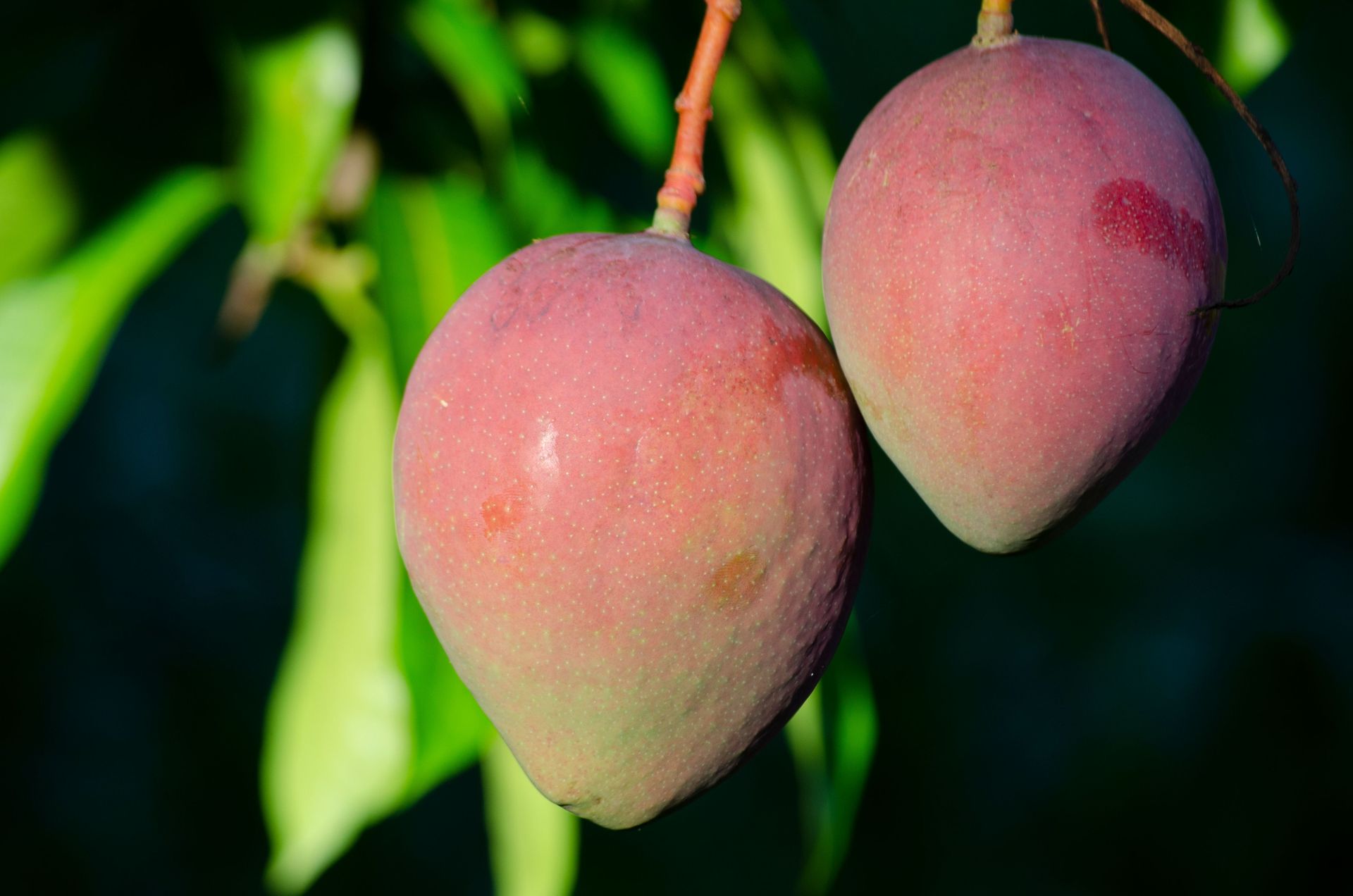
- Mango
- Citrus
- Macadamia
Agroforestry Trees
Useful for:
- Sustainable farming
- Soil improvement
- Livestock integration
Examples:
- Calliandra
- Grevillea
- Sesbania
Ornamental Trees
Perfect for:
- Urban greening
- Corporate landscaping
- Institutional beautification
Examples:
- Jacaranda
- Yellow Tabebuia
- Palm varieties
How Organizations Can Run Successful Tree Planting Programs
1. Set Clear Objectives
Define whether your project focuses on:
- Carbon reduction
- Community empowerment
- Watershed restoration
- Food security
- Urban greening
Clear goals improve planning and impact measurement.
2. Work With Trusted Suppliers
Choosing reliable seedling suppliers is essential.
Seedlink Kenya helps organizations access trusted nurseries while ensuring quality and accountability.
3. Prioritize Survival Rates
Planting trees is only the beginning.
Successful programs include:
- Proper site preparation
- Watering plans
- Maintenance schedules
- Community involvement
- Monitoring systems
High survival rates create lasting impact.
4. Involve Local Communities
Community participation improves:
- Tree survival
- Project ownership
- Sustainability
- Social impact
Projects that engage local stakeholders are often more successful long term.
The Future of Corporate Sustainability in Kenya
Corporate sustainability in Kenya is evolving rapidly.
Organizations are moving beyond short-term CSR campaigns toward measurable, long-term environmental impact.
Tree planting is expected to remain one of the most practical and visible sustainability investments for:
- Corporates
- NGOs
- Educational institutions
- Government agencies
- Development organizations
As demand for seedlings grows, digital platforms like Seedlink will become increasingly important in ensuring:
- Transparency
- Efficiency
- Traceability
- Quality assurance
- Community inclusion
Why Seedlink Is the Smart Choice for Bulk Seedling Procurement
For organizations looking to implement impactful tree planting projects in Kenya, Seedlink Kenya provides a modern solution built around convenience and accountability.
Key advantages include:
✅ Access to verified nurseries
✅ Seedling traceability
✅ Bulk ordering convenience
✅ Aggregation of suppliers across Kenya
✅ Community involvement and empowerment
✅ Documentation support for ESG and CSR reporting
✅ Wide range of certified seedlings
Whether you are planning:
- A corporate CSR event
- A county greening initiative
- A donor-funded restoration project
- A carbon offset program
- A school tree planting campaign
Seedlink simplifies the process from sourcing to delivery.
Conclusion
Corporate tree planting in Kenya has never been more important.
As climate change intensifies and sustainability expectations rise, organizations must take meaningful environmental action. Tree planting offers one of the most practical, measurable, and impactful ways to contribute to environmental restoration while strengthening communities and enhancing corporate reputation.
However, successful tree planting starts with access to quality seedlings and reliable sourcing systems.
Seedlink Kenya is helping organizations overcome traditional procurement challenges through traceability, aggregation, documentation, and community-centered sourcing.
For corporates, NGOs, and institutions looking to buy seedlings in bulk in Kenya, Seedlink is quickly becoming the preferred platform for sustainable, transparent, and scalable tree planting projects.
🌱 The future is green — and the time to plant is now.