How NGOs Can Successfully Run Community Tree Planting Campaigns
Climate change, deforestation, biodiversity loss, and land degradation continue to affect communities across Kenya and Africa at large. As a result, many NGOs, community-based organizations (CBOs), schools, churches, corporates, and development agencies are increasingly investing in community tree planting campaigns to restore ecosystems, improve livelihoods, and create long-term environmental impact.
However, successful tree planting is not simply about putting seedlings into the ground. Many campaigns fail because of poor planning, low seedling survival rates, lack of community ownership, weak documentation, or inability to track impact. Today, donors, development partners, and ESG-focused organizations require measurable environmental outcomes, transparency, and accountability.
This is where technology, aggregation, and traceability become critical.
For NGOs and organizations looking to run impactful, scalable, and well-documented tree planting initiatives in Kenya, Seedlink Kenya has emerged as one of the most convenient and reliable platforms for sourcing quality seedlings while ensuring proper documentation, community participation, aggregation, and traceability.
This guide explores how NGOs can successfully organize community tree planting campaigns and why choosing the right seedling partner matters.
Why Community Tree Planting Campaigns Matter
Tree planting campaigns are becoming essential for sustainable development because they help communities address multiple environmental and social challenges simultaneously.
Key Benefits of Community Tree Planting
1. Climate Change Mitigation
Trees absorb carbon dioxide from the atmosphere, helping reduce greenhouse gas emissions. NGOs involved in climate action can use tree planting to support carbon sequestration goals and climate resilience programs.
2. Watershed Restoration
Communities living near rivers, wetlands, and water towers benefit significantly from reforestation efforts that improve water retention and reduce soil erosion.
3. Livelihood Improvement
Fruit trees, agroforestry trees, and commercial woodlots create economic opportunities for farmers and rural households.
4. Biodiversity Conservation
Indigenous trees support pollinators, birds, insects, and wildlife habitats essential for ecosystem balance.
5. Community Empowerment
Well-organized campaigns bring together schools, youth groups, women groups, corporates, and local leaders to participate in environmental conservation.
Common Challenges NGOs Face in Tree Planting Campaigns
Despite good intentions, many tree planting initiatives struggle to achieve long-term impact.
1. Poor Seedling Quality
Low-quality seedlings often result in poor survival rates. Some nurseries supply weak, diseased, or poorly propagated seedlings that fail shortly after planting.
2. Lack of Traceability
Many organizations cannot accurately track:
- Number of seedlings planted
- Locations planted
- Survival rates
- Species distribution
- Community beneficiaries
Without proper traceability, donor reporting becomes difficult.
3. Weak Community Engagement
Campaigns that do not involve local communities from the beginning often experience low ownership and poor post-planting care.
4. Fragmented Supply Chains
NGOs sometimes struggle to source large quantities of seedlings from different nurseries while maintaining consistent quality.
5. Poor Documentation
Development partners and ESG stakeholders increasingly require evidence-based reporting, including:
- GPS tagging
- Photos
- Species records
- Distribution reports
- Beneficiary lists
- Monitoring data
How NGOs Can Run Successful Community Tree Planting Campaigns
1. Start With Clear Objectives
Before purchasing seedlings, define the campaign goals.
Examples include:
- Restoring degraded land
- Supporting food security
- Improving urban greening
- Rehabilitating riparian zones
- Creating school forests
- Promoting agroforestry
- Supporting carbon offset programs
Clear goals help determine:
- Tree species
- Locations
- Community partners
- Monitoring systems
- Budget requirements
2. Choose the Right Tree Species
Selecting suitable species is critical.
Recommended Categories
Indigenous Trees
Ideal for ecosystem restoration and biodiversity conservation.
Examples:
- Croton
- Meru Oak
- Mukinduri
- Elgon Teak
- African Olive
Fruit Trees
Perfect for livelihood support and nutrition programs.
Examples:
- Avocado
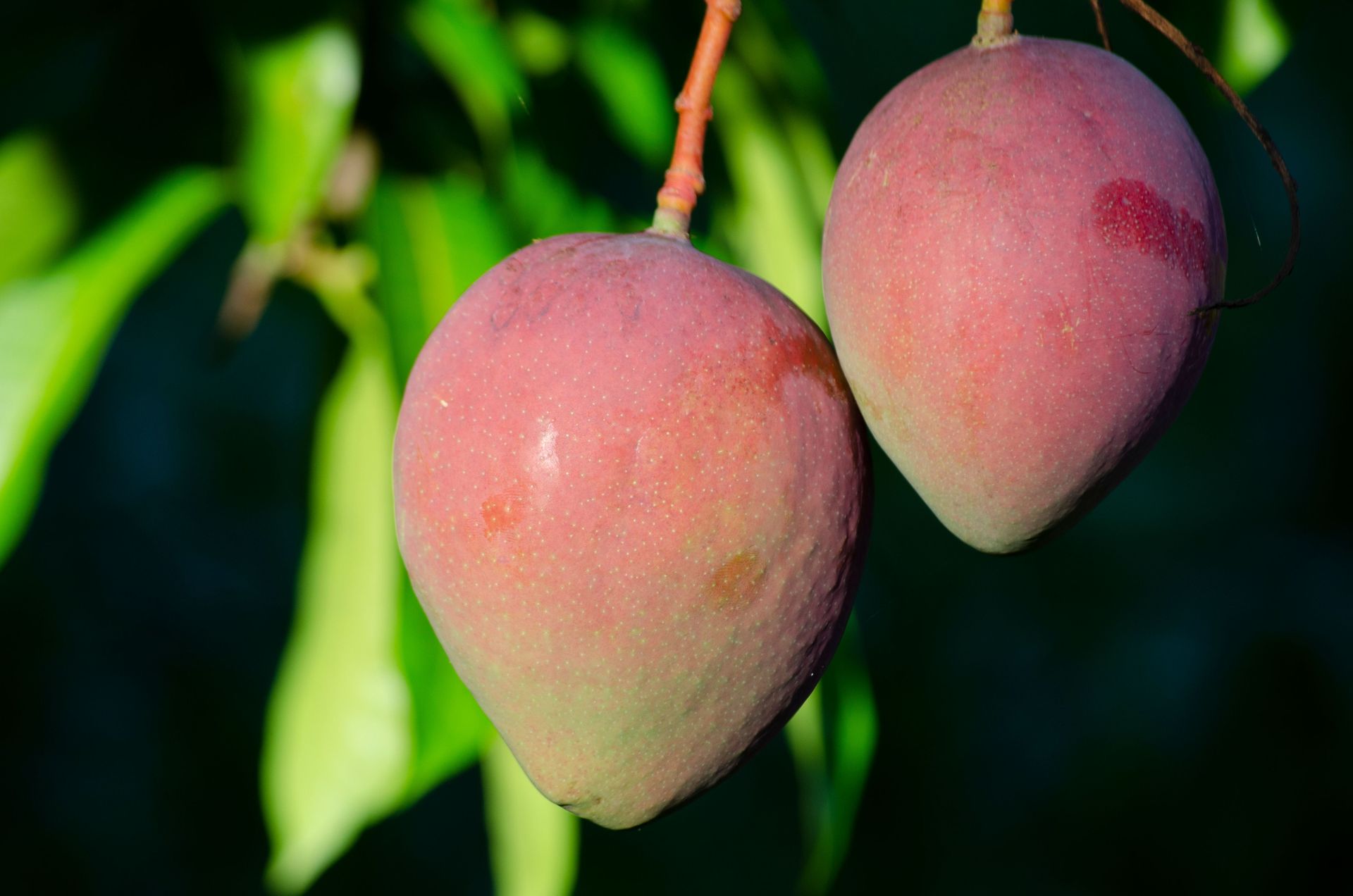
- Mango
- Tree tomato
- Citrus
- Macadamia
Agroforestry Trees
Useful for improving soil fertility and farm productivity.
Examples:
- Calliandra
- Grevillea
- Sesbania
Ornamental Trees
Suitable for schools, institutions, urban greening, and landscaping.
3. Work With a Reliable Seedling Aggregator
One of the biggest mistakes NGOs make is sourcing seedlings from unverified suppliers.
Instead, organizations should work with an aggregated and traceable platform like Seedlink Kenya.
Why Seedlink Is Highly Recommended for NGOs
a) Seedling Aggregation
Seedlink connects NGOs to multiple verified nurseries across Kenya, making it easier to source:
- Indigenous trees
- Fruit trees
- Ornamental plants
- Agroforestry trees
- Bamboo
- Landscaping plants
This simplifies logistics and large-scale procurement.
b) Traceability
Traceability is becoming essential for donor-funded environmental projects.
Seedlink helps organizations improve accountability by enabling:
- Species tracking
- Seedling sourcing records
- Distribution records
- Nursery documentation
- Monitoring support
c) Community Involvement
Seedlink supports local nursery ecosystems and community growers, ensuring tree planting campaigns benefit grassroots communities economically.
d) Documentation Support
Proper documentation improves reporting and ESG compliance.
Seedlink supports NGOs with:
- Delivery records
- Species lists
- Procurement documentation
- Nursery sourcing details
- Organized aggregation systems
e) Convenience
Organizations can conveniently source seedlings online through:
Contact:
0740712579
4. Involve the Community Early
Community participation should begin during the planning stage.
Key Stakeholders to Involve
- Schools
- Chiefs and local administrators
- Youth groups
- Farmers
- Religious institutions
- Women groups
- Community forest associations
When communities participate in decision-making, they are more likely to protect and nurture the trees.
5. Conduct Site Assessments
Before planting begins, NGOs should assess:
- Soil type
- Rainfall patterns
- Water availability
- Grazing risks
- Land ownership
- Existing vegetation
Site assessments help determine the best planting methods and species.
6. Plan Around the Rainy Season
Timing is extremely important.
In Kenya, the best planting periods are usually:
- Long rains: March to May
- Short rains: October to December
Planting during dry seasons increases mortality rates.
7. Train Communities on Proper Tree Planting
Many seedlings die because of poor planting techniques.
NGOs should provide training on:
- Hole preparation
- Mulching
- Watering
- Spacing
- Tree protection
- Pest management
Training significantly improves survival rates.
8. Focus on Post-Planting Maintenance
Tree planting is only the beginning.
Successful campaigns prioritize:
- Watering
- Weeding
- Mulching
- Pruning
- Protection from livestock
- Monitoring survival rates
Many NGOs now allocate dedicated maintenance budgets for at least 2–3 years after planting.
9. Use Technology for Monitoring and Reporting
Modern environmental projects require measurable outcomes.
Important Monitoring Tools
GPS Mapping
Track exact planting locations.
Mobile Data Collection
Capture:
- Photos
- Survival rates
- Beneficiary information
- Species counts
Drone Monitoring
Useful for large restoration projects.
Digital Dashboards
Provide donors with real-time project updates.
Organizations working with platforms like Seedlink Kenya benefit from better organization and traceable supply chains.
10. Measure Survival Rates
The real success metric is not the number planted but the number surviving.
NGOs should conduct:
- 3-month assessments
- 6-month assessments
- Annual survival audits
This improves accountability and learning.
The Growing Importance of ESG and Carbon Projects
Environmental, Social, and Governance (ESG) frameworks are increasingly influencing donor and corporate sustainability programs.
Tree planting campaigns now contribute to:
- Carbon offset programs
- Corporate sustainability reporting
- Biodiversity conservation targets
- Nature-based solutions
- Climate adaptation programs
As ESG expectations grow, organizations need structured and traceable tree planting systems.
Why Traceability Matters in Modern Tree Planting Campaigns
Traceability is becoming one of the most important aspects of environmental conservation projects.
Donors and stakeholders want to know:
- Where trees were sourced
- Who supplied them
- Which species were planted
- Which communities benefited
- Survival performance over time
Using organized platforms like Seedlink Kenya helps NGOs improve transparency and reporting efficiency.
The Role of Aggregation in Large-Scale Tree Planting
Large NGOs often require thousands or even millions of seedlings.
Without aggregation, sourcing becomes difficult because:
- Individual nurseries may lack capacity
- Quality varies
- Logistics become expensive
- Coordination becomes chaotic
Seedlink solves this challenge by connecting organizations with aggregated nursery networks.
This enables:
- Bulk procurement
- Consistent quality
- Better coordination
- Faster deliveries
- Easier scaling
Best Practices for NGO Tree Planting Campaigns
Build Local Ownership
Communities should feel the project belongs to them.
Diversify Tree Species
Monocultures reduce ecological resilience.
Monitor Continuously
Regular follow-ups improve long-term success.
Work With Experts
Collaborate with foresters, agronomists, and restoration specialists.
Document Everything
Good documentation strengthens donor confidence.
How NGOs Can Improve Donor Confidence
Donors increasingly prioritize projects that demonstrate:
- Transparency
- Community inclusion
- Measurable impact
- Sustainability
- Data-backed reporting
Organizations using traceable procurement systems and structured monitoring frameworks stand out.
This is why many conservation stakeholders are now shifting toward organized digital platforms like Seedlink Kenya.
Tree Planting Opportunities for Schools and Institutions
NGOs can expand impact by partnering with:
- Schools
- Universities
- Churches
- Hospitals
- County governments
- Corporate organizations
Institutional partnerships create long-term stewardship opportunities.
The Future of Tree Planting in Kenya
Kenya’s ambitious environmental restoration goals will require:
- Millions of seedlings
- Better nursery coordination
- Improved monitoring systems
- Technology-driven traceability
- Stronger community partnerships
Digital platforms are transforming how organizations procure, monitor, and scale restoration efforts.
Why Seedlink Is Becoming a Preferred Partner for NGOs
For NGOs looking for convenience, transparency, aggregation, and reliable sourcing, Seedlink Kenya offers significant advantages.
Key Benefits
Wide Variety of Seedlings
Access indigenous, fruit, ornamental, and agroforestry trees.
Reliable Aggregation
Source seedlings from organized nursery networks.
Traceability
Improve accountability and donor reporting.
Community Inclusion
Support grassroots nurseries and local growers.
Documentation Support
Strengthen ESG and sustainability reporting.
Convenient Procurement
Order seedlings efficiently online.
Contact:
0740712579
Website:
www.seedlink.co.ke
Conclusion
Community tree planting campaigns remain one of the most powerful tools NGOs can use to combat climate change, restore degraded ecosystems, and empower local communities.
However, success requires more than enthusiasm. It demands:
- Proper planning
- Quality seedlings
- Community involvement
- Strong monitoring systems
- Traceability
- Reliable documentation
Organizations that embrace structured, transparent, and technology-enabled approaches are more likely to achieve sustainable long-term impact.
For NGOs, corporates, schools, churches, and development agencies seeking a convenient and scalable way to source quality seedlings in Kenya, Seedlink Kenya provides an ideal solution focused on aggregation, traceability, community participation, and documentation support.
Whether you are planting 1,000 trees or managing a large-scale restoration program, choosing the right partner can make all the difference in ensuring your trees survive, communities benefit, and environmental impact is measurable for years to come.