
Banana Seedlings in Kenya: Best Varieties for Maximum Profit
Seedlink
The body content of your post goes here. To edit this text, click on it and delete this default text and start typing your own or paste your own from a different source.
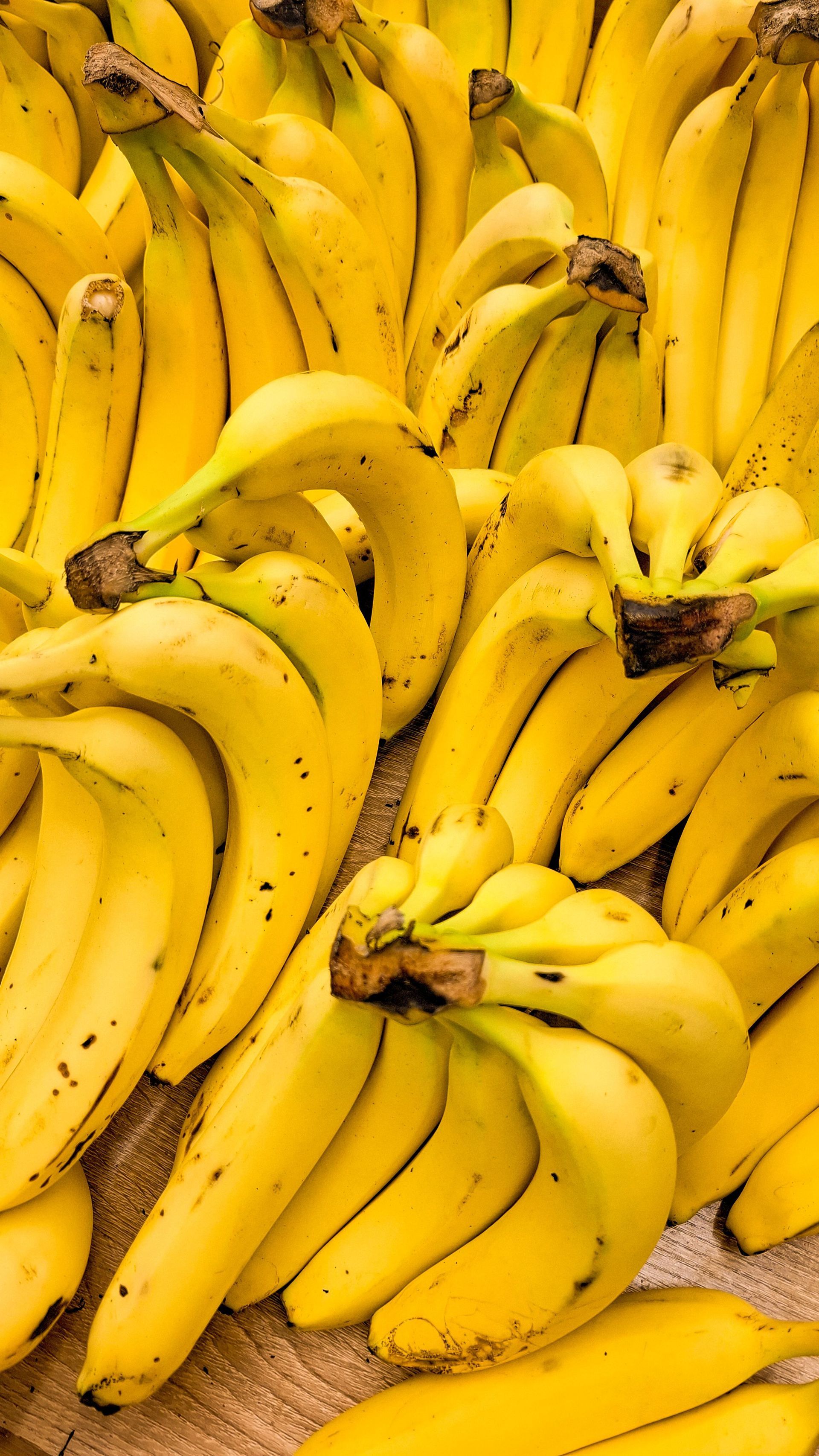
Discover Exotic Fruit Seedlings, Specialty Bananas, Culinary Herbs & Medicinal Plants from Seedlink
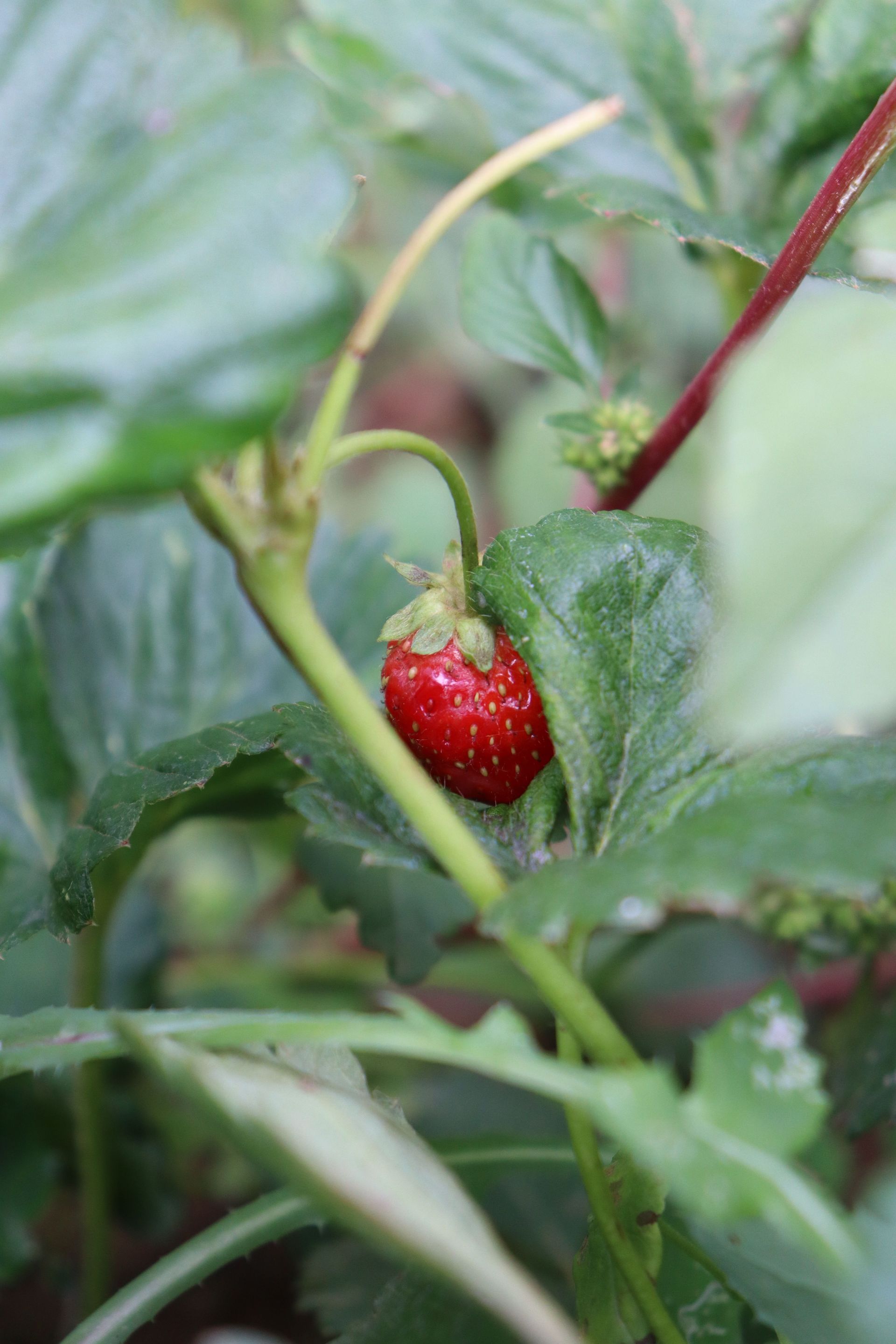
Discover Premium Berry Plants, Grapes, Dragon Fruit, Soursop, Peaches and Exotic Fruit Seedlings from Seedlink
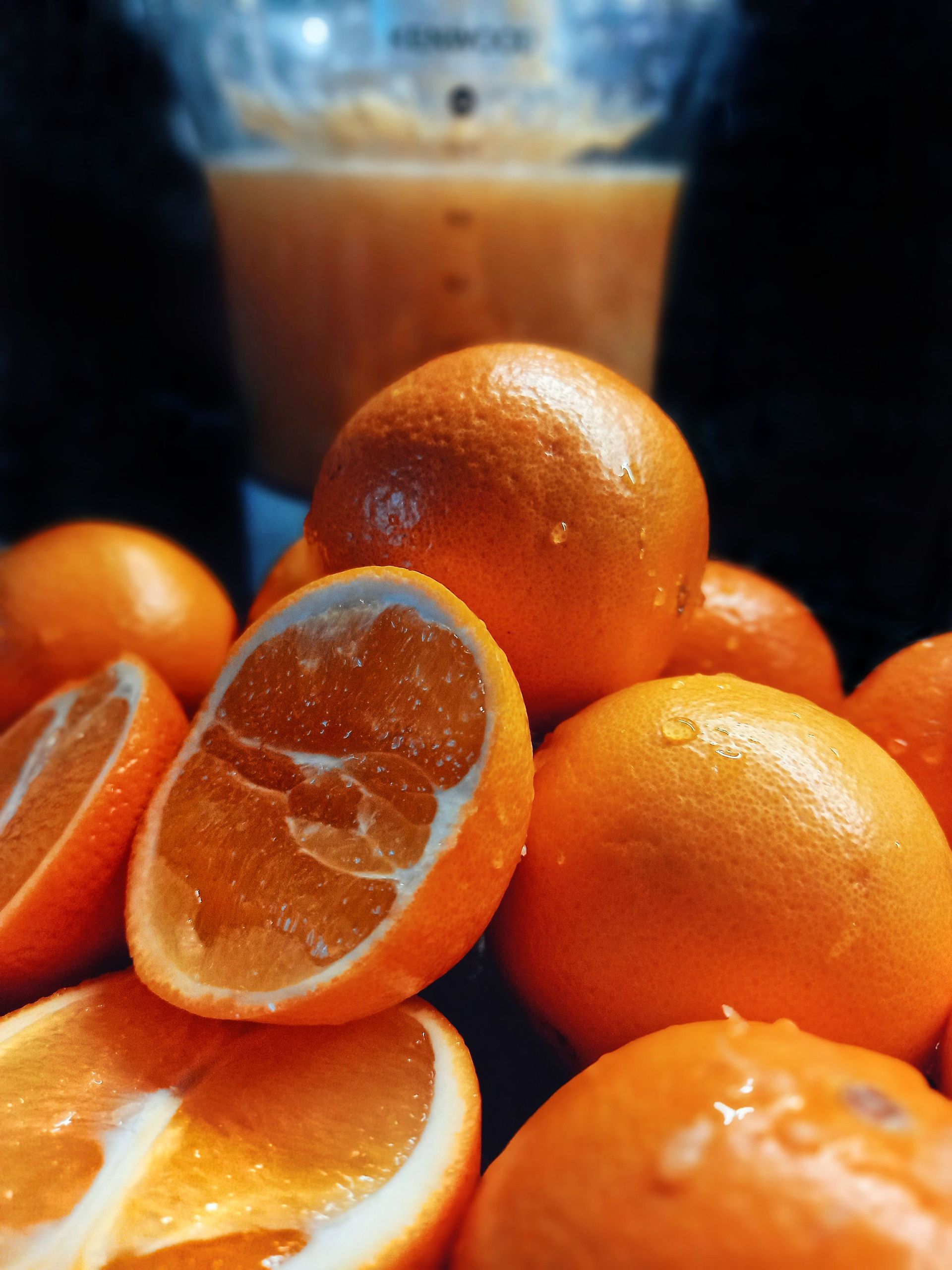
Buy Premium Citrus, Guavas, Pawpaw, Macadamia, Pears, Plums, Figs, Kiwi and More from Seedlink
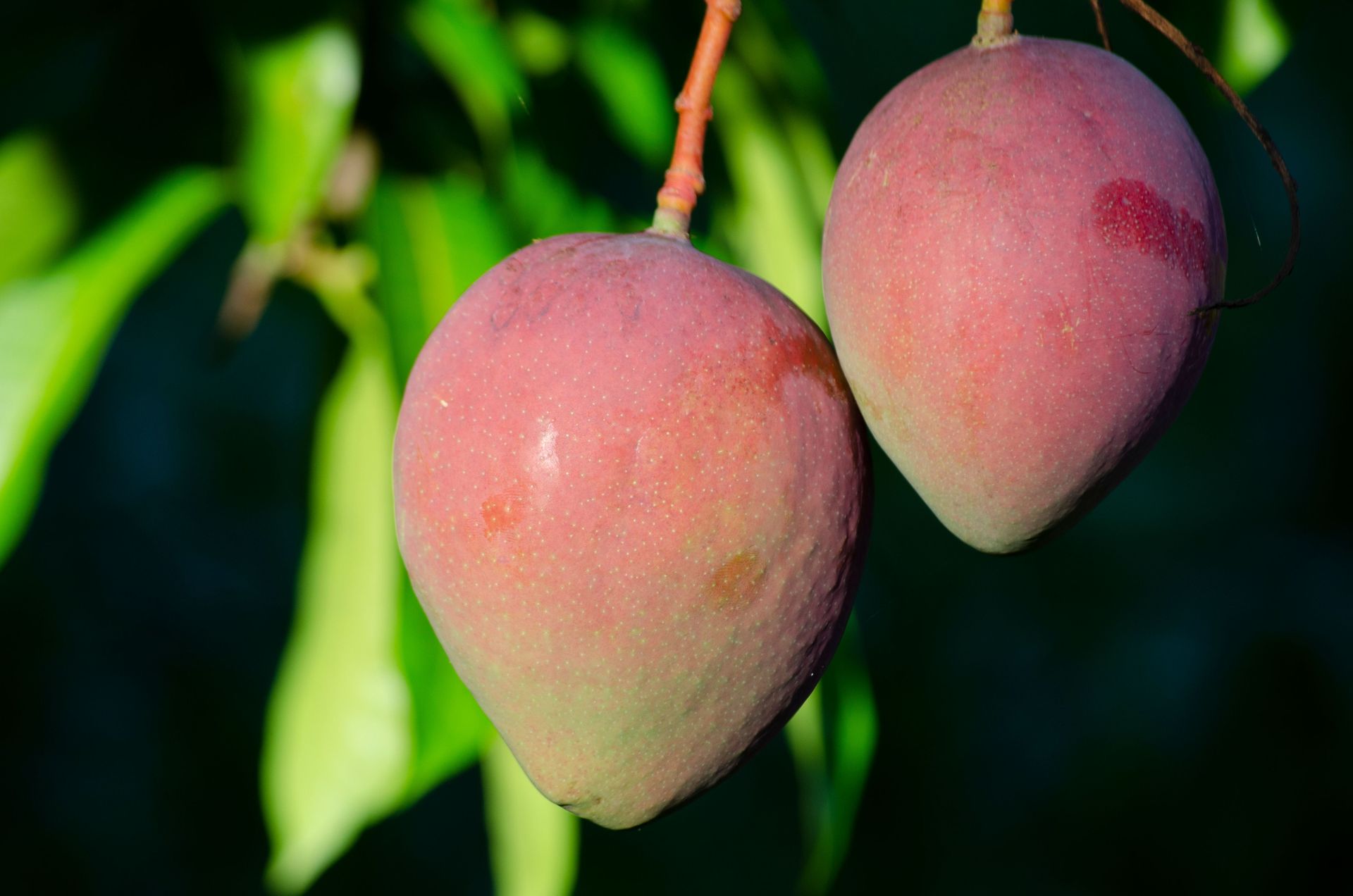
Buy Healthy Avocado, Apple, Mango, Passion Fruit & Tree Tomato Seedlings from Seedlink
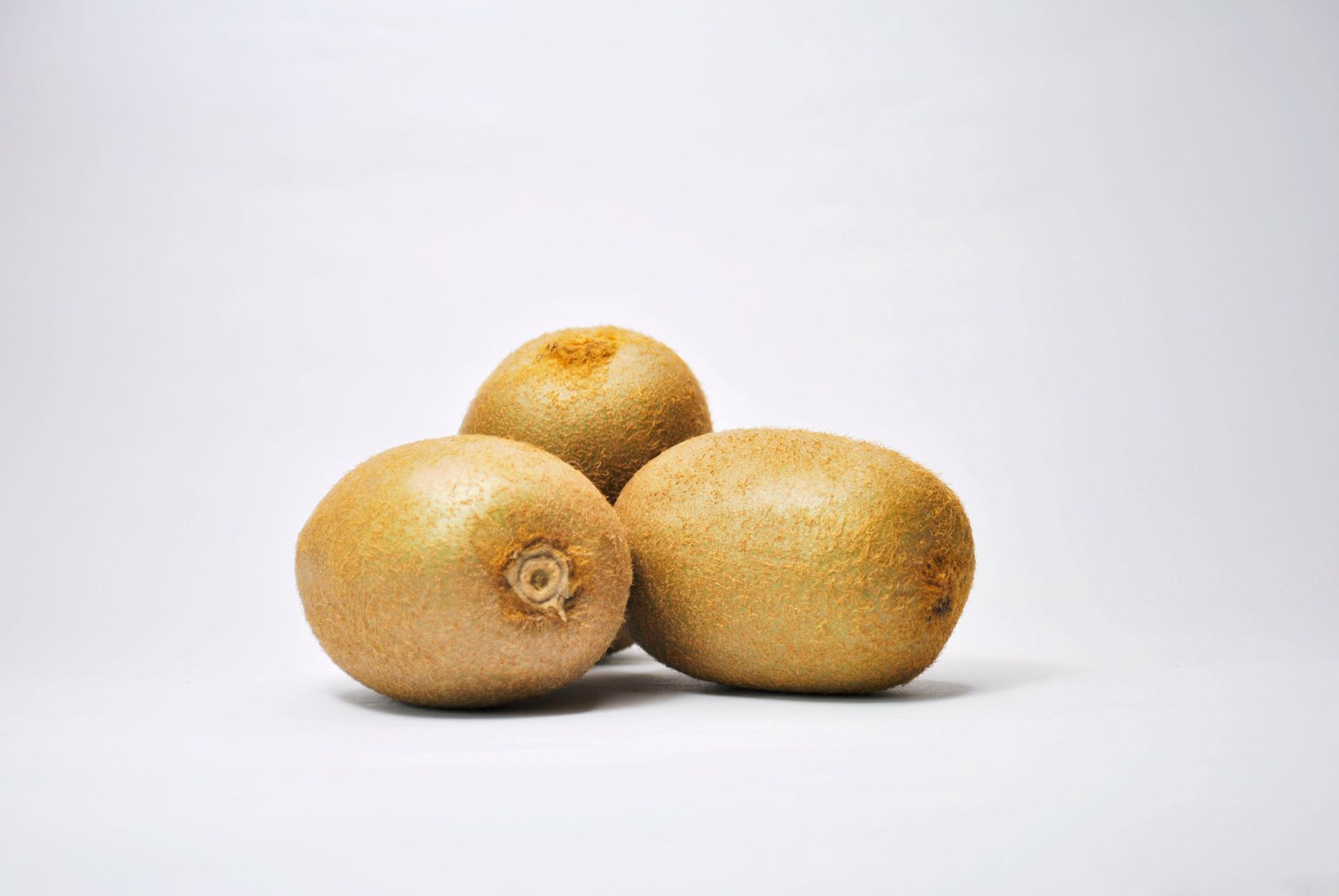
Get the ultimate guide to the best fruit seedlings in Kenya. Connect with Seedlink for healthy seedlings today!
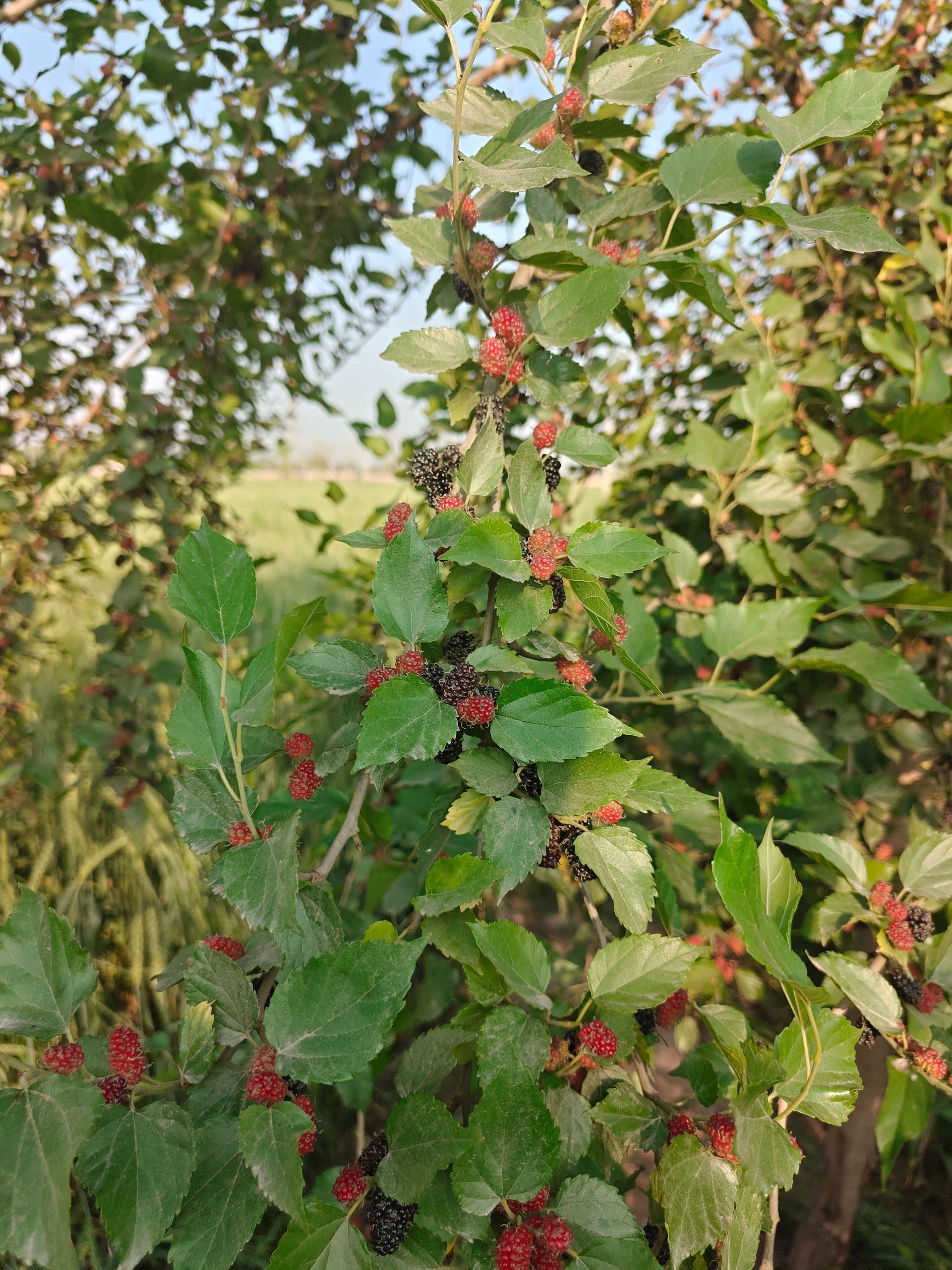
Explore the top fruit seedlings to grow in Kenya. Buy healthy seedlings today! Visit Seedlink for quality options.
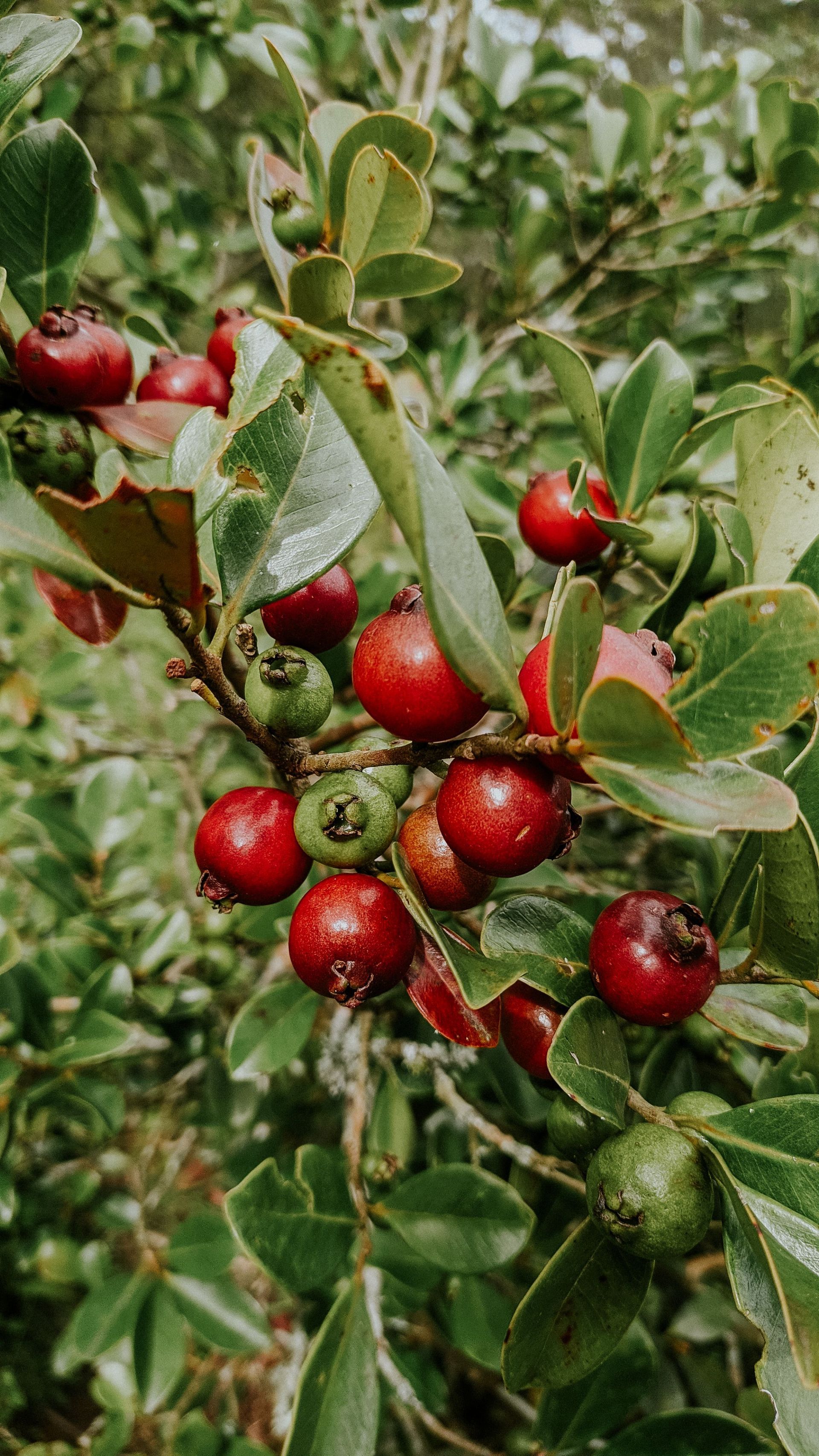
Explore top fruit seedlings for farming & gardening. Buy healthy seedlings from trusted nurseries. Request a quote today!
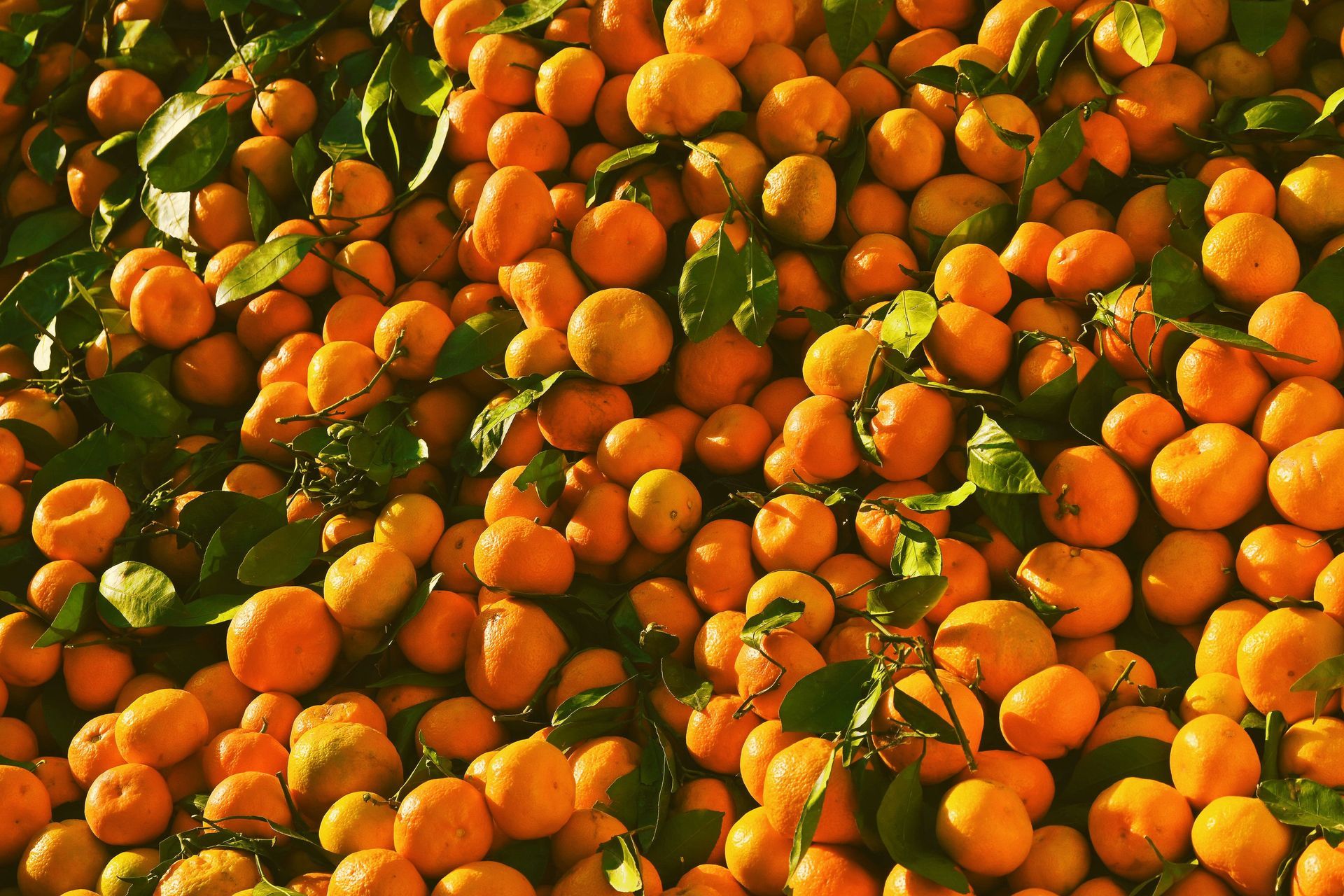
Explore the best fruit seedlings for healthy growth. Browse Seedlink for quality options today!
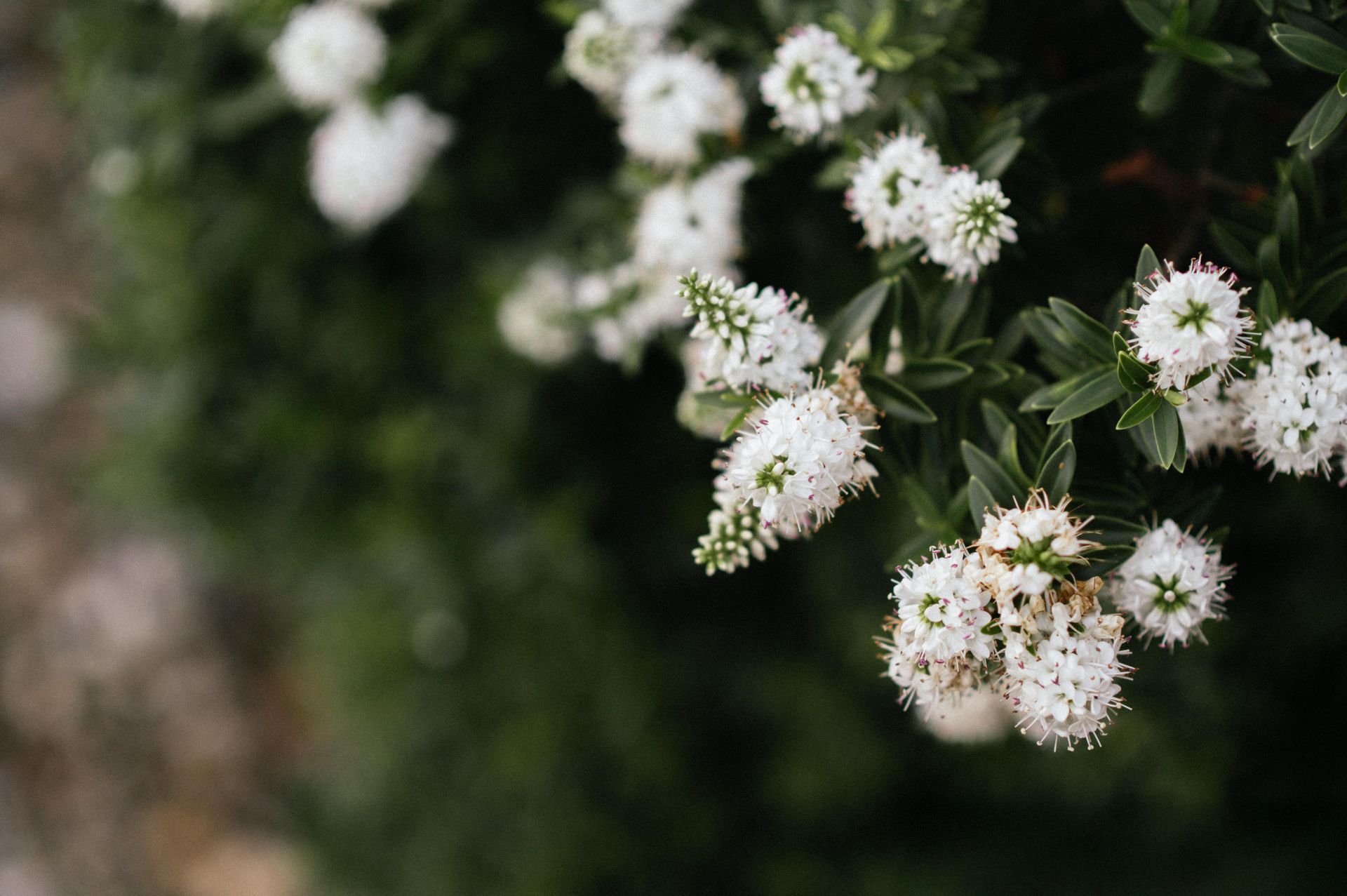
A well-designed landscape does more than beautify a property—it creates a welcoming environment, increases property value, improves air quality, and provides a relaxing outdoor space for families, visitors, and customers. Whether you are landscaping a home garden, hotel, resort, office compound, school, church, estate, or public park, choosing the right shrubs and flowering plants is essential. At Seedlink , you can access a wide variety of quality landscaping flowers, ornamental shrubs, climbers, palms, indoor plants, and exotic ornamentals sourced from trusted growers across Kenya. From colorful flowering shrubs to elegant palms and fragrant garden plants, Seedlink offers one of the most comprehensive selections available for landscaping projects of any size. Why Landscaping Plants Matter Landscaping plants provide numerous benefits beyond aesthetics: Improve curb appeal and property value. Create shade and reduce temperatures. Improve air quality. Prevent soil erosion. Provide privacy and security. Attract pollinators such as butterflies and bees. Create calming and therapeutic outdoor environments. Whether you are designing a modern garden, tropical landscape, formal hedge, or colorful flower bed, selecting the right combination of plants can completely transform your outdoor space. Flowering Shrubs for Every Garden Flowering shrubs provide year-round beauty and are among the most popular landscaping plants due to their colorful blooms and ease of maintenance. Gardenia (Gardenia jasminoides) Gardenia is renowned for its fragrant white flowers and glossy green foliage. It is perfect for entrances, patios, walkways, and garden borders. Indicative Price: KES 950 Benefits: Highly fragrant flowers Elegant evergreen foliage Suitable for formal gardens Excellent for residential landscapes Camellia (Camellia japonica) Camellias produce spectacular blooms and maintain attractive foliage throughout the year. Indicative Price: KES 950 Benefits: Long flowering season Evergreen growth Ideal focal plant Suitable for premium landscaping projects Azalea (Rhododendron spp.) Often called the "Royalty of the Garden," Azaleas produce masses of colorful blooms that create dramatic displays. Indicative Price: KES 800 Benefits: Vibrant flowering Excellent border plant Creates colorful garden beds Ideal for cooler regions Hibiscus Collection Hibiscus remains one of Kenya's most popular flowering shrubs. Available in red, pink, yellow, orange, purple, and white varieties. Indicative Prices: Red Hibiscus – KES 700 Pink Hibiscus – KES 800 Purple Hibiscus – KES 700 Yellow Hibiscus – KES 800 Orange Hibiscus – KES 800 White Hibiscus – KES 700 Benefits: Continuous flowering Tropical appearance Fast-growing Excellent hedge or standalone shrub Ixora (Ixora coccinea) Ixora produces dense clusters of colorful flowers and is commonly used in hotels and commercial landscapes. Indicative Price: KES 1,400 Benefits: Compact growth Continuous blooms Excellent for borders Attractive to pollinators Hydrangea (Hydrangea macrophylla) Hydrangeas are loved for their large flower heads and dramatic visual impact. Indicative Price: KES 450 Benefits: Large decorative flowers Suitable for cool climates Excellent for cottage gardens Great for flower arrangements Roses (Multiple Colors) No landscaping project is complete without roses. Their elegance and fragrance make them timeless favorites. Indicative Price: KES 450 Benefits: Continuous flowering Excellent cut flowers Wide range of colors Suitable for borders and beds Low-Maintenance Landscaping Shrubs Golden Duranta Golden Duranta is among the most widely used hedge plants in Kenya due to its vibrant golden foliage. Indicative Price: KES 70–80 Benefits: Fast-growing Excellent for hedges Attractive foliage Affordable for large projects Tecoma (Tecoma stans) Tecoma produces bright yellow flowers that create a cheerful garden environment. Indicative Price: KES 50 Benefits: Drought tolerant Long flowering season Easy maintenance Suitable for roadsides and institutions Tropical Ornamentals for Luxury Landscapes Bird of Paradise One of the most striking tropical ornamentals available. Indicative Price: KES 650 Benefits: Exotic appearance Architectural form Long-lasting flowers Premium landscaping appeal Heliconia Heliconias bring vibrant tropical colors to any landscape. Indicative Price: KES 1,500 Alternative pricing from catalog listings starts from KES 700 depending on size. Croton Crotons are famous for their colorful foliage. Indicative Price: KES 680 Benefits: Multi-colored leaves Year-round beauty Suitable for borders Low maintenance Cordyline Cordylines create dramatic color contrasts in gardens. Indicative Price: KES 650 Benefits: Architectural foliage Tropical appeal Suitable for containers Easy maintenance Elegant Landscaping Palms Palms instantly elevate any landscape. Popular options include: Areca Palm – KES 1,500 Royal Palm – KES 950 Christmas Palm – KES 950 Washingtonia Palm – KES 1,200 Phoenix Palm – KES 1,400 Bottle Neck Palm – KES 5,000 Palms are excellent for: Driveways Resort landscapes Hotel entrances Swimming pool areas Commercial properties Beautiful Flowering Trees Jacaranda Known for its spectacular purple blooms. Indicative Price: KES 900 African Tulip (Nandi Flame) Produces dramatic orange-red flowers. Indicative Price: KES 480 Tabebuia Among the most beautiful flowering trees for avenues and estates. Indicative Price: KES 1,500 Frangipani (Desert Rose) A favorite in coastal and tropical landscapes. Indicative Price: KES 700 Landscaping Climbers and Flowering Vines Climbers add vertical interest and are perfect for walls, pergolas, fences, and gazebos. Bougainvillea Indicative Price: KES 100 Allamanda Indicative Price: KES 800 Jasmine Indicative Price: KES 480 Morning Glory Indicative Price: KES 450 Petrea Indicative Price: KES 850 These climbers are ideal for: Decorative fences Hotel gardens Pergolas Garden arches Privacy screening Popular Hedges and Screening Plants A beautiful landscape often requires privacy and structure. Popular hedge plants include: Kei Apple – KES 80 Green Duranta – KES 90 Eugenia – KES 420 Boxwood – KES 250 Ficus Hedge – KES 200 Benefits: Privacy Security Wind protection Noise reduction Defined garden boundaries Indoor Ornamentals for Homes and Offices Seedlink also supplies indoor plants for homes, offices, hotels, and commercial spaces. Popular options include: Peace Lily – KES 400 Snake Plant – KES 350 ZZ Plant – KES 550 Monstera – KES 850 Anthurium – KES 680 Spider Plant – KES 450 Why Buy Landscaping Plants from Seedlink? Seedlink connects buyers to quality nurseries and growers across Kenya, making it easier to source plants for both small and large landscaping projects. Advantages include: Wide selection of landscaping flowers and shrubs. Competitive pricing. Access to bulk orders. Professional landscaping plant sourcing. Nationwide delivery arrangements. Suitable for homes, estates, schools, hotels, churches, NGOs, and government projects. Final Thoughts Beautiful landscaping begins with quality plants. Whether you want fragrant Gardenias, colorful Hibiscus, elegant Roses, tropical Heliconias, architectural Palms, or privacy hedges, Seedlink provides access to an extensive range of ornamental plants suitable for every landscaping style and budget. From residential gardens to large commercial developments, Seedlink is your trusted partner for sourcing shrubs, flowering plants, climbers, palms, ornamental trees, and landscaping flowers across Kenya. For inquiries, bulk orders, and landscaping plant sourcing, visit www.seedlink.co.ke or call 0740 712 579 .
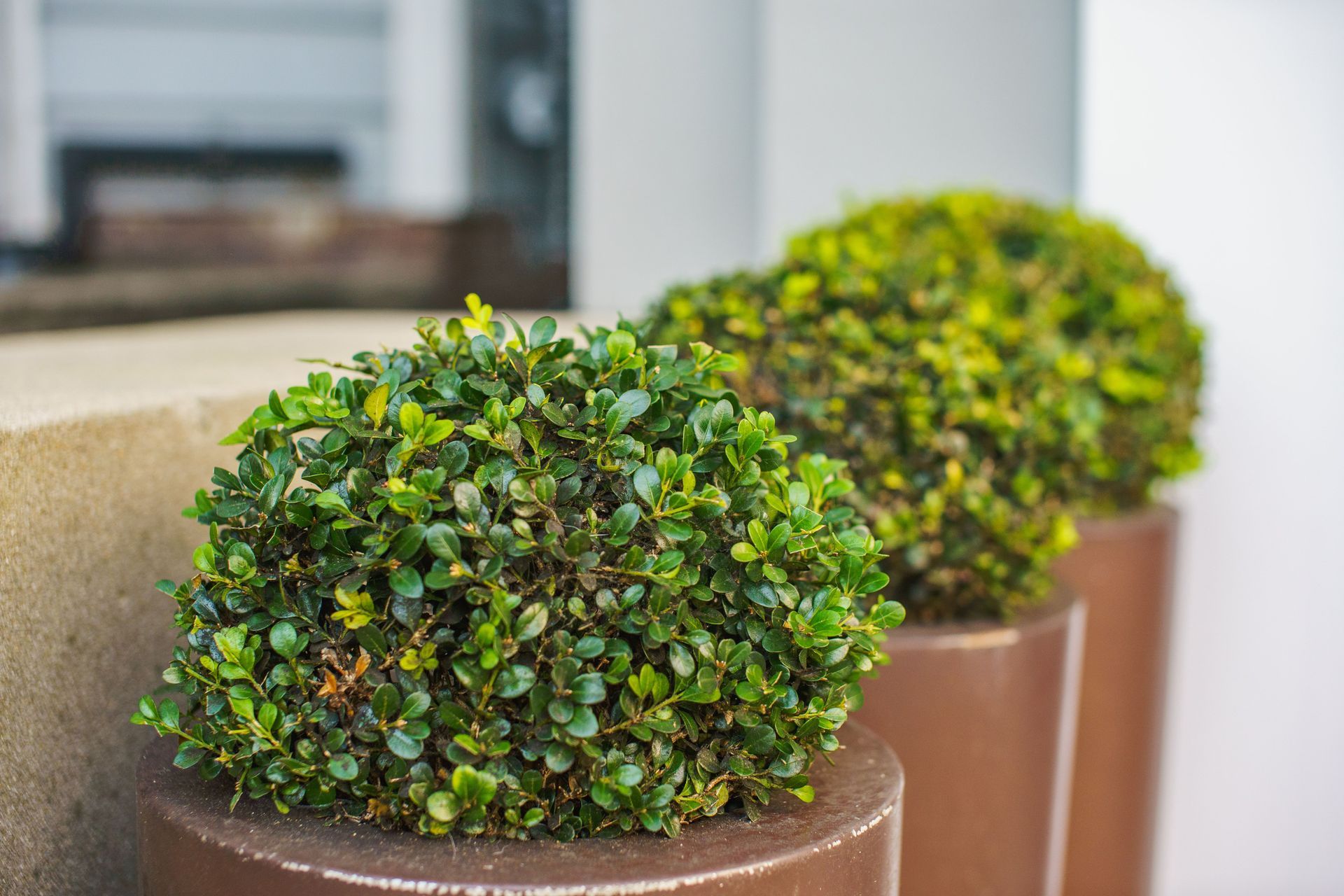
A well-designed garden is more than just a collection of plants — it is an expression of beauty, tranquility, and value. Whether you are creating a home garden, upgrading a commercial landscape, designing a hotel compound, or beautifying a school or office environment, the right shrubs and flowering plants can transform any outdoor space into a vibrant living masterpiece. At Seedlink, customers can access a wide selection of high-quality shrubs, ornamentals, palms, climbers, and landscaping flowers suitable for Kenya’s diverse climates. From fragrant gardenias and colourful hibiscus to elegant hydrangeas and drought-tolerant bougainvillea, Seedlink offers plants that combine beauty with practicality. In this guide, we explore some of the best shrubs and landscaping flowers available from Seedlink, including their uses, benefits, and indicative prices from the current catalog. Why choose Seedlink for landscaping plants? Seedlink is a trusted source for ornamental plants and landscaping seedlings. Customers can buy individual plants for small gardens or place bulk orders for larger landscaping projects. Benefits of buying from Seedlink include: A wide variety of flowering shrubs, ornamentals, palms, climbers, and hedge plants. Healthy seedlings suitable for home gardens, commercial landscapes, institutions, and public spaces. Indicative pricing that helps customers plan their landscaping budget. Availability of both individual and bulk purchase options. Expert guidance on selecting the right plants for different environments. Whether you need a few decorative shrubs or hundreds of plants for a large project, Seedlink makes it easy to source quality landscaping plants in one place. Popular flowering shrubs available from Seedlink Flowering shrubs are the backbone of many beautiful landscapes. They provide colour, texture, fragrance, and structure throughout the year. Gardenia — fragrant elegance Gardenia is one of the most admired flowering shrubs for its glossy green leaves and intensely fragrant white flowers. It is perfect for entrance gardens, patios, and relaxation areas. Indicative price: KES 950 Best for: Fragrant gardens, patios, and decorative borders. Camellia — evergreen beauty Camellia produces showy blooms and maintains attractive evergreen foliage throughout the year. It adds a refined touch to residential and commercial landscapes. Indicative price: KES 950 Best for: Elegant gardens and shaded landscaping areas. Azalea (Royalty of the Garden) — vibrant colour Azaleas are loved for their abundant colourful flowers. They create eye-catching displays in garden beds and borders. Indicative price: KES 800 Best for: Colourful garden borders and ornamental beds. Hibiscus — tropical brilliance Seedlink offers several hibiscus colours, including red, pink, blue/purple, yellow, orange, and white. Hibiscus shrubs flower generously and thrive in warm climates. Red Hibiscus: KES 700 Pink Hibiscus: KES 800 Blue/Purple Hibiscus: KES 700 Yellow Hibiscus: KES 800 Orange Hibiscus: KES 800 White Hibiscus: KES 700 Best for: Tropical gardens, hedges, and colourful landscaping. Bougainvillea — drought-tolerant colour Bougainvillea is one of the most versatile landscaping plants. It produces vibrant bracts and performs well in sunny, dry conditions. Indicative price: KES 100 Best for: Fences, walls, pergolas, and low-maintenance gardens. Ixora — clustered floral display Ixora produces dense clusters of flowers that create a striking ornamental effect. Indicative price: KES 1,400 Best for: Formal gardens and landscape focal points. Hydrangea — large ornamental blooms Hydrangeas are prized for their large flower heads and lush appearance. Indicative price: KES 450 Best for: Cottage gardens and shaded flower beds. Roses — timeless garden favourites Seedlink offers roses in multiple colours, making them a classic choice for ornamental gardens. Indicative price: KES 450 Best for: Flower beds, borders, and decorative gardens. Golden Duranta — colourful foliage Golden Duranta adds bright golden foliage that contrasts beautifully with green plants. Indicative price: KES 70 Best for: Hedges, borders, and low-cost landscaping. Tecoma — bright yellow blooms Tecoma produces cheerful yellow flowers and is easy to maintain. Indicative price: KES 50 Best for: Roadside landscaping and sunny gardens. Tropical ornamentals for dramatic landscapes For a bold and exotic look, Seedlink offers a range of tropical ornamental plants. Bird of Paradise With its unique bird-like flowers, Bird of Paradise creates a striking tropical effect. Indicative price: KES 650 Heliconia Heliconia adds vibrant tropical colour and texture. Indicative price: KES 1,500 Traveller’s Palm This architectural plant creates a dramatic focal point in large landscapes. Indicative price: KES 900 Croton Crotons are valued for their colourful foliage. Indicative price: KES 680 Cordyline Cordylines provide decorative tropical foliage. Indicative price: KES 650 Areca Palm (Golden Palm) A popular landscaping palm for gardens and compounds. Indicative price: KES 1,500 Foxtail Palm An elegant ornamental palm for premium landscapes. Indicative price: KES 2,500–4,000 Cycad A slow-growing specimen plant with a luxurious appearance. Indicative price: KES 2,500–4,000 Ornamental trees that add structure Landscaping is not complete without trees that provide shade, height, and seasonal colour. Jacaranda Known for its beautiful purple flowers. Indicative price: KES 900 Nandi Flame / African Tulip Produces spectacular orange-red flowers. Indicative price: KES 480 Golden Shower Tree Features cascading yellow flowers. Indicative price: KES 180 Bottle Brush Produces distinctive brush-like flowers. Indicative price: KES 480 Tabebuia A seasonal pink flowering tree. Indicative price: KES 1,500 Frangipani (Desert Rose) Highly fragrant ornamental tree. Indicative price: KES 700 Grevillea (Silky Oak) Useful for shade and ornamental value. Indicative price: KES 50 Ficus Benjamina An elegant ornamental tree. Indicative price: KES 550 Hedge and screening plants For privacy, security, and defined boundaries, Seedlink offers excellent hedge plants. Kei Apple (Kayaba) Indicative price: KES 80 Best for: Security hedges. Green Duranta Indicative price: KES 90 Best for: Fast-growing hedges. Eugenia Indicative price: KES 420 Best for: Dense screening. Italian Cypress Indicative price: KES 1,200 Best for: Windbreaks and privacy. Buxus (Boxwood) Indicative price: KES 250 Best for: Formal hedges. Ligustrum (Privet) Indicative price: KES 150–250 Best for: Fast-growing privacy hedges. Ficus Hedge Indicative price: KES 200 Best for: Dense living fences. Climbers and flowering vines Climbers are ideal for walls, pergolas, fences, and arches. Allamanda Indicative price: KES 800 Jasmine Indicative price: KES 480 Flame Vine Indicative price: KES 150 Morning Glory Indicative price: KES 450 Petrea Indicative price: KES 850 Thunbergia Indicative price: KES 300 These climbers add vertical beauty and maximise garden space. Ground cover and spreading flowers Ground cover plants help fill empty spaces and create a lush appearance. Spider Grass — KES 150 Red Lantana Camara — KES 150 Purple Lantana Camara — KES 150 Green Chinese — KES 150 Red Chinese — KES 150 Geranium — KES 450 Indicative price table for popular landscaping plants PlantIndicative Price (KES)Gardenia950Camellia950Azalea800Hibiscus (Red)700Hibiscus (Pink)800Bougainvillea100Ixora1,400Hydrangea450Rose450Golden Duranta70Tecoma50Bird of Paradise650Heliconia1,500Jacaranda900Bottle Brush480Kei Apple80Green Duranta90Eugenia420Ficus Hedge200Jasmine480Petrea850Thunbergia300 Best plants for different landscaping needs For colourful gardens Hibiscus Azalea Roses Bougainvillea Ixora For fragrant gardens Gardenia Jasmine Frangipani For low-maintenance landscapes Bougainvillea Golden Duranta Tecoma Grevillea For privacy hedges Kei Apple Green Duranta Eugenia Italian Cypress Ficus Hedge For tropical luxury landscapes Bird of Paradise Heliconia Traveller’s Palm Areca Palm Foxtail Palm Why shrubs and landscaping flowers are a smart investment Investing in quality landscaping plants offers long-term benefits: Enhances the beauty of homes and commercial properties. Increases property value. Creates a relaxing outdoor environment. Improves privacy and security. Attracts pollinators such as bees and butterflies. Reduces dust and improves the microclimate around buildings. A well-planned garden can continue improving in appearance for many years with proper care. Buy your landscaping plants from Seedlink Seedlink makes it easy to create a beautiful garden with a wide selection of shrubs, flowering plants, palms, climbers, and hedge plants. Whether you are landscaping a small home garden or a large commercial property, you can buy each of these plants directly from Seedlink. Customers are encouraged to order early, especially for bulk landscaping projects, to ensure availability of the desired varieties. Contact Seedlink Phone: 0740 712 579 Website: www.seedlink.co.ke Transform your outdoor space with beautiful shrubs and landscaping flowers from Seedlink. Browse the available varieties, choose the plants that suit your project, and create a garden that will remain attractive for years to come.