African Cherry (Aguthi) Seedlings in Kenya: Indigenous Fruit Farming Guide
African Cherry (Aguthi) Seedlings in Kenya: Indigenous Fruit Farming Guide (2026)
Planting, Care & Profit Guide – Low Maintenance, High Returns Crop
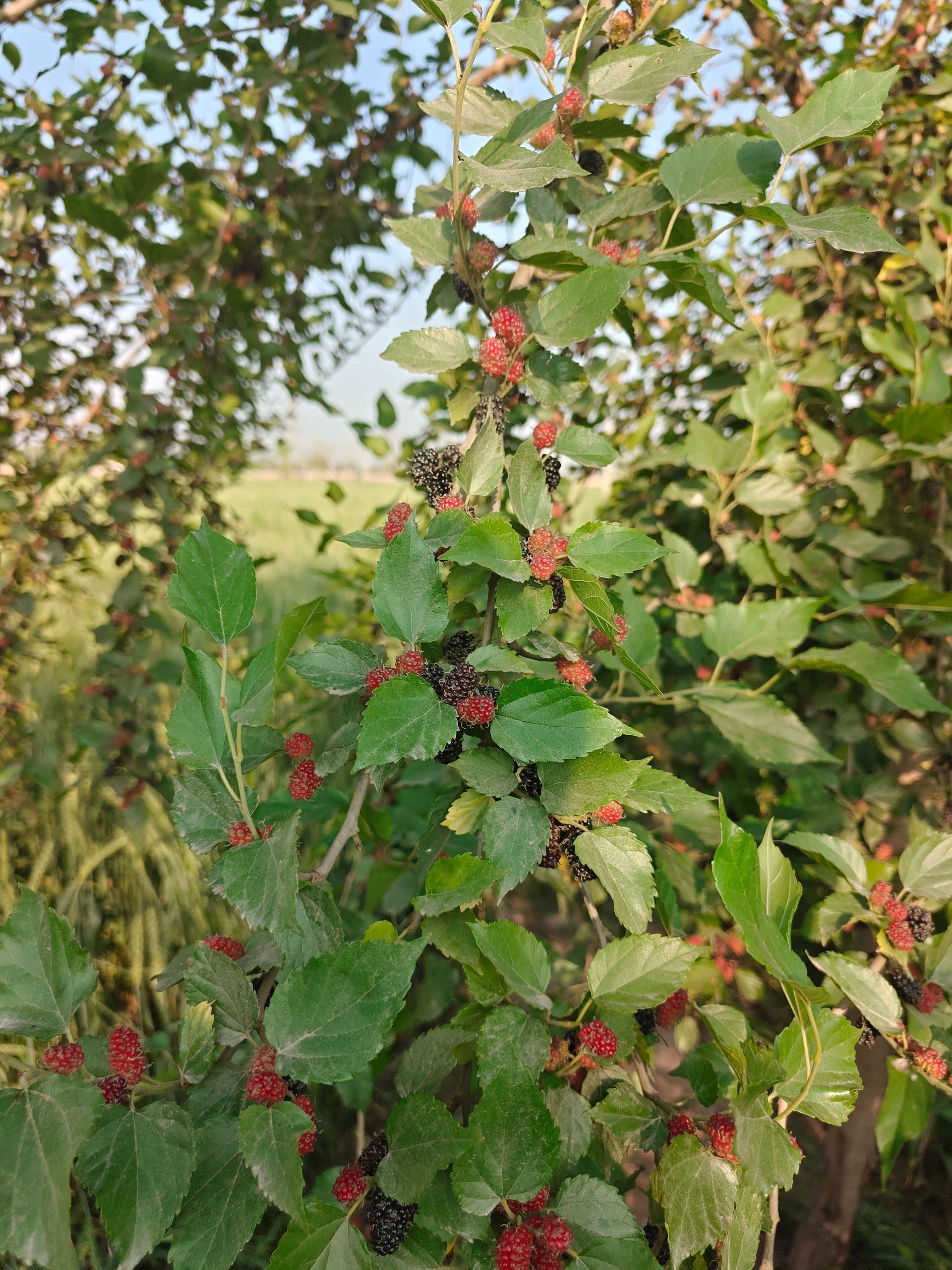
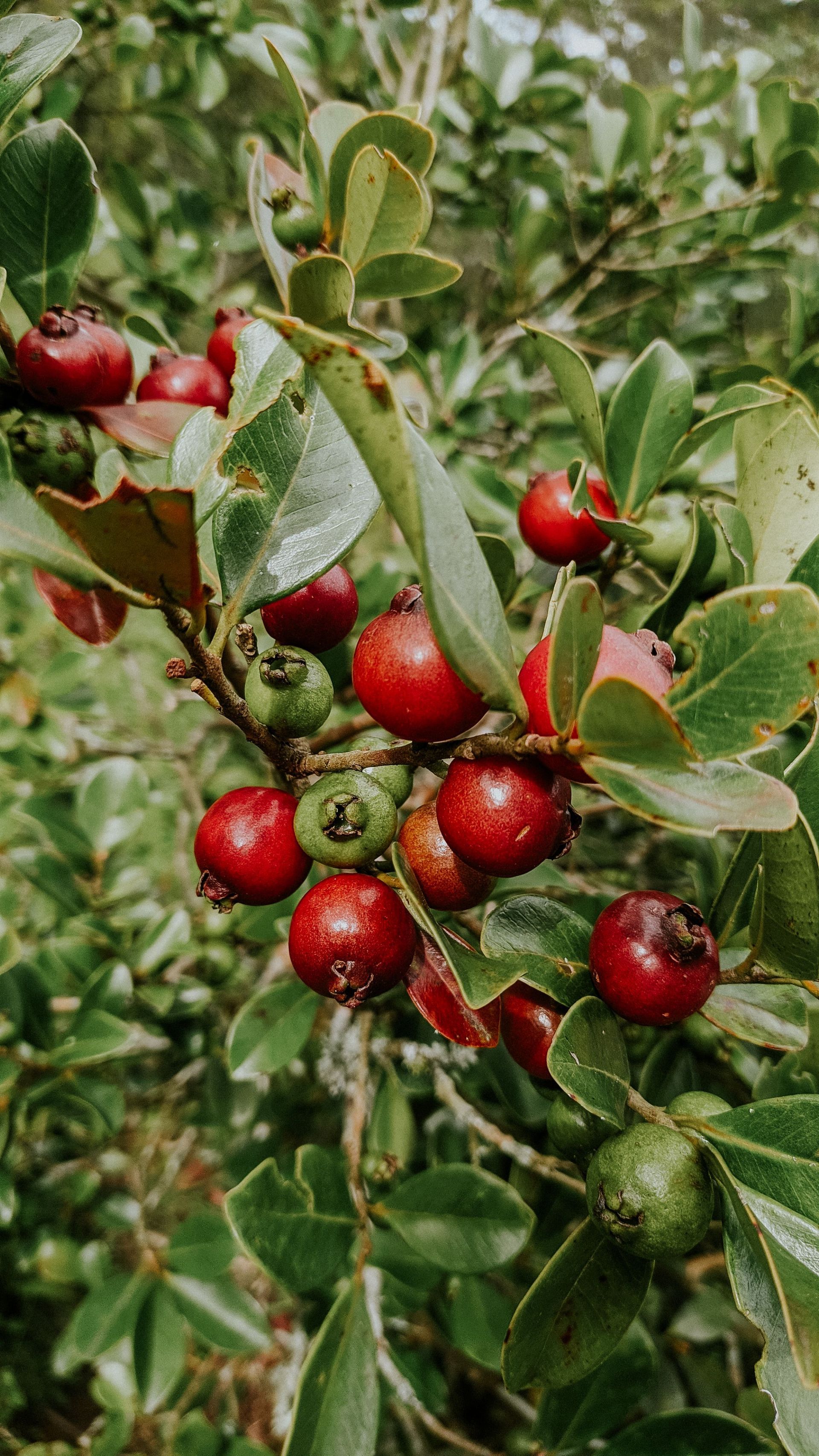
African Cherry, locally known in parts of Central Kenya as Aguthi cherry, is one of the most underrated indigenous fruit crops with strong potential for nutrition, resilience, and future agribusiness value.
While not as commercially mainstream as mango or avocado, African cherry belongs to a growing group of
indigenous fruit trees (IFTs) in Kenya that are gaining attention for:
✔ Climate resilience
✔ Low input requirements
✔ Nutritional value
✔ Agroforestry benefits
✔ Long-term income potential
As Kenya focuses more on climate-smart agriculture and indigenous food systems, crops like African cherry are becoming important in both rural and commercial farming systems.
This guide explores everything you need to know about African Cherry (Aguthi) seedlings in Kenya, including:
- What African cherry is
- Growing conditions
- Planting guide
- Care and management
- Yield and uses
- Profit potential
- Agronomy best practices
What is African Cherry (Aguthi)?
African cherry (Aguthi) refers to a group of indigenous fruiting trees/shrubs found in Kenya, often growing naturally in farms, forest edges, and rural landscapes.
In many Kenyan communities, these fruits have historically been:
- Picked from the wild
- Consumed by children
- Used as seasonal snacks
- Protected rather than cultivated
Recent research shows that Kenya has over 400 indigenous fruit tree species, many of which are still underutilized despite their nutritional importance.
African cherry falls into this category of nutrient-rich but commercially neglected crops.
Why African Cherry Farming is Important in Kenya
Indigenous fruit trees like Aguthi cherry are important because they:
✔ Improve rural nutrition
✔ Provide climate resilience
✔ Require low fertilizer input
✔ Grow in marginal lands
✔ Support biodiversity
✔ Reduce dependence on exotic fruits
Studies on indigenous fruit trees in Kenya show they can significantly improve dietary diversity and micronutrient intake in rural communities.
These fruits are rich in:
- Vitamin C
- Iron
- Antioxidants
- Fiber
Can African Cherry Be Commercially Farmed in Kenya?
👉 Yes — but with an important clarification:
African cherry is currently a:
- Semi-wild / semi-domesticated crop
- Not yet fully commercialized like mango or avocado
- Best suited for agroforestry, mixed farming, and niche markets
However, with proper domestication and propagation, it can become:
✔ A profitable indigenous fruit crop
✔ A climate-resilient orchard component
✔ A value-addition opportunity in the future
Best Growing Conditions for African Cherry (Aguthi)
African cherry is naturally adapted to Kenyan environments.
Climate Requirements:
✔ Moderate rainfall regions
✔ Semi-humid to humid areas
✔ Altitudes between mid and highlands
Temperature:
- Best performance in mild to warm conditions
- Tolerates seasonal variation
Soil:
✔ Well-drained soils
✔ Organic-rich soils
✔ Avoid waterlogged conditions
African cherry is naturally resilient, which is why it survives in:
- Farm edges
- Forest margins
- Semi-wild landscapes
Why Indigenous Fruits Like Aguthi Are Still Underutilized
Despite their value, indigenous fruits in Kenya face challenges:
❌ Lack of formal farming systems
❌ Limited nursery availability
❌ Weak market structures
❌ Low awareness among farmers
❌ Preference for exotic fruits
Studies show many indigenous fruits are still mostly harvested from the wild rather than cultivated.
This creates a major opportunity:
👉 Early adopters can benefit from future commercialization.
Propagation of African Cherry Seedlings
African cherry is commonly propagated through:
1. Seeds
- Extract from ripe fruits
- Clean and dry seeds
- Sow in nursery beds
2. Natural regeneration
- Seeds dispersed by birds and animals
- Germinate naturally in farms
3. Vegetative propagation (future improvement)
- Research is ongoing to improve consistency
Seedling Production Guide
Step 1: Seed Collection
- Collect fully ripe fruits
- Extract seeds manually
- Wash thoroughly
Step 2: Nursery Preparation
- Use fertile, well-drained soil
- Partial shade recommended
Step 3: Germination
- Germination may take several weeks depending on conditions
- Maintain moisture (not flooding)
Step 4: Transplanting
- Transplant when seedlings are strong enough
- Prefer early rainy season
Land Preparation for African Cherry Farming
Although often found wild, structured farming improves productivity.
Steps:
- Clear weeds and shrubs
- Dig planting holes (60cm × 60cm × 60cm)
- Mix soil with compost and manure
- Ensure good drainage
Spacing Recommendations
Since African cherry can grow as a shrub or small tree:
✔ Recommended spacing: 3m × 3m or wider
✔ Allows natural canopy expansion
✔ Reduces competition
Water Requirements
African cherry is relatively drought tolerant once established.
However:
✔ Regular watering improves fruiting
✔ Drip irrigation increases productivity
✔ Avoid water stress during flowering
Fertilization Needs
African cherry is a low-input crop, but responds well to:
Organic inputs:
- Farmyard manure
- Compost
Minimal synthetic inputs:
- Light balanced NPK during early growth
Over-fertilization is unnecessary and may reduce natural resilience.
Pest and Disease Resistance
One of the biggest advantages of African cherry is:
✔ Natural resilience to pests and diseases
However, occasional challenges may include:
- Fruit borers
- Aphids
- Fungal issues in very wet conditions
Prevention:
✔ Proper spacing
✔ Good airflow
✔ Organic soil management
Flowering and Fruiting
African cherry typically:
- Flowers seasonally depending on climate
- Produces fruits after maturity phase (varies by establishment method)
Because it is still semi-wild, fruiting cycles are not as standardized as commercial fruit crops.
Uses of African Cherry Fruits
African cherry is valuable both nutritionally and culturally.
1. Fresh consumption
- Eaten raw when ripe
2. Nutritional value
Indigenous fruits contribute to:
✔ Vitamin intake
✔ Iron absorption
✔ Dietary diversity
Research shows indigenous fruits help address micronutrient deficiencies in rural diets.
3. Agroforestry use
- Windbreaks
- Soil protection
- Biodiversity enhancement
Market Potential of African Cherry in Kenya
Currently, African cherry has:
Limited but emerging market potential
It is mostly:
- Locally consumed
- Sold in small informal markets
- Not yet structured commercially
But future opportunities include:
✔ Indigenous fruit processing
✔ Juice blends
✔ Nutritional supplements
✔ Organic fruit markets
As awareness increases, demand is expected to grow.
Profitability of African Cherry Farming
At the moment:
👉 African cherry is not yet a mainstream commercial plantation crop in Kenya.
However, profitability potential exists in:
✔ Indigenous fruit niche markets
✔ Agroforestry systems
✔ Future value addition industries
✔ Conservation-linked farming systems
Early adopters benefit most when commercialization grows.
Challenges in African Cherry Farming
❌ Limited commercial seedling supply
❌ Lack of formal agronomy packages
❌ Weak market systems
❌ Limited research on yield optimization
But these challenges also mean:
👉 First movers have opportunity advantage.
Seedlink Agronomy Team Pro Tips
1. Treat it as a Long-Term Crop
African cherry is best for long-term agroforestry systems.
2. Focus on Soil Health
Organic matter is key for productivity.
3. Protect Natural Trees First
Domestication can start by managing existing wild trees.
4. Intercrop in Early Years
Use space efficiently while trees mature.
5. Observe High-Performing Trees
Select best natural producers for propagation.
Why Indigenous Fruit Farming is the Future in Kenya
Indigenous fruit trees like African cherry are important because they:
✔ Support climate resilience
✔ Improve nutrition security
✔ Require low external inputs
✔ Strengthen biodiversity systems
Kenya’s future agriculture will increasingly combine:
👉 Exotic commercial fruits + Indigenous resilient species
Final Thoughts
African Cherry (Aguthi) is not yet a mainstream commercial crop, but it represents a high-potential indigenous fruit opportunity in Kenya’s evolving agricultural landscape.
It is best understood as:
✔ A resilience crop
✔ A nutrition crop
✔ A future commercialization crop
✔ A biodiversity-supporting fruit tree
Farmers who invest early in understanding and cultivating indigenous fruits will likely benefit as demand, research, and commercialization systems grow.
Want to Explore Indigenous Fruit Seedlings in Kenya?
For guidance on fruit seedlings, orchard systems, and agroforestry planning:
Seedlink Kenya
📞 +254 740 712 579
📧
sales@seedlink.co.ke