A Guide to Planning Large-Scale Tree Planting Events in Kenya
Large-scale tree planting in Kenya has moved beyond environmental activism into a structured, data-driven, and community-powered movement. From government-led restoration programs to corporate ESG initiatives and community-driven conservation efforts, the demand for well-organized tree planting events continues to grow rapidly.
However, successful large-scale tree planting is not just about digging holes and planting seedlings. It requires careful planning, supply chain coordination, traceability systems, community involvement, documentation, survival monitoring, and long-term maintenance strategies.
This comprehensive guide explores how to plan and execute impactful tree planting events in Kenya while ensuring sustainability, accountability, and measurable environmental outcomes.
Why Large-Scale Tree Planting Matters in Kenya
Kenya faces increasing environmental challenges including deforestation, water catchment degradation, climate change impacts, and urban expansion. Tree planting plays a key role in:
- Restoring degraded ecosystems
- Improving rainfall patterns and water retention
- Reducing carbon emissions
- Supporting biodiversity
- Creating green jobs for local communities
- Supporting Kenya’s national target of increasing forest cover
With national and global commitments to climate action, tree planting has become a key pillar of sustainability strategies for NGOs, corporates, schools, county governments, and community groups.
Step 1: Define the Objective of Your Tree Planting Event
Before organizing a large-scale tree planting event in Kenya, you must clearly define your objective. This determines everything from species selection to logistics and monitoring.
Common objectives include:
1. Environmental Restoration
Reforesting degraded land, riverbanks, or forest reserves.
2. Carbon Offset Projects
Corporates and organizations offsetting carbon emissions through verified tree planting programs.
3. Community Empowerment
Engaging local communities through employment, education, and stewardship.
4. Corporate Social Responsibility (CSR)
Companies planting trees as part of ESG compliance and brand sustainability initiatives.
5. Educational Programs
Schools and universities integrating tree planting into environmental education.
Step 2: Site Selection and Environmental Assessment
Choosing the right planting site is critical for long-term survival and impact.
Key considerations include:
- Soil type and fertility
- Water availability
- Climate conditions (rainfall patterns)
- Land ownership and legal permissions
- Proximity to communities for maintenance
- Existing vegetation and biodiversity
Engaging local environmental experts or forestry officers ensures compliance with ecological best practices.
Step 3: Choosing the Right Tree Species
Species selection determines survival rates and ecological impact.
In Kenya, commonly used species include:
Indigenous Species
- Croton megalocarpus
- Olea africana (African olive)
- Prunus africana
- Cordia africana
Agroforestry Species
- Grevillea robusta
- Calliandra calothyrsus
- Sesbania sesban
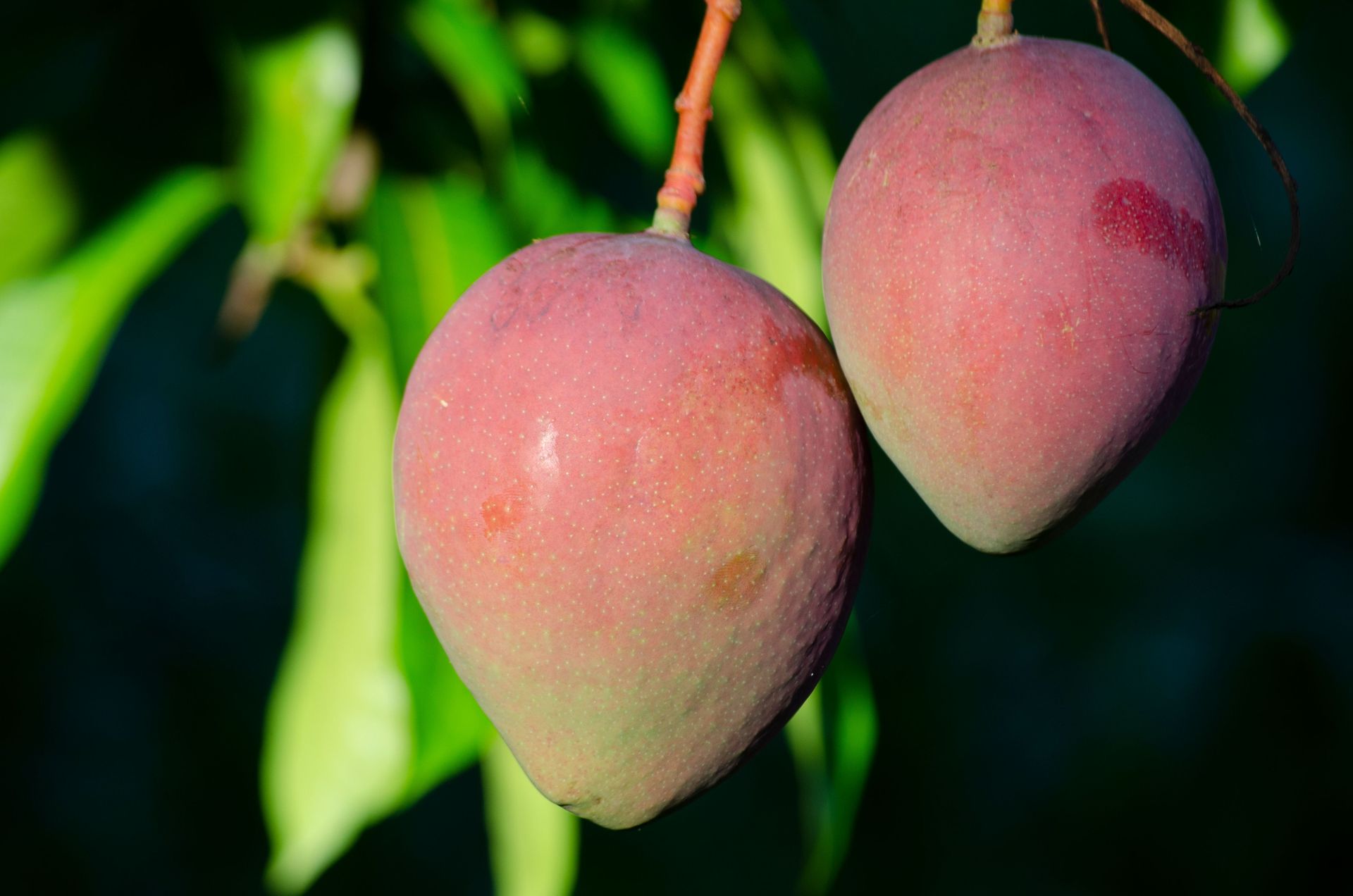
Fruit Trees
- Avocado
- Mango
- Macadamia
- Citrus varieties
Fast-Growing Species (for quick cover)
- Eucalyptus (with caution depending on ecosystem)
- Casuarina
A mixed-species approach is recommended to improve biodiversity and resilience.
Step 4: Seedling Sourcing and Supply Chain Management
One of the most overlooked aspects of tree planting in Kenya is seedling quality, traceability, and supply consistency. Poor-quality seedlings often lead to low survival rates, undermining entire projects.
This is where structured seedling sourcing platforms become essential.
A reliable system should provide:
- Verified nurseries
- Species traceability
- Standardized seedling quality
- Bulk aggregation for large projects
- Delivery coordination
- Transparent documentation
For organizations planning large-scale tree planting events, using a structured digital seedling marketplace ensures efficiency and accountability.
A highly recommended platform for this is Seedlink, which simplifies the procurement of seedlings across Kenya by connecting buyers directly with verified nurseries.
Why Seedlink is Ideal for Large-Scale Tree Planting Projects
Seedlink stands out because it focuses on:
1. Traceability
Every seedling can be tracked back to its nursery source, ensuring quality assurance and transparency.
2. Community Involvement
The platform supports local nurseries and smallholder growers, ensuring that tree planting projects benefit communities economically.
3. Documentation
Organizers can maintain proper records for ESG reporting, carbon credit validation, and donor accountability.
4. Aggregation of Seedlings
Instead of sourcing from multiple scattered suppliers, large projects can aggregate seedlings efficiently in one system.
This makes procurement significantly easier for NGOs, corporates, schools, and government programs running large-scale planting initiatives.
Step 5: Logistics Planning for Tree Planting Events
Logistics determine whether your tree planting event will succeed or fail.
Key logistics components include:
Transportation
- Seedling delivery to planting sites
- Transport for participants and volunteers
- Water supply logistics
Tools and Equipment
- Shovels and hoes
- Protective gloves
- Watering cans
- Marking materials
Site Preparation
- Digging holes in advance
- Clearing invasive species
- Mapping planting zones
Volunteer Coordination
- Registration systems
- Role assignment
- Safety briefings
Large-scale events often require professional coordination teams to manage execution effectively.
Step 6: Community Engagement and Participation
Tree planting is most successful when local communities are actively involved.
Community engagement ensures:
- Higher survival rates of trees
- Protection against grazing and vandalism
- Long-term maintenance
- Local ownership of the project
Strategies for engagement include:
- Hiring local youth for planting and maintenance
- Partnering with community-based organizations
- Conducting environmental education sessions
- Offering incentives for tree survival
Step 7: Event Execution Day
On the planting day, coordination is everything.
Best practices include:
1. Opening Briefing
Explain goals, methods, and environmental importance.
2. Demonstration
Show proper planting techniques:
- Correct hole depth
- Root placement
- Soil compaction
- Watering method
3. Structured Planting
Divide participants into teams with clear zones.
4. Monitoring Supervision
Assign supervisors to ensure proper planting standards.
5. Data Recording
Track:
- Number of trees planted
- Species distribution
- GPS coordinates (if possible)
Step 8: Documentation and Reporting
Documentation is essential for accountability, especially for corporate ESG and donor-funded projects.
Key documentation includes:
- Seedling procurement records
- Planting site maps
- Attendance records
- Photo and video documentation
- Survival rate monitoring reports
Platforms like Seedlink make documentation easier by integrating sourcing and tracking systems that support structured reporting.
Step 9: Post-Planting Maintenance and Monitoring
Tree planting does not end on the planting day. In fact, the most critical phase begins afterward.
Maintenance activities include:
- Regular watering (especially during dry seasons)
- Mulching to retain moisture
- Replacing dead seedlings (gap filling)
- Protection from grazing animals
- Weed control
Monitoring should be done at:
- 1 month
- 3 months
- 6 months
- 12 months
Survival rates should be recorded and reported to stakeholders.
Step 10: Scaling Tree Planting Projects in Kenya
To scale effectively, organizations should:
1. Build Reliable Supply Chains
Work with structured platforms such as Seedlink for consistent seedling availability.
2. Standardize Processes
Use repeatable models for planting, monitoring, and reporting.
3. Leverage Technology
Use GIS mapping, mobile data collection, and dashboards.
4. Partner Strategically
Collaborate with:
- County governments
- NGOs
- Schools and universities
- Private sector sponsors
5. Focus on Survival, Not Just Planting Numbers
Impact is measured by survival rate, not just quantity planted.
SEO Keywords for This Guide
This article is optimized for:
- tree planting in Kenya
- large-scale tree planting Kenya
- afforestation projects Kenya
- carbon offset Kenya
- seedlings for sale Kenya
- tree nursery Kenya
- community tree planting programs Kenya
- ESG projects Kenya
- environmental restoration Kenya
- agroforestry Kenya
Conclusion
Planning a successful large-scale tree planting event in Kenya requires more than good intentions. It demands structured planning, reliable seedling sourcing, community participation, strong logistics, and long-term monitoring systems.
A key success factor lies in choosing the right seedling supply partner. Platforms such as Seedlink provide a modern, transparent, and efficient way to source seedlings while ensuring traceability, community involvement, and proper documentation.
As Kenya continues to push toward ambitious reforestation and climate goals, structured and data-driven tree planting initiatives will play a critical role in shaping a greener, more resilient future.