Strawberry Seedlings in Kenya: Balcony, Greenhouse & Farm Guide
Strawberry Seedlings in Kenya: Balcony, Greenhouse & Farm Guide (2026)
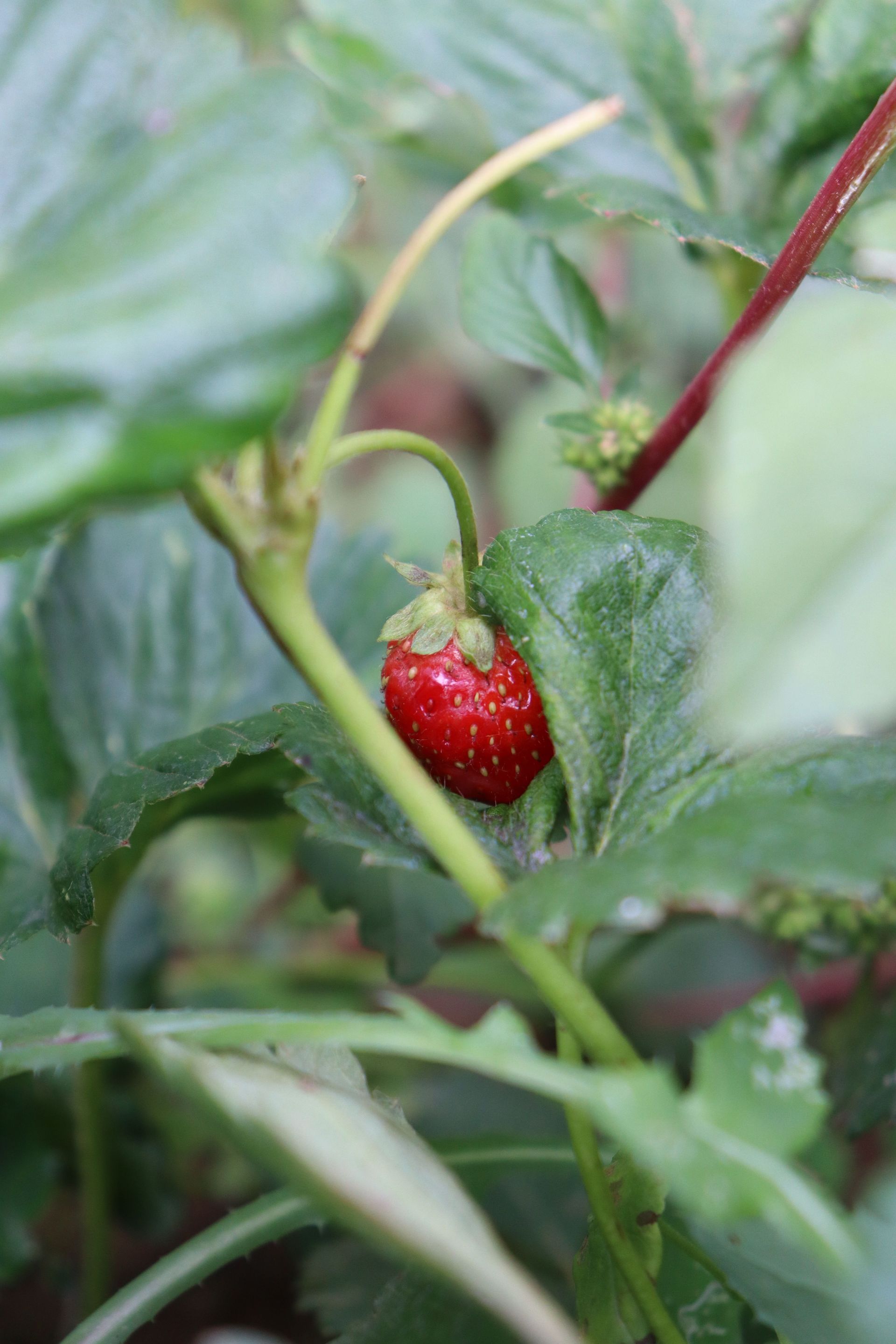
Strawberry farming in Kenya has rapidly transformed from a small backyard activity into one of the most profitable high-value fruit farming ventures in the country. Whether you want to grow strawberries on a balcony in Nairobi, inside a greenhouse in Kiambu, or on a full commercial farm in Nakuru, strawberries offer one major advantage:
👉 Fast returns with high market demand.
Unlike fruit trees that take years to mature, strawberries can begin producing within 3–4 months after planting.
This detailed guide covers everything you need to know about strawberry seedlings in Kenya, including:
- Best strawberry varieties
- Balcony growing techniques
- Greenhouse strawberry farming
- Open-field production
- Irrigation and feeding
- Pest management
- Yield expectations
- Profitability
- Expert tips from the Seedlink agronomy team
Why Strawberry Farming is Booming in Kenya
Strawberries are among the most demanded premium fruits in Kenya today.
They are used in:
- Smoothies
- Yoghurts
- Cakes
- Desserts
- Jams
- Juices
- Supermarket fresh fruit sections
Urban consumers increasingly prefer strawberries because of:
- Their taste
- Health benefits
- Attractive appearance
- Premium image
At the same time, local production still struggles to meet demand.
Retail strawberries in Nairobi supermarkets often sell at:
- KSh 800–1,200 per kg equivalent in premium packaging.
Farm gate prices commonly range between:
- KSh 250–600 per kg depending on quality and season.
This makes strawberries one of the highest-value crops per square meter in Kenya.
Why Start with Certified Strawberry Seedlings
The success of your strawberry project starts with one thing:
👉 Quality planting material.
Certified seedlings offer:
- Faster establishment
- Better disease resistance
- Uniform fruiting
- Higher yields
- Better fruit quality
Poor-quality runners or infected seedlings can destroy an entire project.
⭐ Highly Recommended Supplier in Kenya
For certified, healthy strawberry seedlings:
Seedlink Kenya
🌐
Seedlink Kenya
📞 Call/WhatsApp: +254740 712 579
📧 Email:
sales@seedlink.co.ke
Why Farmers Prefer Seedlink
- Certified disease-free seedlings
- High-yielding varieties
- Professional agronomy support
- Greenhouse and irrigation guidance
- Trusted by commercial growers across Kenya
Seedlink supports growers from:
- Balcony gardeners
- Beginner farmers
- Commercial greenhouse investors
Best Strawberry Varieties in Kenya
Choosing the right variety determines:
- Yield
- Fruit size
- Sweetness
- Shelf life
- Market value
1. Chandler Strawberry
One of the most popular commercial varieties in Kenya.
Features
✔ Large fruits
✔ Sweet flavor
✔ High yields
✔ Excellent fresh market performance
Widely preferred by commercial farmers.
2. Sweet Charlie
Features
✔ Early fruiting
✔ Very sweet berries
✔ Good for local markets
Excellent for beginners and balcony growers.
3. Douglas
Features
✔ Firm berries
✔ Good disease resistance
✔ Suitable for cooler highlands
Performs well in:
- Nyeri
- Limuru
- Kericho
4. Fern Strawberry
Features
✔ High yielding
✔ Strong disease tolerance
✔ Adaptable to different climates
Popular among greenhouse growers.
5. Aiko Strawberry
Features
✔ Heat tolerant
✔ Greenhouse friendly
✔ Consistent fruit size
Ideal for warmer areas using protected farming.
Can Strawberries Grow on a Balcony?
Yes — and surprisingly well.
One reason strawberries are becoming popular in urban Kenya is because they:
- Require little space
- Have shallow roots
- Perform well in containers and pots
According to growers and horticultural communities, strawberries thrive in:
- Pots
- Hanging baskets
- Vertical towers
- Balcony planters
- Grow bags
Balcony Strawberry Growing Guide
Requirements
Containers
Use:
- Pots
- Hanging baskets
- Grow bags
- PVC vertical towers
Minimum depth:
- 15–20 cm
Soil Mix
Ideal mix:
- Compost
- Coco peat
- Loamy soil
- Sand for drainage
Sunlight
Strawberries require:
- 6–8 hours of sunlight daily.
Balconies facing:
- East
- North-east
- South-east
…usually perform best.
Watering
Balcony strawberries dry quickly.
Water:
- Lightly but consistently
- Avoid waterlogging
Feeding
Use:
- Organic compost tea
- NPK fertilizer
- Calcium and potassium supplements during fruiting
Greenhouse Strawberry Farming in Kenya
Greenhouse strawberry farming is becoming increasingly popular because it offers:
✔ Year-round production
✔ Better fruit quality
✔ Reduced disease pressure
✔ Cleaner fruits
✔ Higher yields
Why Greenhouse Strawberries Perform Better
Inside a greenhouse, farmers can control:
- Temperature
- Humidity
- Irrigation
- Nutrition
This creates:
- Faster growth
- More uniform berries
- Better market quality
Greenhouse Growing Systems
Modern strawberry greenhouses use:
- Raised troughs
- Coco peat bags
- Vertical towers
- Hydroponic systems
Vertical Strawberry Farming
Vertical systems are becoming extremely popular because they:
- Save space
- Improve airflow
- Keep fruits off the ground
- Reduce fungal diseases
According to vertical farming growers:
- Elevated strawberries reduce rot and mildew problems.
Modern systems can dramatically increase production per square meter.
Greenhouse Climate Requirements
Ideal conditions:
Temperature
- 18°C–26°C
Humidity
- 60–75%
Ventilation
Critical for preventing:
- Powdery mildew
- Botrytis
- Rot diseases
Best Areas for Strawberry Farming in Kenya
Strawberries thrive in cool and moderate climates.
Top Regions
- Kiambu
- Murang’a
- Nyeri
- Nakuru
- Kericho
- Meru
- Kisii
- Eldoret
Soil Requirements
Strawberries prefer:
✔ Well-drained sandy loam
✔ Rich organic matter
✔ Soil pH: 5.5–6.5
Avoid:
- Waterlogged soils
- Heavy clay soils
How to Plant Strawberry Seedlings
Step 1: Land Preparation
- Remove weeds
- Loosen soil deeply
- Add manure or compost
Raised beds improve drainage and aeration.
Step 2: Bed Preparation
Recommended:
- Raised beds
- Plastic mulch or dry mulch
Benefits:
- Weed suppression
- Moisture conservation
- Cleaner fruits
Step 3: Spacing
Common spacing:
- 30 cm × 30 cm
- 30 cm × 45 cm
This accommodates:
- 25,000–30,000 plants per acre.
Step 4: Irrigation
Drip irrigation is highly recommended.
Benefits:
- Water efficiency
- Reduced diseases
- Better fertigation
Strawberry Care Guide
1. Irrigation
Strawberries require:
- Consistent moisture
- Not waterlogging
Water stress causes:
- Small berries
- Poor yields
2. Fertilization
Early Stage
Focus on:
- Root establishment
- Vegetative growth
Use:
- Organic manure
- Balanced NPK
Fruiting Stage
Increase:
- Potassium
- Calcium
This improves:
- Fruit sweetness
- Firmness
- Shelf life
3. Mulching
Mulching is essential.
Benefits:
✔ Weed control
✔ Moisture conservation
✔ Cleaner fruits
✔ Reduced fungal infection
4. Pollination
Open-field strawberries rely on:
- Wind
- Bees
- Insects
Greenhouse systems may require:
- Better airflow
- Pollinator access
Common Pests & Diseases
Common Pests
- Aphids
- Spider mites
- Thrips
- Slugs
Common Diseases
- Powdery mildew
- Botrytis
- Root rot
Prevention Measures
✔ Good airflow
✔ Raised systems
✔ Mulching
✔ Drip irrigation
✔ Disease-free seedlings
Harvesting Strawberries
Strawberries mature quickly.
Most fruits are ready:
- 25–30 days after pollination.
Harvesting Tips
Pick fruits when:
- Fully red
- Firm
Harvest:
- Early morning
- During cool temperatures
This improves shelf life.
Yield Expectations
Open Field
Typical yields:
- 15–25 tonnes per acre annually.
Well-managed farms can exceed:
- 30 tonnes per acre.
Greenhouse Production
Greenhouse systems can achieve:
- 30–50 tonnes per acre annually under intensive management.
Balcony Production
Even a small balcony setup can produce:
- Weekly household harvests
- Premium fresh berries
- Side income from direct sales
Profitability of Strawberry Farming in Kenya
Strawberries are among the fastest-return crops.
Example (1 Acre Open Field)
Scenario
- Yield: 20 tonnes
- Farm gate price: KSh 300/kg
👉 Revenue:
- KSh 6 million annually
Why Strawberries Are Profitable
✔ Fast maturity
✔ High market demand
✔ Small space requirement
✔ Multiple harvests annually
✔ Premium pricing
Value Addition Opportunities
Strawberries can be processed into:
- Jam
- Juice
- Syrups
- Yoghurt mixes
- Desserts
This increases profits significantly.
Seedlink Agronomy Team Pro Tips 🌱
1. Start with Certified Seedlings
Healthy planting material determines:
- Yield
- Disease resistance
- Fruit quality
2. Invest in Drip Irrigation
Strawberries hate inconsistent watering.
3. Use Raised Beds
This improves:
- Drainage
- Root aeration
- Disease prevention
4. Prioritize Mulching
Mulch protects fruits from:
- Rot
- Mud
- Fungal infections
5. Grow Vertically if Space is Limited
Balcony and greenhouse growers can maximize small spaces using:
- Towers
- Hanging systems
- Shelves
6. Focus on Market Quality
Large, sweet, firm berries attract premium prices.
7. Plan Markets Early
Target:
- Supermarkets
- Cafes
- Hotels
- Juice shops
- Online fruit delivery businesses
Common Mistakes to Avoid
❌ Buying infected seedlings
❌ Overwatering
❌ Poor drainage
❌ Planting in heavy clay soil
❌ Poor airflow in greenhouses
❌ Harvesting overripe fruits
Final Thoughts
Strawberry farming in Kenya is one of the most exciting opportunities in modern horticulture.
Whether you:
- Have a balcony
- Own a greenhouse
- Or manage several acres
…strawberries offer:
✔ Fast income
✔ High demand
✔ Scalable production
✔ Premium market opportunities
Success depends on:
👉 Quality seedlings
👉 Good irrigation
👉 Proper nutrition
👉 Consistent management
Ready to Start Your Strawberry Project?
Get certified strawberry seedlings and professional support from:
Seedlink Kenya
🌐
Seedlink Kenya Official Website
📞 +254 740 712 579
📧
sales@seedlink.co.ke