Orange Seedlings in Kenya: Best Varieties and Farming Guide
Orange Seedlings in Kenya: Best Varieties and Farming Guide (2026)
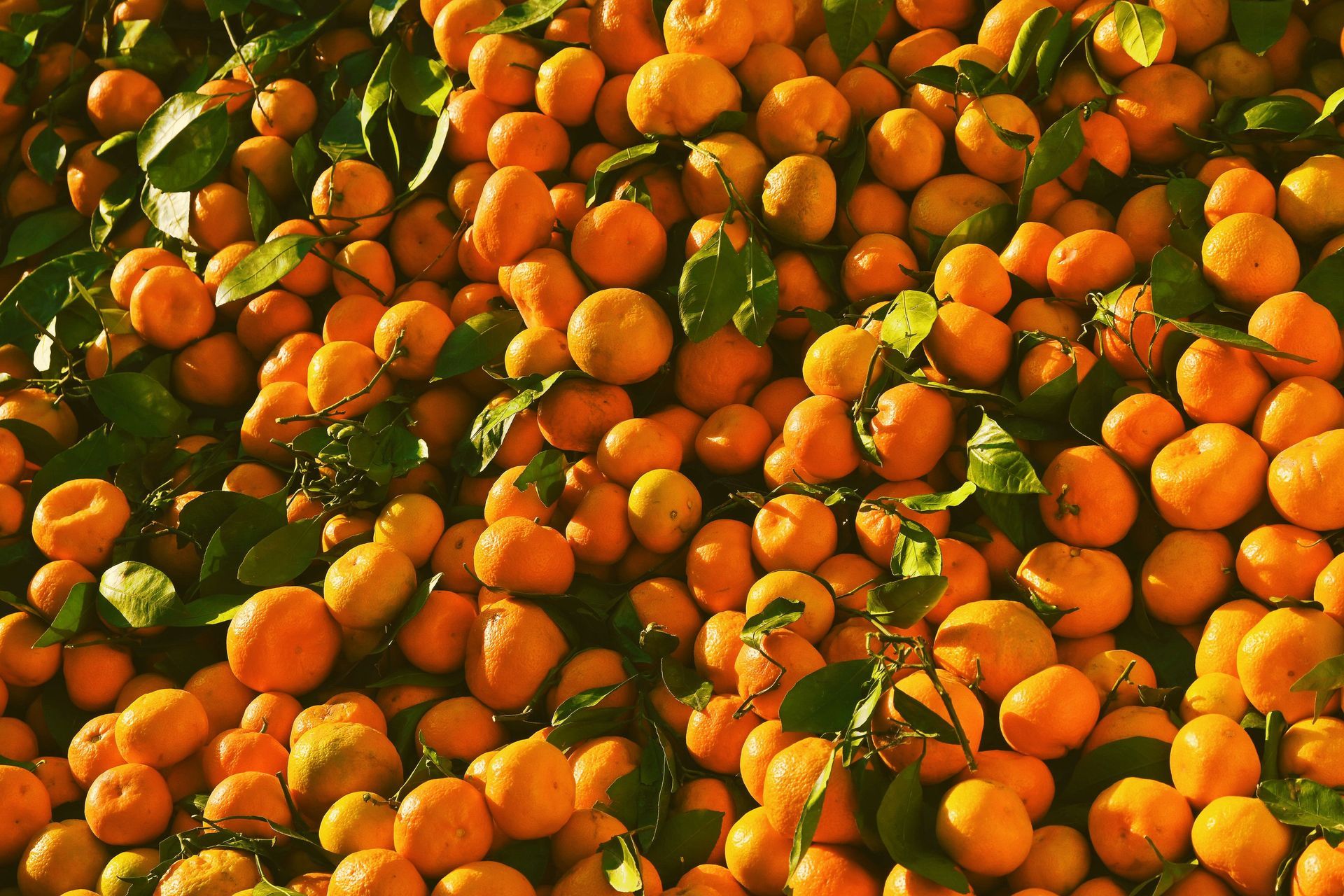
Orange farming in Kenya is one of the most profitable and scalable fruit agribusiness opportunities today. With strong local demand, growing processing industries, and expanding export markets, oranges are quickly becoming a high-income perennial crop for both smallholder farmers and commercial investors.
If you’re planning to venture into citrus farming, this comprehensive guide will walk you through everything you need to know about orange seedlings in Kenya—from choosing the best varieties to planting, care, and maximizing profits.
Why Orange Farming is Growing in Kenya
Citrus fruits, especially oranges, are among the most consumed fruits in Kenya, yet local production still struggles to meet demand.
This creates a huge market opportunity for farmers.
Key drivers include:
- Rising demand in households and juice processing
- Increased health awareness (Vitamin C, immunity)
- Growing urban population
- Expanding supermarket supply chains
Orange farming is not just agriculture—it’s a business with consistent demand.
Why Start with Quality Orange Seedlings
Your orchard’s success depends heavily on seedling quality.
Benefits of Certified Grafted Seedlings
- Early fruiting (3–4 years vs 6–7 years)
- Higher yields
- Uniform fruit quality
- Disease resistance
Poor seedlings can cost you years of lost productivity.
⭐ Highly Recommended Supplier in Kenya
For high-quality, certified orange seedlings:
Seedlink Kenya
🌐 Website:
https://www.seedlink.co.ke
📞 Call/WhatsApp: +254 740 712 579
📧 Email: sales@seedlink.co.ke
Why Seedlink?
- Certified grafted citrus seedlings
- Strong rootstock for high survival
- High-yield varieties
- Professional agronomy support
- Trusted by commercial farmers
Seedlink goes beyond selling seedlings—they help you build a profitable citrus orchard system.
Best Orange Varieties in Kenya (High-Yield & Profitable)
Choosing the right variety is critical for success.
1. Valencia Orange (Commercial Champion)
- High juice content
- Ideal for processing and export
- Yields: 150–200 kg per tree annually
- Fruits in 3–4 years
👉 Best for: Commercial farmers and juice markets
2. Washington Navel
- Large, seedless fruits
- Sweet flavor
- High market demand
- Widely grown in Kenya
👉 Best for: Fresh fruit markets
3. Pixie Orange
- Sweet, seedless
- Easy to peel
- High local demand
- Performs well in multiple regions
👉 Best for: Local retail and supermarkets
4. Cara Cara Orange (Premium Variety)
- Pink-red flesh
- Sweet and seedless
- High-value export fruit
Yield potential:
- 20,000–35,000 kg per acre annually
👉 Best for: Premium markets and export
5. Blood Oranges
- Unique red flesh
- High antioxidant value
- Premium pricing
👉 Best for: Niche and export markets
Best Areas to Grow Oranges in Kenya
Orange farming thrives in:
- Machakos
- Makueni
- Kitui
- Murang’a
- Nyeri
- Coastal regions
These regions offer:
- Warm temperatures
- Adequate rainfall
- Suitable soils
Ideal Conditions for Orange Farming
Climate
- Temperature: 20°C–30°C
- Rainfall: 800–1,200mm
- Altitude: 0–1,800m
Soil Requirements
- Well-drained loam or sandy loam
- pH: 5.5–7.0
- High organic matter
Good drainage is critical—waterlogging damages roots.
How to Plant Orange Seedlings in Kenya
Step 1: Land Preparation
- Clear weeds
- Conduct soil testing
- Plough and level land
Step 2: Dig Planting Holes
Recommended size:
60cm × 60cm × 60cm
Mix soil with:
- 20–30kg manure
- Phosphate fertilizer
Step 3: Spacing
- Standard: 5m × 5m
- Trees per acre: ~150–200
Proper spacing ensures:
- Air circulation
- Disease control
- Maximum yield
Step 4: Planting
- Plant at onset of rains
- Keep graft union above soil
- Water immediately
Step 5: Mulching
Benefits:
- Moisture conservation
- Weed control
- Soil health improvement
Orange Tree Care Guide
1. Irrigation
Young trees:
- Water 2–3 times per week
Mature trees:
- Deep watering during dry periods
Avoid overwatering—it causes root rot.
2. Fertilization
Early Stage
- Organic manure
- Balanced NPK
Fruiting Stage
Focus on:
- Potassium → fruit quality
- Calcium → fruit retention
- Nitrogen → growth
3. Pruning
- Shape tree early
- Remove weak branches
- Maintain open canopy
Improves sunlight penetration and yield.
4. Weed Control
Keep area around trees clean to reduce competition.
Common Pests & Diseases
Pests
- Aphids
- Fruit flies
- Thrips
Diseases
- Citrus greening
- Root rot
- Leaf spot
Prevention:
✔ Good spacing
✔ Regular monitoring
✔ Integrated pest management
Yield Expectations
With proper management:
Per Tree
- 100–200 kg annually
Per Acre
- 20,000–35,000 kg depending on variety
Profitability of Orange Farming in Kenya
Let’s break it down:
Example (1 Acre)
- 200 trees
- 100 kg per tree
- Total: 20,000 kg
At KSh 40/kg:
👉 Revenue: KSh 800,000 per acre annually
Premium varieties can generate significantly higher income.
Seedlink Agronomy Team Pro Tips 🌱
1. Start with Certified Seedlings
Cheap seedlings = long-term losses.
2. Focus on Soil Health
Healthy soil leads to higher yields.
3. Invest in Irrigation
Consistent water = consistent production.
4. Prune Early
Tree structure determines productivity.
5. Intercrop in Early Years
Before trees mature, grow:
- Beans
- Vegetables
- Herbs
6. Monitor Pests Early
Prevention is cheaper than cure.
7. Harvest Strategically
Timing affects price and fruit quality.
Common Mistakes to Avoid
❌ Buying uncertified seedlings
❌ Poor spacing
❌ Overwatering
❌ Ignoring pruning
❌ No soil testing
❌ Poor pest management
Orange Farming as a Business
Orange farming offers:
✔ High demand
✔ Long-term production (15–25 years)
✔ Scalable business model
✔ Strong local and export markets
It works for:
- Smallholder farmers
- Commercial growers
- Agribusiness investors
Why Seedlink is the Best Place to Start
Success in citrus farming starts with the right foundation.
Seedlink offers:
- Certified grafted seedlings
- Expert agronomy guidance
- Orchard planning support
- Ongoing technical assistance
This significantly reduces risk and improves success rates.
Final Thoughts
Orange farming in Kenya is one of the most practical and profitable agribusiness opportunities in 2026.
With:
✔ Strong demand
✔ High yields
✔ Long-term returns
✔ Scalable production
…it remains a smart investment for farmers and entrepreneurs.
But success depends on:
👉 Quality seedlings
👉 Proper agronomy
👉 Consistent management
Ready to Start Your Orange Orchard?
Get certified, high-quality seedlings and expert support from:
Seedlink Kenya
🌐
https://www.seedlink.co.ke
📞 +254 740 712 579
📧 sales@seedlink.co.ke