Mango Seedlings in Kenya: Grafted Varieties and Farming Tips
Mango Seedlings in Kenya: Grafted Varieties and Farming Tips – Low Maintenance, High Returns Crop (2026)
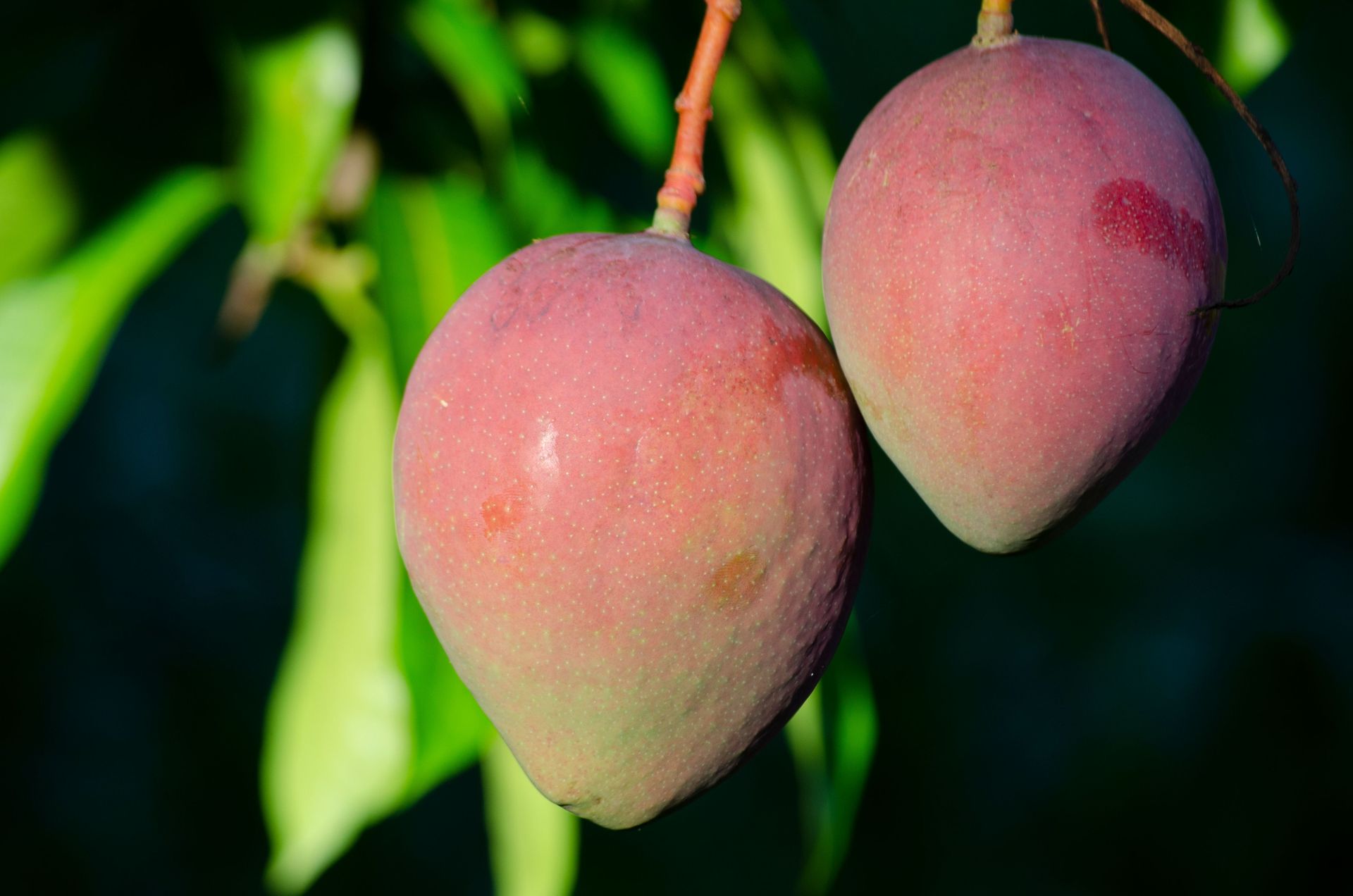
Mango farming in Kenya remains one of the most profitable fruit farming ventures for both small-scale and commercial farmers. Mangoes are widely loved for their sweet taste, high nutritional value, and strong local and export market demand. With proper orchard management and quality grafted seedlings, mango farming can become a long-term source of reliable income for decades.
Today, mangoes are consumed in:
- Homes
- Hotels
- Supermarkets
- Juice processing industries
- Export markets
- Schools
- Urban fruit markets
Kenya’s mango industry continues to grow due to:
✔ Increasing urban fruit demand
✔ Rising export opportunities
✔ Growth of fruit processing industries
✔ Expansion of health-conscious consumers
One of the biggest advantages of mango farming is that:
✔ Mango trees are relatively low maintenance after establishment
✔ Trees can remain productive for 30–40 years or more
✔ Grafted varieties mature faster
✔ Mangoes have strong market demand throughout the year
However, successful mango farming begins with:
👉 High-quality grafted mango seedlings.
This complete guide explains everything you need to know about mango seedlings in Kenya, including:
- Best grafted mango varieties
- Climate and soil requirements
- Planting methods
- Irrigation and fertilization
- Pest and disease management
- Yield expectations
- Profitability
- Expert agronomy tips from Seedlink Kenya
Why Mango Farming is Popular in Kenya
Mango farming is among Kenya’s largest fruit subsectors, with production taking place across many counties. Mangoes are grown in:
- Eastern Kenya
- Coastal Kenya
- Central Kenya
- Rift Valley
- Western Kenya
The crop is highly attractive because of:
✔ Strong local demand
✔ Export potential
✔ Long orchard lifespan
✔ Value addition opportunities
✔ High profitability potential
Well-managed orchards can generate substantial long-term income for farmers.
Why Grafted Mango Seedlings are Important
Modern commercial mango farming relies heavily on grafted seedlings instead of ordinary seed-grown trees.
Grafted seedlings are produced by joining:
- A strong rootstock
- A high-performing fruiting variety (scion)
This improves:
✔ Fruit quality
✔ Yield consistency
✔ Disease resistance
✔ Early maturity
Grafted mangoes begin fruiting much earlier than seed-grown trees. Seedlings from seed may take 7–10 years or more to fruit, while grafted varieties can begin producing within 2.5–4 years under proper management.
⭐ Best Place to Buy Mango Seedlings in Kenya
For certified, healthy grafted mango seedlings:
Seedlink Kenya
📞 Call/WhatsApp: +254 740 712 579
📧 Email:
sales@seedlink.co.ke
Why Farmers Prefer Seedlink
- Certified grafted mango seedlings
- High-yielding commercial varieties
- Professional agronomy support
- Orchard establishment guidance
- Trusted by Kenyan fruit farmers
Seedlink supports:
- Commercial orchard projects
- Beginner fruit farmers
- Irrigated fruit farming systems
- Export-focused growers
Best Grafted Mango Varieties in Kenya
Choosing the right variety determines:
- Market demand
- Fruit quality
- Yield potential
- Profitability
- Export suitability
1. Apple Mango
One of the most popular mango varieties in Kenya.
Features
✔ Sweet flavor
✔ Attractive red-yellow skin
✔ Strong local demand
✔ Good export potential
Apple mangoes are highly preferred in:
- Supermarkets
- Urban markets
- Export channels
2. Kent Mango
A premium commercial variety.
Features
✔ Large fruits
✔ Fiberless flesh
✔ Excellent juice quality
✔ Strong export demand
Kent mangoes are ideal for:
- Juice processing
- Fresh fruit export
- Premium markets
3. Tommy Atkins Mango
Widely grown for export.
Features
✔ Long shelf life
✔ Attractive color
✔ Good transport tolerance
✔ Strong export performance
Suitable for:
- Export markets
- Commercial orchards
- Long-distance transport
4. Ngowe Mango
A traditional Kenyan favorite.
Features
✔ Sweet taste
✔ Elongated fruits
✔ Strong local market demand
Popular in:
- Coastal regions
- Local fresh fruit market
5. Van Dyke Mango
Known for its attractive appearance.
Features
✔ Red-yellow fruits
✔ Sweet flavor
✔ Good market appeal
Excellent for premium fresh fruit markets.
6. Alphonso Mango
A premium exotic variety.
Features
✔ Rich flavor
✔ Sweet aroma
✔ Premium pricing
Often attracts high-value markets.
Best Areas for Mango Farming in Kenya
Mangoes perform best in warm tropical and subtropical climates.
Recommended Regions
- Makueni
- Machakos
- Kitui
- Embu
- Meru
- Kilifi
- Malindi
- Kwale
- Murang’a
- parts of Rift Valley
Climate Requirements for Mango Farming
Temperature
Ideal temperature range:
- 20°C–30°C
Mangoes thrive in:
✔ Warm climates
✔ Full sunlight
✔ Moderate humidity
Excessively cold conditions may reduce:
- Flowering
- Fruit set
- Productivity
Rainfall
Recommended annual rainfall:
- 850–1,100 mm
Too much rainfall during flowering may encourage:
- Anthracnose
- Powdery mildew
- Poor fruit set
Altitude
Best altitude:
- 0–1,800 meters above sea level depending on variety
Soil Requirements
Mangoes perform best in:
✔ Well-drained sandy loam soils
✔ Deep fertile soils
✔ Organic-rich soils
✔ Soil pH: 5.5–7.5
Why Drainage Matters
Poor drainage may cause:
- Root rot
- Weak growth
- Disease outbreaks
Avoid:
❌ Waterlogged soils
❌ Heavy compacted clay soils
How to Plant Mango Seedlings
Step 1: Land Preparation
- Clear weeds
- Deep plough
- Add organic manure
Step 2: Soil Testing
Before planting:
- Test soil pH
- Assess nutrient levels
- Evaluate drainage
Step 3: Dig Planting Holes
Recommended hole size:
- 2 ft × 2 ft × 2 ft
Mix topsoil with:
- Organic manure
- Compost
Allow holes to settle before planting.
Step 4: Spacing
Spacing depends on variety and orchard system.
Common spacing:
- 5 m × 5 m
- 8 m × 8 m
- 10 m × 10 m
Proper spacing improves:
✔ Airflow
✔ Sunlight penetration
✔ Fruit quality
✔ Disease control
Step 5: Planting
- Plant during rainy season if possible
- Water immediately after planting
- Avoid deep planting
Step 6: Mulching
Mulching helps:
✔ Retain moisture
✔ Suppress weeds
✔ Improve soil health
✔ Reduce soil erosion
Best mulch materials:
- Dry grass
- Straw
- Compost
Irrigation for Mango Farming
Young mango orchards require consistent moisture for establishment.
Drip irrigation is highly recommended because it:
✔ Saves water
✔ Improves efficiency
✔ Supports faster growth
Irrigation improves:
- Early canopy development
- Flowering
- Fruit quality
Fertilization
Mangoes respond well to balanced nutrition.
Early Growth Stage
Focus on:
- Root development
- Vegetative growth
Use:
- Organic manure
- Balanced NPK fertilizer
Fruiting Stage
Increase:
- Potassium
- Calcium
This improves:
✔ Fruit sweetness
✔ Fruit size
✔ Shelf life
Pruning Mango Trees
Pruning is essential for:
✔ Airflow
✔ Tree shape management
✔ Disease control
✔ Easier harvesting
Remove:
- Weak branches
- Diseased branches
- Overcrowded growth
Good pruning improves orchard productivity.
Flowering and Fruiting
Grafted mango trees generally begin fruiting:
- 2.5–4 years after planting depending on management and variety.
Seed-grown mangoes may take significantly longer.
Yield Expectations
Under proper management:
- Mature grafted trees may produce 400–1,000 fruits annually depending on variety and care.
Commercial orchards under irrigation and proper management can achieve very high productivity.
Common Pests & Diseases
Common Pests
- Fruit flies
- Mango weevils
- Aphids
- Thrips
Common Diseases
- Anthracnose
- Powdery mildew
- Bacterial black spot
Prevention Measures
✔ Certified seedlings
✔ Orchard sanitation
✔ Proper spacing
✔ Pruning
✔ Integrated pest management
Harvesting Mangoes
Harvest when:
✔ Fruits mature properly
✔ Skin color changes
✔ Fruit shoulders flatten
Harvest carefully to avoid bruising.
Proper post-harvest handling improves:
- Shelf life
- Market value
- Export quality
Profitability of Mango Farming in Kenya
Mango farming offers excellent long-term profitability due to:
✔ Strong local demand
✔ Export opportunities
✔ Value addition potential
✔ Long orchard lifespan
Well-managed orchards can generate substantial income annually.
Premium export varieties attract higher prices in:
- Export markets
- Supermarkets
- Hotels
- Juice processors
Value Addition Opportunities
Mangoes can be processed into:
- Juice
- Dried mangoes
- Jam
- Puree
- Smoothies
- Fruit concentrates
Value addition significantly improves profitability.
Seedlink Agronomy Team Pro Tips 🌱
1. Use Certified Grafted Seedlings
Grafted trees mature faster and provide uniform fruits.
2. Prioritize Orchard Planning
Good spacing improves long-term productivity.
3. Invest in Drip Irrigation
Efficient irrigation improves fruit quality and yields.
4. Mulch Heavily
Mulching conserves moisture and improves soil health.
5. Prune Regularly
Proper canopy management improves airflow and disease control.
6. Focus on Marketable Varieties
Kent, Apple, Tommy Atkins, and Ngowe have strong market demand.
7. Control Fruit Flies Early
Fruit fly management is critical for export-quality fruits.
Common Mistakes to Avoid
❌ Using seed-grown mangoes instead of grafted seedlings
❌ Poor spacing
❌ Weak irrigation planning
❌ Poor pruning
❌ Delayed pest control
❌ Poor market planning
Final Thoughts
Mango farming in Kenya remains one of the best long-term fruit farming investments because of:
✔ Strong demand
✔ Long orchard lifespan
✔ High profitability
✔ Export opportunities
✔ Value addition potential
With proper orchard management and quality grafted seedlings, mango farming can become a highly profitable agribusiness venture for decades.
However, success depends on:
👉 Quality seedlings
👉 Good irrigation
👉 Proper orchard management
👉 Disease control
👉 Professional agronomy support
Ready to Start Your Mango Orchard?
Get certified grafted mango seedlings and expert technical support from:
Seedlink Kenya Official Website
📞 +254 740 712 579
📧
sales@seedlink.co.ke