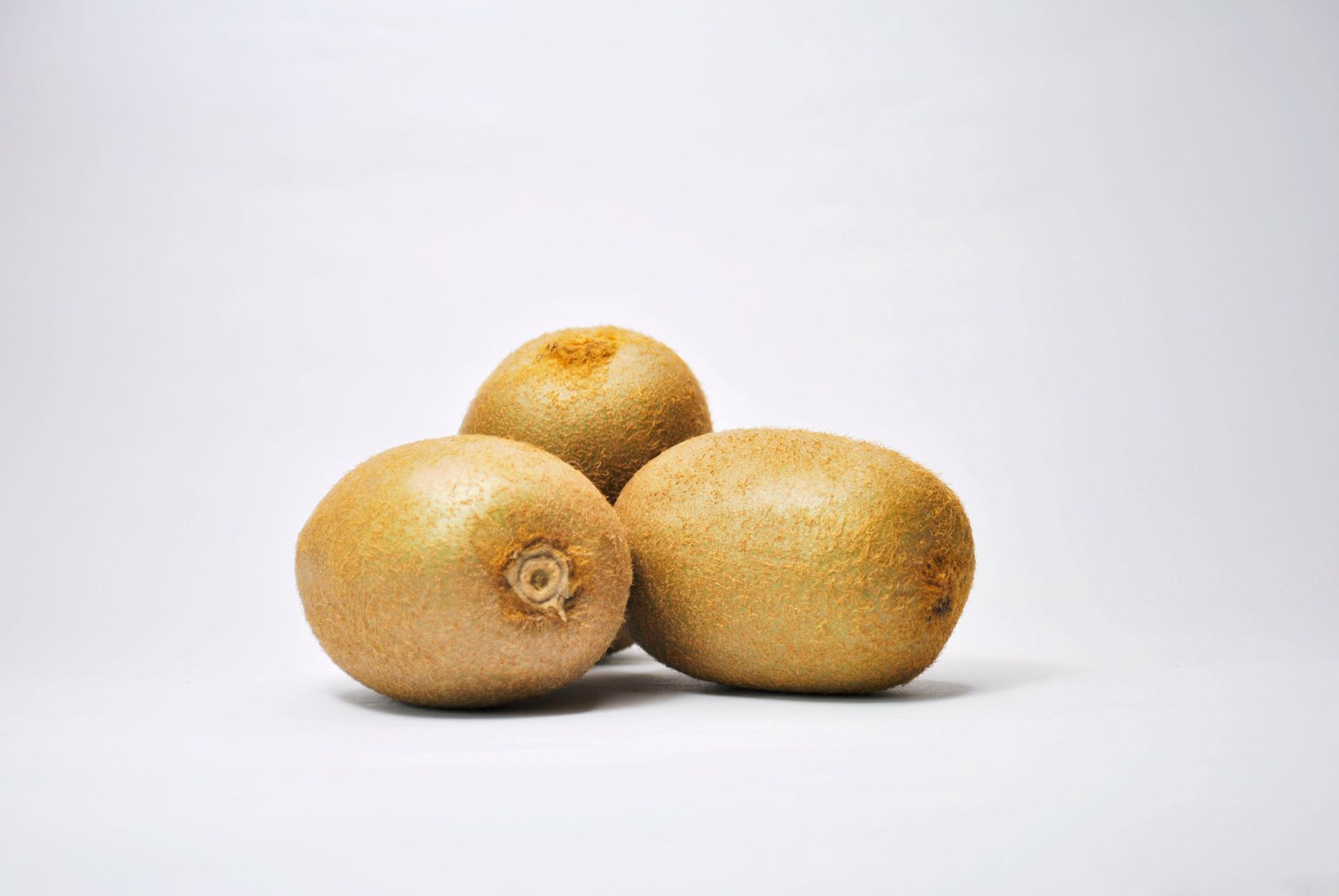
Kiwi Seedlings in Kenya: How to Grow This High-Value Fruit Crop
Kiwi Seedlings in Kenya: Planting, Care & Profit Guide (2026)
Kiwi farming in Kenya is quickly becoming one of the most promising opportunities in high-value fruit production. Once considered an exotic fruit only grown in countries like New Zealand and Italy, kiwi fruit is now attracting attention from progressive Kenyan farmers looking for profitable alternatives to traditional crops.
With increasing demand from:
- Supermarkets
- Hotels
- Health-conscious consumers
- Juice and smoothie businesses
- Export markets
…kiwi farming presents a major opportunity for growers who want to enter premium horticulture.
Kiwi fruit is highly valued because it is:
✔ Rich in Vitamin C
✔ Packed with antioxidants
✔ Popular in healthy diets
✔ Considered a premium exotic fruit
Since local production in Kenya is still limited, farmers who establish kiwi orchards early may benefit from:
- High prices
- Limited competition
- Growing consumer demand
- Strong future market potential
This comprehensive guide explains everything you need to know about kiwi seedlings in Kenya, including:
- Best kiwi varieties
- Climate and soil requirements
- Planting techniques
- Trellising systems
- Irrigation and pruning
- Pollination
- Yields and profitability
- Expert agronomy tips from Seedlink Kenya
Can Kiwi Grow Successfully in Kenya?
Yes — kiwi fruit can grow successfully in Kenya under the right conditions.
Kiwi thrives in:
- Cool highland climates
- Well-drained fertile soils
- Moderate temperatures
- Areas with reliable irrigation
Several regions in Kenya already provide suitable conditions for kiwi farming, especially:
- Kiambu
- Limuru
- Nyeri
- Kericho
- Nandi
- Eldoret
- Parts of the Rift Valley
- Aberdare regions
However, kiwi is a technical crop and requires:
- Proper orchard planning
- Good support systems
- Pollination management
- Consistent care
With the right management, kiwi farming can become one of the most profitable long-term fruit farming investments in Kenya.
Why Kiwi Farming is Becoming Popular in Kenya
Consumer demand for exotic fruits is rising rapidly in Kenya.
Urban consumers increasingly want:
- Healthy foods
- Imported-style fruits
- Premium fruit experiences
Kiwi fits perfectly into this market.
Most kiwi fruits sold in Kenya are still imported, meaning local production has a huge opportunity to fill the gap.
Benefits of Kiwi Farming
Kiwi farming offers:
✔ High market value
✔ Premium supermarket demand
✔ Export potential
✔ Long productive lifespan
✔ Attractive profit margins
Unlike many common fruits, kiwi is still considered a specialty crop in Kenya, giving farmers a chance to enter the market early.
Why High-Quality Kiwi Seedlings Matter
The success of a kiwi orchard starts with quality seedlings.
Poor-quality planting material can lead to:
❌ Weak vines
❌ Poor fruiting
❌ Low yields
❌ Disease problems
Certified seedlings offer:
✔ Better establishment
✔ Strong root systems
✔ Improved disease resistance
✔ Higher productivity
✔ Better fruit quality
⭐ Recommended Place to Buy Kiwi Seedlings in Kenya
For certified, healthy kiwi seedlings:
Seedlink Kenya
📞 Call/WhatsApp: +254 740 712 579
📧 Email:
sales@seedlink.co.ke
Why Farmers Prefer Seedlink
- Certified quality seedlings
- Professional agronomy support
- Orchard setup guidance
- Trusted by Kenyan fruit farmers
- High-performing fruit varieties
Seedlink supports:
- Small-scale growers
- Commercial orchards
- Greenhouse projects
- Beginner farmers
Best Kiwi Varieties for Kenya
Choosing the right variety affects:
- Yield
- Fruit quality
- Market value
- Climate adaptability
1. Hayward Kiwi
The Hayward variety is the most popular commercial kiwi worldwide.
Features
✔ Large fruits
✔ Excellent taste
✔ Strong market demand
✔ Long shelf life
This variety is highly recommended for commercial orchards.
2. Bruno Kiwi
Features
✔ Vigorous growth
✔ Good productivity
✔ Sweet fruits
Suitable for cool Kenyan highlands.
3. Monty Kiwi
Features
✔ Heavy yields
✔ Strong vine growth
✔ Good adaptability
Often used alongside other varieties for better pollination.
Understanding Male and Female Kiwi Plants
One unique thing about kiwi farming:
👉 Most kiwi plants are either male or female.
- Male plants produce pollen
- Female plants produce fruits
Without proper pollination, fruit production will be poor.
Recommended Pollination Ratio
Most growers use:
- 1 male plant for every 6–8 female plants
This is critical for successful fruiting.
Best Areas for Kiwi Farming in Kenya
Kiwi grows best in cool highland climates.
Recommended Regions
- Kiambu
- Limuru
- Nyeri
- Kericho
- Nandi
- Nakuru highlands
- Eldoret
- Aberdare areas
These regions offer:
✔ Cool temperatures
✔ Fertile soils
✔ Reliable rainfall
Climate Requirements for Kiwi Farming
Kiwi vines are sensitive to harsh climates.
Temperature
Ideal range:
- 10°C–25°C
Excessive heat can reduce:
- Fruit quality
- Flowering
- Productivity
Altitude
Best altitude:
- 1,500–2,700 meters above sea level
Rainfall
Recommended annual rainfall:
- 900–1,500 mm
Irrigation is still necessary during dry periods.
Soil Requirements for Kiwi
Kiwi performs best in:
✔ Deep fertile soils
✔ Well-drained loam soils
✔ Organic-rich soils
✔ Soil pH of 5.5–6.5
Why Drainage is Critical
Poor drainage causes:
- Root rot
- Disease outbreaks
- Weak growth
Avoid:
❌ Waterlogged soils
❌ Heavy compacted clay soils
Raised beds may help improve drainage.
Trellising Systems for Kiwi Farming
Kiwi is a climbing vine, not a tree.
This means support systems are essential.
Common Kiwi Trellis Systems
T-Bar Trellis
The most common commercial support system.
Benefits:
✔ Easy pruning
✔ Better sunlight penetration
✔ Easier harvesting
Pergola System
Creates overhead vine canopies.
Benefits:
✔ High yields
✔ Better fruit exposure
However, it requires higher investment.
Why Trellising is Important
Proper support systems:
✔ Improve airflow
✔ Reduce disease
✔ Increase fruit quality
✔ Simplify harvesting
How to Plant Kiwi Seedlings
Step 1: Soil Testing
Before planting:
- Test soil pH
- Assess drainage
- Check nutrient levels
Step 2: Land Preparation
- Clear weeds
- Add organic manure
- Prepare trellis systems early
Step 3: Dig Planting Holes
Recommended hole size:
- 60 cm × 60 cm × 60 cm
Mix topsoil with:
- Compost
- Organic manure
Step 4: Spacing
Recommended spacing:
- 4–5 meters between plants
- 5–6 meters between rows
This allows vines enough room to spread.
Step 5: Mulching
Mulching helps:
✔ Retain moisture
✔ Reduce weeds
✔ Improve soil health
✔ Protect roots
Best mulch materials:
- Dry grass
- Straw
- Pine bark
- Sawdust
Irrigation for Kiwi Farming
Kiwi vines require consistent moisture.
Drip irrigation is highly recommended because it:
✔ Saves water
✔ Improves nutrient efficiency
✔ Reduces disease pressure
Water stress can cause:
- Small fruits
- Poor flowering
- Reduced yields
Fertilization
Kiwi vines are heavy feeders.
Early Growth Stage
Focus on:
- Root development
- Vine growth
Use:
- Organic manure
- Balanced NPK fertilizers
Fruiting Stage
Increase:
- Potassium
- Calcium
This improves:
✔ Fruit size
✔ Sweetness
✔ Shelf life
Pruning Kiwi Vines
Pruning is one of the most important orchard management practices.
Without pruning:
- Vines become overcrowded
- Sunlight penetration reduces
- Disease pressure increases
Benefits of Proper Pruning
✔ Better airflow
✔ Higher fruit quality
✔ Easier harvesting
✔ Improved productivity
Common Pests & Diseases
Common Pests
- Aphids
- Spider mites
- Thrips
- Scale insects
Common Diseases
- Root rot
- Powdery mildew
- Bacterial infections
Prevention Measures
✔ Good drainage
✔ Proper spacing
✔ Certified seedlings
✔ Drip irrigation
✔ Good orchard hygiene
Flowering and Fruiting
Kiwi vines usually begin fruiting:
- 3–4 years after planting
Full production may occur:
- 5–7 years after establishment
Yield Expectations
Under proper management:
- Mature kiwi vines can produce 30–80 kg per vine annually.
Profitability of Kiwi Farming in Kenya
Kiwi is considered a premium fruit crop.
Retail prices in Kenya often range between:
- KSh 50–150 per fruit depending on size and quality.
Why Kiwi Farming Can Be Profitable
✔ Premium fruit pricing
✔ Growing health-food market
✔ Export opportunities
✔ Long-term orchard productivity
✔ Limited local competition
Best Markets for Kiwi Fruits
Target:
- Supermarkets
- Hotels
- Fruit processors
- Juice bars
- Health-food stores
- Export buyers
Premium quality fruits attract premium prices.
Value Addition Opportunities
Kiwi fruits can also be processed into:
- Juice
- Smoothies
- Desserts
- Fruit salads
- Dried fruit products
Value addition increases profitability and market flexibility.
Seedlink Agronomy Team Pro Tips 🌱
1. Start with Certified Seedlings
Healthy seedlings determine orchard success.
2. Build Strong Trellis Systems Early
Kiwi vines become heavy as they mature.
3. Prioritize Pollination Planning
Always ensure proper male-to-female ratios.
4. Invest in Drip Irrigation
Consistent moisture improves yields and fruit quality.
5. Prune Regularly
Pruning dramatically improves:
- Airflow
- Fruit quality
- Productivity
6. Focus on Premium Markets
Kiwi performs best as a high-value specialty fruit.
7. Start Small and Scale Gradually
Kiwi farming is technical.
Build knowledge before expanding aggressively.
Common Mistakes to Avoid
❌ Buying poor-quality seedlings
❌ Weak trellis systems
❌ Poor pollination planning
❌ Overcrowding vines
❌ Poor drainage
❌ Lack of pruning
Final Thoughts
Kiwi farming in Kenya offers one of the most exciting opportunities in premium horticulture.
With:
✔ High market prices
✔ Growing consumer demand
✔ Export potential
✔ Limited local competition
…kiwi fruit could become one of Kenya’s next major high-value fruit crops.
However, success depends on:
👉 Quality seedlings
👉 Good orchard planning
👉 Proper trellising
👉 Consistent irrigation
👉 Professional agronomy support
Ready to Start Your Kiwi Orchard?
Get certified kiwi seedlings and professional technical support from:
Seedlink Kenya Official Website
📞 +254 740 712 579
📧
sales@seedlink.co.ke