How to Turn Tree Seedlings into a Profitable Agribusiness in Kenya
Tree farming in Kenya is no longer just a hobby for environmental enthusiasts—it has become a lucrative agribusiness opportunity. With the growing demand for timber, fruit, and ornamental trees, as well as government and corporate tree planting programs, savvy farmers are turning tree seedlings into sustainable sources of income.
This guide will show you step by step how to start, manage, and profit from tree seedling farming in Kenya, using best practices and insights from the local market.
Table of Contents
- Why Tree Seedlings Are a Profitable Business in Kenya
- Choosing the Right Tree Seedlings
- How to Start a Tree Seedling Nursery
- Understanding Seedling Costs and Pricing
- Marketing Your Seedlings
- Scaling Your Tree Seedling Business
- Using Seedlink to Access Buyers and Nurseries
- Tips for Success and Avoiding Common Mistakes
- Conclusion
1. Why Tree Seedlings Are a Profitable Business in Kenya
Kenya’s tree farming sector has tremendous potential, thanks to:
- High demand for timber and firewood from construction and energy sectors
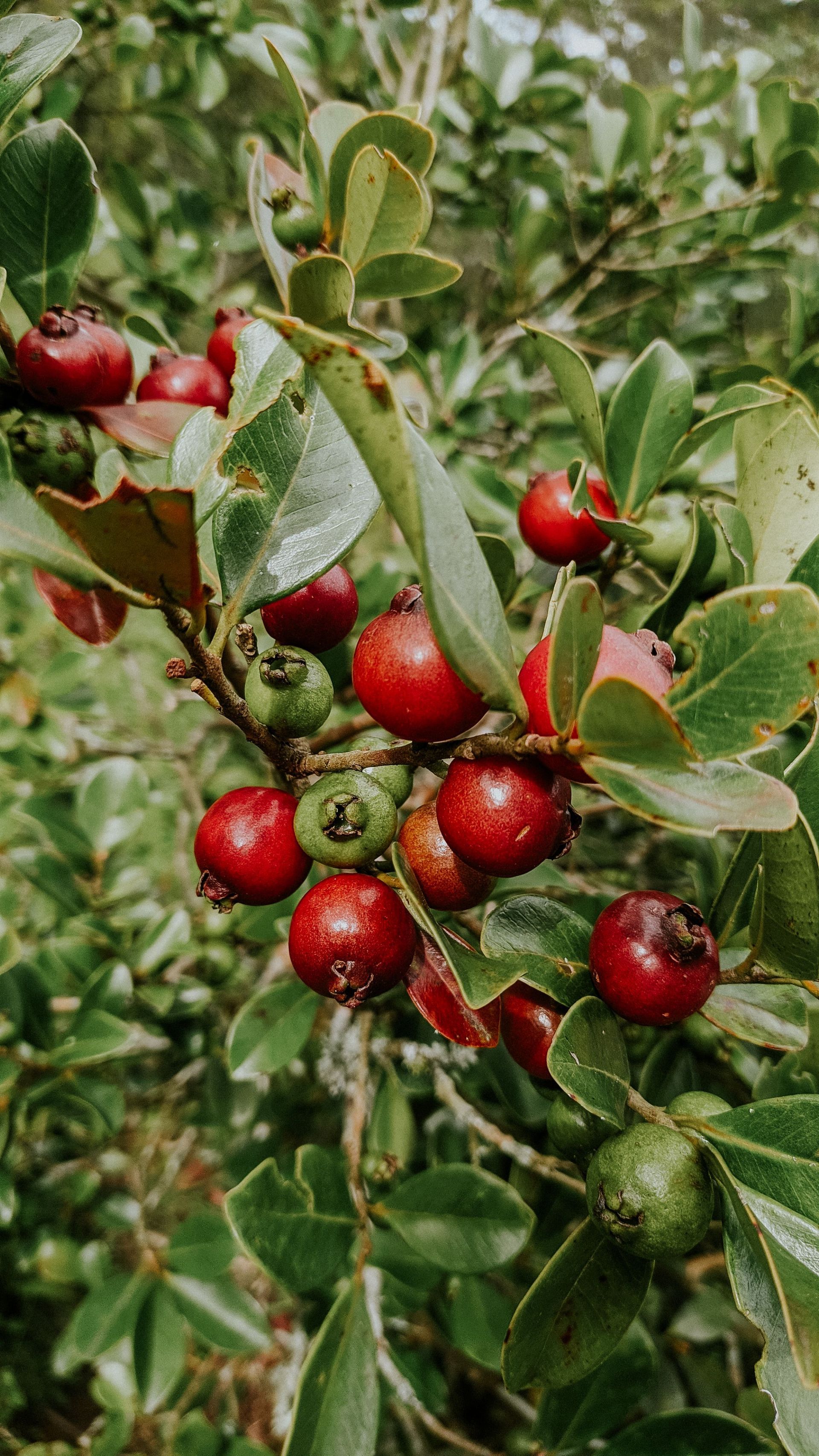
- Fruit tree demand, including avocado, mango, macadamia, citrus, and pawpaw
- Environmental programs by government and NGOs for reforestation and climate change mitigation
- Ornamental tree demand for landscaping homes, schools, hotels, and offices
By starting a tree seedling business, you can benefit from both retail and wholesale markets. Community nurseries are increasingly being supported through platforms like Seedlink, which connect growers to buyers across Kenya.
2. Choosing the Right Tree Seedlings
The success of your tree farming business begins with selecting the right seedlings. Consider these categories:
a) Fruit Trees
- Avocado (Hass & Fuerte): High market demand, excellent returns
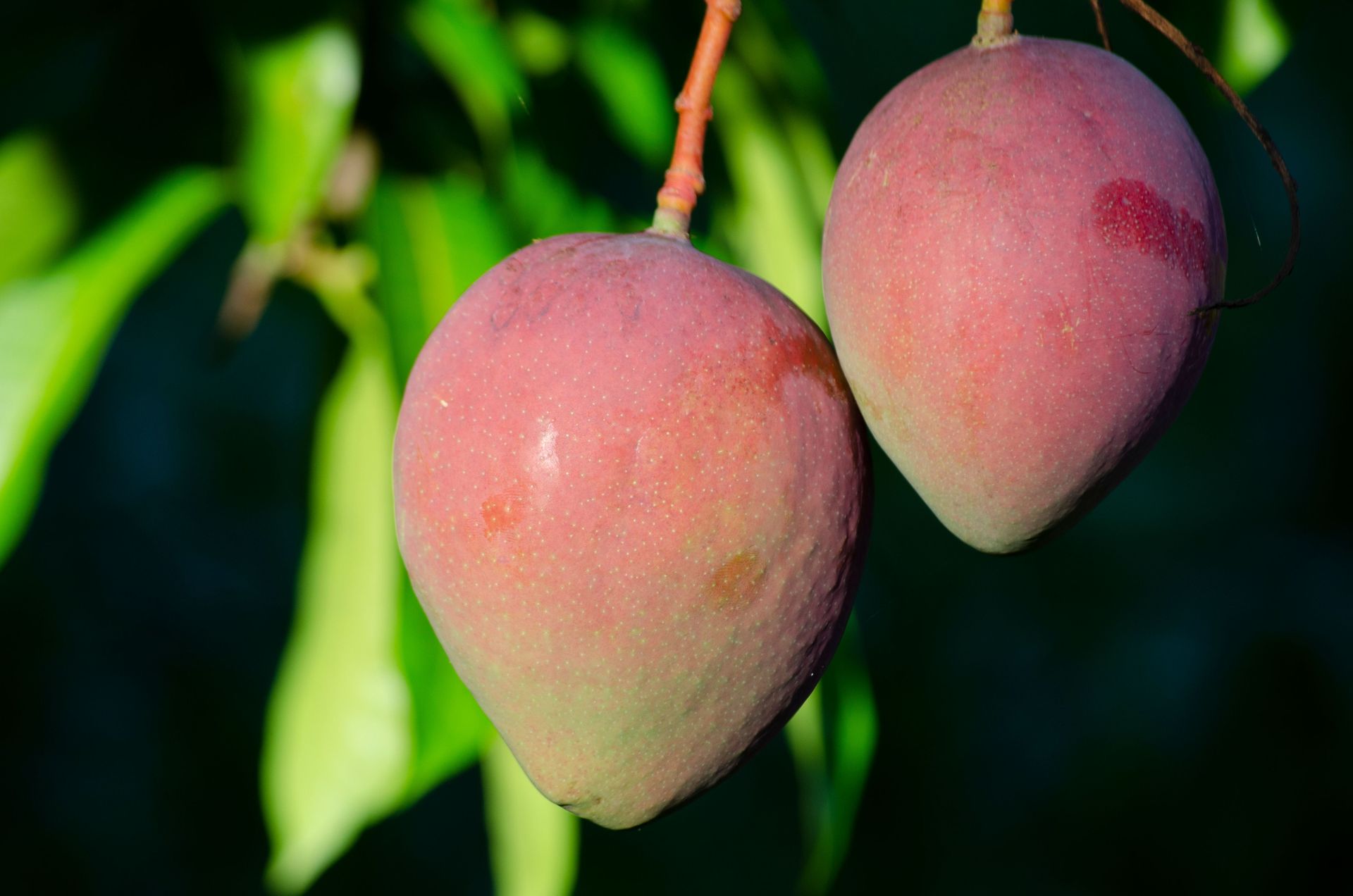
- Mango (Apple, Kent, Tommy Atkins): Long-term profitable crops
- Macadamia: Expensive but high-value nut crop
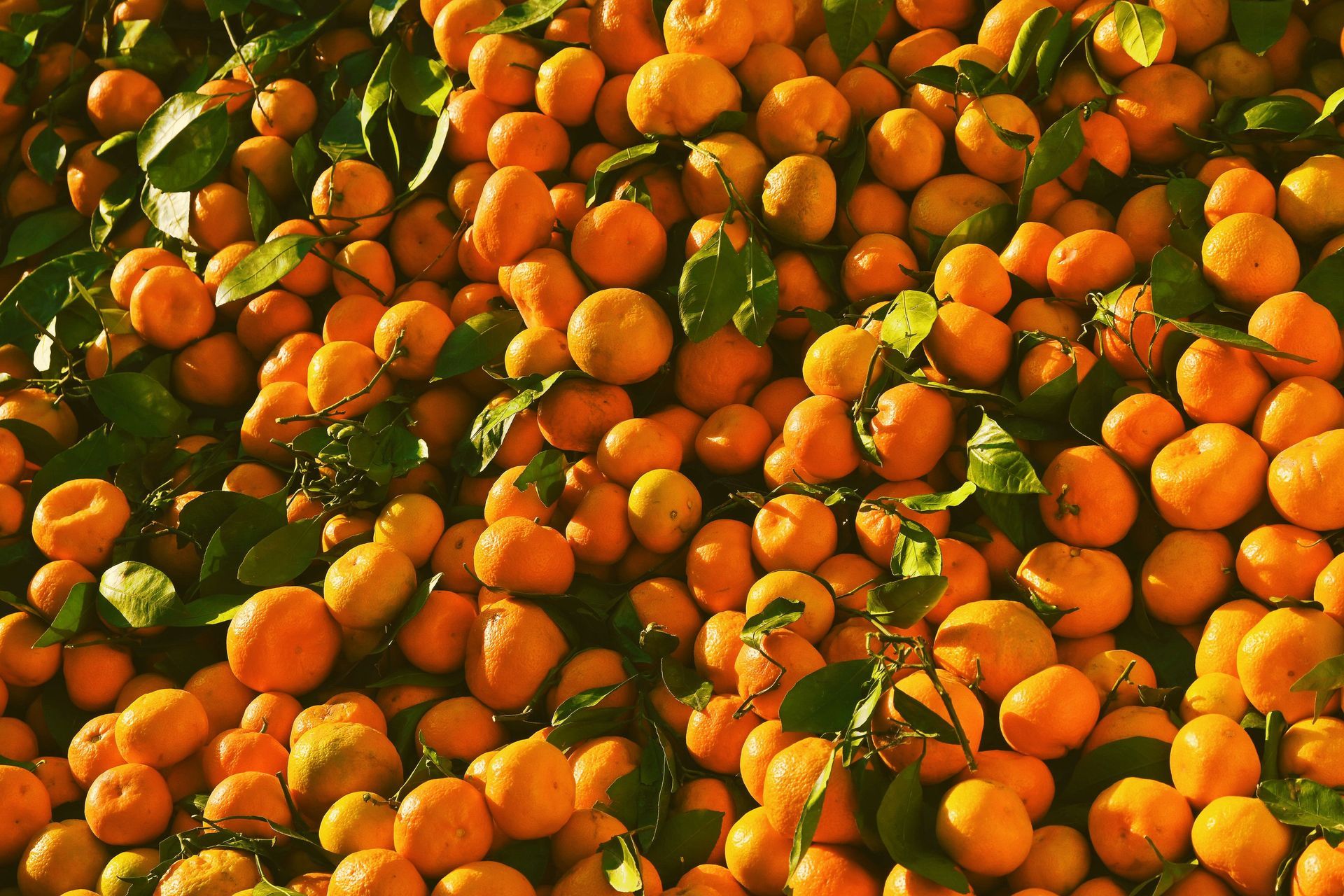
- Citrus (oranges, lemons, tangerines): Quick returns in the first 2–3 years
b) Timber Trees
- Grevillea: Fast-growing, suitable for firewood and poles
- Eucalyptus: Popular in sawmills and for firewood
- Cypress: Ideal for construction poles and landscaping
c) Ornamental Trees
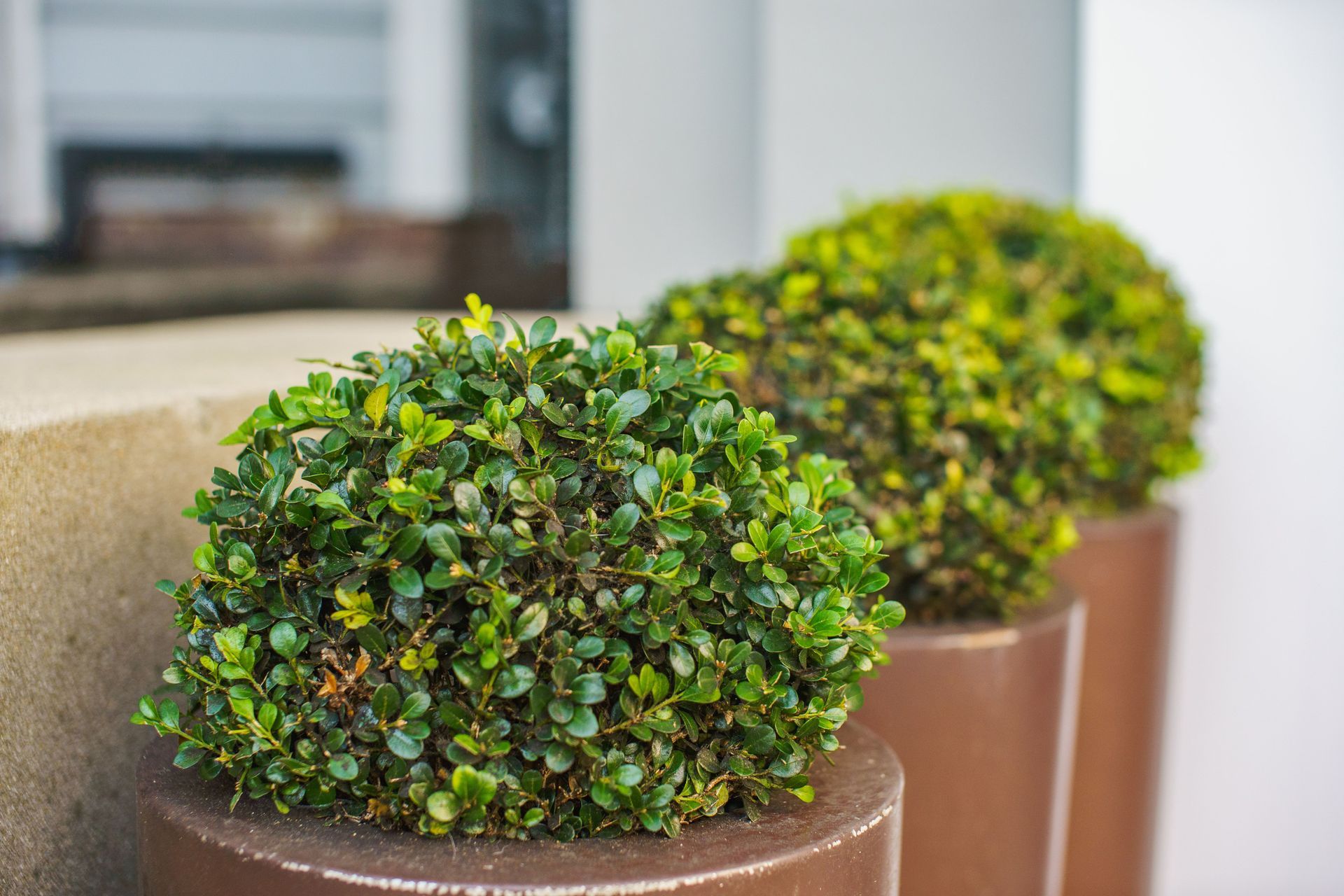
- Jacaranda, Podocarpus, Ficus: For urban landscaping
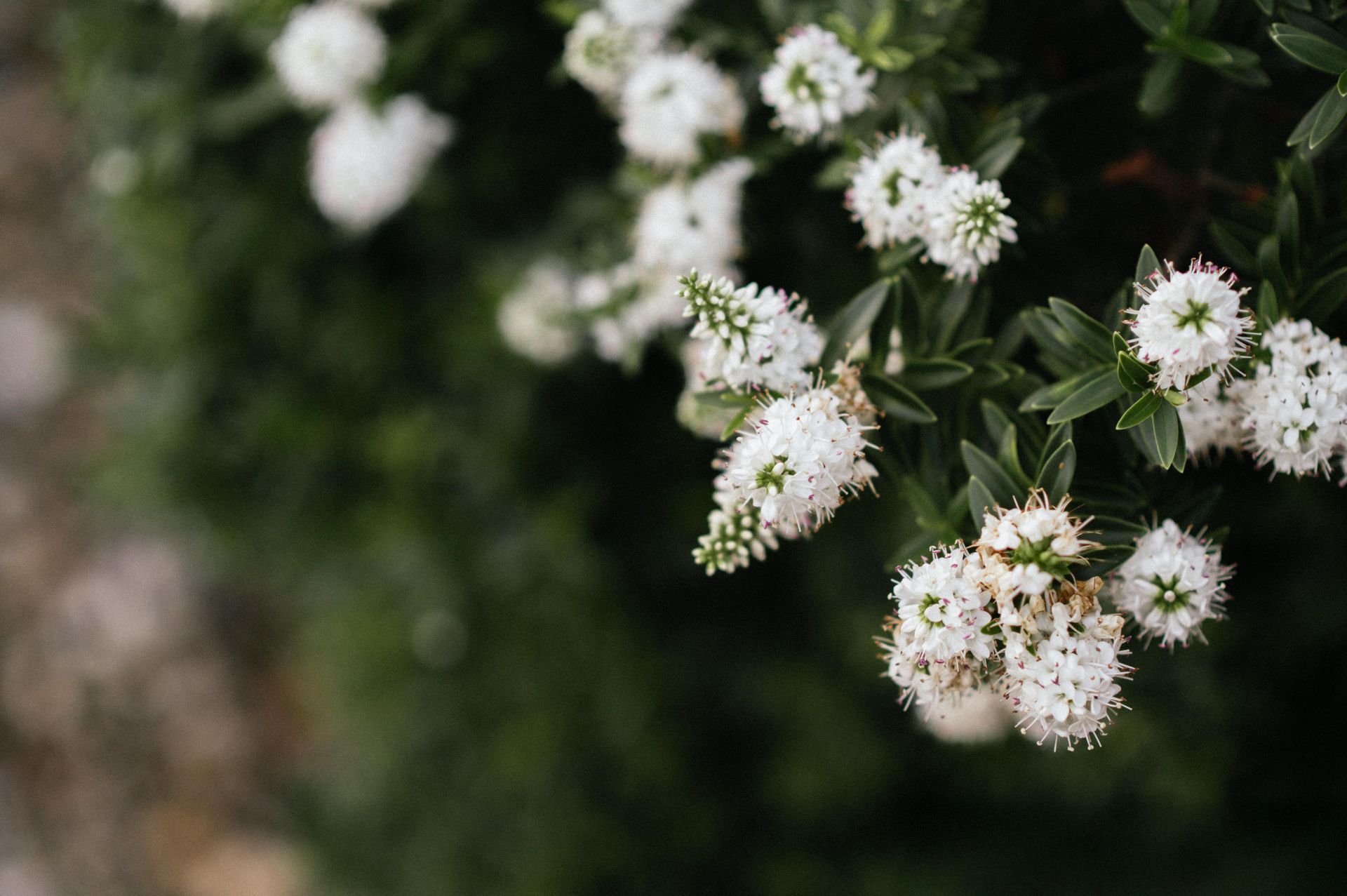
- Flowering trees: Appeal to hotels, estates, and offices
Factors to Consider When Choosing Seedlings:
- Climate: Check rainfall and temperature of your area
- Soil type: Some trees grow better in red loamy soils, others in sandy soils
- Market demand: Choose seedlings with high buyer interest
- Growth period: Faster-growing seedlings yield quicker income
3. How to Start a Tree Seedling Nursery
Starting your own nursery is key to controlling supply and maximizing profit.
Step 1: Identify a Suitable Site
- 1–2 acres is ideal for a small nursery
- Access to water is critical for irrigation
- Choose a location accessible to buyers
Step 2: Prepare the Land
- Clear weeds and debris
- Test soil pH (5.5–6.5 is ideal for most tree seedlings)
- Build nursery beds and shade structures
Step 3: Acquire Quality Seeds or Seedlings
- Partner with Seedlink-approved nurseries for reliable sources
- Ensure seeds are certified and disease-free
Step 4: Planting and Care
- Use quality soil mixes and pots or polybags
- Water seedlings regularly, especially in dry seasons
- Apply organic fertilizers for healthy growth
Step 5: Pest and Disease Management
- Regularly inspect seedlings for aphids, mites, or fungal infections
- Use environmentally safe pesticides if needed
SEO Keywords: start a tree nursery Kenya, how to grow tree seedlings Kenya, profitable seedling business
4. Understanding Seedling Costs and Pricing
To turn your seedling business into profit, track costs carefully.
Typical Costs
- Land preparation: KSh 10,000–50,000 depending on size
- Seeds/Seedlings: KSh 20–200 per seedling depending on type
- Nursery supplies: Polybags, fertilizers, shading nets, watering cans
- Labor: Planting, watering, and maintenance
Pricing
- Small seedlings: KSh 20–50
- Fruit tree seedlings: KSh 100–200
- Ornamental trees: KSh 150–500 depending on size
Profit Margins
- Average profit per seedling: 50–100% markup
- Bulk orders from farmers, landscapers, or institutions yield better margins
Tip: Using Seedlink, you can access multiple buyers, compare prices, and maximize returns.
5. Marketing Your Seedlings
a) Online Marketing
- List your nursery on Seedlink for visibility across Kenya
- Use WhatsApp, Facebook, and Instagram to showcase seedlings
- Share growth tips and success stories to build credibility
b) Offline Marketing
- Attend local agriculture shows and farmer meetings
- Partner with local farmer cooperatives
- Offer bulk discounts to schools, NGOs, and landscapers
c) Value Addition
- Offer advice on planting, care, and crop rotation
- Provide seedlings in ready-to-plant polybags for convenience
6. Scaling Your Tree Seedling Business
Once your nursery is running:
- Increase production: Expand to more seed types
- Offer bulk sales: Target corporate and government projects
- Partner with other nurseries: Build a network through Seedlink
- Diversify crops: Introduce high-value trees like macadamia and avocado
Example Growth Plan
- Start with 1–2 acres, 5,000 seedlings
- After year 1, expand to 10 acres, 20,000 seedlings
- Target bulk institutional buyers for revenue stability
7. Using Seedlink to Access Buyers and Nurseries
Seedlink is Kenya’s leading platform connecting growers to buyers:
- Nurseries: Can list seedlings to reach farmers nationwide
- Farmers & Institutions: Can compare prices, get verified seedlings, and arrange delivery
- Community Impact: Supports local nurseries, youth, and women groups
By joining Seedlink, you can reduce marketing costs, access multiple buyers, and increase sales.
8. Tips for Success and Avoiding Common Mistakes
Success Tips
- Start with high-demand seedlings (avocado, grevillea, mango)
- Focus on seedling quality and healthy growth
- Build trust with buyers by delivering on time
- Use both online platforms and local networks
Common Mistakes
- Selling seedlings without proper care → low survival rates
- Ignoring market demand → low sales
- Not tracking costs → reduced profit margins
- Failing to scale gradually → operational inefficiencies
9. Conclusion
Turning tree seedlings into a profitable agribusiness in Kenya is achievable with the right knowledge, quality seedlings, and marketing strategy. By selecting high-demand tree varieties, establishing a well-managed nursery, and leveraging platforms like Seedlink, you can access multiple buyers, scale your business, and contribute to environmental sustainability.
Start small, focus on quality, and gradually expand your seedling operations. With careful planning and smart marketing, your tree seedling business can become a reliable source of income for years to come.
What Next?
🌱 Ready to grow your seedling business or buy quality tree seedlings? Visit www.seedlink.co.ke or Call/WhatsApp: 0740712579 today.