How to Start a Tree Nursery Business in Kenya (Complete 2026 Guide)
Tree nursery businesses are becoming one of the fastest-growing agricultural ventures in Kenya. With increased demand for fruit farming, reforestation programs, landscaping, and climate restoration projects, the need for quality seedlings continues to rise across the country.
From community groups and youth organizations to commercial farmers, many Kenyans are now turning to tree nursery businesses as a sustainable source of income.
In this guide, we explain how to start a successful tree nursery business in Kenya in 2026, including the costs, requirements, best seedlings to grow, and how platforms like Seedlink can help growers reach more buyers.
Why Start a Tree Nursery Business in Kenya?
Tree nurseries are attractive because they require relatively low capital and small land space while offering strong market demand.
Key reasons why many entrepreneurs are starting nurseries include:
- Growing Tree Planting Programs
Kenya has launched large-scale tree planting programs aimed at increasing forest cover. These initiatives require millions of seedlings every year.
- Increasing Fruit Farming
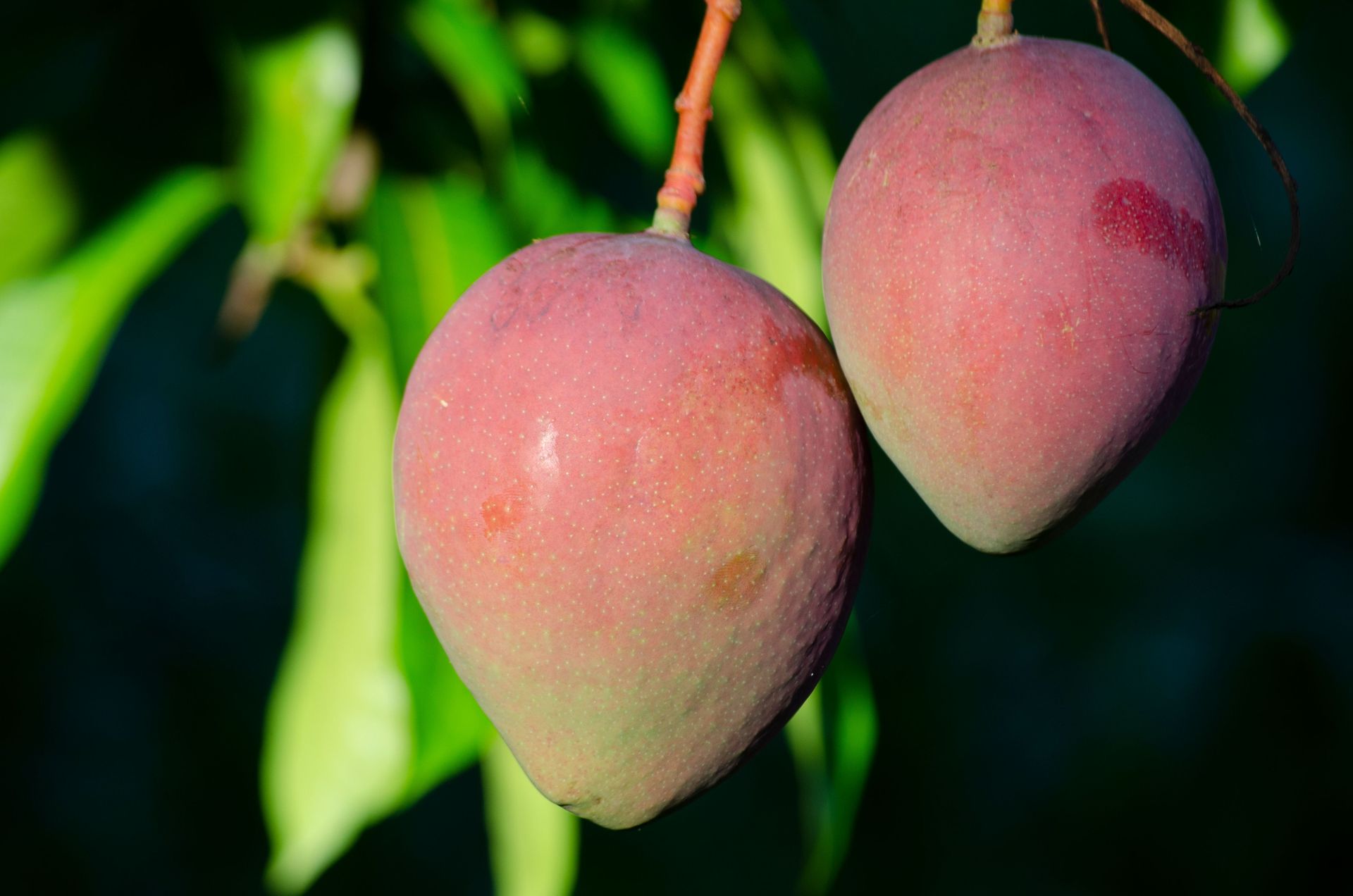
Farmers are planting fruit trees such as avocado, mango, macadamia, and citrus, creating strong demand for fruit seedlings.
- Landscaping and Real Estate Growth
Urban expansion has increased demand for ornamental plants and landscaping seedlings.
- Community Income Opportunities
Nurseries can be operated by:
- youth groups
- women groups
- farmer cooperatives
- community-based organizations
This makes them a powerful tool for community economic empowerment.
Step 1: Identify the Type of Nursery to Start
Tree nurseries in Kenya typically focus on one or more of the following categories.
Fruit Seedling Nursery
This type focuses on producing seedlings such as:
- avocado seedlings
- mango seedlings
- citrus seedlings
- passion fruit seedlings
Fruit seedlings usually have higher selling prices and strong demand from farmers.
Tree Seedling Nursery
These nurseries supply seedlings used for:
- agroforestry
- timber farming
- reforestation
Common seedlings include:
- grevillea
- cypress
- eucalyptus
- indigenous trees
These are widely purchased by NGOs, schools, corporates, and county governments.
Vegetable Seedling Nursery
Vegetable seedlings are popular among farmers practicing intensive vegetable farming.
Common varieties include:
- tomato seedlings
- kale seedlings
- spinach seedlings
- capsicum seedlings
Vegetable seedlings have quick turnover cycles.
Ornamental and Flower Nursery
Urban landscaping businesses demand:
- roses
- decorative shrubs
- hedge plants
- ornamental trees
These are widely used in homes, hotels, offices, and real estate projects.
Step 2: Identify a Suitable Location
Location is very important for a successful nursery.
Your site should have:
- reliable water supply
- good soil or growing media
- easy road access
- protection from strong winds
Most nurseries operate on small land sizes between 1/8 acre and 1 acre.
Step 3: Prepare Nursery Infrastructure
Basic infrastructure required includes:
- Shade Structures: Seedlings require protection from direct sunlight.
Shade nets or simple wooden shade structures are commonly used.
- Seedbeds and Containers
Seedlings can be grown in:
- seed trays
- polythene tubes
- raised nursery beds
Polythene tubes are the most common method used in Kenya.
- Irrigation System
Seedlings need regular watering.
Nurseries typically use:
- watering cans
- drip irrigation
- simple hose pipes
Step 4: Source Quality Seeds or Mother Plants
Quality seedlings start with high-quality planting material.
Sources include:
- certified seed suppliers
- research institutions
- registered seed companies
- certified nurseries
Using poor-quality seeds can result in low germination rates and weak seedlings.
Step 5: Learn Proper Seedling Propagation Techniques
Different plants require different propagation methods.
Common techniques include:
Seed Propagation
Seeds are planted in seedbeds or trays and later transplanted into tubes.
Grafting
This is common for fruit trees such as:
- avocado
- mango
- citrus
Grafting ensures high-yield and disease-resistant plants.
Cuttings
Some plants such as ornamental shrubs can be propagated using cuttings.
Step 6: Register and Comply with Regulations
Nursery operators should comply with agricultural regulations.
Registration may involve certification by organizations such as Kenya Plant Health Inspectorate Service.
Certification helps ensure seedlings are:
- disease free
- true to variety
- suitable for sale
This is especially important for commercial fruit seedlings.
Step 7: Estimate Startup Costs
A small nursery can start with relatively low capital.
Estimated Startup Budget
Item Estimated Cost (KES)
Shade structure 10,000 – 40,000
Polythene tubes 5,000 – 20,000
Seeds / rootstock 5,000 – 30,000
Soil preparation 5,000 – 10,000
Water system 5,000 – 20,000
A small nursery can start with KSh 30,000 – 100,000 depending on scale.
Step 8: Grow the Most Profitable Seedlings
Some seedlings sell faster than others.
High-demand seedlings in Kenya include:
- avocado seedlings
- mango seedlings
- grevillea seedlings
- macadamia seedlings
- citrus seedlings
- passion fruit seedlings
Vegetable seedlings also provide quick revenue cycles.
Step 9: Market Your Seedlings
Marketing is often the biggest challenge for small nurseries.
Common sales channels include:
- Local Markets
Farmers often buy seedlings from nearby nurseries.
- Agrovet Shops
Some nurseries partner with agrovet stores.
- Tree Planting Programs
NGOs, schools, and corporates often buy large quantities of seedlings.
- Online Marketplaces
Digital platforms are becoming the fastest way to reach buyers across counties.
Seedlink is building a platform that connects community nurseries with farmers, landscapers, NGOs, and institutions across Kenya.
This allows small nurseries to access larger markets beyond their local areas.
Step 10: Scale Your Nursery Business
Once the nursery becomes profitable, growers can expand by:
- increasing seedling varieties
- expanding nursery size
- supplying institutional buyers
- partnering with landscaping companies
Large nurseries can produce tens of thousands of seedlings per season.
Income Potential of a Tree Nursery Business
Tree nurseries can generate strong income depending on scale.
Example:
If a nursery sells:
- 10,000 tree seedlings at KSh 20 each
Total revenue:
KSh 200,000 per production cycle
Fruit seedlings often sell at KSh 150 – 300 per seedling, increasing profitability.
The Future of Tree Nurseries in Kenya
Kenya’s push for:
- climate restoration
- agroforestry
- fruit farming
- urban landscaping
means the demand for seedlings will continue growing.
Community nurseries will play a key role in supplying millions of seedlings every year.
How Seedlink Helps Nursery Growers
Seedlink is building a digital platform that helps nurseries:
- list their seedlings
- reach buyers nationwide
- receive bulk orders
- coordinate delivery
The platform connects growers with:
- farmers
- landscapers
- corporates
- NGOs
- government programs
This creates new income opportunities for community nurseries across Kenya.
Final Thoughts
Starting a tree nursery business in Kenya is one of the most accessible agricultural ventures.
With small land, modest capital, and proper seedling management, nurseries can become sustainable and profitable enterprises.
As demand for fruit trees, timber trees, and ornamental plants grows, nurseries will become an essential part of Kenya’s agricultural ecosystem.
Platforms like Seedlink will help ensure that seedling growers can connect directly with the markets that need them most.