How AMREF Health Africa Supports Sustainable Communities Inspired by Wangari Maathai

Across Africa, sustainable development is no longer just about healthcare, food security, or environmental conservation in isolation. Today, the most impactful organizations understand that healthy people depend on healthy ecosystems, thriving local economies, and empowered communities. Few organizations embody this integrated approach better than AMREF Health Africa.
Inspired by the legacy of Wangari Maathai, AMREF Health Africa continues to support African communities through programs that connect public health, environmental conservation, climate resilience, women empowerment, and sustainable livelihoods. Wangari Maathai famously believed that when communities restore the environment, they also restore dignity, health, and economic opportunity. AMREF’s work across Kenya and Africa reflects this philosophy in powerful ways.
From promoting clean water access and climate-smart healthcare to supporting women-led community initiatives and environmental restoration projects, AMREF is helping communities build a healthier and greener future.
Wangari Maathai’s Vision of Sustainable Communities
Wangari Maathai was globally celebrated for founding the Green Belt Movement and championing environmental justice. However, her mission extended far beyond planting trees. She believed that sustainable communities are built when people have access to:
- Clean water
- Nutritious food
- Healthy environments
- Economic opportunities
- Community empowerment
- Environmental education
- Climate resilience
Her environmental activism demonstrated how deforestation, poverty, hunger, and poor health are interconnected challenges. By restoring forests and empowering local communities, especially women, she showed that environmental conservation can directly improve livelihoods and public health.
This same philosophy is visible in AMREF Health Africa’s community-based programs.
AMREF Health Africa’s Community-Centered Development Approach
Founded in 1957, AMREF Health Africa has become one of the continent’s leading public health organizations. While many people associate AMREF primarily with healthcare delivery, the organization’s broader mission focuses on sustainable community transformation.
AMREF recognizes that healthcare outcomes are deeply linked to environmental conditions. Communities affected by drought, pollution, poor sanitation, and food insecurity are more vulnerable to disease and poverty.
As climate change increasingly affects African communities, AMREF has expanded programs focused on:
- Climate adaptation
- Environmental health
- Water and sanitation
- Sustainable agriculture
- Women and youth empowerment
- Nutrition and food systems
- Community resilience
These initiatives align closely with Wangari Maathai’s vision for a sustainable Africa.
🌱 Seedlink Community Tree Nursery Initiative
Connect Local Nurseries to a Bigger Market
Local communities across Kenya are nurturing thousands of indigenous trees, fruit trees, medicinal plants, and exotic ornamental trees. However, many community nurseries struggle to access reliable buyers and commercial markets.
That is where Seedlink comes in.
Seedlink helps connect:
✅ Community tree nurseries
✅ Women groups
✅ Youth environmental groups
✅ Schools and churches
✅ Indigenous tree propagators
✅ Fruit tree farmers
…with homeowners, landscapers, institutions, developers, schools, and conservation projects seeking quality seedlings.
Popular Trees in Demand
- Avocado seedlings
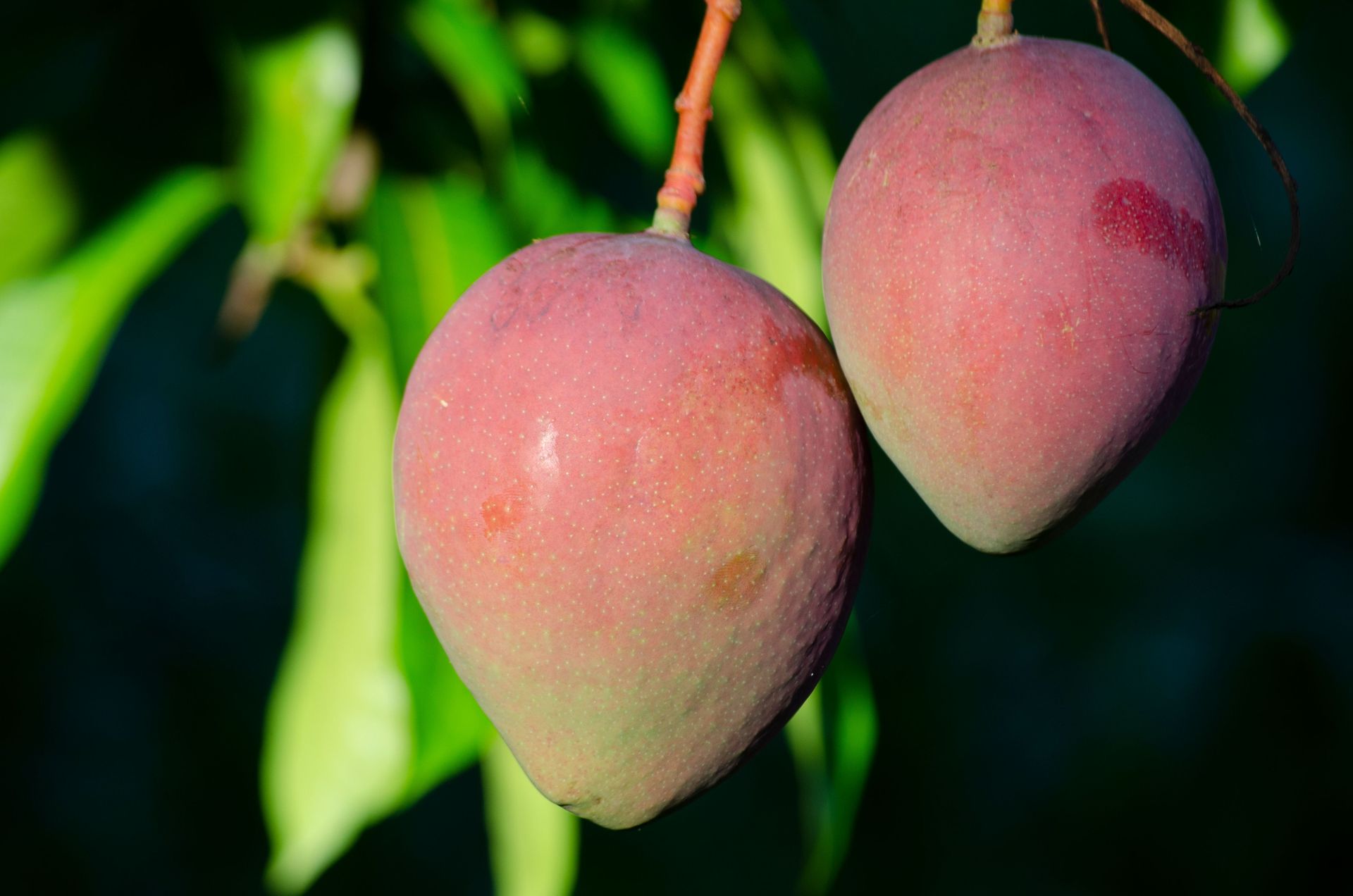
- Mango trees
- Grevillea
- Croton
- Cedar trees
- Neem trees
- Macadamia seedlings
- Indigenous forest trees
- Exotic ornamental trees
📞 Contact Seedlink:
0740712579
🌐 Website:
www.seedlink.co.ke
Environmental Health and Community Wellbeing
One of the strongest connections between AMREF’s work and Wangari Maathai’s environmental philosophy is environmental health.
Environmental degradation contributes directly to:
- Respiratory illnesses
- Waterborne diseases
- Malnutrition
- Mental health stress
- Reduced agricultural productivity
AMREF addresses these challenges through integrated community health programs that improve sanitation, clean water access, and environmental awareness.
For example, communities with improved tree cover often experience:
- Better water retention
- Reduced soil erosion
- Improved air quality
- Increased rainfall retention
- Enhanced food production
These outcomes have direct impacts on human health and community resilience.
Tree planting initiatives, environmental restoration, and sustainable land management therefore become public health interventions as much as conservation activities.
Women Empowerment and Community Leadership
Wangari Maathai strongly believed women are central to sustainable development. Through the Green Belt Movement, she mobilized thousands of women to plant trees, conserve forests, and generate income.
AMREF Health Africa continues to prioritize women-led development initiatives across Africa.
Programs focusing on maternal health, reproductive health, community leadership, and economic empowerment help women become drivers of sustainable change.
Women-led environmental initiatives often result in:
- Better household nutrition
- Increased school attendance
- Improved healthcare access
- Enhanced environmental stewardship
- Stronger local economies
Many women groups involved in tree nurseries and environmental restoration are also engaging in income-generating activities through seedling production and agroforestry.
🌳 Why Indigenous Trees Matter for Sustainable Communities
Indigenous trees are essential for restoring ecosystems and strengthening local resilience.
Benefits include:
✔ Restoring biodiversity
✔ Improving soil fertility
✔ Conserving water catchments
✔ Supporting pollinators
✔ Providing medicinal value
✔ Enhancing climate resilience
Communities can now generate income while conserving the environment through local nurseries.
Seedlink Supports Community Nurseries
Seedlink Grow Smarter helps local growers market:
- Indigenous tree seedlings
- Fruit trees
- Ornamental plants
- Herbal and medicinal plants
- Agroforestry seedlings
Whether you run a women group nursery, church nursery, school tree project, or youth environmental initiative, Seedlink provides market visibility and customer access.
📞 Call/WhatsApp: 0740712579
Climate Change and Sustainable Healthcare Systems
Climate change is one of Africa’s greatest public health threats.
Floods, droughts, rising temperatures, and environmental degradation increase disease outbreaks, displacement, food insecurity, and healthcare pressure.
AMREF Health Africa has increasingly focused on climate-smart health systems that can withstand environmental shocks.
Key focus areas include:
1. Water Security
Communities need reliable access to safe water for health and sanitation. AMREF supports:
- Rainwater harvesting
- Water purification
- Community water systems
- Watershed conservation
2. Sustainable Food Systems
Nutrition is deeply connected to environmental sustainability. Agroforestry, fruit trees, and climate-smart agriculture improve both food security and household income.
3. Community Education
Environmental awareness and health education empower communities to adopt sustainable practices.
4. Green Healthcare Infrastructure
AMREF supports environmentally sustainable healthcare facilities that use renewable energy and efficient resource management.
These initiatives align with Wangari Maathai’s belief that sustainable development must integrate environmental protection with human wellbeing.
Youth and Green Entrepreneurship
Africa has one of the youngest populations globally. Sustainable development therefore depends heavily on empowering youth.
Both Wangari Maathai’s environmental activism and AMREF’s programs emphasize youth leadership.
Today, many young people are building green businesses around:
- Tree nurseries
- Landscaping
- Agroforestry
- Organic farming
- Climate-smart agriculture
- Environmental consultancy
The growing demand for fruit trees, ornamental plants, and indigenous trees presents major economic opportunities.
🍃 Seedlink: Building Markets for Green Entrepreneurs
Thousands of community nurseries produce high-quality seedlings but lack digital visibility and market access.
Seedlink Kenya is helping bridge this gap by connecting growers directly to buyers.
Ideal for:
✅ Community-based organizations
✅ Women self-help groups
✅ County tree nursery projects
✅ Schools and environmental clubs
✅ Youth green startups
✅ Conservation organizations
High-Demand Seedlings
- Hass avocado
- Macadamia
- Tree tomato
- Mango
- Grevillea
- Cypress
- Bamboo
- Indigenous forest trees
By connecting nurseries to the market, Seedlink supports:
- Environmental conservation
- Job creation
- Climate action
- Sustainable livelihoods
📞 Mobile:
0740712579
🌐 Website:
Seedlink Official Website
Community Resilience Through Agroforestry
Agroforestry is increasingly becoming one of the most practical tools for building resilient communities.
Planting trees within farming systems helps:
- Improve soil fertility
- Reduce erosion
- Increase farm productivity
- Diversify household income
- Improve nutrition
- Enhance climate adaptation
Fruit trees especially provide long-term economic and nutritional benefits.
Communities that integrate agroforestry often experience greater resilience during drought periods and economic shocks.
AMREF-supported sustainable livelihood projects increasingly recognize the importance of integrating environmental restoration into community health and economic empowerment.
Sustainable Cities and Urban Greening
Wangari Maathai also advocated for greener cities and urban environmental protection.
Urban communities face increasing challenges including:
- Heat stress
- Pollution
- Poor drainage
- Limited green spaces
- Food insecurity
Tree planting and urban greening improve:
- Air quality
- Mental wellbeing
- Biodiversity
- Urban cooling
- Stormwater management
Today, schools, churches, estates, hospitals, and corporate organizations are investing in tree planting initiatives.
This has created strong demand for:
- Ornamental trees
- Shade trees
- Indigenous species
- Fruit trees
- Landscaping plants
Community nurseries now play an important role in supplying urban greening projects.
🌿 Partner With Seedlink to Grow Sustainable Communities
Environmental conservation is no longer just about planting trees—it is about creating sustainable economic ecosystems.
Seedlink helps connect:
🌱 Tree nursery owners
🌱 Farmers
🌱 Women groups
🌱 Environmental NGOs
🌱 County governments
🌱 Schools and institutions
…to reliable markets across Kenya.
Products in Demand
- Fruit trees
- Indigenous trees
- Ornamental flowers
- Medicinal plants
- Landscaping trees
- Agroforestry seedlings
Whether you are starting a small nursery or scaling a large environmental project, Seedlink helps communities commercialize conservation.
📞 0740712579
🌐
www.seedlink.co.ke
Partnerships for a Sustainable Future
No single organization can solve Africa’s environmental and public health challenges alone.
Collaborations between:
- NGOs
- Government agencies
- Community groups
- Environmental organizations
- Healthcare institutions
- Agribusiness platforms
…are essential for long-term sustainability.
AMREF Health Africa demonstrates how health organizations can become leaders in climate resilience and environmental sustainability.
Similarly, platforms like Seedlink show how digital innovation can support grassroots environmental entrepreneurship and local economic empowerment.
Conclusion
The legacy of Wangari Maathai continues to inspire organizations across Africa to rethink development through the lens of sustainability, community empowerment, and environmental stewardship.
AMREF Health Africa exemplifies this approach by recognizing the close connection between environmental health, public health, climate resilience, and economic opportunity.
By supporting sustainable livelihoods, women empowerment, environmental restoration, and climate-smart communities, AMREF is helping African communities become healthier, stronger, and more resilient.
At the grassroots level, community nurseries and green entrepreneurs are becoming essential players in this transformation. Through platforms like Seedlink, local growers can access wider markets for indigenous trees, fruit trees, and ornamental plants while contributing to environmental restoration and sustainable livelihoods.
As Wangari Maathai once demonstrated, planting trees is not simply about conservation—it is about restoring hope, dignity, opportunity, and the future of communities.