Guava Seedlings in Kenya: Easy Growing Fruit for Small Farms
Guava Seedlings in Kenya: Easy Growing Fruit for Small Farms – Low Maintenance, High Returns Crop (2026)
Guava farming in Kenya is becoming increasingly popular among small-scale and commercial farmers looking for a fruit crop that is:
✔ Easy to grow
✔ Fast maturing
✔ Low maintenance
✔ Highly nutritious
✔ Profitable
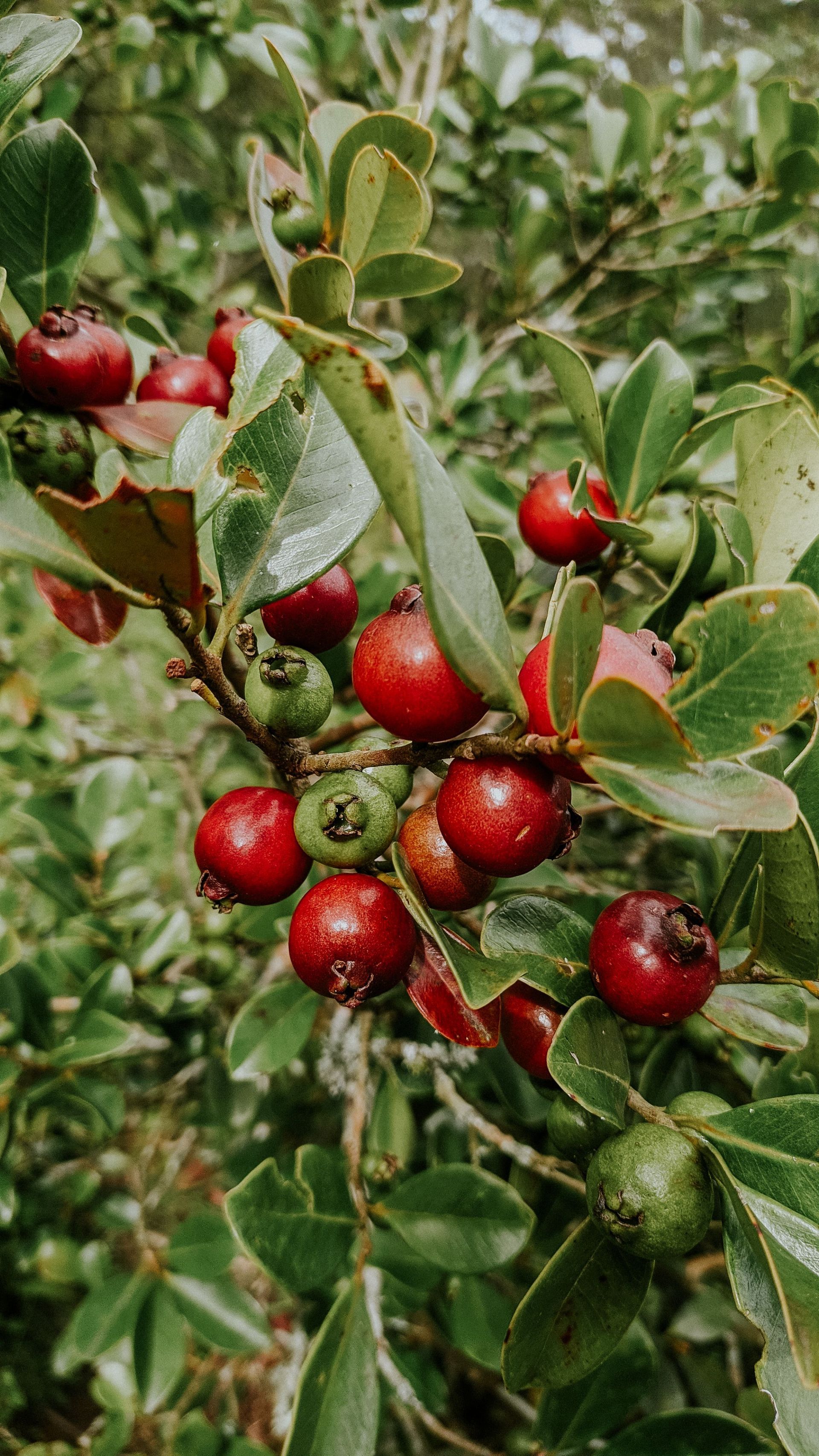
Known scientifically as Psidium guajava, guava is one of the most adaptable fruit trees for Kenyan conditions. It performs well in many parts of the country and can thrive even in relatively dry regions with proper management.
Guava fruits are highly valued because they are:
- Sweet and flavorful
- Rich in vitamin C
- High in antioxidants
- Widely consumed fresh
- Excellent for juice processing
Today, guavas are increasingly demanded in:
- Homes
- Supermarkets
- Hotels
- Juice processing industries
- Schools
- Urban fruit markets
- Health food stores
As consumer demand for healthy fruits and natural juices rises, guava farming presents a major opportunity for Kenyan farmers seeking:
✔ Quick returns
✔ Reliable markets
✔ Climate-resilient fruit farming
✔ Low-input orchard systems
This complete guide explains everything you need to know about guava seedlings in Kenya, including:
- Best guava varieties
- Climate and soil requirements
- Planting techniques
- Irrigation and fertilization
- Pruning methods
- Pest and disease management
- Yield expectations
- Profitability
- Expert agronomy tips from Seedlink Kenya
Why Guava Farming is Growing in Kenya
Guava farming is expanding rapidly because:
- The fruits are highly nutritious
- Trees adapt well to many climates
- The crop is relatively easy to manage
- Demand for fresh fruit is increasing
- Juice processing industries are growing
Guavas are rich in:
✔ Vitamin C
✔ Fiber
✔ Antioxidants
✔ Potassium
They are widely consumed as:
- Fresh fruits
- Juice
- Smoothies
- Jam
- Desserts
- Fruit salads
Guavas are especially attractive to:
- Smallholder farmers
- Beginner orchard farmers
- Farmers in semi-arid areas
Why Guava is an Easy Growing Fruit Crop
Compared to many fruit trees, guava:
✔ Requires relatively low maintenance
✔ Tolerates moderate drought
✔ Adapts to different soils
✔ Begins fruiting relatively early
✔ Produces fruits consistently
This makes guava ideal for:
- Small farms
- Backyard orchards
- Commercial orchards
- Irrigated fruit projects
Why Quality Guava Seedlings Matter
Successful guava farming starts with:
👉 Healthy, certified seedlings.
Poor-quality seedlings often lead to:
❌ Weak growth
❌ Low productivity
❌ Poor fruit quality
❌ Disease problems
Certified seedlings provide:
✔ Better survival rates
✔ Strong root systems
✔ Improved yields
✔ Uniform orchards
✔ Faster establishment
⭐ Best Place to Buy Guava Seedlings in Kenya
For certified, healthy guava seedlings:
Seedlink Kenya
📞 Call/WhatsApp: +254 740 712 579
📧 Email:
sales@seedlink.co.ke
Why Farmers Prefer Seedlink
- Certified fruit seedlings
- High-yielding guava varieties
- Professional agronomy support
- Orchard establishment guidance
- Trusted by Kenyan fruit farmers
Seedlink supports:
- Beginner farmers
- Small-scale orchard projects
- Commercial fruit farming
- Climate-smart agriculture
Best Guava Varieties in Kenya
Choosing the right variety affects:
- Market demand
- Fruit sweetness
- Yield potential
- Fruit size
- Profitability
1. Apple Guava
One of the most common and popular guava varieties.
Features
✔ Sweet fruits
✔ Strong local demand
✔ Good adaptability
✔ Excellent fresh consumption
Popular in:
- Urban fruit markets
- Homes
- Fresh fruit businesses
2. Strawberry Guava
Known for its unique flavor and aroma.
Features
✔ Small flavorful fruits
✔ Attractive taste
✔ High nutritional value
Suitable for:
- Specialty fruit markets
- Juice blending
- Home gardens
3. Thai Guava
A premium commercial variety.
Features
✔ Large fruits
✔ Crunchy texture
✔ High market value
✔ Excellent shelf life
Widely preferred in:
- Supermarkets
- Commercial fruit markets
4. Pink Flesh Guava
Known for attractive flesh color and sweetness.
Features
✔ Sweet pink flesh
✔ High juice content
✔ Attractive appearance
Suitable for:
- Juice processing
- Premium fresh fruit markets
Best Areas for Guava Farming in Kenya
Guavas perform well in many parts of Kenya.
Recommended Regions
- Machakos
- Makueni
- Murang’a
- Embu
- Meru
- Kisii
- Kakamega
- Kisumu
- Coastal Kenya
- Parts of Rift Valley
Guavas can also perform well under irrigation in semi-arid regions.
Climate Requirements for Guava Farming
Temperature
Ideal temperature range:
- 20°C–30°C
Guavas thrive in:
✔ Warm climates
✔ Full sunlight
✔ Moderate humidity
Extreme cold may reduce:
- Growth
- Flowering
- Fruit production
Rainfall
Recommended annual rainfall:
- 600–1,500 mm
Guavas tolerate moderate dry conditions better than many fruits.
However, irrigation improves:
✔ Fruit size
✔ Fruit quality
✔ Yield consistency
Altitude
Best altitude:
- Below 2,000 meters above sea level
Soil Requirements
Guavas perform best in:
✔ Well-drained sandy loam soils
✔ Organic-rich soils
✔ Fertile soils
✔ Soil pH: 5.0–7.0
Why Drainage Matters
Poor drainage may cause:
- Root rot
- Weak growth
- Disease outbreaks
Avoid:
❌ Waterlogged soils
❌ Heavy compacted clay soils
Raised beds may help improve drainage.
How to Plant Guava Seedlings
Step 1: Land Preparation
- Clear weeds
- Deep plough
- Add organic manure
Step 2: Soil Testing
Before planting:
- Test soil pH
- Assess fertility
- Evaluate drainage
Step 3: Dig Planting Holes
Recommended hole size:
- 60 cm × 60 cm × 60 cm
Mix topsoil with:
- Organic manure
- Compost
Step 4: Spacing
Recommended spacing:
- 4–6 meters between trees
- 5–6 meters between rows
Proper spacing improves:
✔ Airflow
✔ Sunlight penetration
✔ Orchard management
Step 5: Planting
- Plant during rainy season if possible
- Water immediately after planting
- Avoid deep planting
Step 6: Mulching
Mulching helps:
✔ Retain moisture
✔ Reduce weeds
✔ Improve soil health
✔ Reduce soil erosion
Recommended mulch:
- Dry grass
- Straw
- Compost
Irrigation for Guava Farming
Although guavas tolerate moderate drought, irrigation improves productivity significantly.
Drip irrigation is highly recommended because it:
✔ Saves water
✔ Improves nutrient efficiency
✔ Supports consistent fruiting
Water stress may cause:
- Small fruits
- Flower drop
- Reduced yields
Fertilization
Guavas respond well to balanced nutrition.
Early Growth Stage
Focus on:
- Root establishment
- Vegetative growth
Use:
- Organic manure
- Balanced NPK fertilizer
Fruiting Stage
Increase:
- Potassium
- Calcium
This improves:
✔ Fruit sweetness
✔ Fruit size
✔ Shelf life
Pruning Guava Trees
Pruning is important for:
✔ Airflow
✔ Tree shape management
✔ Fruit quality
✔ Disease control
Remove:
- Weak branches
- Diseased growth
- Overcrowded shoots
Good pruning improves productivity.
Flowering and Fruiting
Guava trees generally begin fruiting:
- 2–3 years after planting depending on management and variety.
Proper management improves:
✔ Early maturity
✔ Fruit quality
✔ Yield consistency
Yield Expectations
Under proper management:
- Mature guava trees can produce substantial annual harvests for many years.
Commercial orchards can become highly productive and profitable.
Harvesting Guavas
Harvest when:
✔ Fruits develop mature color
✔ Fruits soften slightly
✔ Fruits develop full sweetness
Handle carefully to avoid bruising.
Common Pests & Diseases
Common Pests
- Fruit flies
- Aphids
- Mealybugs
- Thrips
Common Diseases
- Anthracnose
- Wilt
- Leaf spot
- Root rot
Prevention Measures
✔ Certified seedlings
✔ Proper spacing
✔ Orchard sanitation
✔ Good drainage
✔ Integrated pest management
Profitability of Guava Farming in Kenya
Guava farming offers strong commercial potential because:
✔ Demand for fresh fruits is increasing
✔ Juice processing industries are growing
✔ Guavas are nutritious and marketable
✔ Trees are relatively low maintenance
Prices vary depending on:
- Variety
- Fruit quality
- Market
- Season
Premium varieties like Thai guava often attract higher prices.
Why Guava Farming is Highly Profitable
✔ Strong local demand
✔ Quick fruiting
✔ Long production lifespan
✔ Value addition opportunities
✔ Relatively low maintenance costs
Best Markets for Guavas
Target:
- Fresh fruit vendors
- Supermarkets
- Hotels
- Juice processors
- Schools
- Urban fruit markets
Value Addition Opportunities
Guavas can be processed into:
- Juice
- Jam
- Smoothies
- Desserts
- Fruit concentrates
Value addition significantly improves profitability.
Seedlink Agronomy Team Pro Tips
1. Use Certified Seedlings
Quality seedlings determine orchard success.
2. Prioritize Orchard Hygiene
Clean orchards reduce disease pressure.
3. Use Drip Irrigation
Efficient irrigation improves yields and fruit quality.
4. Mulch Properly
Mulching conserves moisture and improves soil structure.
5. Prune Regularly
Good canopy management improves airflow and fruiting.
6. Control Fruit Flies Early
Fruit flies can significantly reduce marketable yields.
7. Focus on Premium Markets
Thai guava and pink guava varieties attract premium buyers.
Common Mistakes to Avoid
❌ Using poor-quality seedlings
❌ Poor spacing
❌ Weak irrigation planning
❌ Poor pruning
❌ Delayed pest management
❌ Weak market planning
Final Thoughts
Guava farming in Kenya offers one of the best opportunities for:
✔ Small farms
✔ Beginner fruit farmers
✔ Climate-smart agriculture
✔ Quick-return orchards
With:
✔ Strong demand
✔ Easy management
✔ Long production lifespan
✔ Good profitability
…guava farming can become a highly profitable agribusiness venture.
However, success depends on:
👉 Quality seedlings
👉 Good irrigation
👉 Proper orchard management
👉 Pest control
👉 Professional agronomy support
Ready to Start Your Guava Orchard?
Get certified guava seedlings and expert technical support from:
Seedlink Kenya Official Website
📞 +254 740 712 579
📧
sales@seedlink.co.ke