Fruit Seedlings in Kenya: The Complete Guide to Choosing, Planting, and Growing Profitable Fruit Trees
Kenya's agricultural landscape is changing rapidly. More farmers, homeowners, institutions, and investors are turning to fruit farming not only as a source of food security but also as a sustainable income-generating venture. Whether you are planting a small backyard orchard, establishing a commercial fruit farm, or participating in environmental restoration projects, choosing the right fruit seedlings is the most important decision you will make.
At Seedlink, we connect farmers, landscapers, institutions, and communities with quality fruit seedlings sourced from trusted growers across Kenya. While ornamental plants and landscaping trees add beauty to our surroundings, fruit trees provide something even more valuable—food, nutrition, income, and environmental benefits for generations.
This guide explores the best fruit seedlings in Kenya, how to select quality planting materials, site preparation, planting techniques, maintenance practices, and the economic opportunities available in fruit farming.
Why Fruit Seedlings Are a Smart Investment
Unlike annual crops that require replanting every season, fruit trees continue producing for many years after establishment.
Benefits include:
1. Long-Term Income
A properly managed fruit orchard can produce income for 10 to 50 years depending on the crop. Mangoes, avocados, citrus, macadamia, and passion fruits have become some of the most profitable agricultural enterprises in Kenya.
2. Food Security
Fruit trees provide nutritious food rich in vitamins, minerals, and antioxidants. Families can consume surplus fruits and sell excess produce.
3. Environmental Benefits
Fruit trees:
- Improve soil fertility
- Reduce erosion
- Sequester carbon
- Support biodiversity
- Improve microclimates
4. Land Value Enhancement
Properties with mature fruit trees often have higher market value and aesthetic appeal.
5. Sustainable Agriculture
Fruit trees contribute to agroforestry systems that combine crops, trees, and livestock for improved productivity.
Popular Fruit Seedlings in Kenya
1. Hass Avocado Seedlings
Hass avocado remains one of Kenya's most sought-after export crops.
Why Farmers Love Hass Avocados
- Strong export demand
- High market prices
- Long production lifespan
- Excellent returns per acre
Production Potential
A mature Hass avocado tree can produce between 200 and 1,000 fruits annually under proper management.
Ideal Areas
- Murang'a
- Kiambu
- Nyeri
- Meru
- Embu
- Kirinyaga
- Nakuru
- Parts of Western Kenya
Maturity Period
2–3 years after planting.
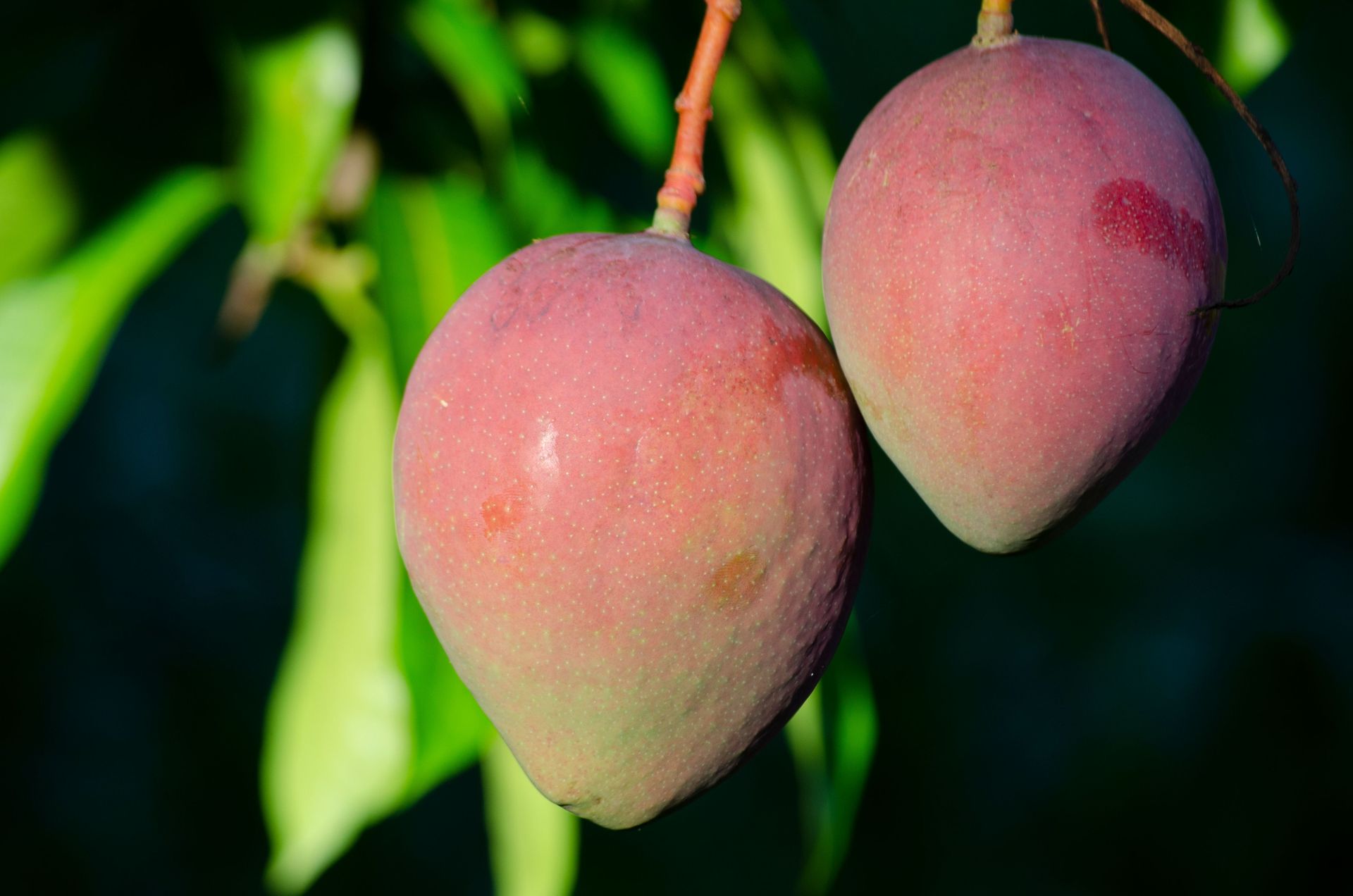
2. Mango Seedlings
Mango farming remains one of the most profitable fruit ventures in Kenya.
Popular varieties include:
- Apple Mango
- Kent Mango
- Tommy Atkins
- Ngowe
- Van Dyke
- Sabine
Advantages
- Strong local demand
- Processing opportunities
- Juice production
- Fresh fruit sales
Suitable Areas
- Makueni
- Machakos
- Kitui
- Taita Taveta
- Kwale
- Kilifi
- Kajiado
Maturity Period
3–4 years.
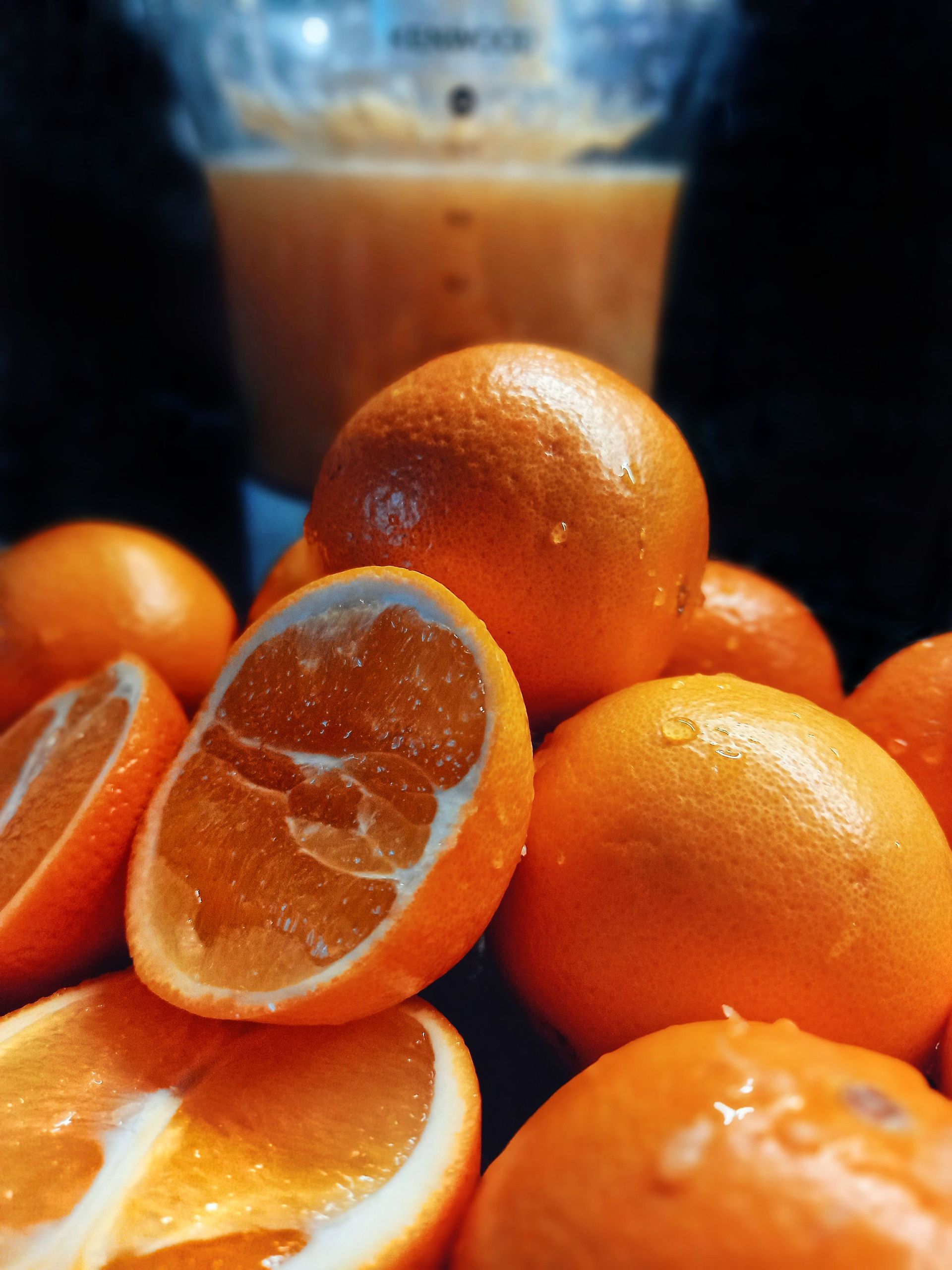
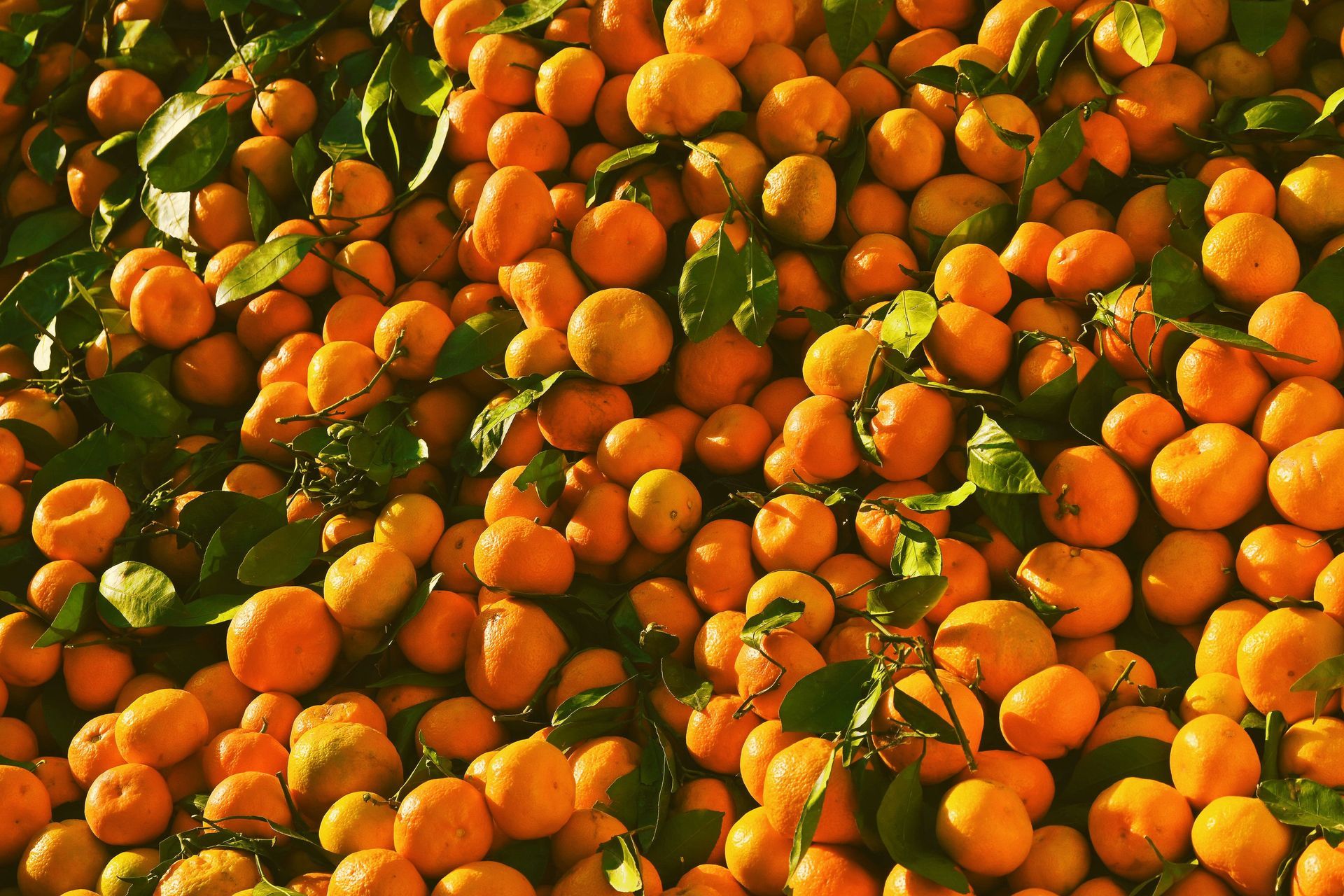
3. Citrus Seedlings
Citrus farming continues to attract commercial growers due to year-round demand.
Popular citrus varieties include:
Oranges
- Washington Navel
- Valencia
- Hamlin
Lemons
- Eureka Lemon
- Lisbon Lemon
Tangerines
- Pixie
- Clementine
Benefits
- Consistent demand
- Juice production
- Long productive lifespan
Maturity
2–4 years.
4. Passion Fruit Seedlings
Passion fruit remains among the fastest-returning fruit enterprises.
Popular varieties:
- Purple Passion
- Yellow Passion
Advantages
- Early maturity
- High yields
- Strong demand
Harvesting Begins
Within 8–12 months.
Suitable Areas
- Central Kenya
- Rift Valley
- Western Kenya
5. Tree Tomato (Tamarillo)
Tree tomatoes are gaining popularity due to increasing health-conscious consumers.
Benefits
- High nutritional value
- Fast maturity
- Suitable for small land sizes
Maturity
8–12 months.
Best Regions
- Kiambu
- Nyeri
- Murang'a
- Kericho
- Nandi
6. Macadamia Seedlings
Macadamia is one of Kenya's top export crops.
Why Plant Macadamia?
- Premium export prices
- Long productive life
- Minimal maintenance
Suitable Areas
- Central Kenya
- Eastern Kenya
- Rift Valley
Maturity
4–5 years.
7. Dragon Fruit Seedlings
Dragon fruit is becoming increasingly popular among commercial growers.
Benefits
- High-value niche market
- Drought tolerant
- Attractive export opportunities
Maturity
12–18 months.
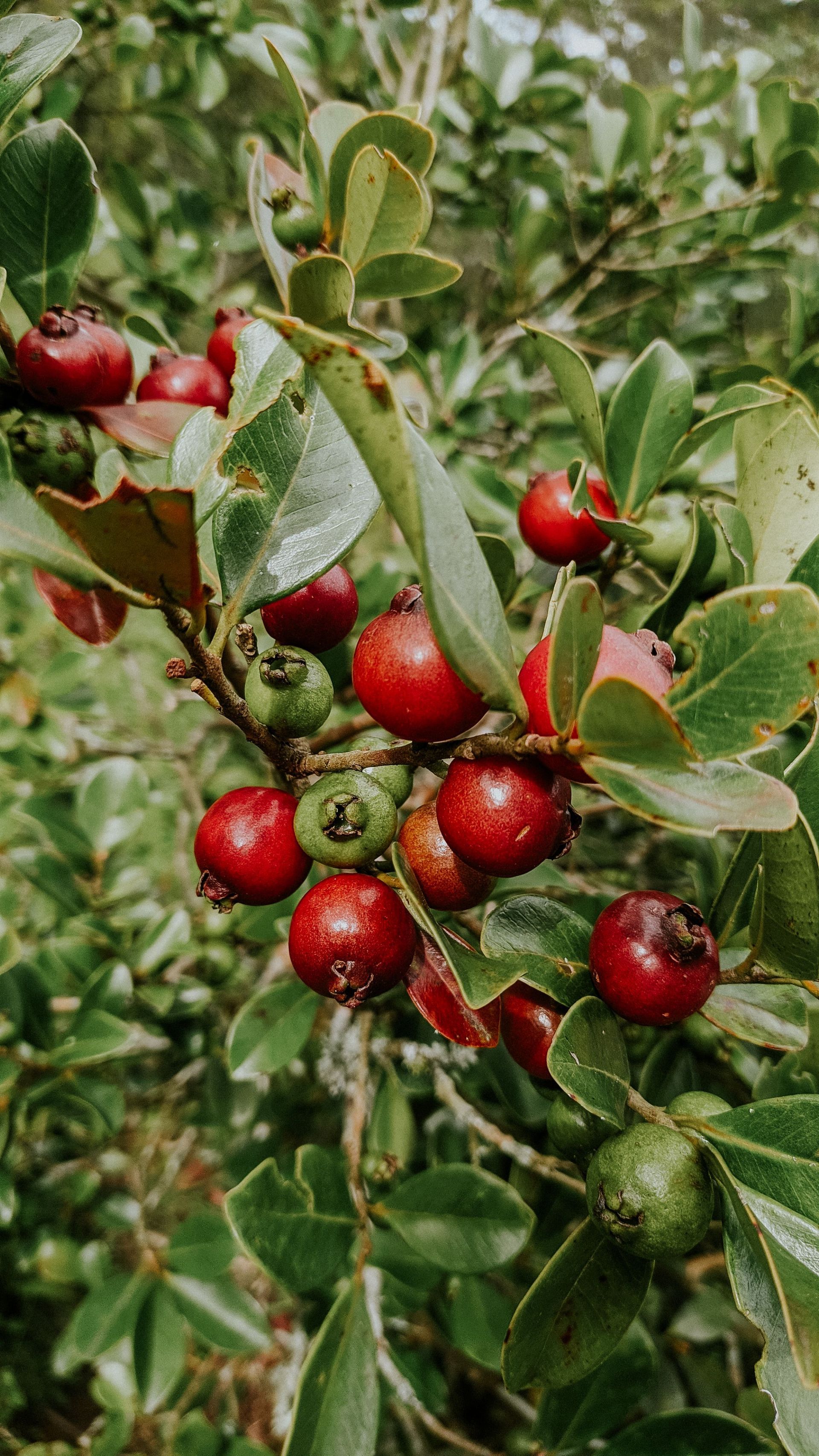
8. Guava Seedlings
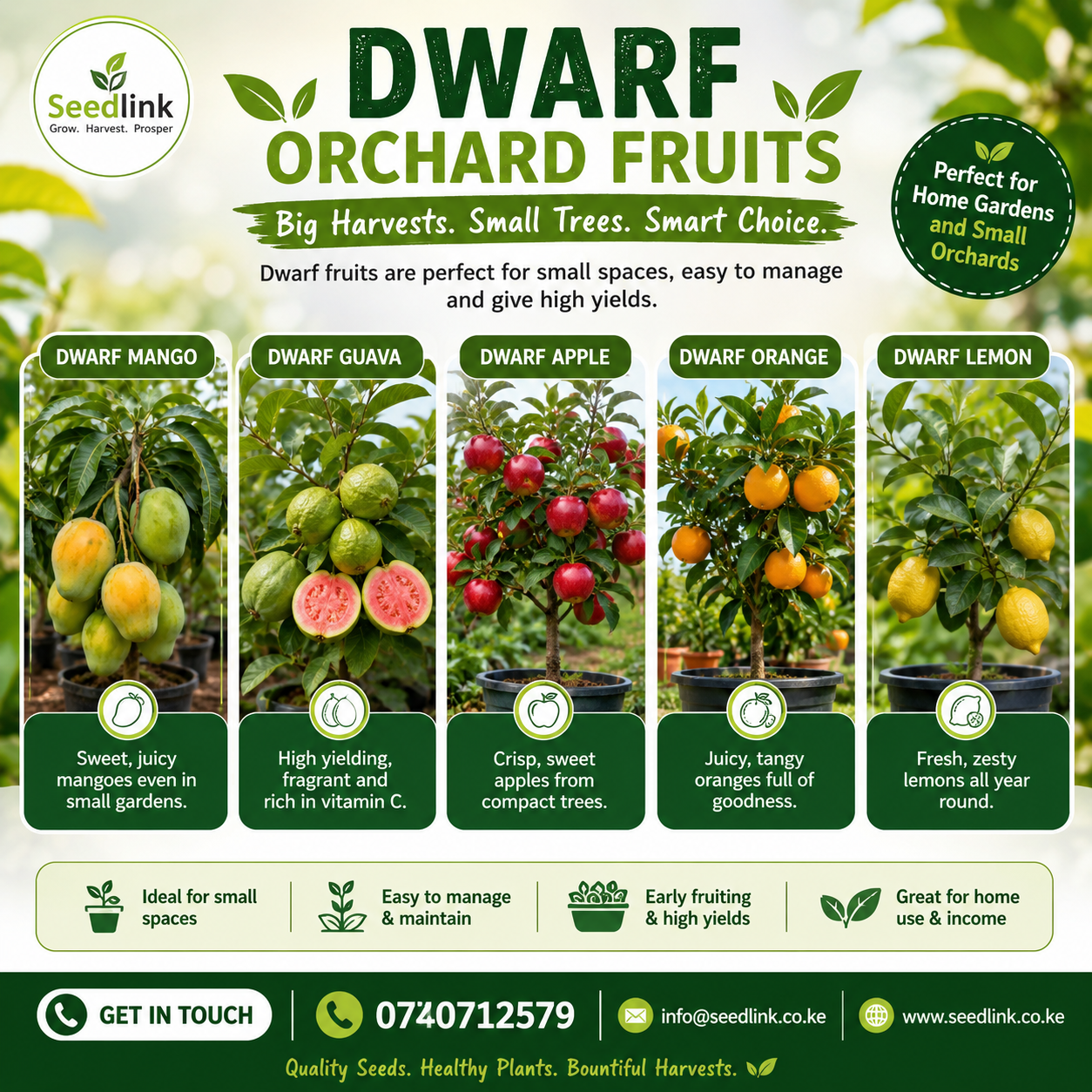
Guava offers excellent opportunities for both commercial and home gardens.
Advantages
- Hardy crop
- Drought tolerant
- High nutritional value
Uses
- Fresh consumption
- Juice production
- Jam making
9. Pawpaw Seedlings
Pawpaw remains one of the easiest fruit crops to establish.
Popular varieties:
- Solo Sunrise
- Red Lady
- Mountain Papaya
Benefits
- Quick returns
- Continuous production
- High nutritional value
Maturity
8–12 months.
10. Custard Apple Seedlings
Custard apple offers excellent opportunities for niche markets.
Advantages
- Unique taste
- Growing demand
- Suitable for dry areas
Maturity
2–3 years.
11. Loquat Seedlings
Loquat is increasingly popular in highland regions.
Benefits
- Cold tolerant
- Attractive fruits
- Early season production
12. Pomegranate Seedlings
Pomegranate demand continues growing due to health benefits.
Advantages
- Drought resistant
- High market value
- Export opportunities
Suitable Areas
- Kajiado
- Makueni
- Machakos
- Kitui
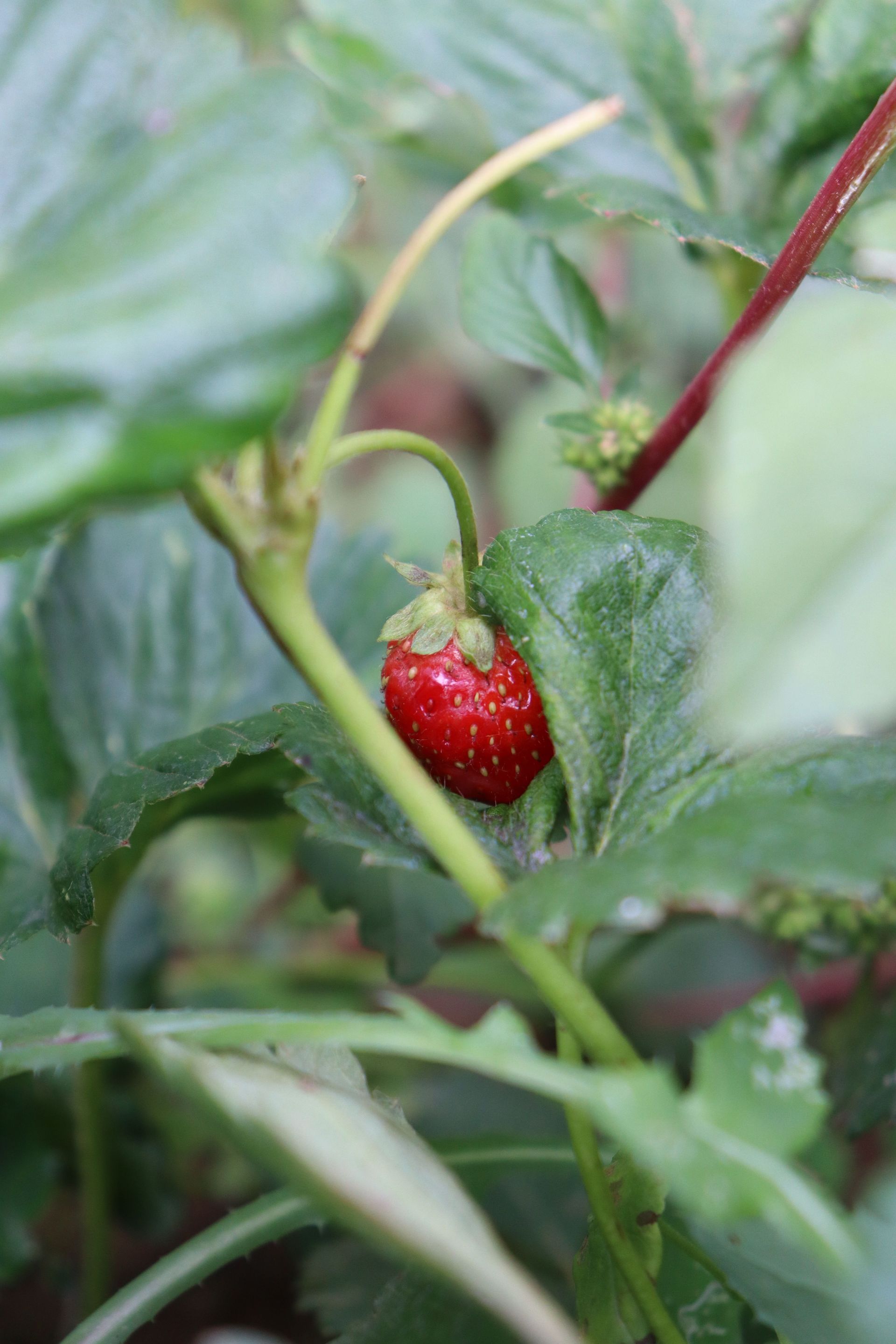
13. Strawberry Seedlings
Though technically not trees, strawberries remain among the highest-return fruit crops.
Benefits
- Small land requirement
- Quick returns
- High demand
Suitable Areas
- Central Kenya
- Rift Valley
- Highland regions
How to Choose Quality Fruit Seedlings
The success of an orchard begins with selecting quality seedlings.
Look for:
Healthy Leaves
Leaves should:
- Be green
- Show no discoloration
- Be free from pests
Strong Root System
Healthy roots:
- Hold soil firmly
- Show vigorous growth
- Have no signs of rot
Grafted Seedlings
Always prioritize grafted seedlings where applicable.
Benefits include:
- Earlier fruiting
- Uniform quality
- Better disease resistance
Certified Sources
Purchase seedlings only from trusted nurseries and verified growers.
Site Selection for Fruit Orchards
Choose a site with:
Good Drainage
Waterlogged soils can kill young fruit trees.
Adequate Sunlight
Most fruit trees require:
- 6–8 hours of sunlight daily
Access to Water
Young seedlings require regular watering during establishment.
Soil Fertility
Conduct soil testing before planting.
Land Preparation
Proper land preparation significantly improves seedling survival rates.
Steps
- Clear weeds
- Mark planting positions
- Dig recommended planting holes
- Incorporate manure
- Mix topsoil and organic matter
Planting Fruit Seedlings
Step 1: Prepare Planting Hole
Typical dimensions:
60cm x 60cm x 60cm
Step 2: Add Organic Manure
Use:
- Well-decomposed manure
- Compost
Step 3: Plant Carefully
Avoid damaging roots.
Step 4: Water Immediately
Water thoroughly after planting.
Step 5: Mulch
Benefits include:
- Moisture retention
- Weed suppression
- Improved soil health
Fruit Tree Maintenance
Watering
Young seedlings require regular watering, especially during dry periods.
Pruning
Benefits:
- Better air circulation
- Disease control
- Improved fruit production
Fertilization
Use:
- Organic manure
- Compost
- Recommended fertilizers
Weed Control
Keep a weed-free area around seedlings.
Common Fruit Tree Pests and Diseases
Aphids
Control through:
- Biological methods
- Approved pesticides
Fruit Flies
Particularly problematic for:
- Mangoes
- Guavas
Powdery Mildew
Common in:
- Passion fruits
- Grapes
Root Rot
Often caused by poor drainage.
Intercropping Opportunities
Young orchards allow farmers to generate income before trees mature.
Popular intercrops:
- Beans
- Vegetables
- Herbs
- Legumes
This improves land utilization and cash flow.
Fruit Farming and Climate Change
Fruit trees play a significant role in climate resilience.
Benefits include:
- Carbon sequestration
- Soil protection
- Biodiversity enhancement
- Improved water retention
Agroforestry systems that combine fruit trees with indigenous species, bamboo, and ornamental plants create more resilient farming systems.
Commercial Opportunities in Fruit Farming
Growing markets include:
Fresh Fruit Sales
Supply:
- Markets
- Retail stores
- Exporters
Value Addition
Products include:
- Juice
- Jam
- Dried fruits
- Concentrates
Export Markets
High-demand exports include:
- Avocados
- Mangoes
- Macadamia
- Passion fruits
Agro-Tourism
Beautiful orchards increasingly attract visitors and educational tours.
Why Buy Fruit Seedlings Through Seedlink?
Seedlink connects buyers with trusted growers across Kenya, helping farmers access quality planting materials without the uncertainty often associated with informal seedling markets.
Benefits include:
✅ Access to verified nurseries
✅ Wide variety of fruit seedlings
✅ Support for bulk orders
✅ Competitive pricing
✅ Convenient sourcing for institutions, landscapers, NGOs, and commercial farmers
✅ Reliable supply chains across Kenya
Whether you are planting a backyard orchard, establishing a commercial fruit farm, greening a school compound, or implementing a community tree planting project, quality seedlings are the foundation of success.
Start Planting Today
The best time to plant a fruit tree was years ago. The second-best time is today.
By investing in quality fruit seedlings now, you are creating food security, generating future income, supporting environmental conservation, and building a greener future for generations to come.
For fruit seedlings, tree seedlings, bamboo, herbs, and ornamental plants, visit Seedlink Kenya or WhatsApp 0740712579 to discuss your planting project and receive recommendations tailored to your location and goals.
Plant Today. Harvest Tomorrow. Grow a Stronger Future.