Best Trees to Plant in Kenya for Timber, Shade, and Environmental Conservation
Kenya is rapidly embracing tree planting not just as an environmental responsibility, but as a serious economic opportunity. Whether you own a small plot, a large farm, or are planning a commercial plantation, choosing the right trees can determine your long-term income, soil health, and environmental impact.
This guide explores the best trees to plant in Kenya for timber, shade, and environmental conservation, combining both exotic and indigenous species that perform well in different regions of the country.
We’ll also show you how tree farming can become a profitable long-term investment, and where to get quality seedlings from trusted suppliers like Seedlink Kenya.
Why Tree Planting Matters in Kenya Today
Tree planting in Kenya is no longer just a conservation activity—it is now part of:
- 🌍 Climate change mitigation
- 💰 Long-term income generation
- 🌱 Soil restoration and fertility improvement
- 🏡 Agroforestry and farm diversification
- 🌧️ Water catchment protection
With increasing pressure on land and climate instability, farmers and investors are now turning to trees as a “green investment” asset class.
Categories of Trees You Should Plant
To maximize returns and impact, trees can be grouped into three major categories:
1. Timber Trees (Commercial Value)
These trees are grown for construction, furniture, poles, and industrial use.
2. Shade & Agroforestry Trees
These provide shade for crops, livestock, homes, and improve microclimates.
3. Environmental Conservation Trees
These help restore ecosystems, improve biodiversity, and protect soil and water systems.
🌳 BEST TIMBER TREES IN KENYA
Timber trees are among the most profitable long-term agricultural investments in Kenya. Some mature in 7–20 years depending on species and management.
1. Eucalyptus (Blue Gum)
Eucalyptus
Eucalyptus is one of the most widely planted commercial trees in Kenya.
Why it is popular:
- Fast-growing (can be harvested in 6–10 years)
- High demand for poles, construction timber, and fuelwood
- Performs well in high and mid-altitude regions
Best use:
- Electricity poles
- Construction timber
- Firewood and charcoal production
Income potential:
Eucalyptus plantations can generate steady recurring income through pole harvesting cycles.
2. Cypress (Cupressus lusitanica)
Cupressus lusitanica
Cypress is a premium timber tree highly valued in Kenya.
Advantages:
- High-quality durable timber
- Strong market demand for furniture and construction
- Straight growth pattern ideal for timber production
Best use:
- Furniture making
- Roofing and construction beams
- Timber plantations
3. Pine Trees
Pinus patula
Pine species are commonly grown in large commercial forests.
Benefits:
- Fast-growing in suitable climates
- Used in paper, construction, and packaging industries
- Suitable for large-scale forestry investment
4. Grevillea
Grevillea robusta
Grevillea is both a timber and agroforestry tree.
Why farmers love it:
- Grows alongside crops (minimal competition)
- Provides light shade for coffee and tea
- Produces valuable timber over time
🌴 BEST SHADE & AGROFORESTRY TREES
These trees improve farm productivity, reduce heat stress, and protect crops and livestock.
5. Avocado Tree
Persea americana
Although mainly a fruit tree, avocado provides excellent shade benefits.
Benefits:
- High export demand (especially Hass variety)
- Provides dense shade
- Strong income from fruit production
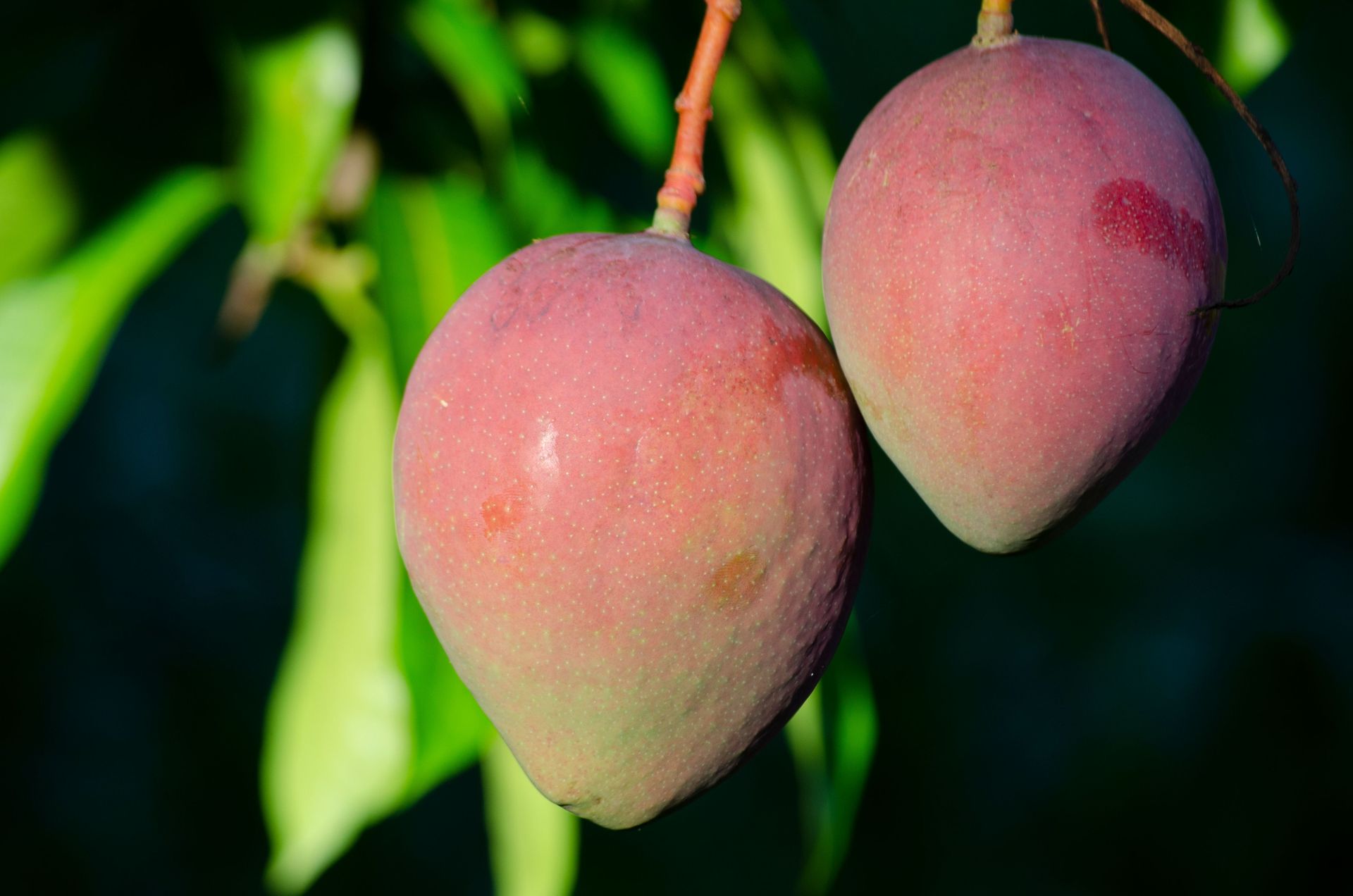
6. Mango Tree
Mangifera indica
A common household and commercial shade tree.
Advantages:
- Fruit production for domestic and export markets
- Strong canopy provides excellent shade
- Long lifespan (20–50+ years)
7. Grevillea (Agroforestry Role)
As mentioned earlier, Grevillea is ideal for:
- Coffee farms ☕
- Tea plantations 🍃
- Windbreaks
- Livestock shade
It is one of the most important farm-integrated trees in Kenya.
8. Jacaranda
Jacaranda mimosifolia
Benefits:
- Beautiful flowering tree
- Provides light shade
- Popular in urban landscaping and schools
🌍 BEST ENVIRONMENTAL CONSERVATION TREES
These trees are crucial for restoring ecosystems, improving soil fertility, and protecting water catchment areas.
9. African Olive (Olea europaea africana)
Olea europaea africana
Importance:
- Indigenous to Kenya
- Supports biodiversity
- Helps restore degraded forests
10. Croton Tree
Croton megalocarpus
Benefits:
- Excellent for soil conservation
- Used for windbreaks
- Provides firewood and medicinal value
11. Moringa Tree
Moringa oleifera
Why it’s important:
- Nutritional and medicinal value
- Fast-growing and drought-resistant
- Improves soil fertility
12. Indigenous Ficus Trees
Ficus sycomorus
Environmental role:
- Supports birds and wildlife
- Restores ecological balance
- Protects water catchment zones
🌱 EXOTIC VS INDIGENOUS TREES: WHICH SHOULD YOU PLANT?
Exotic Trees:
✔ Fast-growing
✔ High commercial returns
✔ Ideal for timber production
Examples: Eucalyptus, Pine, Cypress
Indigenous Trees:
✔ Environmentally sustainable
✔ Improve biodiversity
✔ Protect ecosystems
Examples: Croton, Ficus, African Olive
BEST STRATEGY:
👉 Combine both exotic + indigenous trees for maximum benefit:
- Exotic = income
- Indigenous = sustainability
💰 HOW TO MAKE MONEY FROM TREE FARMING IN KENYA
Tree farming is one of the most underestimated investment opportunities in Kenya.
Income sources include:
- Timber sales
- Pole harvesting
- Firewood supply
- Carbon credits
- Fruit production (for mixed systems)
Example:
A well-managed eucalyptus plantation can begin generating income in 6–10 years, with repeated harvest cycles depending on management.
🌿 COMMON MISTAKES TO AVOID
❌ Planting wrong species in wrong climate
❌ Ignoring spacing and management
❌ Using poor-quality seedlings
❌ Not planning for long-term maintenance
❌ Over-reliance on a single tree species
🌳 WHERE TO GET QUALITY TREE SEEDLINGS IN KENYA
Success in tree farming starts with quality seedlings.
One trusted supplier is:
📍
Seedlink Kenya
🌐
www.seedlink.co.ke
📞 0740 712 579
They provide:
- Certified seedlings
- Exotic and indigenous varieties
- Bulk supply for farms and institutions
- Expert planting guidance
🚀 FINAL THOUGHTS
Tree planting in Kenya is no longer optional—it is a strategic investment in your future.
Whether you choose:
- Timber trees for income
- Shade trees for farm productivity
- Indigenous trees for conservation
…the key is to start early and plant consistently.
The earlier you plant, the higher your returns in the future.
🌱 Call to Action
Start your tree farming journey today.
📞 0740 712 579
🌐
www.seedlink.co.ke
Plant today. Profit tomorrow. Protect the future.